Plus: Along with Amazon at No. 1, see which companies made the 2026 Fortune Global 500 list.
 ͏  ͏  ͏  ͏  ͏  ͏  ͏  ͏  ͏  ͏  ͏  ͏  ͏  ͏  ͏  ͏  ͏  ͏  ͏  ͏  ͏  ͏  ͏  ͏  ͏  ͏  ͏  ͏  ͏  ͏  ͏  ͏  ͏  ͏  ͏  ͏  ͏  ͏  ͏  ͏  ͏  ͏  ͏  ͏  ͏  ͏  ͏  ͏  ͏  ͏  ͏  ͏  ͏  ͏  ͏  ͏  ͏  ͏  ͏  ͏  ͏  ͏  ͏  ͏  ͏  ͏  ͏  ͏  ͏  ͏  ͏  ͏  ͏  ͏  ͏  ͏  ͏  ͏  ͏  ͏  ͏  ͏  ͏  ͏  ͏  ͏  ͏  ͏  ͏  ͏  ͏  ͏  ͏  ͏  ͏  ͏  ͏  ͏  ͏  ͏  ͏  ͏  ͏  ͏  ͏  ͏  ͏  ͏  ͏  ͏  ͏  ͏  ͏  ͏  ͏  ͏  ͏  ͏  ͏  ͏  ͏  ͏  ͏  ͏  ͏  ͏  ͏  ͏  ͏  ͏  ͏  ͏  ͏  ͏  ͏  ͏  ͏  ͏ ­ ­ ­ ­ ­ ­ ­ ­ ­ ­ ­ ­ ­ ­ ­ ­ ­ ­ ­ ­ ­ ­ ­ ­ ­ ­ ­ ­ ­ ­ ­ ­ ­ ­ ­ ­ ­ ­ ­ ­ ­ ­ ­ ­ ­ ­ ­ ­ ­ ­ ­ ­ ­ ­ ­ ­ ­ ­ ­ ­ ­ ­ ­ ­ ­ ­ ­ ­ ­ ­ ­ ­ ­ ­ ­ ­ ­ ­ ­ ­ ­ ­ ­ ­ ­ ­ ­ ­ ­ ­ ­ ­ ­ ­ ­ ­ ­ ­ ­ ­ ­ ­ ­ ­ ­ ­ ­ ­ ­ ­ ­ ­ ­ ­ ­ ­ ­ ­ ­ ­ ­ ­ ­ ­ ­ ­ ­ ­ ­ ­ ­ ­ ­ ­ ­ ­ ­ ­  
Fortune 500 Digest with Alyson Shontell
Saturday, August 1, 2026
Foreword
Alyson Shontell
Editor-in-Chief

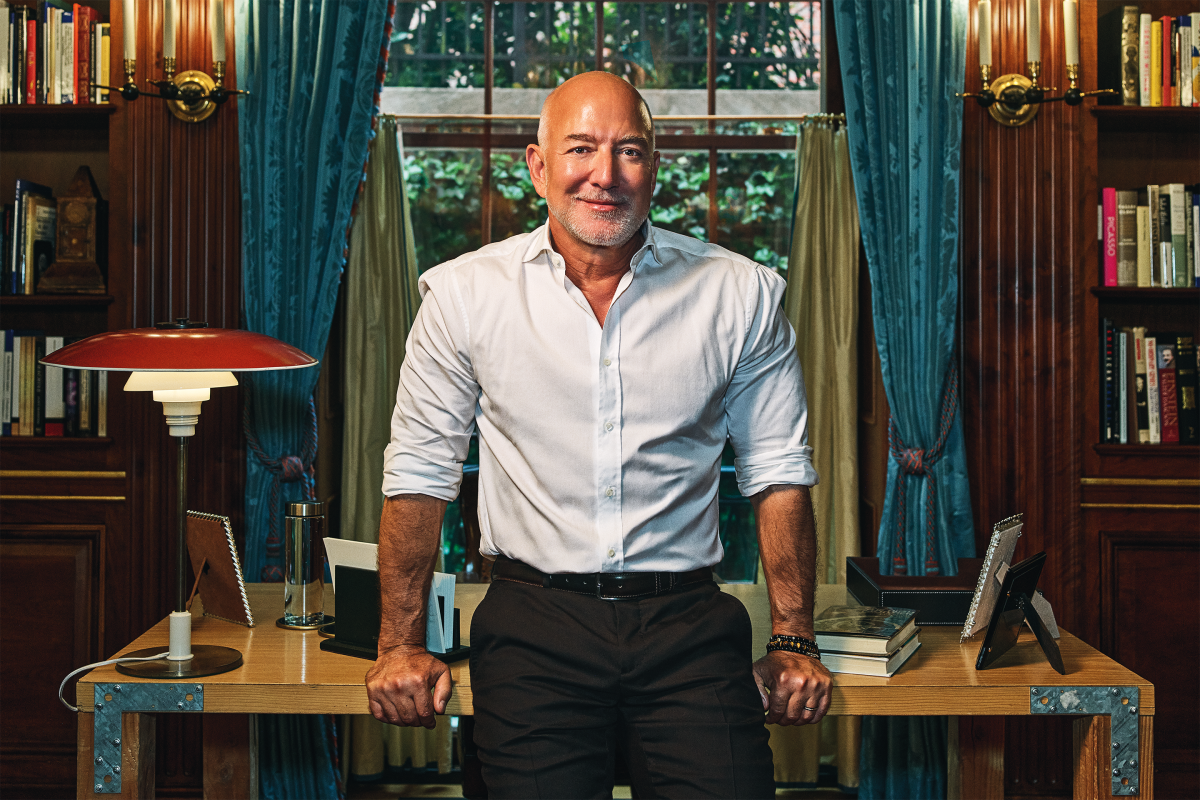
Editorial Director Kristin Stoller here, filling in for Alyson. When I spoke to Jeff Bezos earlier this year for what would become the cover story of Fortune’s August/September issue, I told him the news that Amazon was going to be No. 1 on the Fortune 500. He laughed, smiled, and sheepishly admitted that he wasn’t all that surprised.

Now, with the release of the Fortune Global 500 list this week, Amazon has also claimed another No. 1 spot—officially earning the designation of highest-revenue-generating company in the world. But that doesn’t mean Bezos saw it coming way back when he founded the company in his Bellevue, Wash., garage in the mid-’90s.

“You could not … have predicted the magnitude of change that would occur,” Bezos told me. “And anybody who did predict that magnitude of change would probably have been quickly institutionalized.”

That said, as he built Amazon, Bezos didn’t allow others’ perceptions of his sanity to deter him. During our interview, he told me a story about how when Amazon Prime was launching in the early 2000s, everyone thought it was “insane.” He called Prime an “all-you-can-eat buffet” that he was launching, given its unlimited two-day shipping feature. He said that when you launch something like that, the “heavy eaters” show up first, and because of that, the initial economics of Prime looked horrible. But fast-forward to today, and it’s one of the most successful parts of the business.

As Alyson wrote in her editor’s letter in the current issue of Fortune, Amazon has since “continually reinvented itself across new businesses and bold bets—including a $200 billion capital commitment, largely to building its capacity for AI and cloud computing, in this year alone.” During its earnings call on July 30, CEO Andy Jassy announced the company would bump that figure up to $220 billion. He also revealed that the company’s cloud unit posted its fastest sales growth in 18 quarters, reassuring investors of Amazon’s standing in the AI race and sending its stock soaring.

“AWS is now a $169 billion annualized revenue run rate business, which, for perspective, would place it 24th on the Fortune 500 list if it was a stand-alone company,” Jassy also noted during Thursday’s earnings call. (Fortune’s VP of Research Scott Decarlo corroborates this.)

For more on my conversation with Jeff Bezos about how he led Amazon to these milestones, read my feature below, and be sure to explore the rest of the 2026 Fortune Global 500 ranking for more insights.—Kristin Stoller, Editorial Director

Follow Alyson on X, LinkedIn, TikTok, Instagram, and the Titans and Disruptors vodcast.

Catch Up
Rankings
by Fortune
Advertisement
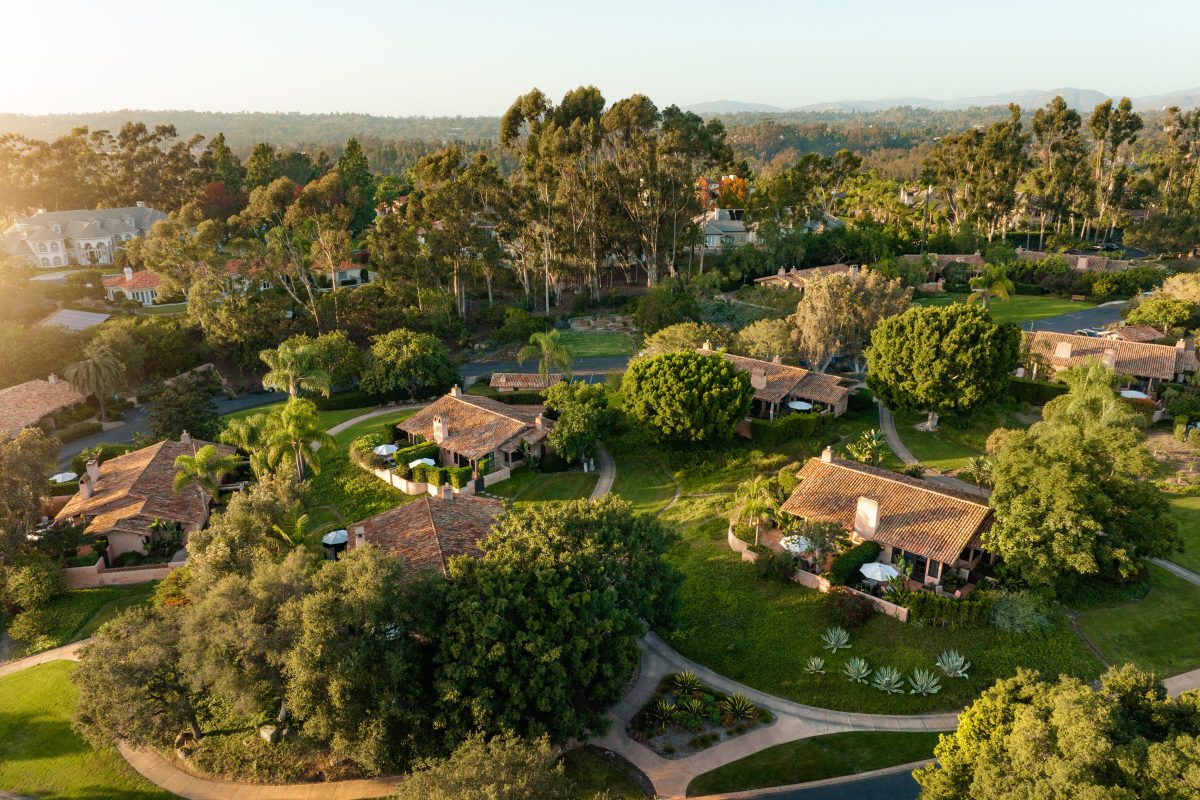
Rancho Valencia
A half an hour from San Diego, Rancho Valencia takes a laid-back approach to ultra-luxury. Spread across 45 acres of gardens and citrus groves, the resort remains intimate with just 49 casitas, each featuring a private patio and fireplace. But the real draw is the resort’s outdoor pursuits, including a top-rated tennis program and privileged access to some of San Diego’s top golf courses.
Book now
Fortune 500 C-suite Power Moves
Hormel Foods (No. 363) appointed John Ghingo President and CEO, effective Oct. 26. Owens Corning (No. 385) appointed Jonathan Collins CFO, effective Aug. 10. VF (No. 425) appointed Abhishek Dalmia CFO, effective Aug. 1. Masco (No. 498) appointed Brad Hiranaga to the newly created role of CMO.
And more in this week's Fortune 500 Power Moves.
Deals & Developments
  • Ohio State University has struck a partnership with JPMorgan Chase (No. 12), naming the bank its official financial services sponsor and jersey-patch partner across its 36 varsity sports. The deal also includes NIL support, athlete financial education, and fan perks.
  • PayPal Holdings (No. 139) said it would weigh any takeover proposal against the value it believes it can create through a turnaround after receiving a more than $53 billion offer from Stripe and Advent International. CEO Enrique Lores said the company remains focused on the overhaul but that the board will consider opportunities that maximize shareholder value.
  • Johnson & Johnson (No. 45) agreed to pay $5.5 billion to settle nearly 80,000 remaining claims that its talc products caused ovarian cancer, potentially ending more than a decade of litigation.
  • Kuwait signed a $16 billion deal with KKR (No. 156), Blackstone (No. 310), and Brookfield to lease its oil pipelines, the country’s biggest-ever foreign investment. The deal gives Kuwait nearly $8 billion upfront to help fund future oil production growth.
Overheard
“In today’s market, you have to be 100% suitable for 5% of the population—not 60% for 80% of the population.”
—Carol Liao, Greater China chair for Boston Consulting Group. Read more: Inside China’s two-speed economy: Why goods consumption is slumping even as exports and services boom
On earnings calls:
  • Amazon (No. 1) reported $200.6 billion in second-quarter revenue, up 20% and ahead of expectations, while AWS revenue rose 37% to $42.2 billion. Andy Jassy said in 2026 the company will spend $220 billion on AI and AWS infrastructure and other capital expenditures—including data centers, chips, memory, servers, and networking—but still lacks enough cloud capacity to meet demand.
  • Apple (No. 4) reported $109.4 billion in quarterly revenue, beating expectations, but Tim Cook warned during his final earnings call that a “hundred-year flood” in memory-chip pricing could complicate supply.
  • ExxonMobil Holdings (No. 9) reported $116 billion in revenue. Chevron (No. 21) reported $70.1 billion in revenue, along with its largest quarterly net profit ever—$12.1 billion. Both oil majors benefited from Iran war-driven energy prices while U.S. drivers faced $4-a-gallon gasoline.
  • Microsoft (No. 11) reported $90 billion in fiscal fourth-quarter revenue, above estimates, as Azure crossed $100 billion in annual revenue and AI demand propelled cloud growth.
  • Meta Platforms (No. 17) reported $60.8 billion in second-quarter revenue, beating expectations, but AI capex reduced free cash flow to $784 million as CEO Mark Zuckerberg hinted at a possible cloud business.
  • United Parcel Service (No. 48) reported $22.8 billion in second-quarter revenue, up 7.6% year over year, and said scaling back lower-margin Amazon deliveries helped improve profitability.
Earnings calls next week include: Marriott International (No. 174) on Aug. 3; Caterpillar (No. 65), Pfizer (No. 73), Advanced Micro Devices (No. 131), Booking Holdings (No. 169), McDonald’s (No. 170), and Diamondback Energy (No. 301) on Aug. 4; Walt Disney (No. 44), Eli Lilly (No. 67), and Uber Technologies (No. 92) on Aug. 5; and others.