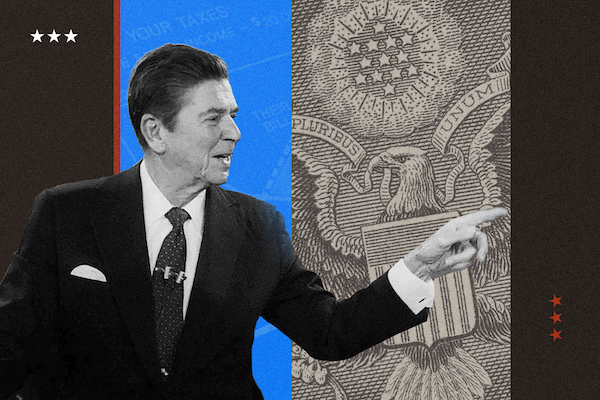
Has American power passed its peak? It’s a question that policymakers and scholars are asking again today, nearly four decades after the political scientist Samuel Huntington took it on in a 1988 essay, this week’s summer read.
At the time, the idea that the United States was “declining economically compared to other market economy countries,” and that this decline would eventually sap “other dimensions of national power,” had become prevalent in public discourse. But Huntington argued that concerns about the country “living beyond its means” or “sagging under the burdens of empire” were overblown. “The ultimate test of a great power is its ability to renew its power,” he wrote. And the United States could rebuild its strength better than any of its peers, past or present, on account of its high levels of economic competition, immigration, and social mobility.
Yet although Huntington disagreed with the declinists of the 1980s, he believed it was useful for Americans to worry about the condition of their country. Doomsayers “play an indispensable role in preventing what they are predicting,” he wrote. Cyclical prophecies of American decline often lead to better policy, making them essential to “the self-renewing genius of American politics.”
|