Lumina Foundation is working to increase the share of adults in the U.S. labor force with college degrees or other credentials of value leading to economic prosperity.
Historically Black Colleges and Universities have, for generations, been known to show unbounded grace to students in financial need. So it came as a shock last month when Howard University disenrolled more than 500 incoming students who had failed to meet its payment deadlines.
But an influx of applicants, coupled with dwindling federal funding resources, has forced a dilemma on the nation’s Black colleges: How can they expand enrollment to meet student demand without straining campus resources, destabilizing their finances, or pushing more students into debt?
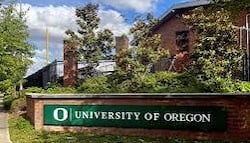
Over 825,000 Oregonians attended a college or university at some point in their lives but never graduated with a degree. Reconnecting with just a fraction of them could dramatically strengthen Oregon’s economy, according to new research from the higher education nonprofit ReUp Education.
Higher education institutions nationwide are projected to endure years of falling enrollment from traditional college students, 18-24-year-olds, due to lower birth rates following the Great Recession. At the same time, Oregon’s population is getting older, with workers retiring. And the state is projected to have hundreds of thousands of available jobs by 2030 that will require an education beyond a high school degree. Older students who have some college credit could re-enroll, earn degrees, and help fill these gaps, researchers suggest.
Venu Govindaraju is the senior vice president for research, innovation, and economic development and a distinguished professor at the University at Buffalo. He’s spent more than 30 years working in artificial intelligence, building systems with real social impact; he’s also a poet, with a simple way of describing why the humanities still matter: AI finds the patterns. The humanities find the meaning behind them.
In this interview, Govindaraju talks about the role of universities in the age of AI, why scientists should fail on purpose, and how New York’s Empire AI consortium model could help counterbalance big tech’s grip on AI development.
In April 2025, 21-year-old Akshat Namdeo watched as two of his best friends battled to keep their student visas after traffic violations put them in jeopardy. Over the coming months, they hired lawyers and spent thousands on summer classes, trying to graduate as soon as possible. Their visas were restored four months later, but the anxiety remained.
Their experience isn’t unique among international students who are preparing to return to the United States for a new school year. Visa rules put in place by the Trump administration made them question their status here. Now, as international student enrollment at U.S. colleges falls, university revenues are falling with it.
Student parents who juggle classes, work, and raising children often find themselves scraping by without much cushion for unexpected expenses. Some states, including California, offer financial aid specifically to student parents to help cover housing, childcare, and other basic needs.
But a new analysis from The California Alliance for Student Parent Success suggests administrative hurdles are preventing many eligible student parents from accessing that aid. Specifically, the findings say these barriers—including challenges identifying student parents and a required certification process—are key reasons many eligible students do not receive the award.
Much of the discussion surrounding financially troubled colleges focuses on enrollment, endowments, and balance sheets. Those issues matter. But they obscure a larger concern: many of these institutions are educationally distinctive, and once they disappear, the models they represent often do as well.
It's also true that some of America's most distinctive colleges define themselves not by prestige, but by purpose. They may not educate hundreds of thousands of students or dominate national rankings. Yet each represents a fundamentally different answer to a deceptively simple question: What should a college be?





.jpeg?width=500&upscale=true&name=images%20(46).jpeg)