Good morning. Fortune tech reporter Beatrice Nolan here, filling in for Alyson. As I wrote earlier this week, one of the most valuable companies in the world overhauled its org chart.
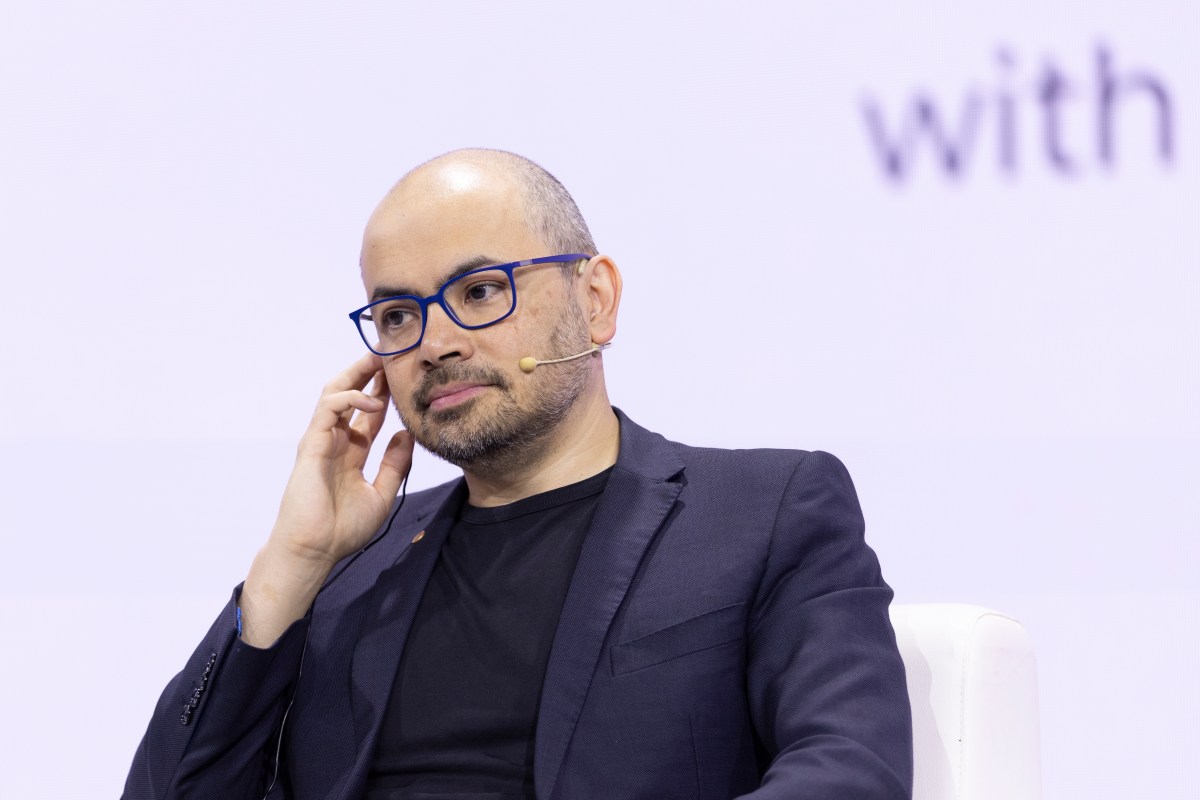
Demis Hassabis, the Nobel laureate who cofounded DeepMind and has run the AI lab since Google’s 2014 acquisition, is stepping back from the CEO seat at the organization. Hassabis isn’t leaving altogether. He’s taking on the chairman role at DeepMind, plus a new title as chief scientist of
Alphabet (No. 5), while also spending more of his time at Isomorphic Labs, the AI drug-discovery startup that he
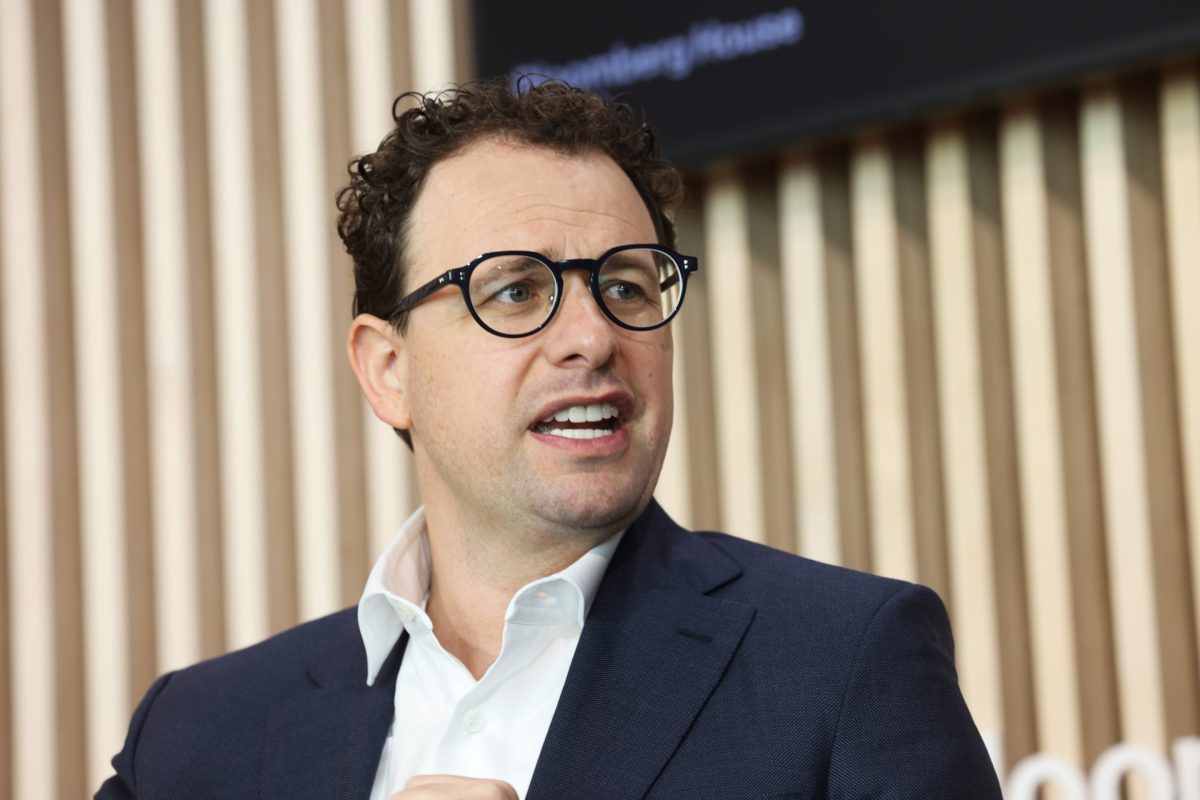
also leads. In his note to staff, Hassabis said he believes that artificial general intelligence—the point at which AI equals or surpasses humans at most tasks—is getting close, and that he wants the space to focus on getting the next phase right. Day-to-day control of DeepMind will shift to Koray Kavukcuoglu, DeepMind’s longtime CTO, who becomes senior vice president reporting directly to Alphabet CEO Sundar Pichai.
While the move was a big surprise in the industry, as well as to many inside the company, it didn’t happen in a vacuum. DeepMind has had a difficult year: One anticipated model, Gemini 3.5 Pro, has missed three release windows. Independent benchmarks now put Google’s best-shipped model behind rivals from Anthropic and OpenAI. And the lab, which is split between its historical homebase in London and Google’s Silicon Valley headquarters, has lost several high-profile researchers this year, including Gemini co-lead Noam Shazeer (who decamped to OpenAI) and AlphaFold co-inventor John Jumper (now at Anthropic).
An employee revolt over Google’s controversial defense deal with the Pentagon and a union drive in London have only added to the turmoil within the organization.
None of this is to say Google is out of the AI race. Far from it. Unlike OpenAI or Anthropic, whose entire businesses live or die on model quality, Google owns the whole stack—custom chips, cloud infrastructure, and distribution across a portfolio of products with billions of users. That vertical integration is a structural advantage none of Google’s AI-native rivals can replicate, and it means Google can absorb a rough stretch at the model layer without it becoming existential. It does, however, raise questions about why Google appears to be lagging in the AI race, despite these advantages.
Handing daily execution to Kavukcuoglu, a 13-year DeepMind veteran who works out of California, while freeing Hassabis to focus on frontier science and long-horizon bets like AlphaFold-driven drug discovery, is seen by some inside the company as a way to centralize Google’s AI efforts and shift power toward its Mountain View headquarters. (Google tells us that DeepMind’s London presence will stay central to that effort.)
The real test for Kavukcuoglu will be trying to close the coding and agentic gap in Google’s models—areas where rivals like Anthropic and OpenAI have pulled ahead—and whether he can do it while keeping DeepMind’s research-driven culture intact.
If the company gets this right, Google is well positioned to be a leader in the AI race. But the reorg is a gamble that could just as easily deepen some of the challenges and resentments already pushing top researchers out the door.
Read my full story here, and have a great weekend.—Beatrice Nolan, tech reporter
Follow Alyson on X, LinkedIn, TikTok, Instagram, and the Titans and Disruptors vodcast.