| | Trump presses economic war with Iran, the US tries to contain borrowing costs, the head of China’s E͏ ͏ ͏ ͏ ͏ ͏ |
| |  Berlin Berlin |  Islamabad Islamabad |  Pyongyang Pyongyang |
 | Flagship |  |
| |
|
The World Today | 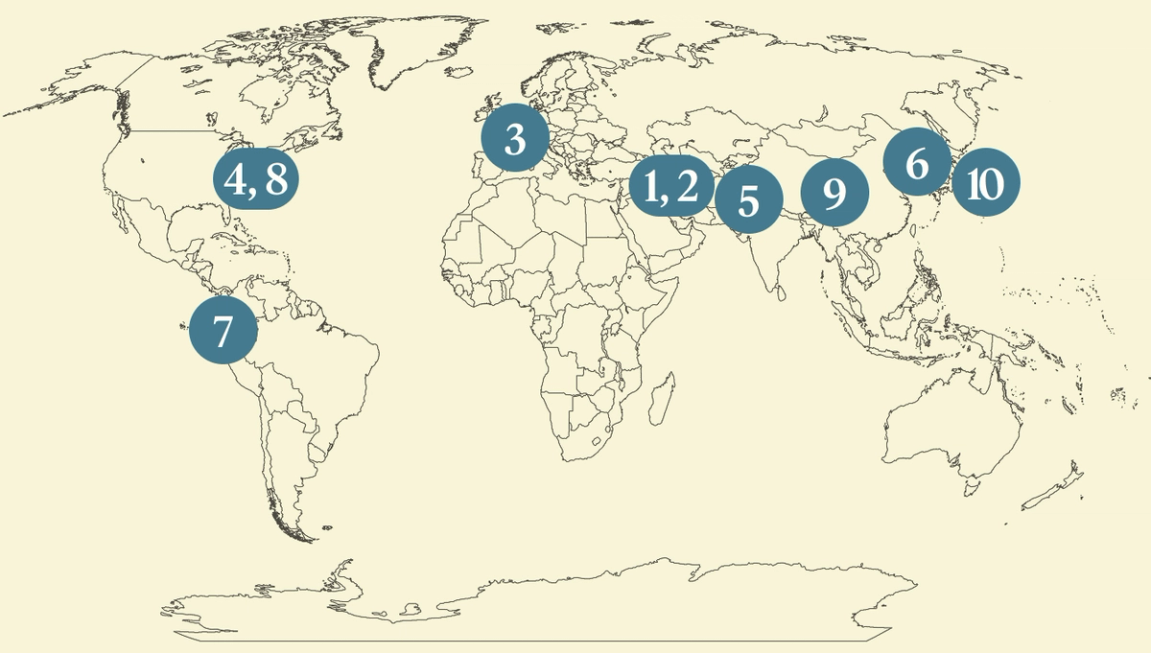 - US threatens Iran economy
- Oil getting out of the Gulf
- Europe’s winter gas worry
- Trump talks down rates
- Pakistan row over Kashmir
- Pyongyang dismisses DC
- Ecuador’s tricky China trip
- US backs rare earths bets
- Evergrande boss sentenced
- Japanese fiction booms
 An album by a Brazilian band that is at once ‘tight and self-contained’ with ‘enough space for jamming and experimentation.’ |
|
 Majid Asgaripour/WANA via Reuters Majid Asgaripour/WANA via ReutersUS President Donald Trump threatened to expand his use of economic pressure to end the war in Iran, warning countries that traded with Tehran of severe consequences. Yet any such efforts are rife with their own challenges: Dubai, for example, is key to executing the US economic chokehold, given its role as a hub for Iranian trade and finance. But while the UAE said this week it would cut off economic ties with Iran, actually doing so in full could risk Dubai’s status as a hub for commerce, The Wall Street Journal noted. Still, one Bloomberg columnist wrote, “the route of economic asphyxiation is probably the least bad plan,” before adding: “Needless to say, ‘least bad’ is far from ‘good’.” |
|
Gulf oil slips through Hormuz |
 Vladimir Tonic/Reuters Vladimir Tonic/ReutersMore oil than previously thought appears to be making its way out of the Gulf, helping keep elevated oil prices from spiking further. According to Axios, the US military has helped ferry crude through the Strait of Hormuz, driving overall levels of exports through the key waterway to about half of prewar levels and undermining Iranian efforts to control the crossing. Separately, Saudi Arabia’s state-owned oil giant has notified at least three European refiners that it will meet its full contracted sales obligations next month, Bloomberg reported. Indeed, prices for oil tankers are surging to record highs, the Financial Times said, as Middle Eastern countries buy up vessels to transfer barrels. |
|
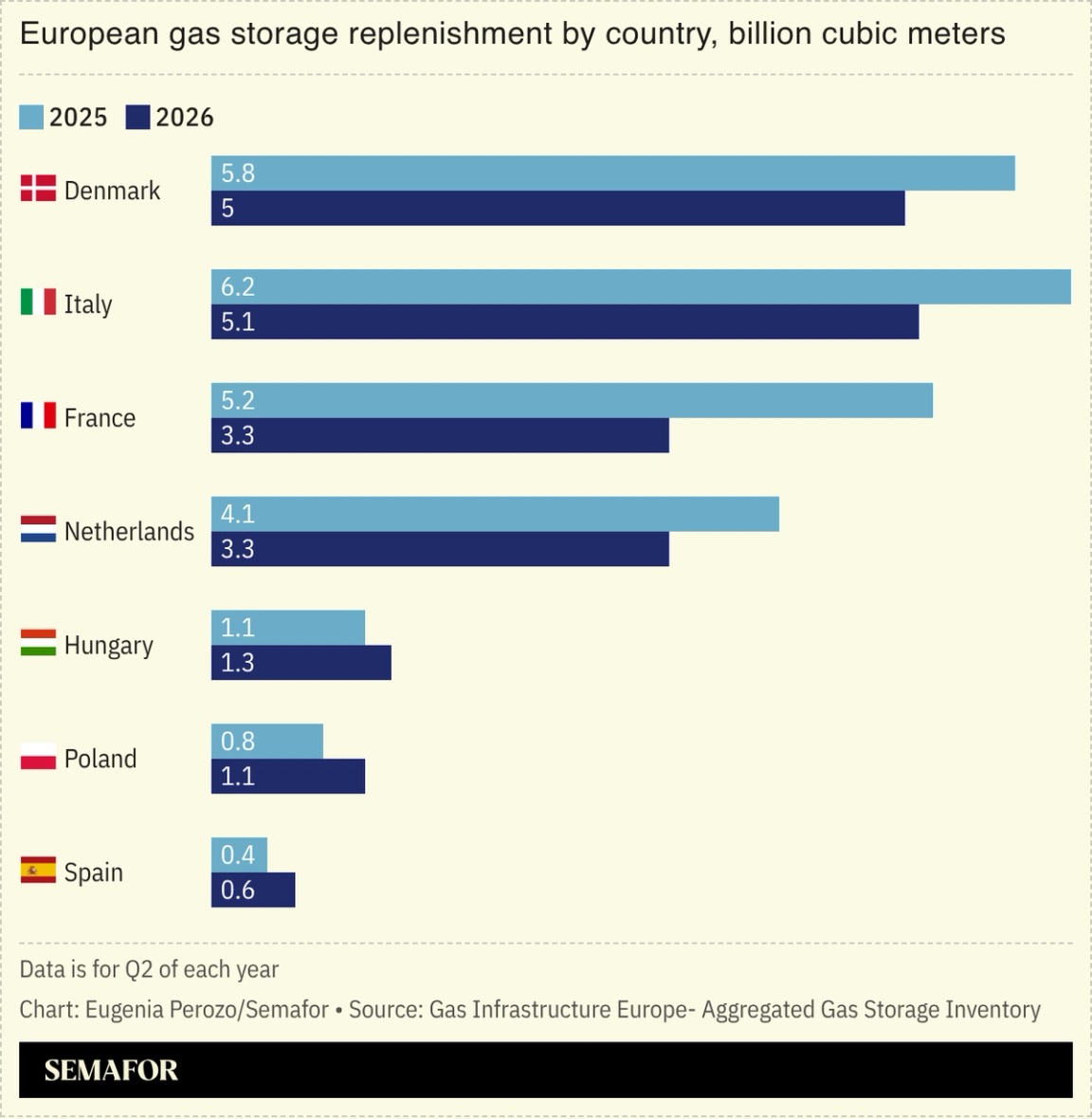 Europe is unlikely to refill its gas stockpiles ahead of the winter, risking skyrocketing prices for consumers and a cascading impact on the region’s moribund economies, analysts warned. European countries is importing less than three-quarters of the shipments required to reach targeted storage levels for liquefied natural gas, Handelsblatt reported, adding that “a secure supply this coming winter depends on the goodwill of the US.” Inventories are at their lowest levels in 17 years, hampered by interruptions to supply from the Gulf because of the Iran war, as well as Europe’s own plans to bar Russian imports. “Only an exceptionally strong El Niño [warm weather system] will meaningfully ease Europe’s LNG needs this winter,” experts at research firm Rystad Energy said. |
|
US wrestles with debt costs |
|
US remark sparks Kashmir row |
 Sharafat Ali/Reuters Sharafat Ali/ReutersRemarks by the US ambassador to India about Kashmir triggered a row with Pakistan, the latest episode in the Trump administration’s rollercoaster relations with South Asia. Islamabad registered a “strong demarche” with the top US diplomat in Pakistan after Washington’s envoy to New Delhi appeared to describe Jammu & Kashmir as an “important part of India”; both countries claim the region. The remarks, which threaten an upswing in US-Pakistan relations related to Iran war diplomacy, are not the first time the Trump administration’s language has stoked frustration in the subcontinent: India pushed the US for decades to treat their relationship as separate from Pakistan, but following a brief conflict last year, Washington began “hyphenating” ties again, much to New Delhi’s dismay. |
|
N. Korea unaware of US talks |
|
Ecuador signs China trade deals |
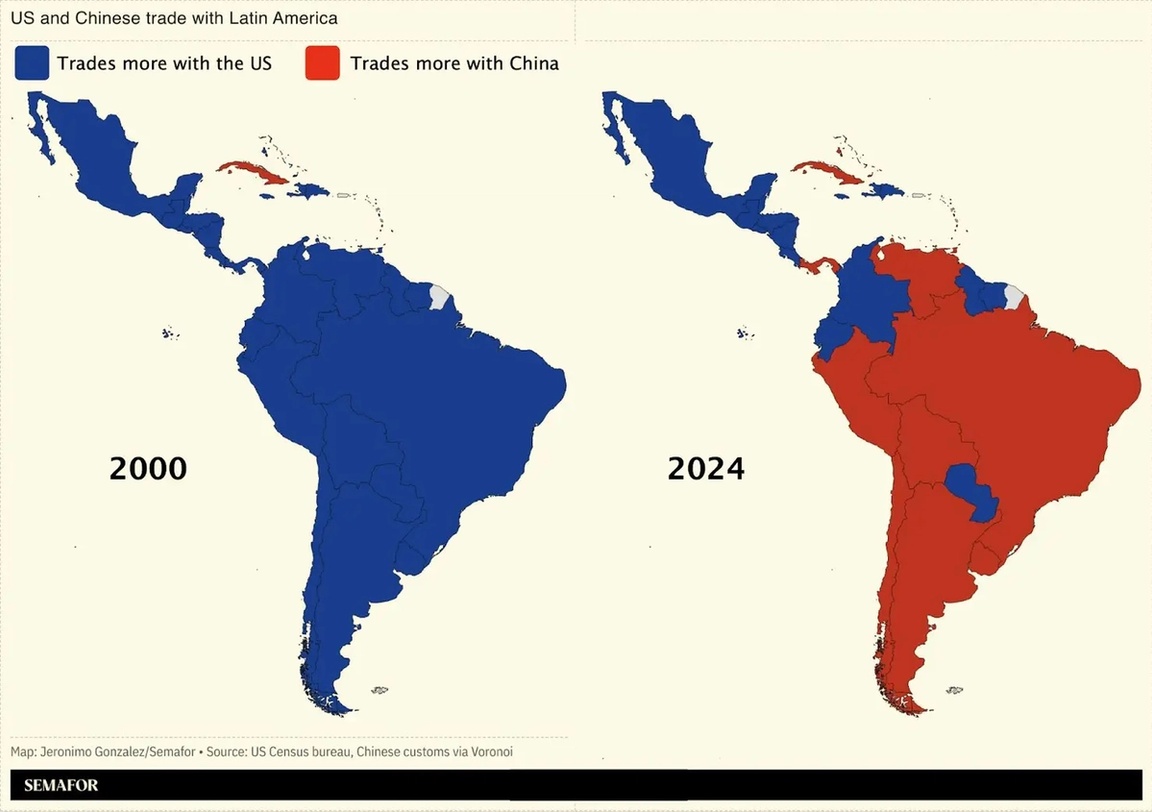 Ecuadorean President Daniel Noboa, one of Washington’s main allies in Latin America, signed a slew of trade agreements with China as he vies to strike a delicate balance between the superpowers. Latin America has shifted politically in recent years, with the last seven elections won by rightist leaders who have vowed to pursue closer ties with the Trump administration. However, while most of those countries rely on Washington for security, they trade more with China, forcing them into difficult positions in order to avoid angering the rival powers. “The Ecuadorian government is playing both sides as it obviously doesn’t want to distance itself from either,” an expert told Bloomberg. |
|
 Some positivity for your news diet. There’s good news out there, but sometimes it’s hard to find. Nice News does the digging for you, delivering uplifting stories to your inbox every morning. And it’s free: Join 1 million readers and subscribe to Nice News today. |
|
DFC funds rare earth projects |
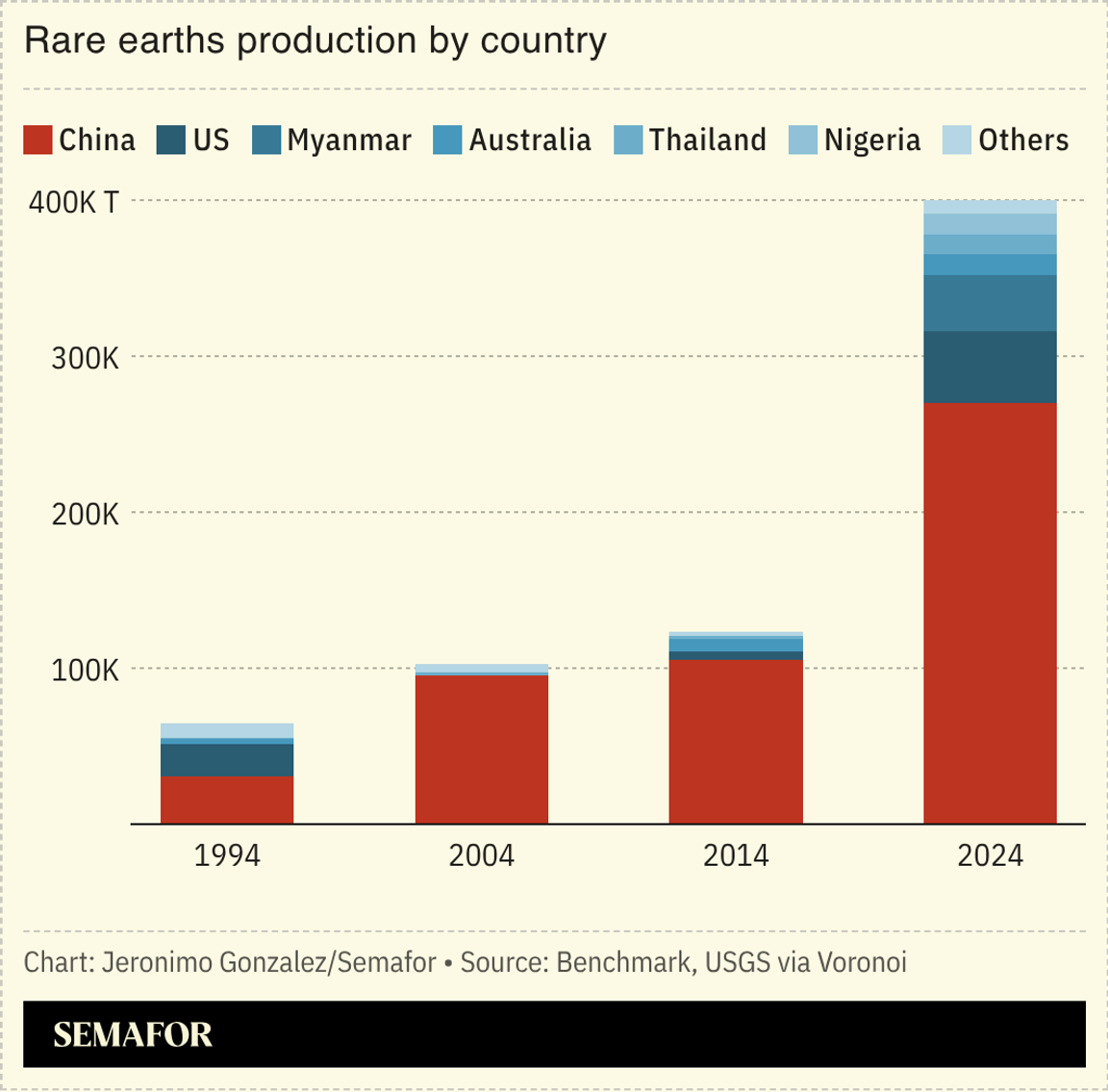 The US International Development Finance Corporation is stepping in to fund rare earths production in Africa as private investors remain reluctant to finance the sector, a key battleground in Washington’s competition with China. The US has been scrambling to diversify its import of rare earths — vital for tech and defense — the majority of which are produced in China. Beijing threatened to impose an export ban last year, sending a shudder across US industry. While Africa holds some of the largest deposits, many are in countries that lack adequate infrastructure, compounding investors’ worries on top of fears that Chinese intervention could subvert project economics, Reuters reported. “We’re trying to help projects reach a more de-risked stage,” a DFC official said. |
|
Evergrande head jailed for life |
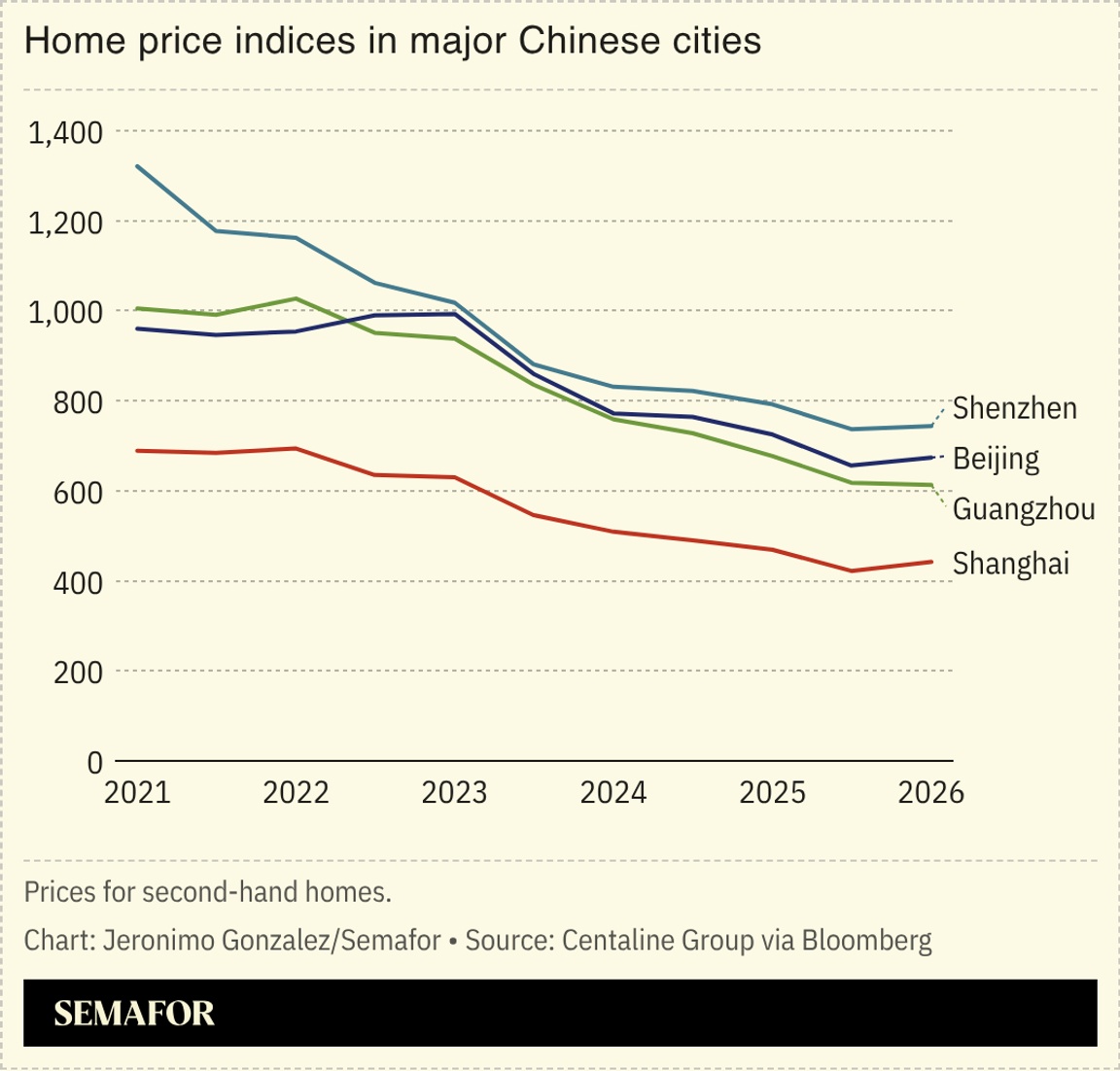 The founder of China Evergrande Group — the real estate firm whose collapse upended the world’s second-biggest economy — was sentenced to life in prison for charges including fraud. Evergrande came to symbolize the highs and lows of China’s giant property sector: It was once the country’s biggest developer, but its debt-fueled strategy went awry. The company defaulted on most of its $300 billion in borrowing, and was delisted from the Hong Kong stock exchange last year. The long-term consequences of the broader real estate bust are still being felt, with average new home prices falling faster last month than previously, and unsold new homes and resale listings close to record highs, according to analysts at the research firm Trivium. For more on China’s trade deals, |
|
|
|


