Jack's Flight Club ✈️ Travel News & Inspiration
|
|
|
Hey there, Travellers,
This week, Airbnb shared some research about this year's autumnal travel trends in the US market, and honestly, they're pretty wholesome.
First up, we've got weekend trips leading over longer getaways. We're talking countryside escapes, mountain cabins, fall foliage, etc. Weekend breaks aren't exactly a novel idea, but it's a change in pace from people taking advantage of shoulder-season bargains further afield - likely because there are fewer to be found in this age of high jet fuel prices.
Next in the trends comes "lore tripping." That's just a fancy way of saying folks are leaning back towards visiting interesting spots with a fascinating history over that Instagram-perfect view. Phew!
To add to that US-heavy list, I'd offer up European oddities like seeing (or tasting?) the world's oldest grapevine in Maribor, Slovenia, counting statues in Skopje, North Macedonia, or taking in the quirk and colour of Portmeirion, Wales. In the case of the latter, I'd recommend you don't watch The Prisoner before heading off...
The final trend of the season is set to be "groundhopping," where visitors head straight for famous sporting grounds, arenas, and venues when they arrive. Luckily, that one's easy to combine with 2024's "gig-tripping" movement and also gives you a good excuse to go to more away games. Win-win!
So, where are you going on your autumn travels? Will it be home or away, quirky or cozy, musical or sportsy? Let us know in the comments, we'd love to hear all about it!
Happy travels and safe landings, |
|
|
|
|
Katy - Editor of The Detour |
|
|
|
Bigfoot County, California: True Legends of the Redwood Curtain
|
|
Jake is a New Englander living in the woods of Northern California. When he's not traveling the world or hunting down deals for JFC, he's at home watching old movies. His cat edits all his articles. |
|
|
|
A man takes the stage.
He’s dressed for the summer heat: dark shorts, sandals, a t-shirt bearing the American flag. His thick black eyebrows stand out against his white hair and mustache. The banner behind him reads "WILLOW CREEK BIGFOOT DAZE" and, in smaller letters underneath, "Bigfoot Calling Contest."
He steps up to the microphone, takes a deep breath, and makes a noise unreplicable in writing. It’s a single, unbroken hoot, loud and clear, starting at a low register and climbing steadily for at least six full seconds. As the audience holds their applause, he caps this display of breath control with a shrill, catlike hiss.
The crowd goes wild, and I catch the unmistakable scent of high-quality sativa drifting through the pavilion.
Welcome to Humboldt County. |
|
|
|
|
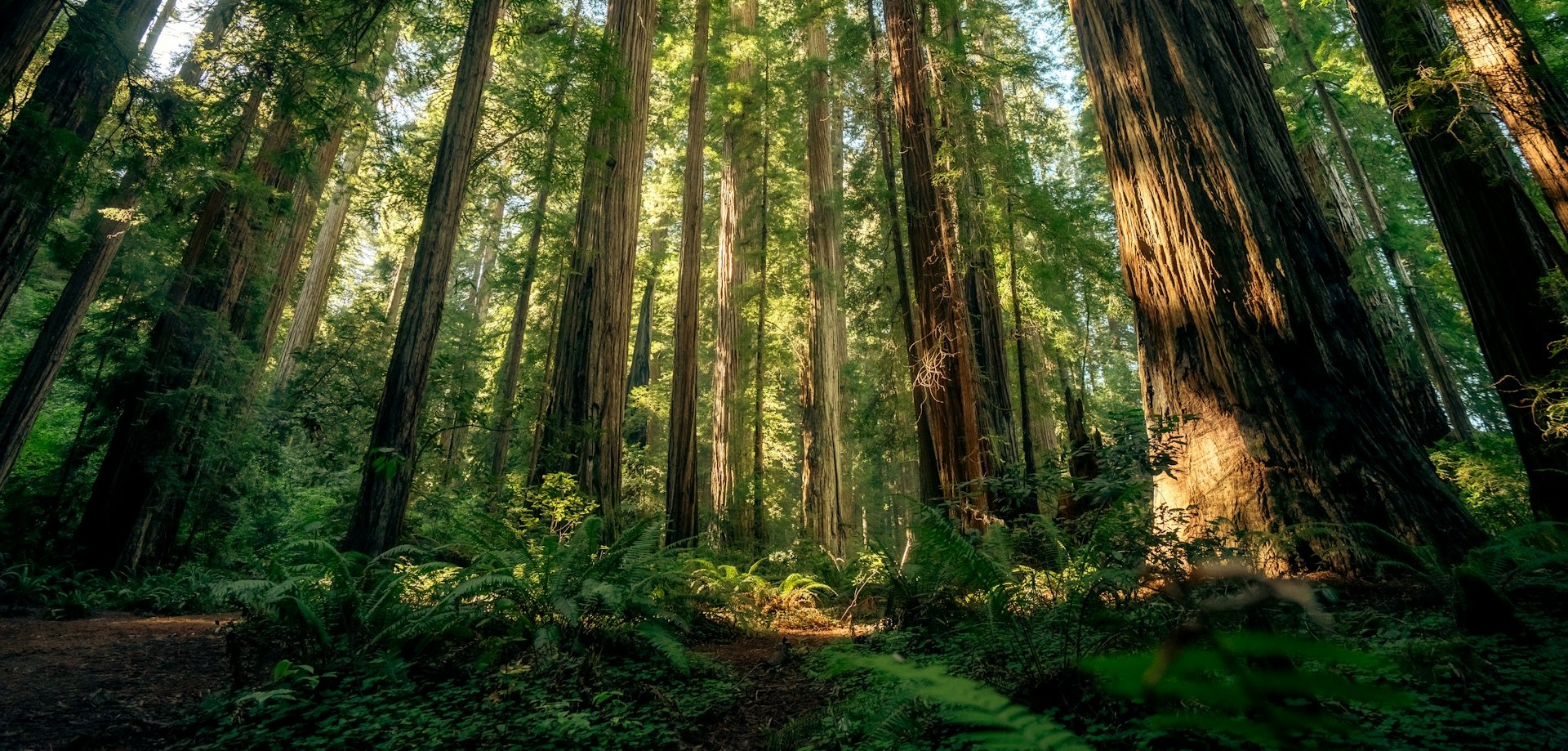
This place has always been a little… out there. Isolated in the redwood forests of Northern California, Humboldt's early mining and logging communities developed a reputation for rugged individualism that prevails to this day. In the 1970s, a post-hippie migration from San Francisco further shifted the local culture, infusing the existing blue-collar recalcitrance with a crunchier, more spiritual flavor (and kickstarting its now-famous cannabis industry).
It’s the kind of place where a DJ named lizzerd kween reads tarot live on air, and you don’t look twice at a man walking a turkey on a leash.
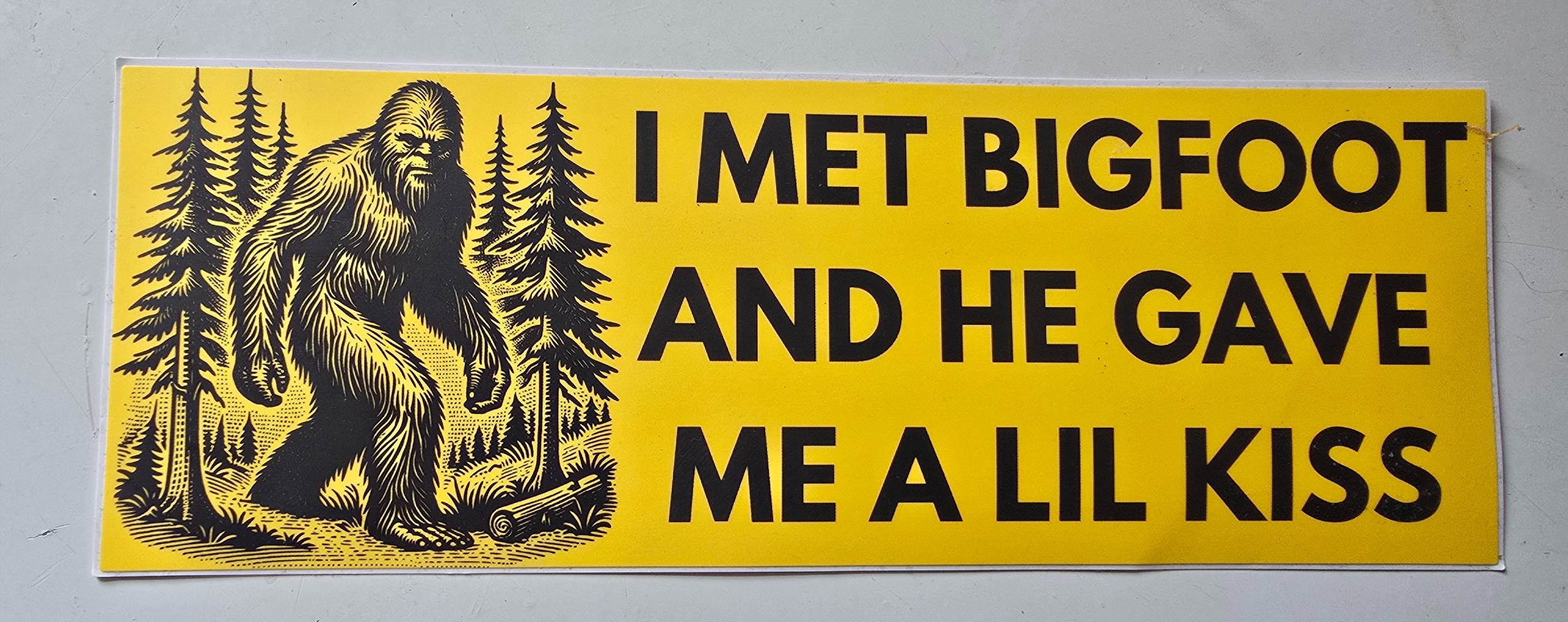
This vast, sparsely inhabited forest dotted with hippie enclaves is the perfect environment to birth a legend like Bigfoot. Sometimes heard, rarely seen, and only once caught on film, he’s become an enduring symbol of the community, appearing on signs, t-shirts, and bumper stickers all over the county. But despite supposedly haunting these woods for decades, Bigfoot remains frustratingly elusive. No specimen has ever been captured, no widely accepted evidence brought forward. Even the competitors at the Bigfoot calling contest can’t agree on what he sounds like.
Not bad for a 10-foot-tall humanoid covered in hair.
The contest’s second participant is a young man in his early 20s, possibly a student at the university. He approaches the mic with a barely suppressed smile.
He clears his throat, leans in… and then drops the punchline: “Hey, Bigfoot! C’mere!”
The joke draws a couple of weak chuckles from the crowd but otherwise falls flat, and the young man shrugs before exiting the stage. The host takes over the mic, giving him a slightly disapproving look.
“There’s one every year,” she says. |
|
|
|
|
Indigenous American folklore is bursting with tales of hairy man-apes lurking in the woods, but the modern sasquatch story is a Humboldt original. It began in 1958, when a bulldozer operator named Jerry Crew made a call to the office of the Humboldt Times newspaper. He had discovered something strange at his logging camp in Six Rivers National Forest: 16-inch-long human footprints, sunk deep into the mud.
A reporter found that many of the other loggers had seen similar impressions near the site. “The workers have taken to calling the visitor 'Big Foot' because of the size of the prints,” he wrote, inadvertently coining a soon-to-be-famous handle. “Are the tracks a human hoax? Or, are they actual tracks of a huge but harmless wild-man, traveling through the wilderness?”
The Times article was picked up by the Associated Press the next day, introducing Bigfoot to a curious nation. Reports began to stream in from all over the country, but the most credible originated in Humboldt: the 1959 Bluff Creek tracks, the repeated Orleans sightings between '60 and '63, Al Hodgson’s footprint cast. And finally, seismically, there came the 1967 Patterson-Gimlin film. |
|
|
|
|
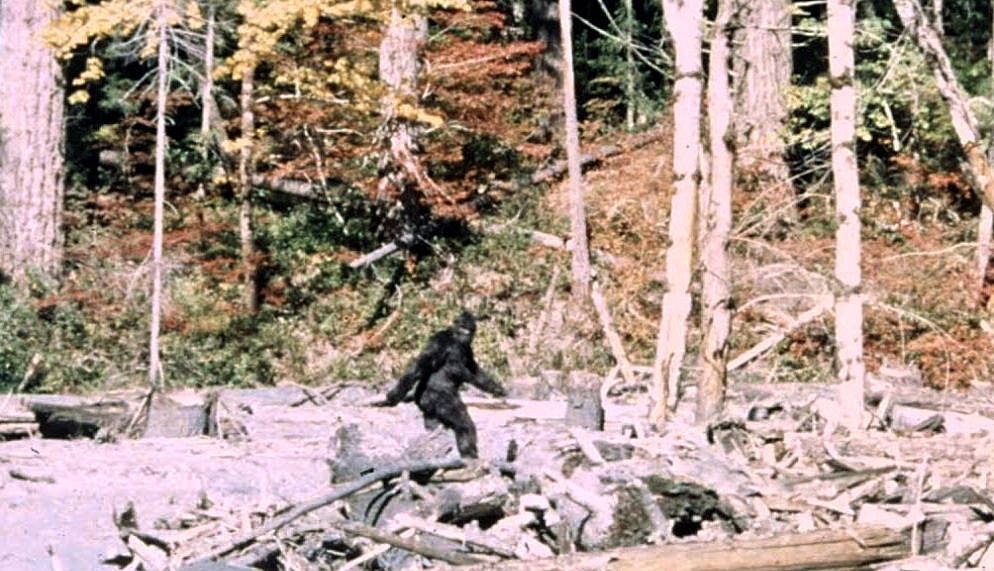
You’ve probably seen bits of this footage, shot by amateur researchers Roger Patterson and Robert Gimlin in the woods outside Willow Creek. Running about 59 seconds long, the film shows a hairy, ambling figure, its arms swinging as it shuffles across a dried-up riverbed. About halfway through, the creature turns to look back at the camera without breaking stride. Patterson would later describe its expression as “contempt and disgust.”
“You know how it is when the umpire tells you, ‘One more word and you're out of the game,’” he told one journalist. “That's the way it felt.”
The film remains the most plausible piece of evidence supporting Bigfoot’s existence. It’s never been properly disproven, and I have to admit, there’s something compelling about it. The footage doesn’t convince me, not really, but watching it does activate some especially credulous corner of my brain. What if, a voice says. What if it were true?
Can I really say it’s not?
After five competitors, the Bigfoot calling contest draws to a close. The man in the American flag shirt is crowned champion, while the jokester comes fourth, beating only a small child who was too nervous to step on stage.
Keep reading... |
|
|
|
Passport to the Parks: Hawaiʻi Volcanoes National Park
|
|
A San Diego native, Olivia left home three years ago to live on the road. Since then, she's had homebases everywhere from Quebec to England to New Orleans, but she always ends up back on the West Coast. When she's not hiking through the desert or the woods, she can usually be found exploring her current city and scoping out the best bars and coffee shops. |
|
|
|
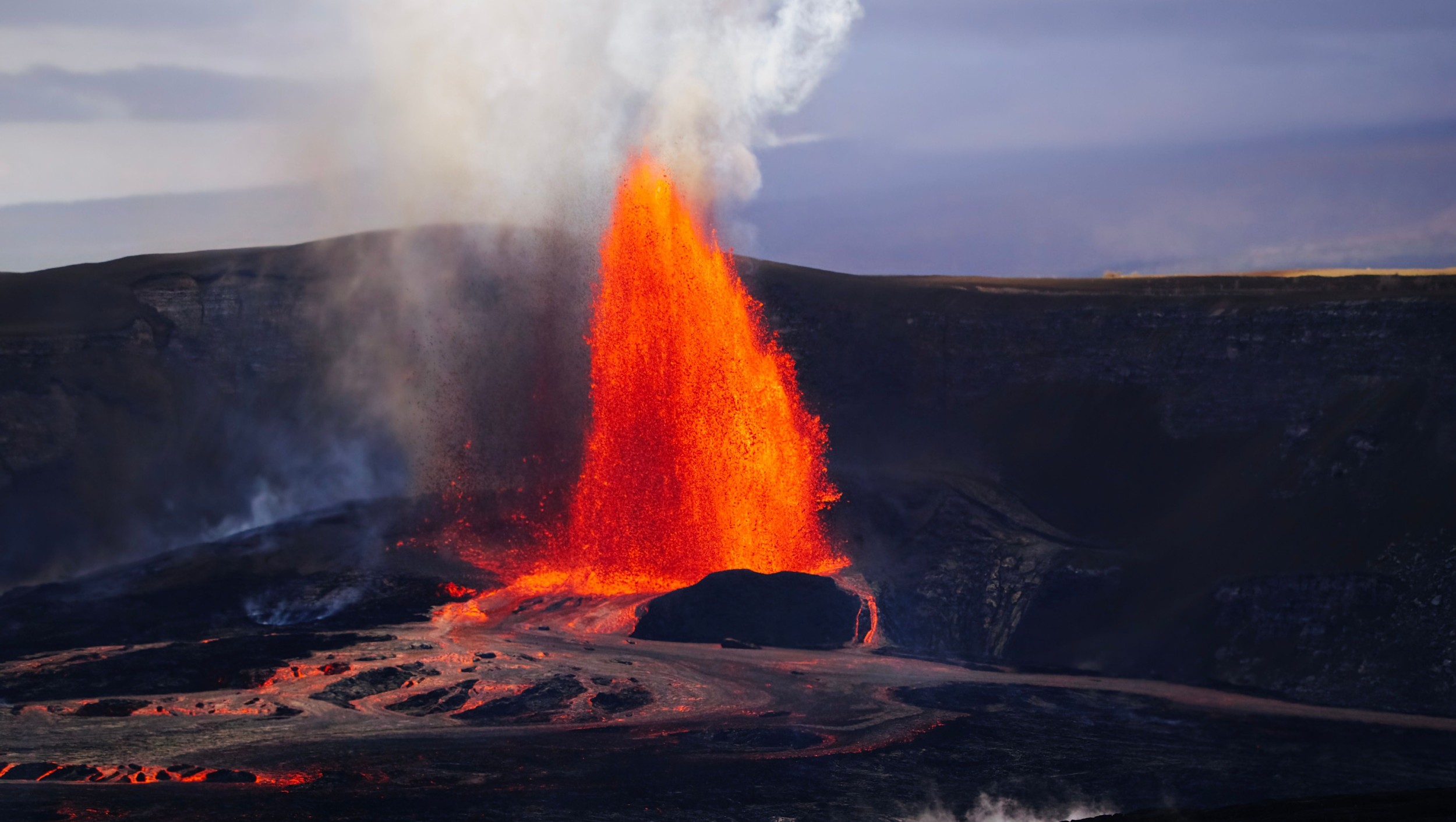
Since the first US National Park was established in 1872, sixty-two others have popped up around the country. Each one does things a little differently, and this series is our chance to break them down. Today, we’re heading out into the Pacific to visit a lava-filled, rainforested, island park: Meet Hawaiʻi Volcanoes! |
|
|
|
|
One of just two national parks in Hawaii, the goal of Volcanoes is to preserve not only the land itself, but also the indigenous culture connected to it. It’s pretty jam-packed with experiences, so let’s dive right in…
Quick Facts about Hawaiʻi Volcanoes National Park:
- Established: 1916
- Size: 554 square miles (1,434 km²)
- Location: The Big Island of Hawaiʻi
- Nearby towns: The tiny town of Volcano is right outside the park, but you’ll find more services in Hilo or Pāhoa (about 45 minutes drive from the park)
- Closest airports: Hilo (ITO) is closest at 45 minutes away, but the island’s other main airport (Kailua-Kona or KOA) is only a couple of hours away.
- Best time to visit: Spring or fall
- Biggest highlight: Massive, wildly active volcanoes!
While the Big Island was formed by six volcanoes, only two record-breakers are part of the park: Kīlauea and Mauna Loa. The former is the most active volcano in the world, and the latter is the largest active volcano in the world.
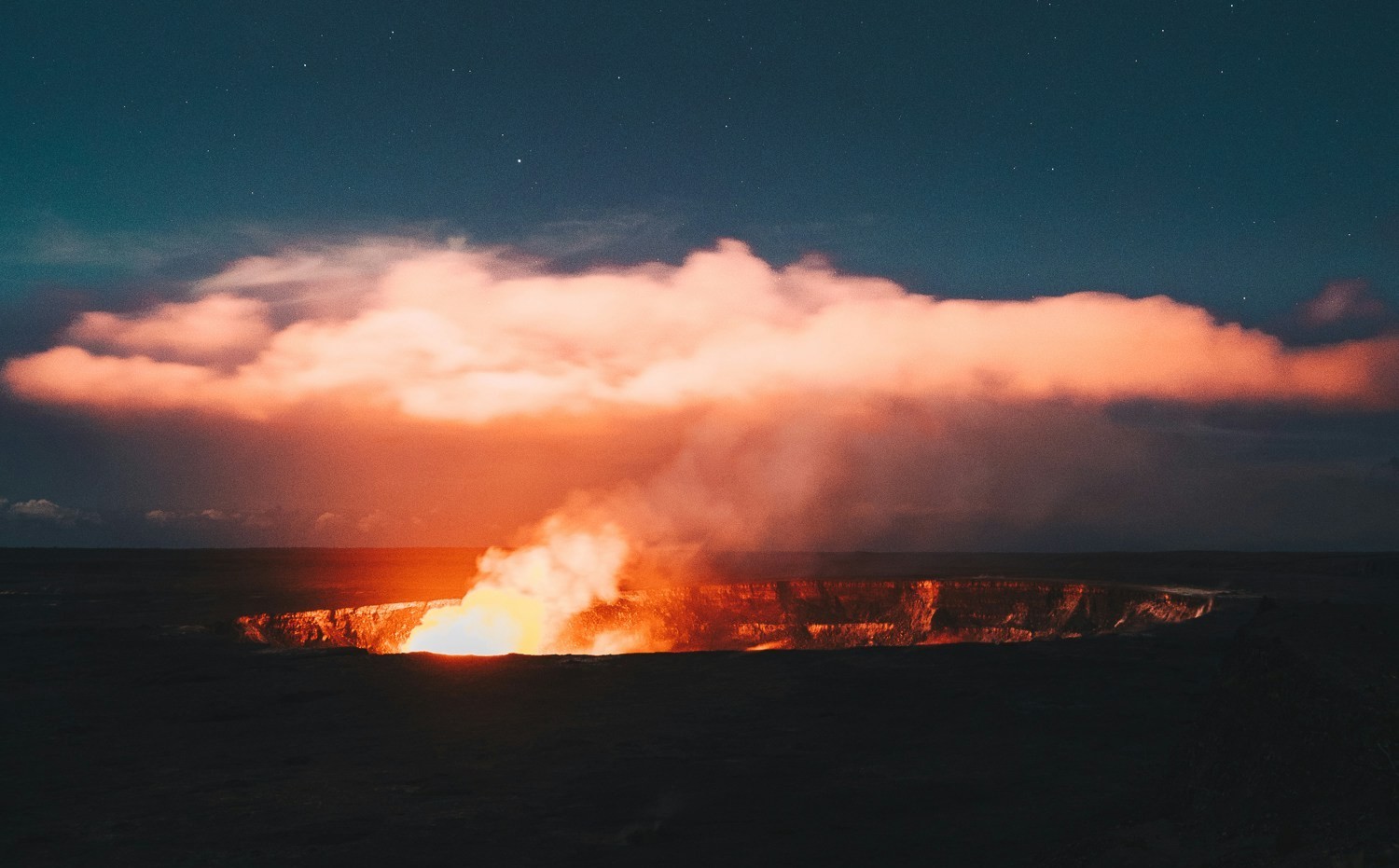
Bubbly and volatile, hyperactive Kīlauea has been erupting on and off since December 2024. Trying to catch it in action is one of the most popular things to do at Hawaiʻi Volcanoes, and visitors can get updates on geological activity to see when it’s likely to blow again. You can even tune into a livestream from home! |
|
|
|
|
Most folks aren’t lucky enough to catch an actual lava explosion, but you can still head up to the overlook at dusk to see the dangerous red glow emanating from Halemaʻumaʻu Crater. According to Hawaiian legend, the volcanic goddess Pele made her home beneath it after creating much of Hawaii’s landscape in a mad dash.
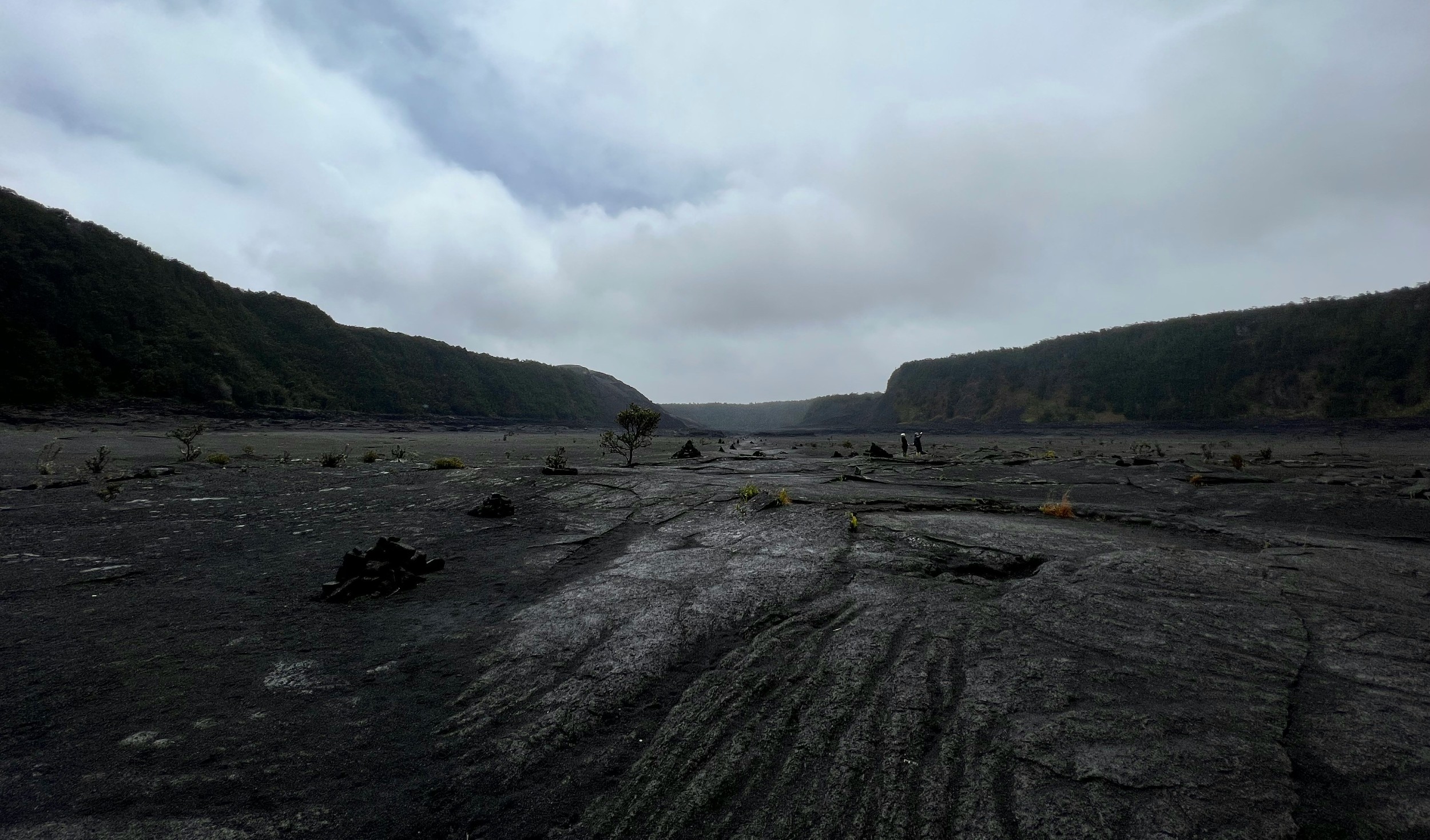
The volcano’s past has left quite a mark on the landscape too. One of the park’s most popular trails is Kīlauea Iki, which guides you across a wide open plain left by a previous eruption. A few decades ago, it was a sea of lava, but now it’s an eerily desolate gray field surrounded by rainforest. |
|
|
|
|
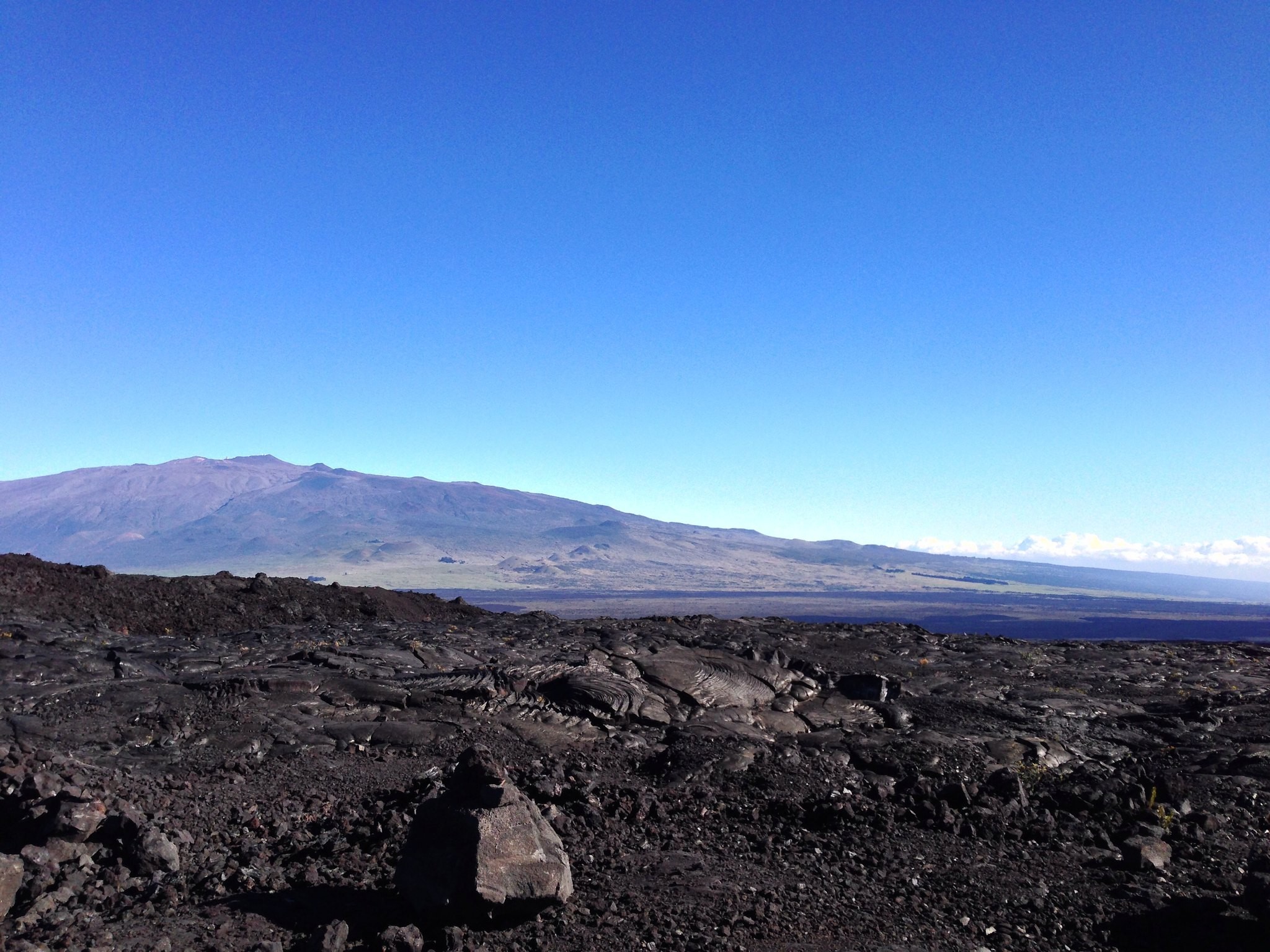
Massive Mauna Loa is much more unforgiving. It was even enough to intimidate a goddess — when Pele’s sister Nāmakaokahaʻi saw the magnificent, apocalyptic eruption of Mauna Loa, she knew Pele could never be defeated. Measured from its actual base on the bottom of the ocean, this is the tallest mountain on earth.
The intimidating giant only offers challenging backcountry hikes. The shortest paths are in the 12-15 mile range and involve high altitudes, major elevation changes, and rough terrain, but the rewards are pretty sweet. You’ll be on the side of an active Hawaiian volcano, miles above sea level, so far off the tourist track that you may not pass another person for days. |
|
|
|
|
“Climbing Mauna Loa” by Jon Roig, CC BY 2.0
Of course, if you’d like to catch views of Mauna Loa without clambering over lava boulders, you can also opt for the scenic drive instead.
There are even more volcanic formations to see under the surface of the earth. Long-gone eruptions have formed lava tubes under much of the island, ranging from the cavernous Kazumura (deeper underground than the Burj Khalifa is tall, only accessible with a tour group outside the park) to shorter tunnels that visitors can easily walk through on foot.
While they might seem quiet and damp now, these tunnels were carved by lava that was 2,000°F, roughly one-fifth the temperature of the surface of the sun. The environment inside is so ecologically unique and isolated that some individual tunnels have their own endemic species of spiders and crickets.
|
|
|
|
|
|
|
|