From the Wachenheim Center for Peace and Security
August 31, 2026
|
|
| |
 |
By Paul B. Stares
General John W. Vessey Senior Fellow for Conflict Prevention and Director of the Wachenheim Center for Peace and Security
|
|
|
|
We are living in a time of drastic changes to the international conflict landscape: a new American war in the Middle East; the ongoing war between Russia and Ukraine and the corresponding transformation of European security; rising tensions between the world’s largest powers, including in East Asia; resurgent terrorist violence and atrocity risk across several regions; and many more developments have experts at the Council on Foreign Relations (CFR) reimagining their own roles in pursuing a more secure, peaceful world.
As a major part of that reimagination, CFR established the Wachenheim Center for Peace and Security this year—a more expansive, agile center that advances rigorous research and practical policy recommendations to help the United States prevent, mitigate, and resolve armed conflict, turning good ideas into tangible outcomes for a safer world. Along with the new center, I am proud to announce the relaunch of this newsletter.
I will be coming to you quarterly with updates on the Wachenheim Center’s newest projects. In this edition, I’d like to highlight a recently released series of Crisis Response Playbooks. An addition to the center’s universe of risk anticipation and management tools, including the long-running series of Contingency Planning Memoranda and Preventive Priorities Surveys, these playbooks are designed to serve as quick-reference guides for policymakers managing the fallout of certain commonly recurring types of foreign policy crises. They provide structured, routinized protocols and action items, so that leaders facing the next challenge will not have to start from a blank slate. The first four playbooks provide support for a set of crucial crisis types: insurgency-related conflicts, coups d’etat and other irregular leadership changes, gray-zone attacks against U.S. allies abroad, and conflict-related disruptions to economic chokepoints.
I will also continue to keep you in the loop on the center’s legacy projects: this fall, the Wachenheim Center is rolling out a new and improved “Global Conflict Tracker” interactive featuring updated visuals and even more information on the world’s ongoing and emerging conflicts. And, of course, keep your eyes peeled this October as I will be asking for your suggestions of what conflicts to include in the 2027 edition of the Preventive Priorities Survey. Thank you for your continued engagement with the Wachenheim Center and with CFR’s peace and security work at large.
Sincerely, Paul B. Stares General John W. Vessey Senior Fellow for Conflict Prevention and Director of the Wachenheim Center for Peace and Security
Council on Foreign Relations |
|
|
|
The United States lacks a rigorous, routinized approach to managing foreign policy crises, according to CFR Senior Fellow for Conflict Prevention and Director of the Wachenheim Center Stares and Jason Ladnier, cofounder of Farafield Strategies and consultant for Spirit of America. CFR has developed a set of Crisis Response Playbooks and a Crisis Management Checklist to serve as quick-reference guides for policy planners during the immediate pre-crisis and active crisis phases. The playbooks are designed to support practitioners with structured protocols and provide recommendations for managing recurring types of challenges to peace and security. Read the full article and download the Crisis Management Checklist
|
|
|
|
Insurgency-related conflicts often start without warning and can last over a decade, making the pre-crisis and early crisis phases crucial for U.S. policymakers seeking to protect U.S. personnel and assets and prevent national security threats and humanitarian disasters from emerging as conflicts unfold. Effective responses require policymakers to draw on a complex set of legal authorities, international frameworks, and past lessons, and to sustain local and political support. Visiting Professor of the Practice and Global Policy Fellow at the Keough School of Global Affairs at the University of Notre Dame Peter J. Quaranto lays out response options. Read the playbook
|
|
|
|
When a coup, leadership succession battle, or other irregular transfer of power occurs abroad, U.S. policymakers have little time to formulate, communicate, and execute a response strategy. Policy planners should prepare for the unexpected, set clear objectives, and emphasize interagency coordination to protect the United States’ ability to counter terrorism, check the influence of major-power adversaries, and maintain diplomatic and economic relationships. Cecily Brewer, the director of research and operations for CFR’s Future of American Strategy Initiative, outlines how the United States should manage leadership crises abroad. Explore the playbook
|
|
|
|
Responding effectively to hybrid warfare attacks against U.S. allies and partners is a growing challenge for policymakers. When an aggressor designs an attack to deliberately obscure their identity and avoid triggering a military response, selecting an approach and securing domestic and international support becomes uniquely difficult. The United States should develop a range of policy options to protect its treaty commitments, deterrence credibility, and commercial interests, avoiding the risks associated with inaction, according to F. David Diaz, principal for geopolitical risk management and executive advisory at Signal Hill Advisors. Read the full playbook
|
|
|
|
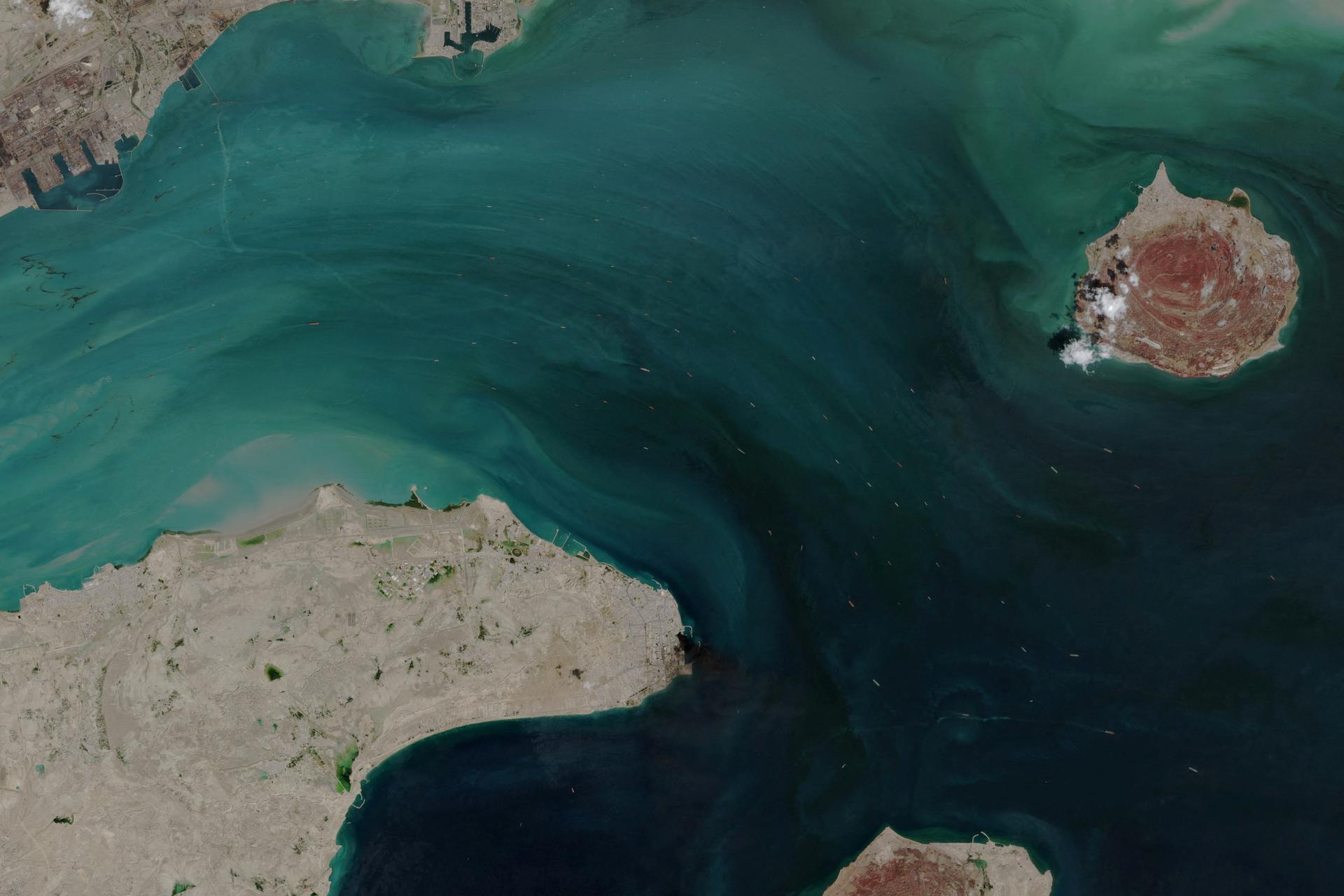
When armed conflict disrupts one of the world’s most critical maritime trade routes, the United States needs to decide how to respond to protect its security and global economic interests. Whether Washington elects to monitor, contain, or escalate the situation, employing economic and military coercive action, policymakers have a range of resources and options available to them. Ladnier lays out those resources and options for response. Explore the playbook
|
|
|
|
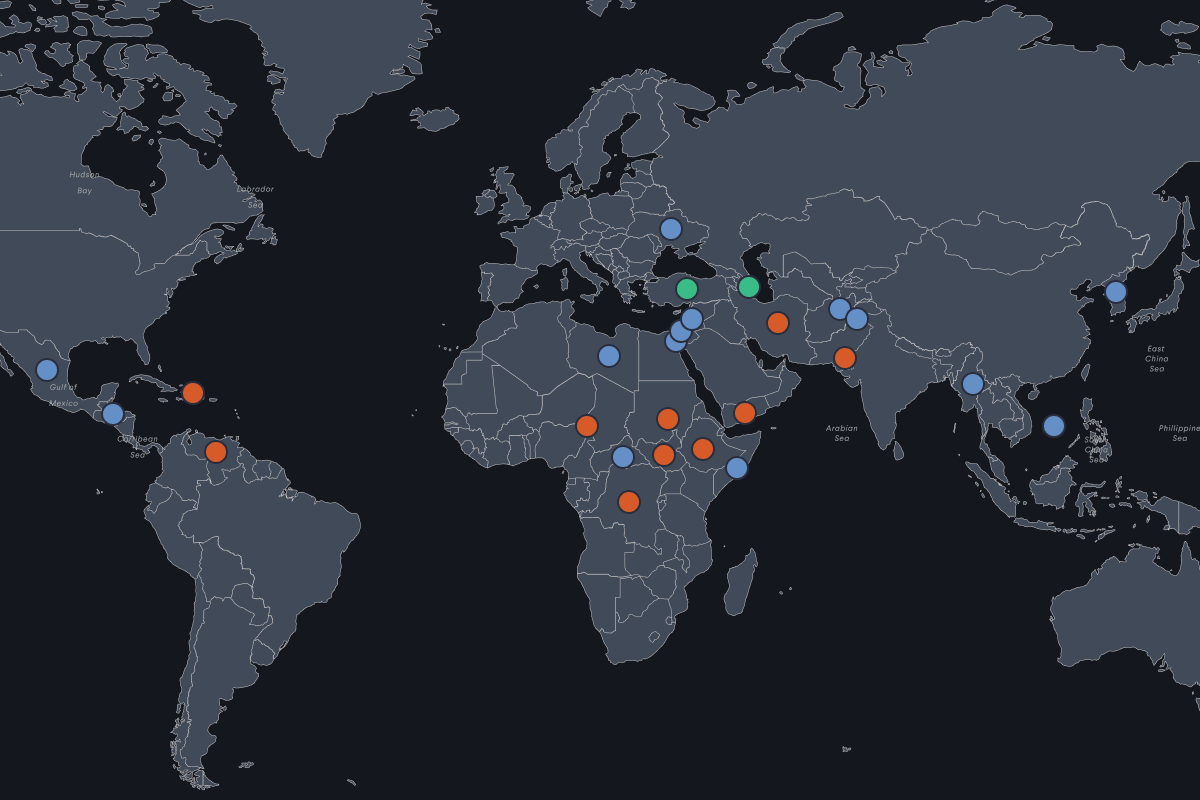
In an increasingly violent world, the Wachenheim Center’s interactive conflict tracker provides critical background and routine updates on developments in twenty-seven ongoing and emerging flashpoints. Readers can monitor the war with Iran, criminal violence in Mexico, territorial disputes in the South China Sea, and many others. Check out CFR’s newly re-designed “Global Conflict Tracker”
|
|
|
|
As the credibility of U.S. security guarantees erodes, Ukraine is becoming the linchpin of European defense, according to Stares and Liana Fix, CFR senior fellow for Europe. A crisis scenario exercise led by CFR involving European security scholars and officials, set in 2029, revealed the importance of Ukraine: in the event of U.S. retreat from NATO commitments, Russia would likely escalate conventional attacks and nuclear threats against European nations. The Europeans in the exercise rejected U.S. pressure to negotiate with Russia, instead turning to Ukraine to provide a launchpad for counterattacks. Read the article
|
|
|
|
About the Wachenheim Center for Peace and Security |
The Wachenheim Center for Peace and Security aims to help the United States navigate the dangers of a more turbulent and conflict-prone world. Building on CFR’s century-long commitment to informed U.S. engagement in the world, the center produces rigorous, forward-looking research and practical policy recommendations aimed at preventing and managing armed conflict. It pursues this mission in three core areas: preventing major power war, reimagining international conflict management, and supporting peace efforts in conflict-affected regions. The center convenes expert dialogues, conducts simulations and contingency planning, and develops practical institutional recommendations designed to equip policymakers with the tools they need to prevent, mitigate, and resolve conflict. In all its work, the Wachenheim Center emphasizes strategies that are realistic and actionable, with a clear focus on translating research and ideas into meaningful impact for those threatened or afflicted by armed conflict.
|
|
|
|
Paul B. Stares General John W. Vessey Senior Fellow for Conflict Prevention and Director of the Wachenheim Center for Peace and Security |
Natalie Caloca Assistant Director, Wachenheim Center for Peace and Security |
|
| Molly Carlough Assistant Director, Wachenheim Center for Peace and Security |
Abi McGowan Global Conflict Analyst, Wachenheim Center for Peace and Security |
|
|
|
Photos:
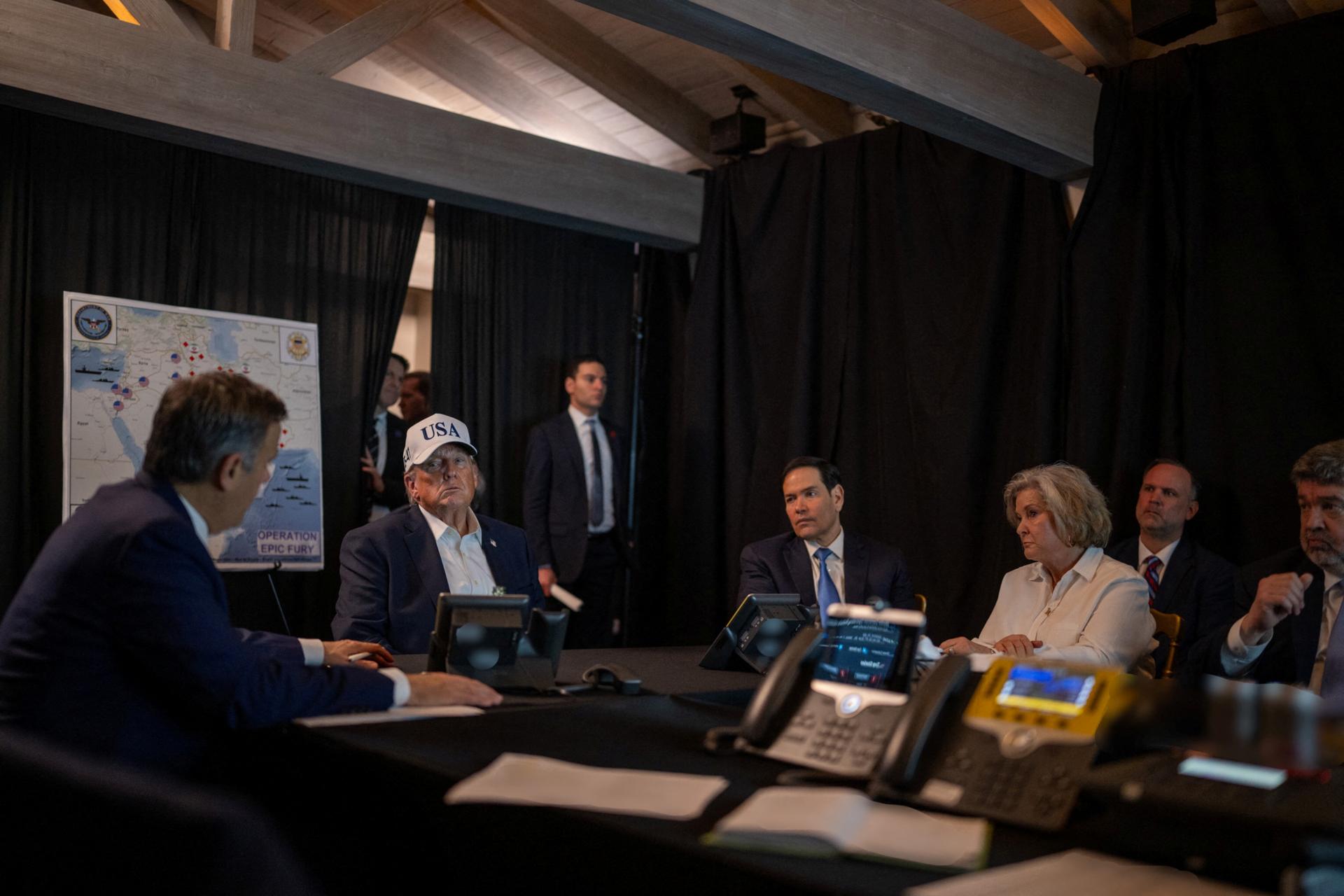
U.S. President Donald Trump speaks with CIA Director John Ratcliffe, White House Chief of Staff Susie Wiles, and Secretary of State Marco Rubio at the Mar-a-Lago resort in Palm Beach, Florida, on February 28, 2026. White House/Reuters
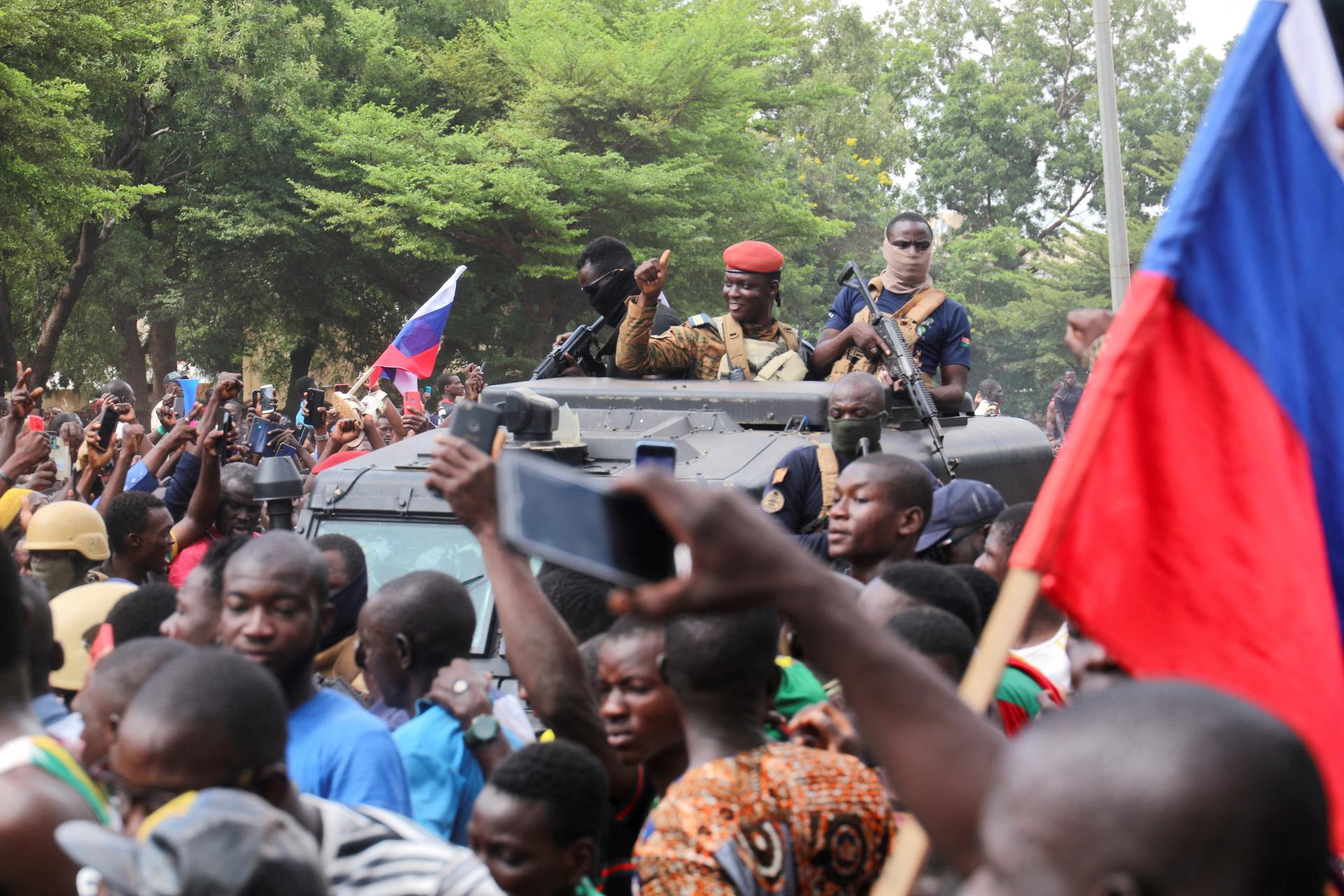
Burkina Faso’s self-declared leader, Ibrahim Traore, is surrounded by supporters holding Russian flags in Ouagadougou, Burkina Faso, on October 2, 2022. Vincent Bado/Reuters A satellite image shows ship movement in the Strait of Hormuz on April 2, 2026. European Union Copernicus Sentinel-2/Reuters |
|
|
|
58 East 68th Street, New York, NY 10065 |
1777 F Street, NW, Washington, DC 20006 |
|
|
| |