
|
 |



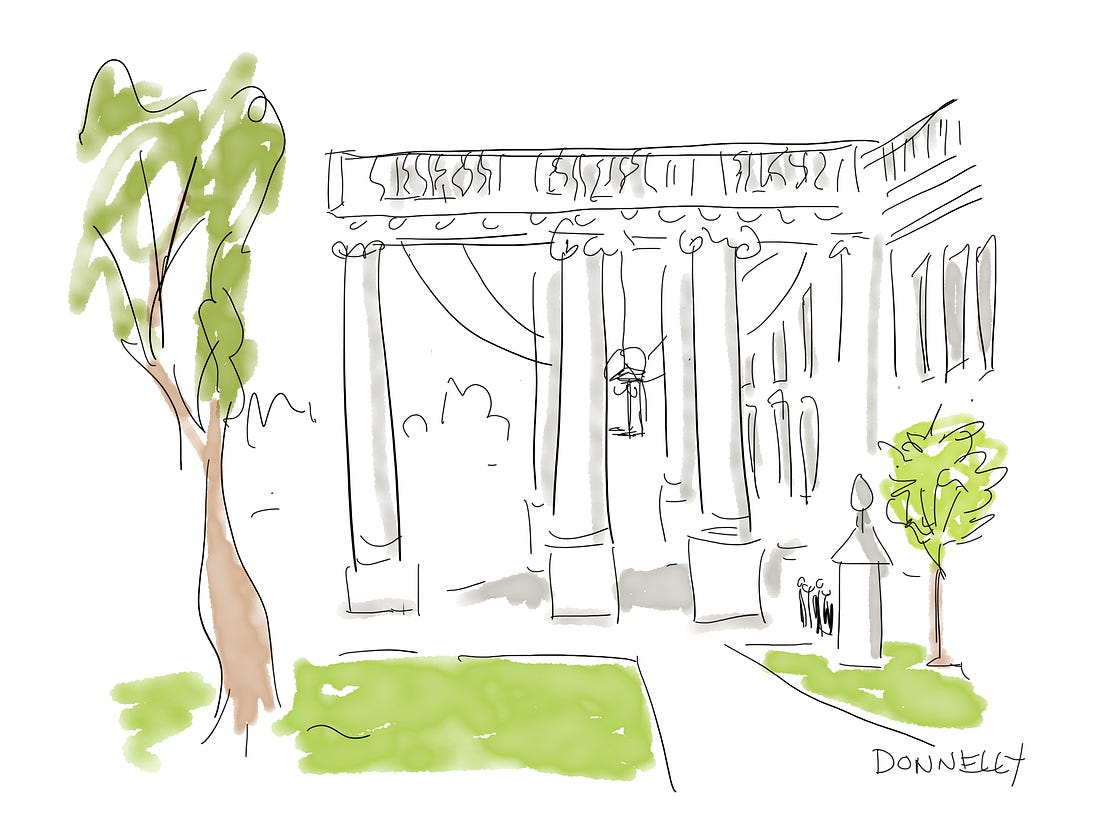 |
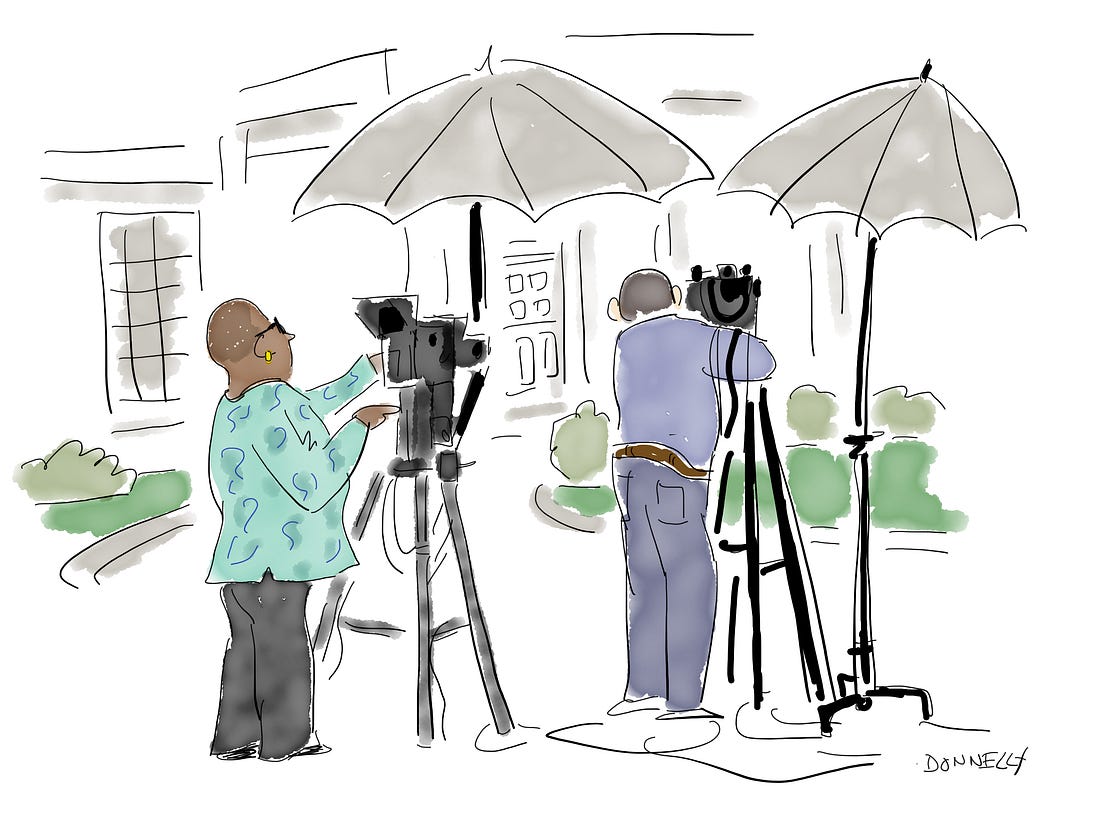
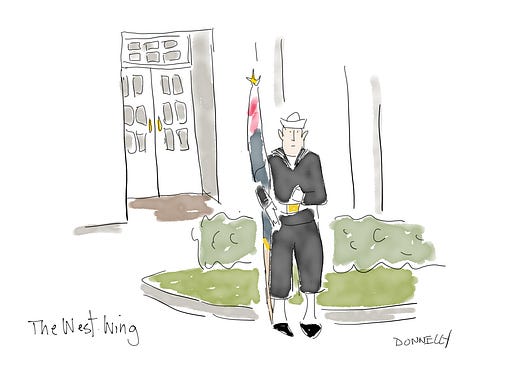
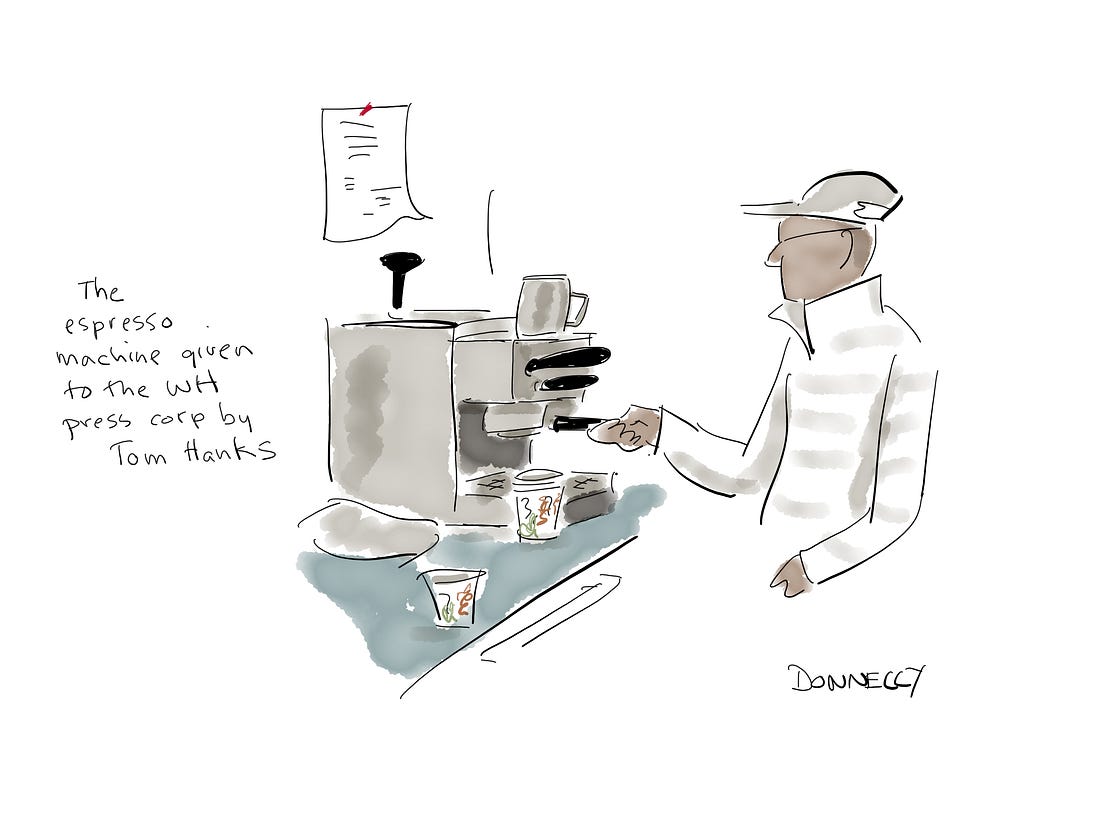
Above, and throughout this post, are some live-drawings I did when I was sent to the White House by CBS News in 2019 to cover a press conference. I ended up hanging out with camera people all day and then going to a presser in the WH with Trump and the Italian Prime Minister. It was fascinating to be there.
From NYTimes: A report detailed “grave concerns” that a new system being rushed into use by the U.S. Postal Service could imperil millions of mail ballots ahead of the midterm elections.
In a 5-4 ruling yesterday, the Supreme Court has let Trump continue building the (stupid, expensive) ballroom. The court said the preservationists who challenged the construction of the ballroom “did not have legal grounds to bring their lawsuit because they were not directly harmed by the project. Halting the project now would probably require a fresh lawsuit from an individual or group with standing, such as Congress.” That won’t happen while the GOP controls the House.
Chief Justice Roberts and the court’s three liberal justices said in their dissent that construction was “likely unlawful.” The White House is “an iconic American building whose symbolism and history are wrapped up in its architecture,” the chief justice wrote in a lengthy dissent that quoted from Winston Churchill and Theodore Roosevelt. “All the more reason to ensure that those responsible follow the rules in deciding what to tear down and what to build up at the People’s House.”
Shall we tear down the ballroom as soon as possible, is that lawful?
 |
Republican legislators are at fault for so much during these Trump Times.
 |
Aaron Parnass reports that on the House floor yesterday, Rep Massie read some names from the Epstein Files out loud. He is seeking to collect the 218 signatures needed for a discharge petition forcing a vote on the Epstein Files Transparency Act II. It’s been a year since Trump signed the original EFTA, yet the government still withholds over three million files, hence the new bill.
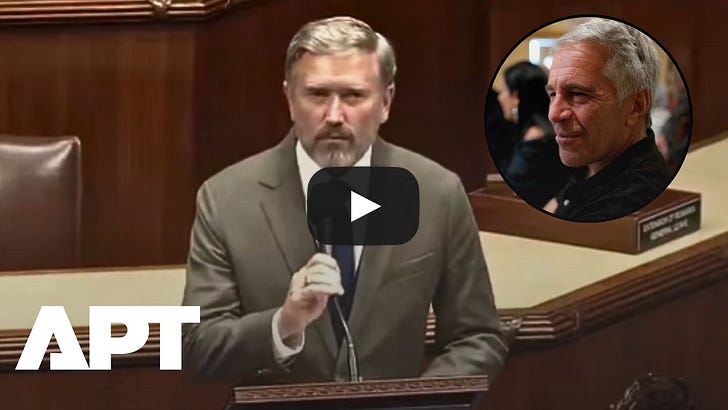
The new bill is “meant to fix what advocates call the original law’s toothless enforcement. It would let state attorneys general, local DAs, survivors, and members of Congress sue the Justice Department directly if it fails to release required files, grant survivors full unredacted access to records concerning themselves (including FBI interview transcripts), and impose existing federal criminal penalties on DOJ and FBI officials who knowingly conceal, destroy, or falsify records. Legal experts like attorney Oleg Nekritin called the framework a potential “gamechanger” for state-level investigations, while others cautioned the bill still faces a steep climb, needing House passage, 60 votes in the Senate, and ultimately Trump’s signature.”
 |