The future hasn’t been getting much good press lately. Most conversations about what comes next for us humans quickly drift toward the dark side. Artificial intelligence will take all the jobs. Algorithms will trap us in smaller and smaller echo chambers. Machines will outthink us, outwork us and maybe, if you believe the more dramatic versions, eventually outsmart us into irrelevance.
But there is another way to think about the future. A way that is less about fear and more about possibility. Less about what might be lost and more about what might be built. Less about surrendering to technology and more about asking how human creativity, science, design and community can come together to make life better.
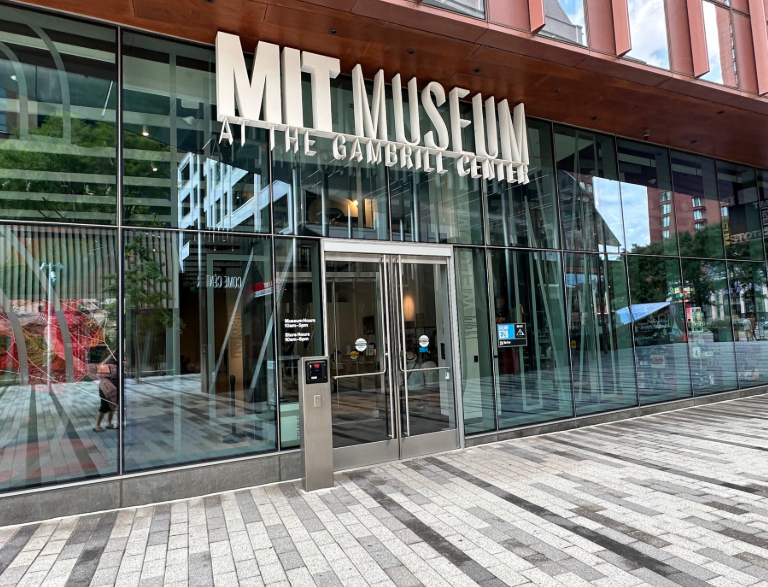
That is the version of the future the MIT Museum is putting front and center with its inaugural MIT Future Fest, a five-day celebration from Sept. 30 through Oct. 4 across the MIT Campus. The festival will explore the future of science, technology, art and design.
“MIT Future Fest is an invitation to join an urgent conversation about how curiosity and imagination can change the world, together with the scientists, engineers, designers and artists who are creating the future right here at MIT,” Michael John Gorman, The Mark R. Epstein (Class of 1963), director of the MIT Museum, said.
The MIT Museum is a sponsor for our MassLive 25 Most Influential Innovators list, and it’s where we will celebrate the honorees from 8 to 10:30 a.m. Sept. 15, with special guests such as Eric Paley, Secretary of the Executive Office of Economic Development for Massachusetts. Please email me at jmacht@masslive.com if you want to attend, although space is limited.
Don’t miss MIT Future Fest. More details about the program are available here. Use exclusive code MASSFUTURES when registering for an additional 10% discount.
The festival is a collaboration between the MIT Museum, MIT Technology Review and the MIT Morningside Academy for Design, presenting programs that connect art, science, architecture, technology and public life. Its launch coincides with the MIT Museum’s new thematic season on oceans, including exhibitions that use art and science to help us see our ocean planet in new ways.
At a time when it is easy to feel uneasy about the next big thing (whatever it may be), MIT Future Fest offers a more tangible way to understand how we are changing and what it means for society. My thinking is that if we delve into the big questions about tomorrow together, we have a better chance of shaping a brighter future.