+ Bain's sustainability outlook.

See how companies and governments are responding to climate change and social challenges. Subscribe to Reuters.com for $1/week.


Sustainable Switch

Sustainable Switch


By Ross Kerber, U.S. Sustainable Business correspondent

Hello Switch nation: Ross Kerber here for my second stint standing in for Sharon Kimathi who will return next week.

As the world reflects today on the loss of life and the social and political impact of the terror attacks on New York's World Trade Center exactly 25 years ago, it's also worth noting the event's environmental effects. You can read up about the health problems stemming from the toxic cloud left after the towers' collapse in this week's newsletter, below.

For this week I also was able to speak with Bain & Co about their new sustainability report – written for CEOs, but with lessons for the rest of us. Spoiler alert – Bain says to keep an eye on the pace of cleantech investment, about which you'll find some other links below.

Please follow me on LinkedIn or reach me via  ross.kerber@thomsonreuters.com. And don't worry, regular Switch author Sharon Kimathi returns to the task next week.

Also on my radar today:

  • Portuguese group D3 sues Meta, TikTok and YouTube over addictive design
  • Micron's Taiwan workers to get rewards worth up to 68 months of pay
  • Finland risks strained power supply after Google AI deal, opposition warns
  • UK retailers stock charcoal linked to Paraguay deforestation, group says
 

India's Railways Minister Ashwini Vaishnaw waves from the Namo Green Rail, India's first hydrogen-powered train, in Jind, Haryana, India, July 17, 2026. REUTERS/Bhawika Chhabra

Sustaining Sustainable Investments

Sustainability investments reached a record $2.4 trillion last year with 90% of that money going to green energy, buildings and mobility, a new Bain & Co report found, spending that has helped the world avoid worst-case climate change scenarios.

I spoke about the study with Jean-Charles van den Branden, a report co-author and Bain partner based in Brussels. I came away both with some optimism and the realization that slowing global warming will depend much more on the actions of China and India than on the actions of Western countries.

Among the challenges: three sectors – Bain calls them "stranded sectors" – agriculture, manufacturing and materials, and natural capital - received less than 10% of investment while accounting for 37% of global greenhouse emissions.

While renewable energy has offered strong returns, things like alternative proteins, advanced chemical recycling or bio-based plastics haven't paid off as much. Yet. As the report states about another promising-but-not-breakthrough technology, green hydrogen:

"A breakthrough in electrolyzer technology (such as capillary-fed electrolysis) together with access to cheap renewable electricity could unlock competitively priced green hydrogen. This, in turn, would enable a step change in green steel, fertilizers, shipping fuels, and other downstream applications, potentially disrupting whole sectors such as industrials, agriculture, and transport."

Another finding: among 7,500 consumers surveyed, 85% said they worry about environmental sustainability, up from 79% last year. Extreme weather like floods, heatwaves and wildfires continue to drive concerns and have led people to "act sustainably but often don't describe their actions as sustainable," the report states. For instance, they limit home energy use to save money, not the planet. But those varied motivations lead to the same green results.

Bain's van den Branden said what could ultimately determine the outcome will be how quickly less-developed economies transition away from things like coal power, particularly in Asia.

"The swing factor is less in the U.S. or Europe. The swing factor is in India, China, and Southeast Asia. That's where the rate of electrification of things like electric vehicles will really lead us to a 2-degree world versus a 2.5-degree world," he said. (His figures refer to the level of warming expected over pre-industrial levels, expressed on the Centigrade scale.)

Technically, the report is written as recommendations for "Visionary CEOs" but in practice it's a good read for anyone concerned about corporate environmental strategy. A CEO's job, van den Branden said, is to be aware of the trends and to decide where to invest resources as technologies – even lagging ones – start to look more promising, and as severe weather events become more common.


Talking Points


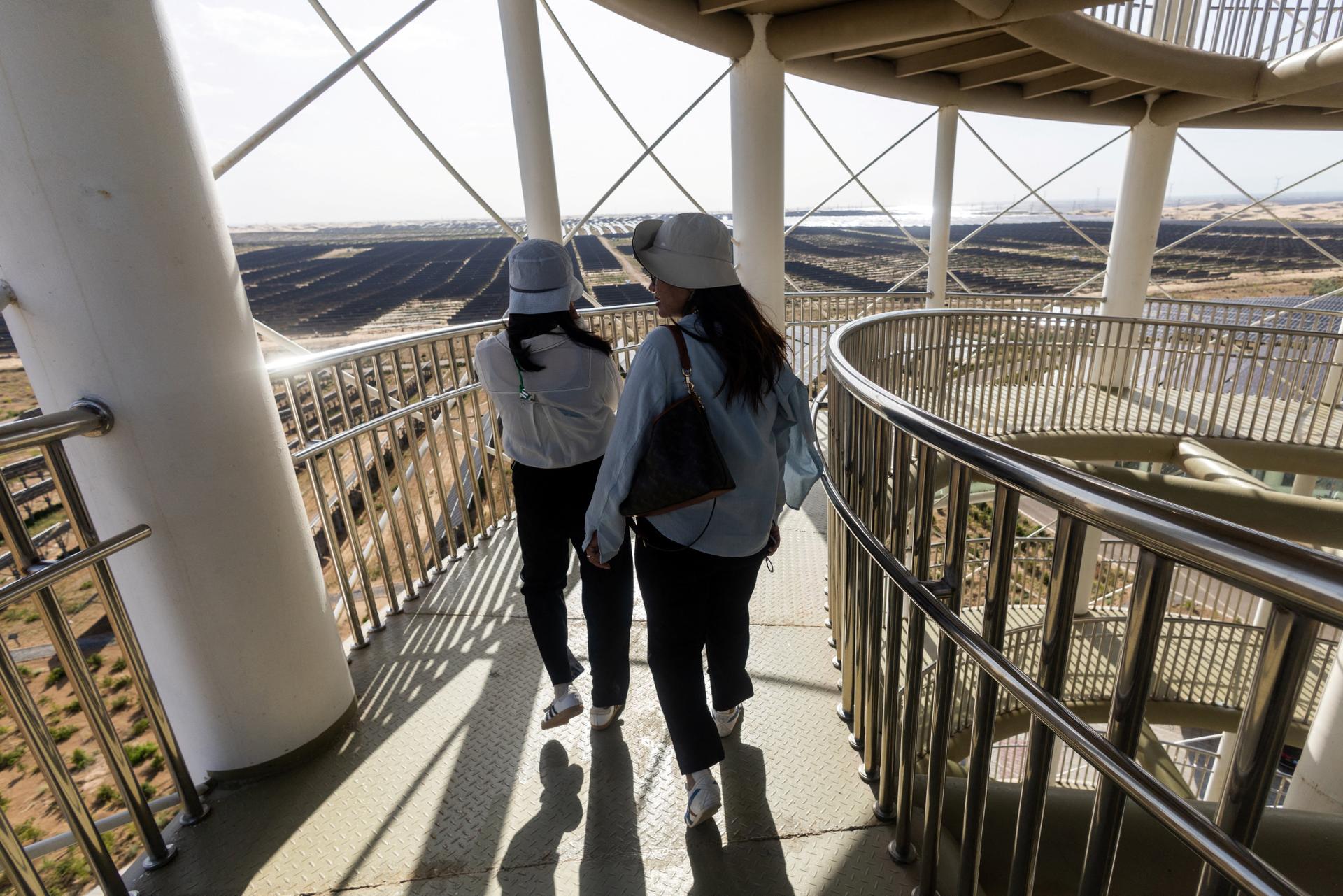
Women walk down a ramp at the Dalad Banner Photovaltic Base in Ordos, Inner Mongolia Autonomous Region, China, June 12, 2026. REUTERS/Maxim Shemetov

  • Cleantech slowdown: Researcher Rhodium Group found global cleantech investment fell 17% to $770 billion in the first half of 2026. A slowdown in China outweighed growth elsewhere, it found. (Per the above, Bain & Co would tell you this is an important finding.)
  • Cleantech boost: Global clean hydrogen spending topped $130 billion, driven by energy-security concerns and industrial needs, a trade group said.
  • Finnish power bills: A big new data center investment by Alphabet's Google in Finland has raised concerns of power shortages and higher energy prices.
  • Coals to Newcastle, 2026 edition: Advocacy group Global Witness said its investigation showed major British retailers are selling barbecue charcoal from trees cleared to create more farmland in Paraguay's subtropical dry forest Gran Chaco. 
 

ESG Lens


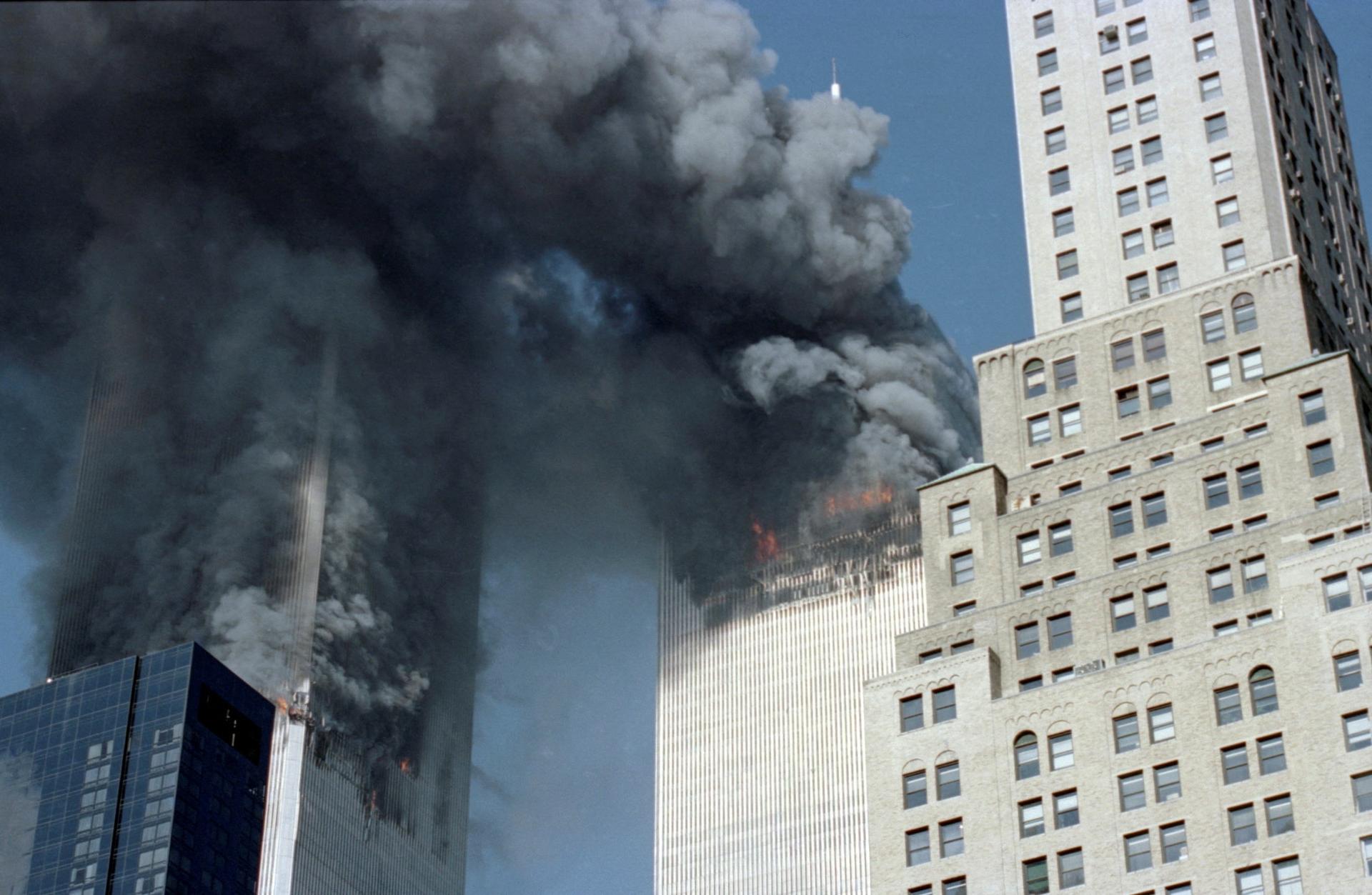
Smoke billows from the North and South Towers of the World Trade Center after they were hit by hijacked planes in New York City, U.S., September 11, 2001. REUTERS/Petra Beter

I was working in Boston on September 11, 2001 – 25 years ago today – far from the massive toxic cloud that spread through lower Manhattan after hijacked planes brought down the World Trade Center's twin towers.

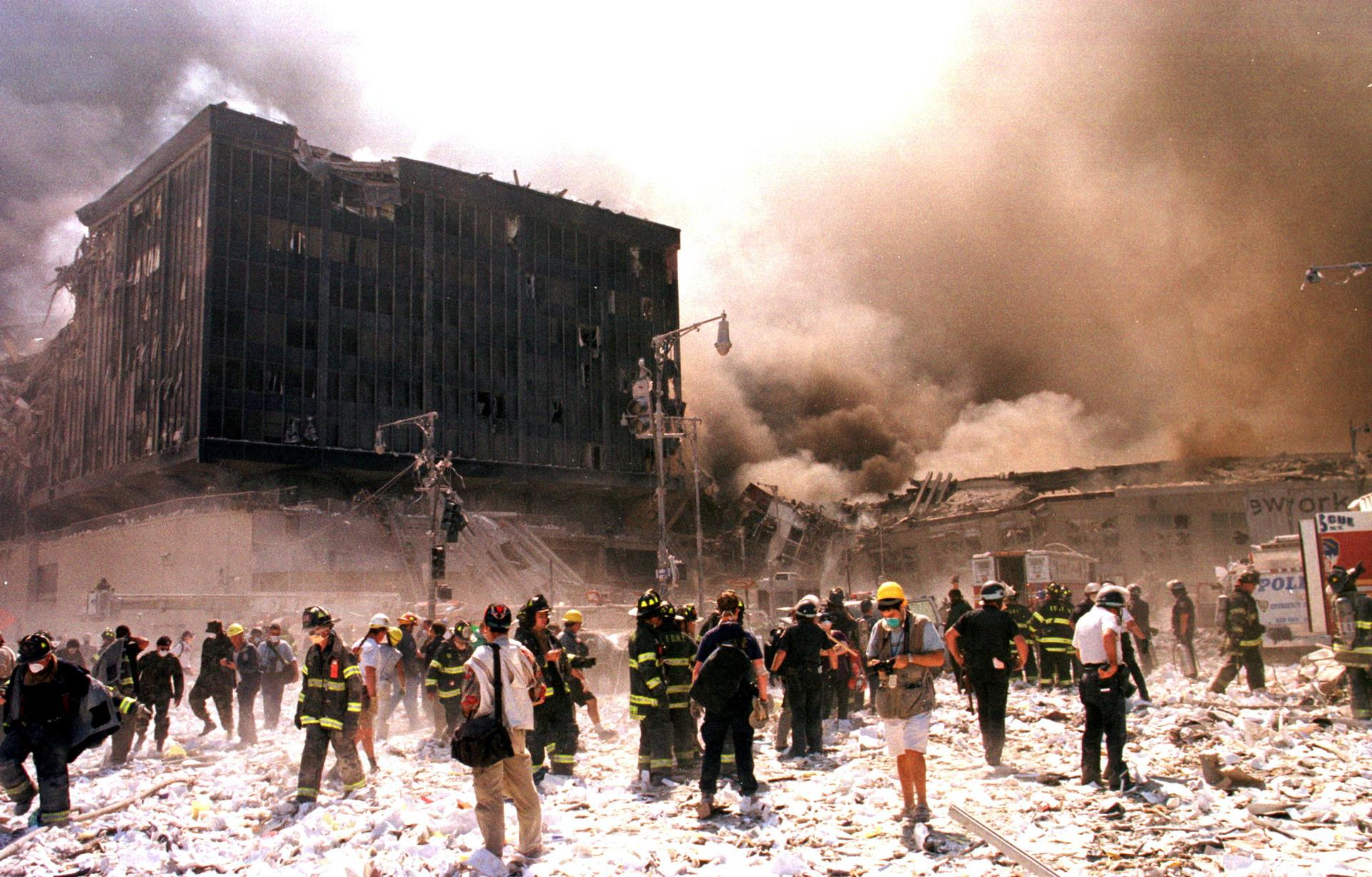
New Yorkers have recounted to me how the dust and smells seemed omnipresent long afterward. Many first responders have been diagnosed with cancer and other devastating illnesses linked to their exposure at Ground Zero, while others have not survived to reach today's anniversary. You can watch our video report on the subject by Reuters video journalist Erica Stapleton by clicking here.

One surprising takeaway to me is her discovery that nobody has a master list of all the deaths related to 9/11. To date, many of the health studies that tracked people exposed to the cloud followed first responders and other adults.

Finally, last month the U.S. Centers for Disease Control and Prevention said it would seek applications from researchers to set up the World Trade Center Youth Research Coordinating Center and identify and track the impacts on a group you might call "the Children of 9/11."

The CDC said study participants will have been 21 years old or younger, or in utero, and living below 14th Street in Manhattan or anywhere in Brooklyn on and after 9/11. A cohort of similarly aged but unexposed individuals will be recruited ‌for ⁠comparison.

Lung specialist Dr. Joan Reibman of NYU Langone Medical Center and founder of the World Trade Center Environmental Health Center said gathering participants will require a great deal of community support.

“These people are spread across the United States right now. They're all older. They may not necessarily want to go back to that period of time," she said. "There's going ⁠to have to be a lot of work with community groups to try to recruit them.”

New York City firefighters and other emergency personnel seen after the World Trade Center buildings collapse September 11, 2001. REUTERS/File Photo


Think your friend or colleague should know about us? Forward this newsletter to them. They can also subscribe here. On that note, here's a link to subscribe to my own weekly newsletter, Reuters Sustainable Finance.