The economy got little airtime in Dallas

Get behind the headlines of Washington politics and its global impact. Subscribe to Reuters.com for $1/week.


Politics U.S.

Politics U.S.


By Tim Reid, National Political Correspondent 

Hello, I'm Tim Reid, a Reuters national political correspondent, covering my 13th midterm election and happy to be writing my inaugural U.S. politics newsletter. This week my colleagues and I followed an unprecedented event: a national Republican Party midterms convention. Most notable about the two-day gathering in Dallas was the subject President Donald Trump and many speakers largely avoided: the cost of living and the U.S. economy, as Trump's record-low approval ratings weigh on his party's chances of keeping control of Congress.


Latest U.S. politics headlines

  • A year after Charlie Kirk's death, Turning Point USA grows but Trump slips with young voters 
  • Analysis: Trump's Iran campaign echoes the post-9/11 'forever wars' 
  • Republicans are making Muslims a campaign issue in the 2026 US midterms 
  • Ash-covered shoes and a president in crisis: A Reuters reporter remembers 9/11 
  • New Mexicans deride Trump's 'New America' idea 
 

Republicans skip inflation talk, paint Democrats as extreme

For the past year Trump's White House aides have been urging him to hit the road and talk to voters about their number one concern: stubbornly high inflation, something the president promised he would fix when he returned to office in 2025. 

In his keynote speech in Dallas on Wednesday, Trump did briefly mention inflation, repeating what he has said in speeches all year – that the term "affordability" was a Democratic "hoax", and that prices were way down since he re-entered the White House, a claim at odds with economic data. 

In his nearly two-hour address, Trump barely acknowledged the strain many Americans say they feel about the cost of living. It has been a constant theme of his public addresses this year and the central problem for Republicans heading into November's vote.

Trump has cast himself as the party's chief economic messenger but his words do not match the daily reality of high grocery and gas prices for American families. As some Republicans told my colleagues Nandita Bose and Nathan Layne in Dallas, they worry about his appeal to voters to make the election a referendum on him. 

The convention speech was not an outlier. In an analysis of Trump's speeches billed as economic addresses that I conducted earlier this year, I found that Trump asserted inflation had been beaten or was greatly reduced almost 20 times and said prices were falling almost 30 times. 

In Dallas Trump did make one extraordinary financial offer to voters: a $5,000 payment to every U.S. adult if Republicans win the midterms, although paying roughly $1.3 trillion into millions of bank accounts would probably increase inflation rather than lower it. 

This week, Trump also pledged to send $500 checks to nearly 1 million Americans he claimed have been overcharged for government-run medical coverage. He and other speakers in Dallas also touted Trump's efforts to lower drug prices, a clear sign Republicans want to highlight the cost of health care as a political issue in the midterms. 

At the Texas convention, Trump spent most of his time riffing on topics unrelated to the economy. Like many other speakers, he also turned his fire on Democrats, accusing them of being dangerously extreme.  

The focus on Democrats, rather than the economy, appeared an acknowledgment by Republicans that their best chance in November is to stay largely silent on the cost of living and instead scare voters into believing a Democratic takeover of Congress would be worse for the country. 

At the convention, which ended on the eve of the 25th anniversary of the September 11, 2001 terrorist attacks, attendees marked that solemn milestone.  

The first midterm campaign I covered was in 2002. With America still reeling from those attacks, President George W. Bush campaigned around the country as a wartime president, and Republicans increased their majorities in both chambers of Congress, a rare feat. This November is shaping up to be much more challenging for Republicans. 


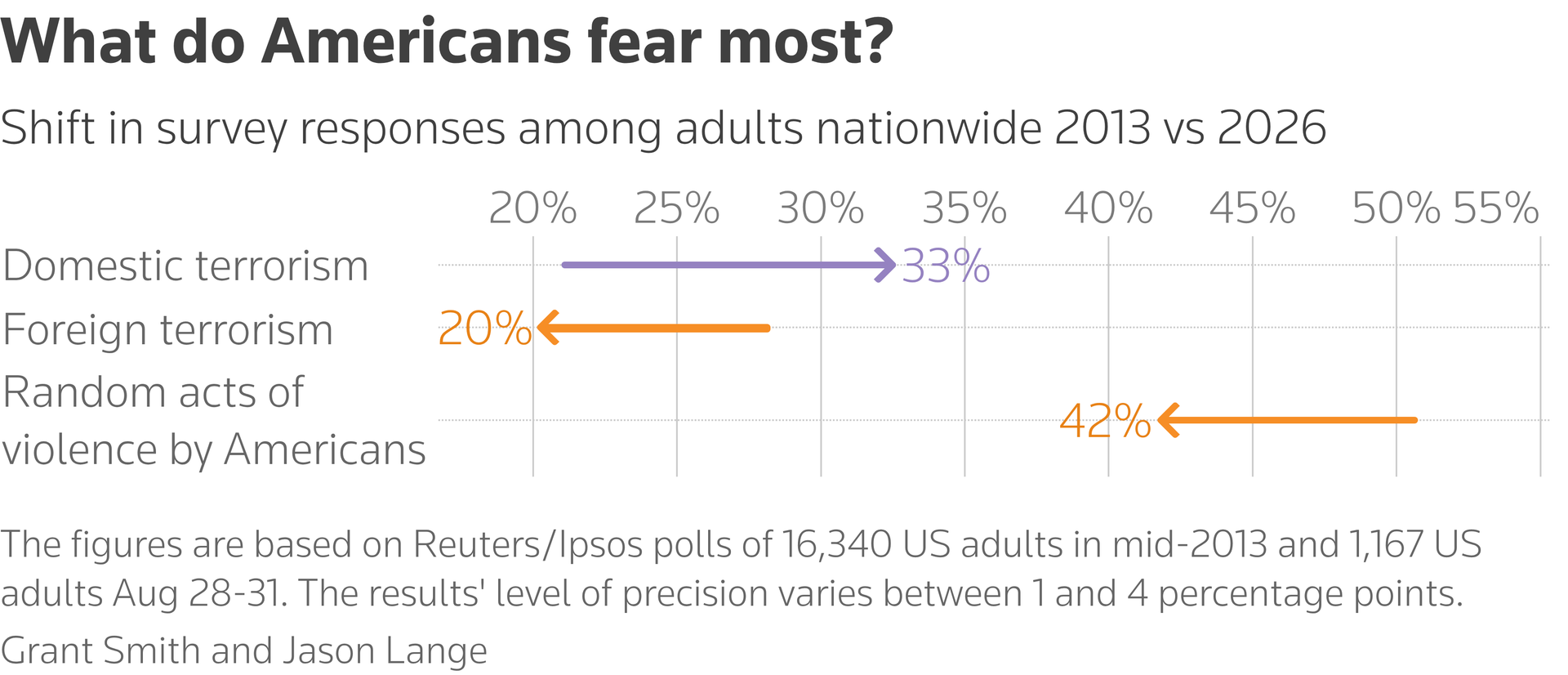
Poll of the week


Follow Reuters/Ipsos polling on the president's approval ratings here.


The view from Mexico

Mexico and the U.S. are racing to reach a bilateral trade deal before the midterm elections, according to six sources in both countries familiar with the talks, an effort made more urgent by the collapse of Canadian trade negotiations with Washington. 

The negotiations are aimed at striking an interim bilateral bargain under which Mexico could win relief from some U.S. tariffs while addressing U.S. demands on areas including automotive content and Chinese investment.


Photo of the week


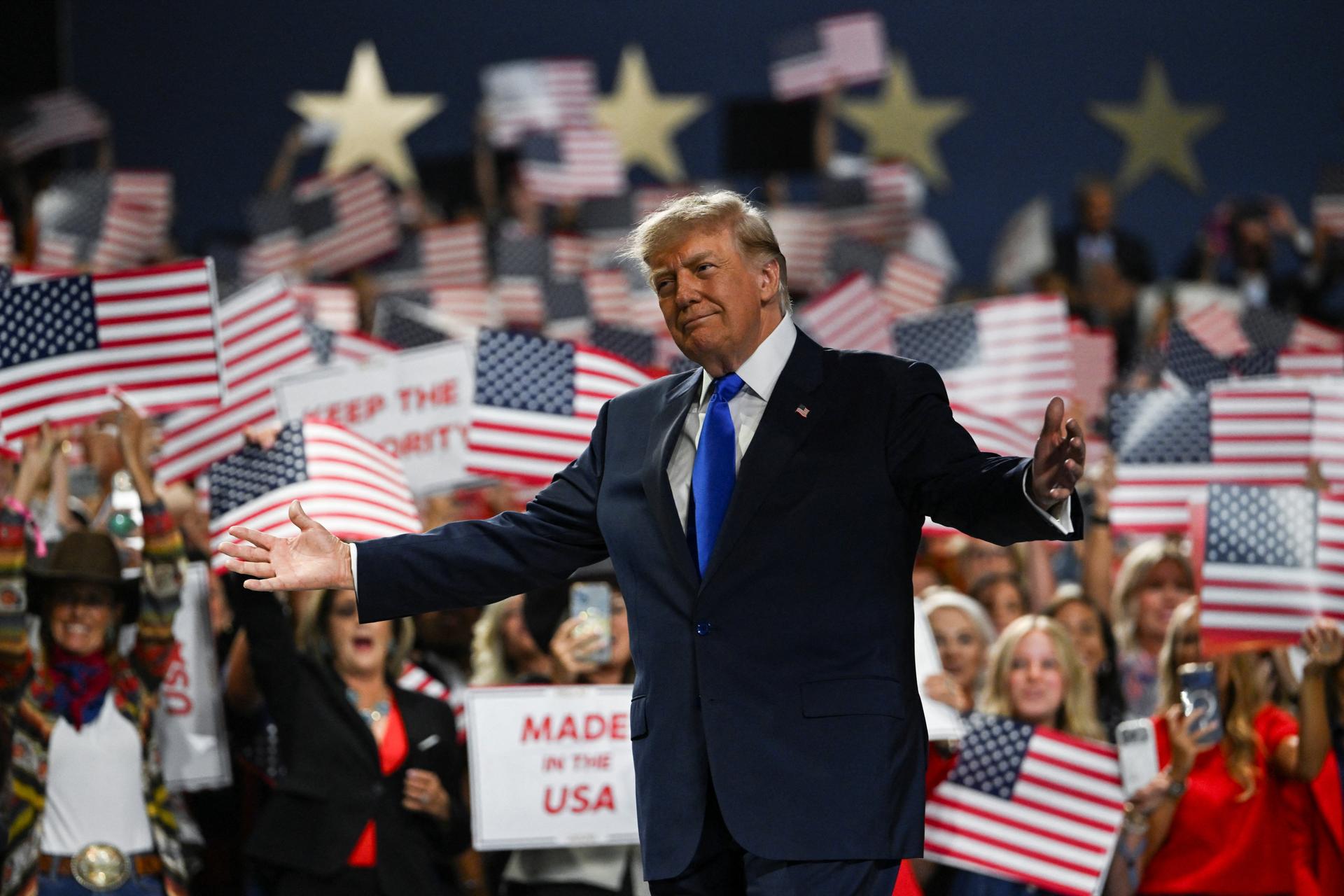
U.S. President Donald Trump gestures on stage at the Republican National Midterm Convention in Dallas, Texas, U.S., September 9, 2026. REUTERS/Callaghan O'Hare


What to watch for

  • September 12-13: Trump travels to Ireland to watch the Irish Open golf tournament at his golf course in Doonbeg 
  • September 22: Trump expected to address the U.N. General Assembly in New York 
  • September 24: Trump to host Chinese President Xi Jinping at the White House