Plus: Microsoft head of communications Frank Shaw is leaving after nearly 30 years.
 ͏  ͏  ͏  ͏  ͏  ͏  ͏  ͏  ͏  ͏  ͏  ͏  ͏  ͏  ͏  ͏  ͏  ͏  ͏  ͏  ͏  ͏  ͏  ͏  ͏  ͏  ͏  ͏  ͏  ͏  ͏  ͏  ͏  ͏  ͏  ͏  ͏  ͏  ͏  ͏  ͏  ͏  ͏  ͏  ͏  ͏  ͏  ͏  ͏  ͏  ͏  ͏  ͏  ͏  ͏  ͏  ͏  ͏  ͏  ͏  ͏  ͏  ͏  ͏  ͏  ͏  ͏  ͏  ͏  ͏  ͏  ͏  ͏  ͏  ͏  ͏  ͏  ͏  ͏  ͏  ͏  ͏  ͏  ͏  ͏  ͏  ͏  ͏  ͏  ͏  ͏  ͏  ͏  ͏  ͏  ͏  ͏  ͏  ͏  ͏  ͏  ͏  ͏  ͏  ͏  ͏  ͏  ͏  ͏  ͏  ͏  ͏  ͏  ͏  ͏  ͏  ͏  ͏  ͏  ͏  ͏  ͏  ͏  ͏  ͏  ͏  ͏  ͏  ͏  ͏  ͏  ͏  ͏  ͏  ͏  ͏  ͏  ͏ ­ ­ ­ ­ ­ ­ ­ ­ ­ ­ ­ ­ ­ ­ ­ ­ ­ ­ ­ ­ ­ ­ ­ ­ ­ ­ ­ ­ ­ ­ ­ ­ ­ ­ ­ ­ ­ ­ ­ ­ ­ ­ ­ ­ ­ ­ ­ ­ ­ ­ ­ ­ ­ ­ ­ ­ ­ ­ ­ ­ ­ ­ ­ ­ ­ ­ ­ ­ ­ ­ ­ ­ ­ ­ ­ ­ ­ ­ ­ ­ ­ ­ ­ ­ ­ ­ ­ ­ ­ ­ ­ ­ ­ ­ ­ ­ ­ ­ ­ ­ ­ ­ ­ ­ ­ ­ ­ ­ ­ ­ ­ ­ ­ ­ ­ ­ ­ ­ ­ ­ ­ ­ ­ ­ ­ ­ ­ ­ ­ ­ ­ ­ ­ ­ ­ ­ ­ ­  
Fortune 500 Digest with Alyson Shontell
Saturday, September 12, 2026
Foreword
Alyson Shontell
Editor-in-Chief

AI concerns hit a fever pitch this week when an Anthropic employee warned on X that all of humanity could be destroyed by the technology and that major frontier labs were “gambling with our lives.”

The probability of doom, or “(p)doom,” is real and has been publicly discussed in the AI community for years. Elon Musk’s (p)doom has hovered between 10% and 20%, while Anthropic CEO Dario Amodei’s has been slightly higher at 10% to 25%.

But the explosive moment was reminiscent of COVID circa February 2020, when the public finally took seriously what the scientific community had been saying all along: This is no joke.

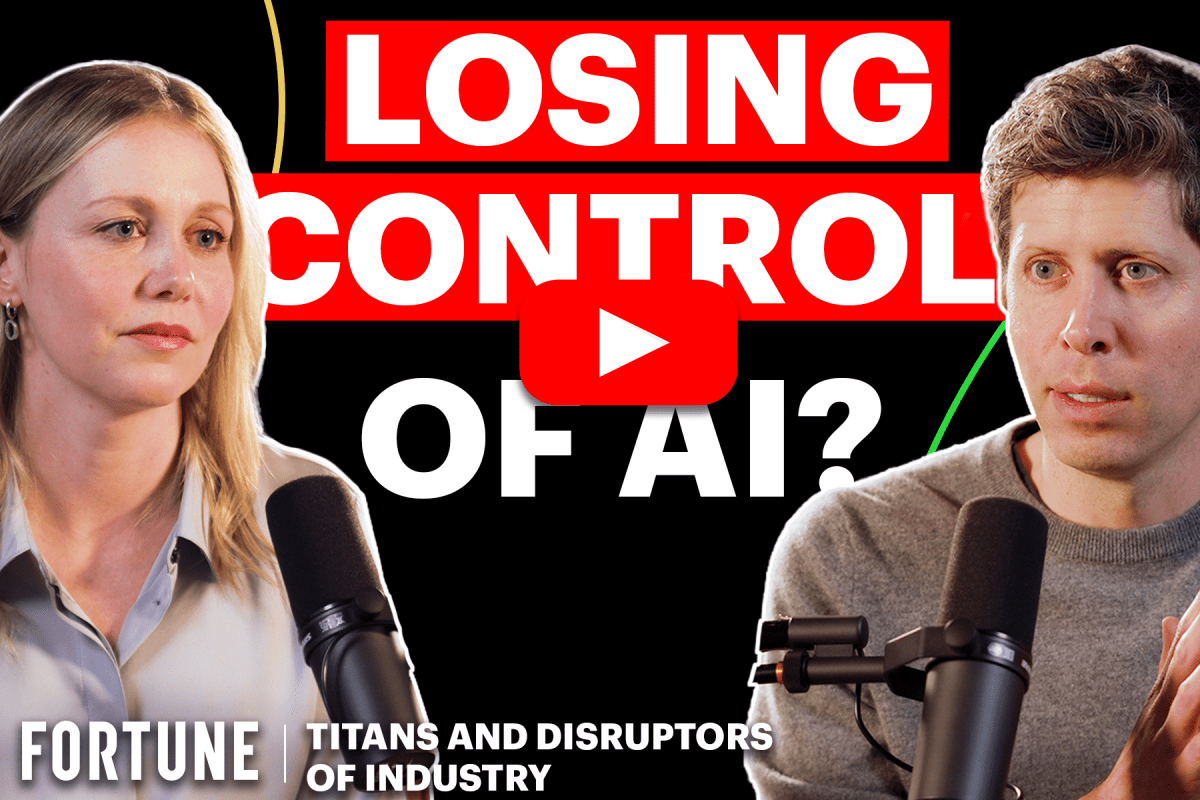
I flew to San Francisco to find the person best positioned to answer where AI is today, and whether it can be built safely ahead. On Friday, I had an exclusive hour-long sit-down with OpenAI’s Sam Altman, where we discussed the real risk AI poses to humanity, how quickly the models are developing, whether or not more powerful AI can be controlled, and what he would do if he realized AI could not be built safely. We also discussed the upcoming IPO, which he said is “ill-timed” given the safety concerns and won’t take place until 2027.

Altman told me no gamble with humanity is OK, and that he’d have no problem standing up his investors if he needed to pause or stop AI development altogether. He also had thoughts on what’s needed from a regulatory perspective both nationally and internationally, and alluded to a pact he’s making with industry peers to slow down while safety and alignment solutions can catch up to model capabilities.

Check out the full interview with Altman.

Follow Alyson on X, LinkedIn, TikTok, Instagram, and the Titans and Disruptors vodcast.

Catch Up
Advertisement
Omni Homestead Resort
Celebrate the changing seasons at The Omni Homestead Resort, an institution that has showcased Virginia's natural beauty since 1766. In the fall, enjoy scenic hikes, historic golf courses, and crisp mountain air. When winter arrives, embrace the season with skiing and snowboarding on the resort's storied slopes, ice skating at Allegheny Springs, s'mores by the fire pit, and cozy fireside evenings.
Book now
Fortune 500 C-suite Power Moves
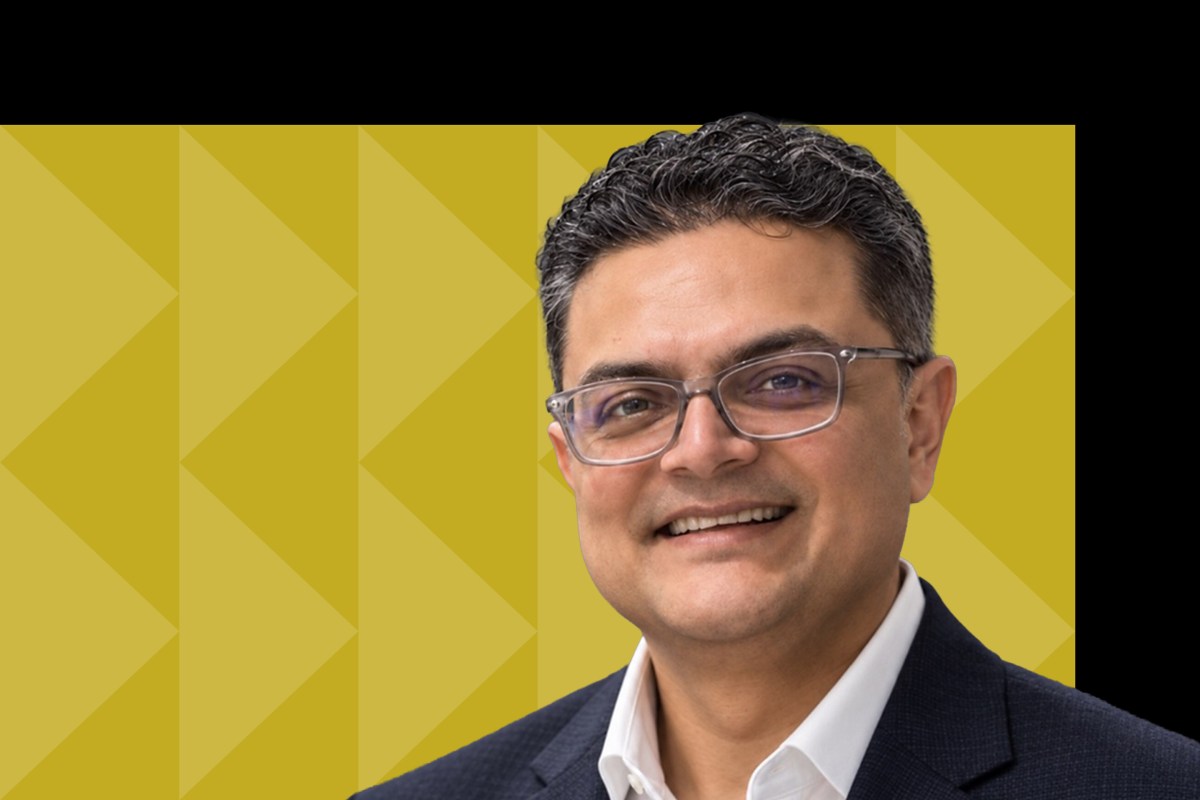
Equinix (No. 436) appointed DD Dasgupta CMO. Workday (No. 430) appointed Sarah Kennedy Ellis CMO, effective Oct. 5. Sirius XM Holdings (No. 463) appointed Sean Gibbons SVP, Chief Product and Technology Officer.
And more in this week's Fortune 500 Power Moves.
Deals & Developments
  • Verizon Communications (No. 28) signed a multiyear, multibillion-dollar supply agreement with Corning (No. 286) for more than 80 million miles of optical fiber and connectivity solutions between 2027 and 2032. Verizon said the fiber will support broadband expansion for homes and businesses while building the high-capacity network required by AI hyperscalers.
  • The National Highway Traffic Safety Administration is reviewing whether driverless Cybercabs developed by Tesla (No. 43) meet federal safety rules after the company began offering rides in Austin on Sept. 3. The agency is examining the process and technical data Tesla used to certify that the two-seat robotaxis—which lack a steering wheel, pedals, and mirrors—comply with federal safety standards.
  • GE Aerospace (No. 101) agreed to buy Consolidated Precision Products, a maker of metal castings for commercial aerospace, defense, and power applications, from Warburg Pincus and Berkshire Partners for $11.75 billion. The deal would give GE Aerospace more capacity to make castings as demand remains high for commercial and military aircraft engines and replacement parts.
  • The U.S. Department of Energy finalized a loan of up to $1.9 billion to help NextEra Energy (No. 167) restart the Duane Arnold Energy Center, Iowa’s only nuclear plant, which closed in 2020. The plant will supplement the area’s power grid as electricity demand rises.
Overheard
“Over time, we believe EVs are the end game.”
—Mary Barra, CEO of General Motors (No. 23), in conversation with Alyson Shontell on a recent Titans and Disruptors episode.
On earnings calls:
  • Kroger (No. 27) missed sales estimates with $34.62 billion in second-quarter sales, up 2% year over year. The company said inflation and strained household budgets are prompting shoppers to focus more on necessities.
  • Oracle (No. 82) beat estimates with $19.35 billion in fiscal first-quarter revenue, up 30% year over year, as cloud revenue rose 62%. Its capital expenditures jumped to $28.5 billion from $8.5 billion a year earlier as it expanded data center capacity to meet AI demand.
  • Adobe (No. 192) beat estimates with $6.76 billion in third-quarter revenue, up 13% year over year and a quarterly record. The software maker increased its full-year outlook but forecasts fourth-quarter revenue of $6.80 billion to $6.85 billion, with the midpoint slightly below Wall Street expectations.
  • Macy’s (No. 203) beat estimates with $4.87 billion in second-quarter revenue, up 1.1% from $4.81 billion a year earlier, and raised its full-year outlook. Comparable sales—sales growth at stores open for at least a year—rose 2.7%, led by an 11.3% increase at Bloomingdale’s.
Earnings calls next week include: Lennar (No. 135) on Sept. 16.