| | In this edition: Dangote Refinery launches IPO, data points to reasons for Uber’s Nigeria exit, and ͏ ͏ ͏ ͏ ͏ ͏ |
| |  | Africa |  |
| |
|
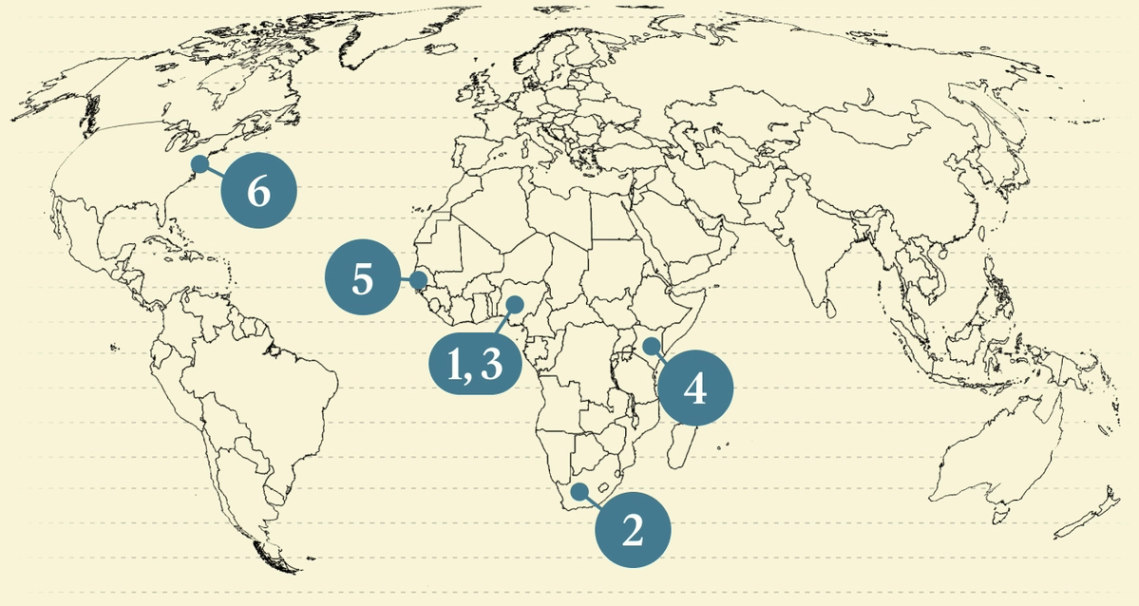 - Africa’s largest IPO
- South Africa refinery closures
- Uber’s flawed Nigeria strategy
- DP World expands in Kenya
- Gambia’s protest ban
- View: Watching US-Africa ties
 Two films debut at Toronto International Film Festival |
|
Dangote launches Africa’s biggest IPO |
 Alexander Onukwue/Semafor Alexander Onukwue/SemaforAfrica’s biggest refinery launched the continent’s largest ever initial public offering on Nigeria’s stock exchange. If fully subscribed, the company will have raised more than $4 billion at about a $50 billion valuation. The impact is set to be far-reaching: The refinery will likely account for up to 40% of the Lagos exchange’s capitalization when its shares start trading post IPO in November. The listing could give millions of Nigerians their first exposure to public equities: Africa’s richest man Aliko Dangote has sought to attract retail investors and pledged to pay dividends in US dollars. The capital raise and market lead are steps to a more expansive ambition: Dangote’s push to be the biggest fuel seller to Africa’s 1.5 billion people. “We want to displace less competitive imports that are coming from far away into a market that we can better serve in closer proximity,” David Bird, an ex-Shell executive who has been the Dangote Refinery’s CEO for a year, told Semafor in an interview. The Lagos mega-refinery has also altered West Africa’s energy landscape, inspiring authorities in other African countries to bolster their energy independence. |
|
S. Africa laments refinery closures |
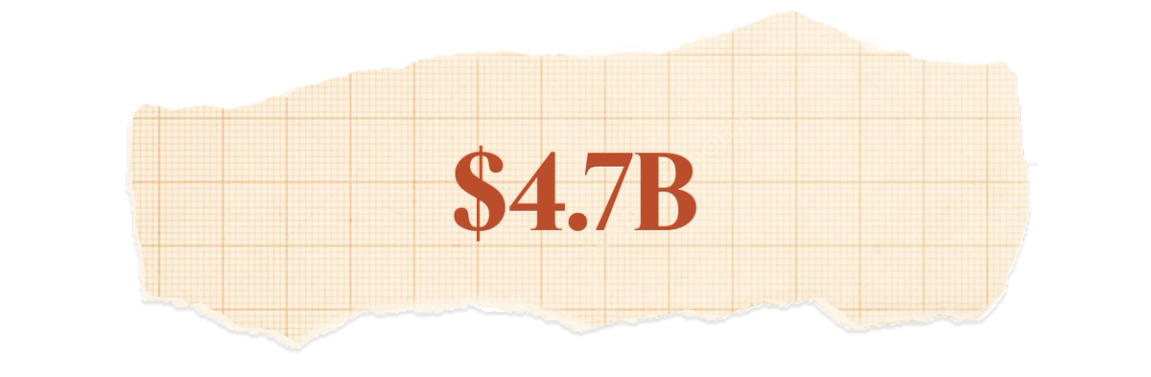 South Africa’s oil importation bill could have been $4.7 billion lower if it had not closed a number of refineries, the country’s central bank said. Refining capacity in Africa’s largest economy has halved over the past decade and imported refined fuel now supplies more than half of domestic demand, the South African Reserve Bank said in a note published last week. The country recently announced plans to at least triple its oil refining capacity amid growing concerns around its exposure to global price shocks. Disruption caused by the Iran war has pushed up oil prices and exposed Africa’s reliance on energy imports which account for around 70% of the continent’s refined fuel needs. The conflict has prompted several nations to look at ways to reassess their energy sovereignty. Nigerian tycoon Aliko Dangote plans to build a refinery in Kenya modeled on his Lagos mega-refinery. |
|
The data behind Uber’s Nigeria exit |
| |  | Alexander Onukwue |
| |
 Sodiq Adelakun/Reuters Sodiq Adelakun/ReutersUber’s Nigeria exit was driven in part by the US ride-hailing giant sometimes paying drivers more than it collected from passengers on short trips, according to a new analysis of more than 20,000 rides. Obi, a price and trip data aggregator, found Uber paid drivers up to 23% more than the fare on some trips under 12 miles, subsidizing rides that drivers otherwise might not have accepted. “There was just no way for Uber to dig itself out of this pattern,” Obi CEO Ashwini Anburajan told Semafor. The problem was compounded by weak demand and Nigeria’s punishing economic conditions. A typical Uber driver completed just 130 rides in the first seven months of 2026 — barely a tenth of the volume of a South African driver — while fuel prices have risen more than fivefold and the naira has lost more than 70% of its value since 2023. After 12 years and attempts to adapt with fare increases, courier services and boat taxis, Uber quit Nigeria and Uganda on Sept. 2, underscoring the difficulty of making ride-hailing work in markets where consumers and drivers are both under intense cost pressure. |
|
DP World deepens Africa push |
 Ahmed Jadallah/Reuters Ahmed Jadallah/ReutersDP World is investing in its African network — even as its flagship port in the Gulf sits idle. The Dubai port operator formalized plans for a 222-hectare industrial park at Mombasa, signing a joint-venture agreement with Kenya’s GulfCap Africa in Nairobi last week. More than 60 companies have expressed interest in the special economic zone, which the partners expect to support over 20,000 jobs. DP World has spent two decades building across the continent and operates in at least nine African territories, from Algeria and Angola to Senegal, Somaliland, and Tanzania. That constellation has kept the company profitable despite the disruption caused by the Iran war. — Manal Albarakati |
|
Gambia bans protests without permits |
 Malick Njie/File Photo/Reuters Malick Njie/File Photo/ReutersThe Gambia banned protests without permits following days of unrest over persistent electricity blackouts. The crackdown — which included police firing tear gas at demonstrators — comes ahead of December’s general election in which President Adama Barrow will seek a controversial third term. The country’s electricity problems have surged in recent weeks, due to a shortage of imports from neighboring Senegal, reportedly over unpaid electricity bills, and Guinea, which is grappling with its own blackouts due to a drought affecting hydropower stations. A deal with Turkish floating power plant company Karpowership, which at one point supplied 40% of the country’s power, expired last year. Unrest in Gambia is the latest in a string of youth-led political protests across the continent over living conditions and perceived corruption. Last year, demonstrations in Madagascar toppled the government, while Tanzania’s crackdown on election protesters led to the deaths of an estimated 1,000 people. — Paige Bruton |
|
View: Trump should listen on AGOA |
 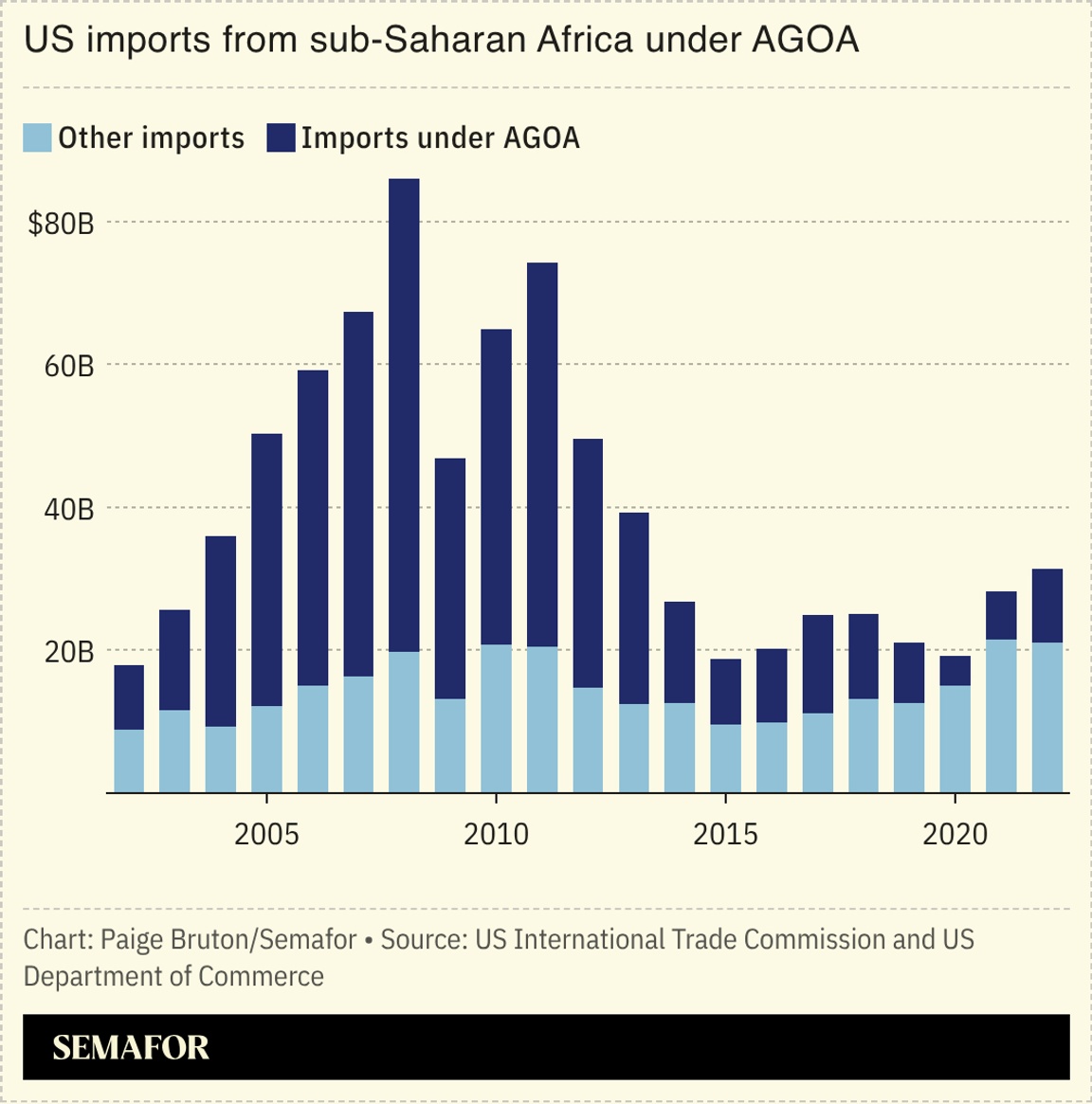 The US should listen to African governments before reshaping its commercial relationship with the continent, argues a former State Department official. In a new essay, Witney W. Schneidman writes that his experience helping create the US-Africa preferential trade pact AGOA in 1999 taught him that “showing up is not enough” — Washington has to listen before deciding what a partnership should look like. With AGOA again at a crossroads, he argues the Trump administration should use a proposed US-Africa ministerial to bring African governments, businesses and investors together with US counterparts to shape the next generation of commercial ties. Africa has changed dramatically since AGOA was created, notes Schneidman, with plans to build a continent-wide market and governments seeking investment in manufacturing, energy, infrastructure, technology and mineral processing. The US has interests of its own, he writes, but “those interests can align with African priorities” without necessarily being the same. |
|
 Business & Macro |
|
|