Recharge Smarter. When work gets busy, rest is often the first thing you sacrifice. But nonstop, tireless effort can dull your clarity, creativity, and decision-making. To perform at your best, your brain needs periods of focused work followed by real rest and recovery. You can get more from your time off by being intentional before, during, and after it.

Read online  /  Manage email preferences

Harvard Business Review | The Management Tip of the Day
 

Today’s Tip


Recharge Smarter

When work gets busy, rest is often the first thing you sacrifice. But nonstop, tireless effort can dull your clarity, creativity, and decision-making. To perform at your best, your brain needs periods of focused work followed by real rest and recovery. You can get more from your time off by being intentional before, during, and after it. 

Give yourself something to anticipate. The benefits of time off can begin before your break starts. Plan experiences you’re excited about, visualize what you’ll do, and give yourself permission to look forward to them. 

Detach fully. Resist the urge to keep checking email or work messages while you’re away. True recovery requires enough distance from work for your brain to shift out of task mode, process information, and generate new insights. 

Reenter with care. Avoid snapping immediately back into a packed schedule if you can. Ease into your return, and revisit favorite moments through photos, stories, or other reminders to reinforce the restorative effects of your break.

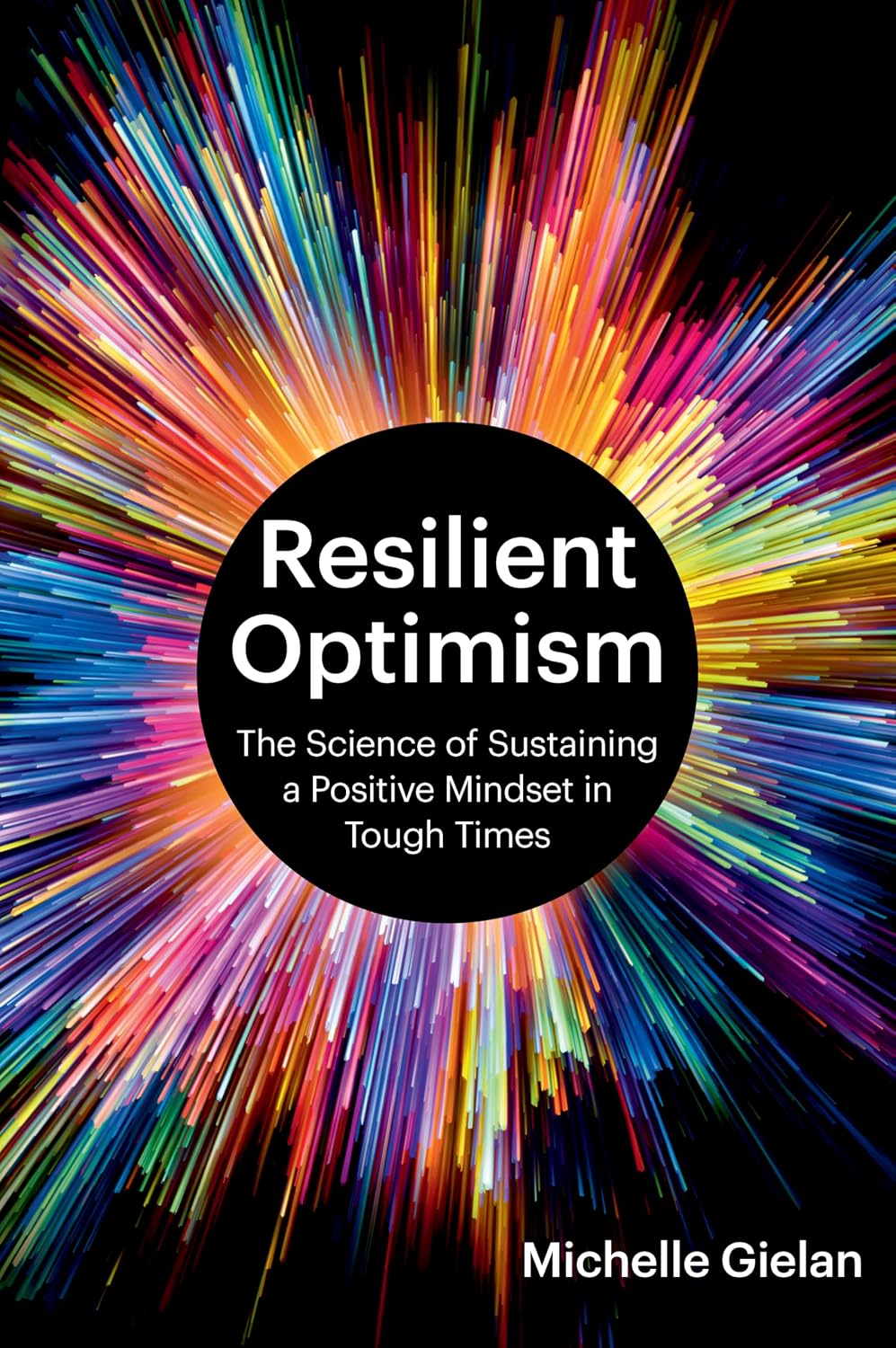
Resilient Optimism: The Science of Sustaining a Positive Mindset in Tough Times

Adapted from

Resilient Optimism: The Science of Sustaining a Positive Mindset in Tough Times

by Michelle Gielan

Adapted from

Resilient Optimism: The Science of Sustaining a Positive Mindset in Tough Times

by Michelle Gielan

Resilient Optimism: The Science of Sustaining a Positive Mindset in Tough Times
 

This week’s tips are adapted from Michelle Gielan’s new book, Resilient Optimism: The Science of Sustaining a Positive Mindset in Tough Times (HBR Press). Resilient optimism is a mindset built through intentional, repeatable behaviors that help you stay grounded in reality while continuing to believe your actions matter. Rather than simply trying to “think positive,” you can build habits that make you steadier and more effective under pressure. This week, we’ll explore five ways to put that mindset into practice. 


Show Up to Win: How to Land the Leadership Role You Want

by Kelly O Kay and Jeff Sanders

Don’t forget you’re entitled to 20% off your first purchase*

*Use promo code HBRORGREG4.
View details here.

Read more
Show Up to Win: How to Land the Leadership Role You Want


Start your morning with more than a Management Tip

A subscription gives you full access to HBR’s reporting and analysis on the questions leaders are facing now.

Subscribe today
A tablet displaying a Harvard Business Review article titled Gen AI Won't Make Your Employees Experts surrounded by office supplies on a pink background.


Harvard Business Review Virtual Event

Innovation Summit 2026

Turning breakthrough ideas into real results.
Join us November 12 for masterclasses and CEO insights at the HBR Innovation Summit. On November 13, HBR Executive subscribers can participate in the Innovation Forum to put the Summit’s ideas into practice.

Register now
Harvard Business Review
 

ADVERTISEMENT

 
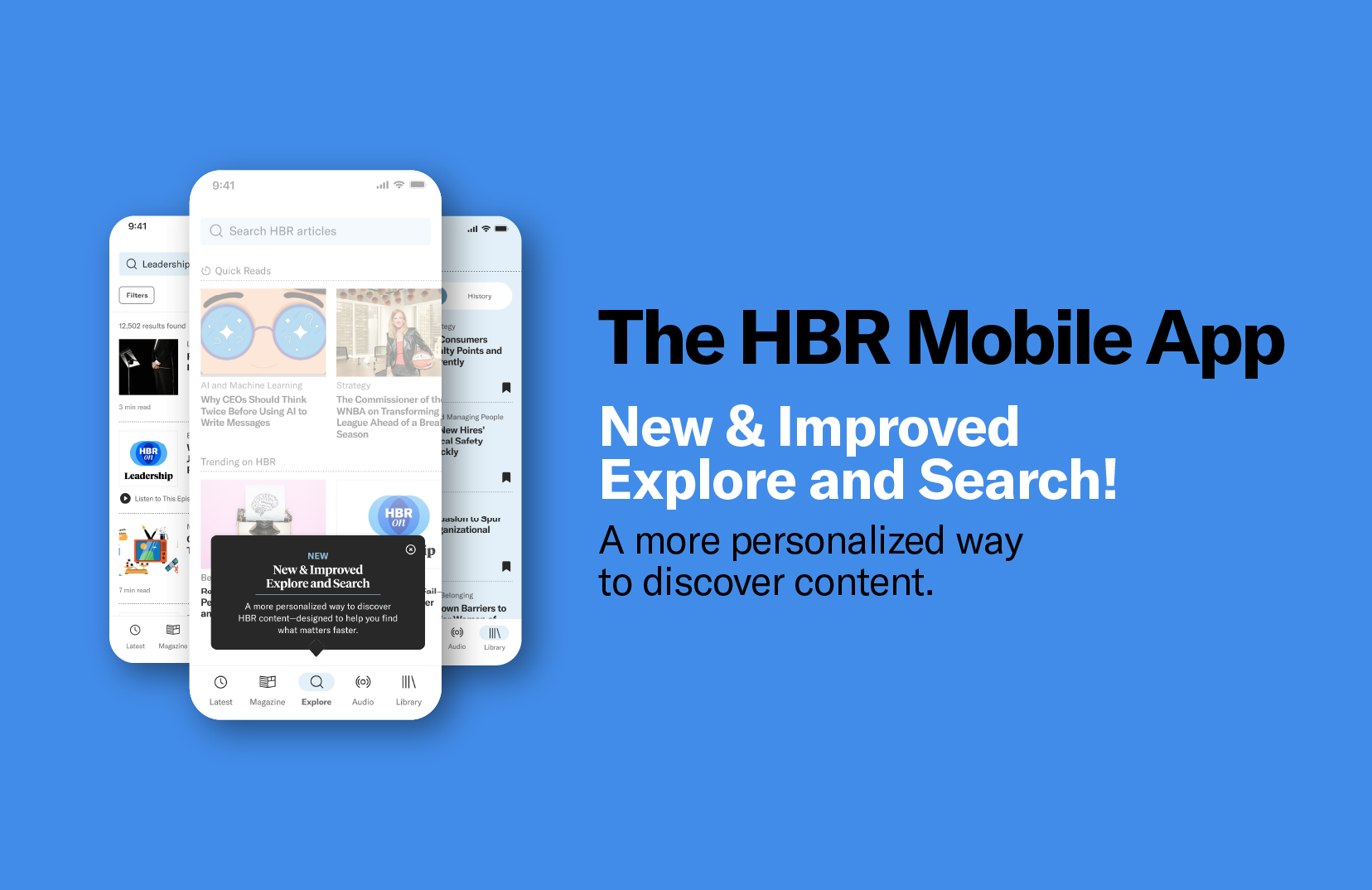
Promo for the HBR Mobile App showing 3 stacked phone screens with articles. Text reads: 'The HBR Mobile App. New & Improved. Explore and Search! A more personalized way to discover content.' Background is blue.