|
|
|
Newsletter continues after sponsor message
|
|
|
S. Pașca lab/Stanford University |
|
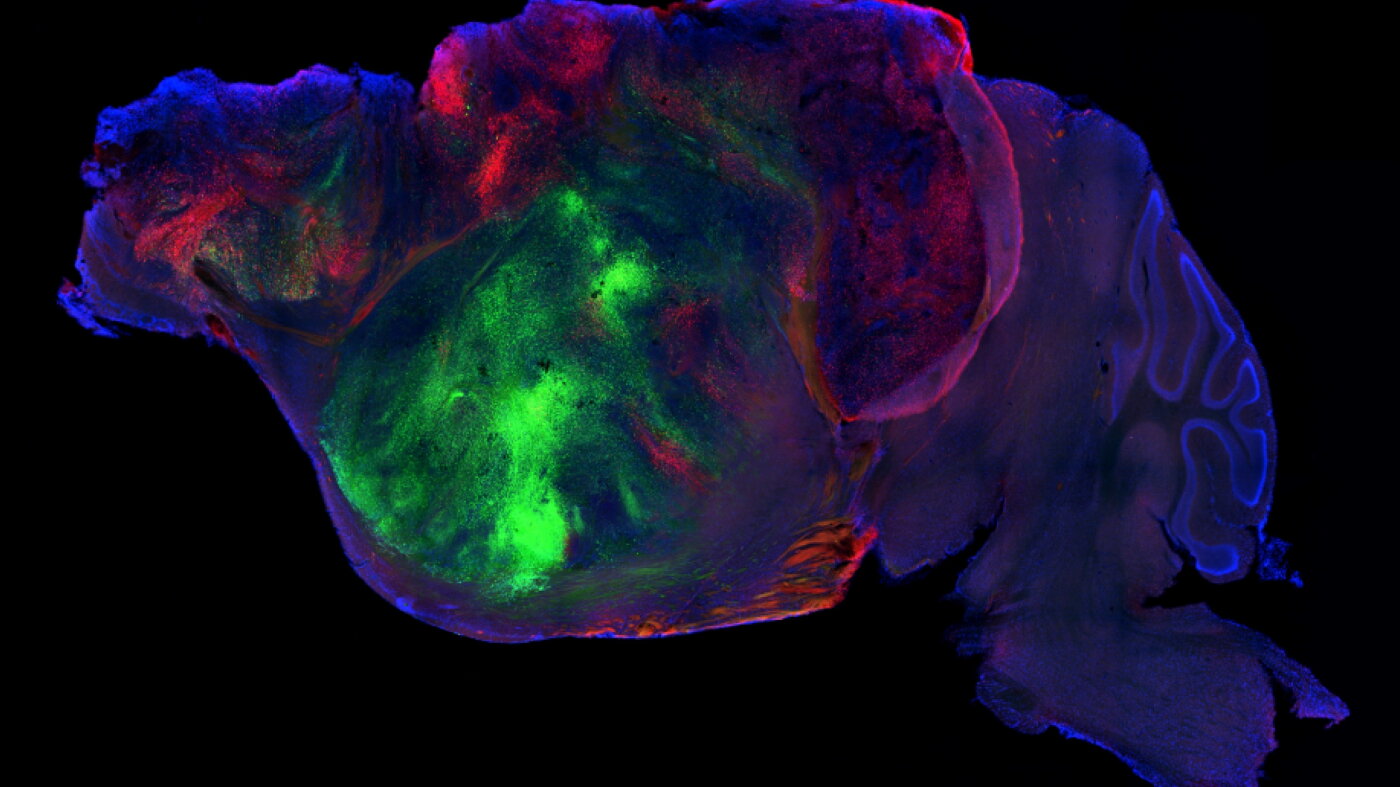
Are you a man or a mouse? Or maybe a little bit of both? In a new study, researchers installed millions of human brain cells into mice. The idea is to create better scientific models for studying neurodegenerative disease, as NPR's Pien Huang reports.
Using genetic tools, the scientists bred mice that were missing most of their cerebral cortexes – the outermost layer of the brain involved with reasoning, memory and consciousness. Then, they replaced a large part of those missing mouse cells with lab-grown human brain cells.
While it's not the first time human brain cells have been installed in mice, this new effort manages to connect significantly more human cells than before.
There were key differences between the mice with human brain cells and regular unaltered mice. For instance, mice with human brain cells had problems walking properly after their brains were deprived of oxygen. That's not the case for regular mice, which are resilient to low-oxygen conditions. This more human-like reaction suggests the altered mice might be better models for brain conditions linked to low oxygen, such as cerebral palsy, intellectual disability, and epileptic encephalopathies, says Sergiu Pașca, professor of psychiatry and behavioral sciences at Stanford University and senior author on the paper.
No human-like super-mice were created in the course of the study, researchers say. They chose to stop the experiments when the human brain cells reached around 6 months old — before they could form a connection in the mouse's brain that is considered a hallmark of consciousness by human development researchers. But while Pinky and the Brain remains fiction, ethical considerations will grow as researchers continue to experiment with human brain cells in animals.
Struggling to wrap your head around the implications? Read the full story to find out more.
And: Brain organoids are helping researchers, but their use also creates unease |
|
Support the stories you love and empower the journalism you depend on. In return, enjoy perks like sponsor-free listening, bonus episodes, early-access, and more.
You can listen in whatever podcast app you prefer, but the NPR app just added a new NPR+ tab to the home menu that makes it more convenient than ever before to explore all the shows with NPR+ benefits. So get the app and try it out!
|
|
|
|
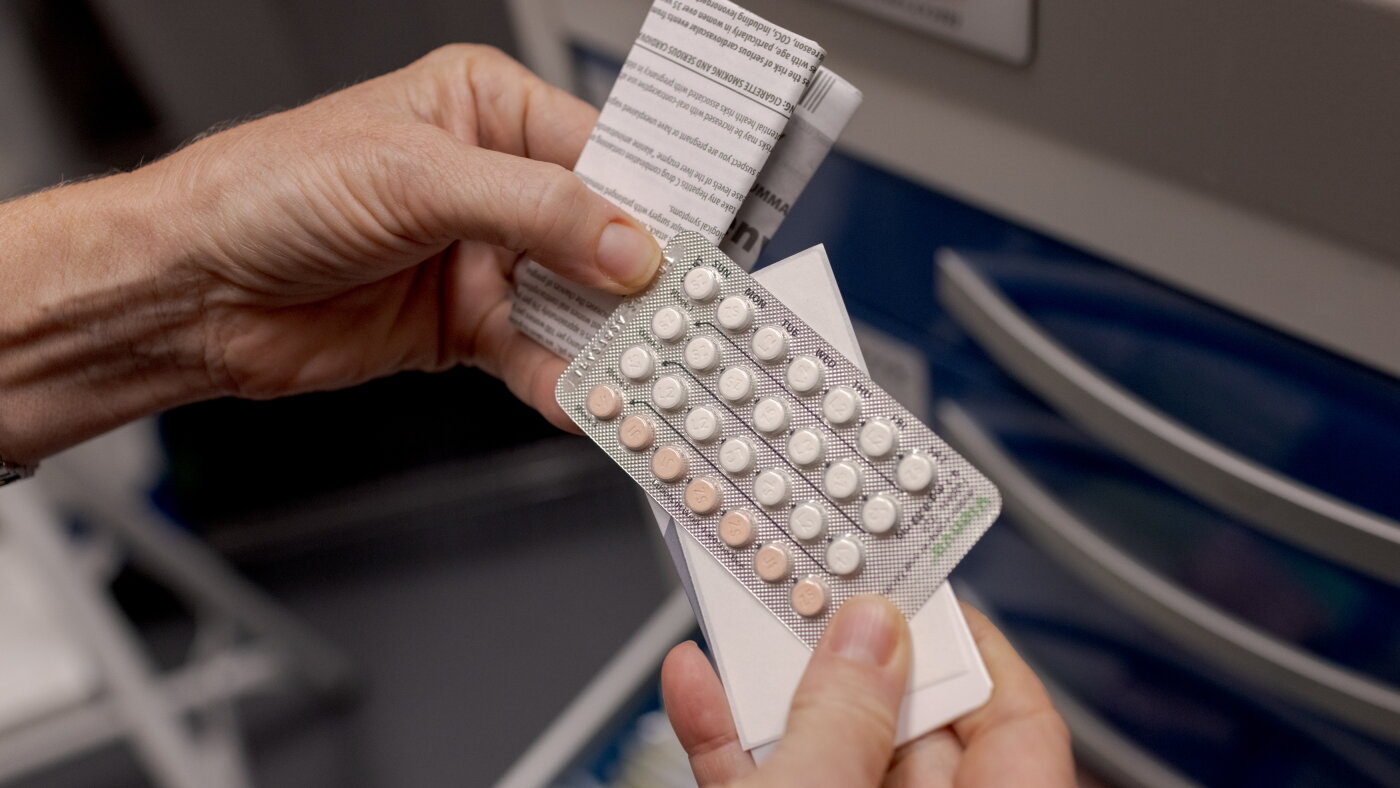
A federal program called Title X provides funding for sexual and reproductive services like birth control, sexually transmitted infection testing and treatment, and pregnancy testing – though not abortion. Title X dates back to 1970. But millions of low-income women lack access to the contraception that Title X is meant to provide, as NPR’s Selena Simmons-Duffin reports.
That’s according to a new analysis by two reproductive policy organizations, Power to Decide and the Guttmacher Institute. Their findings are displayed across two interactive, county level maps. The maps show access to brick-and-mortar clinics that receive federal or state level funds to deliver contraceptive care. The research team looked at the patient case load for specific health care providers to determine their ability to see patients. They also looked at survey data which asks women about their desire for contraception, and federal poverty numbers.
They determined that "21.4 million women are living in a county in the United States where they have a need for no or low cost contraception, and availability of care in their counties is not there," says Megan Kavanaugh, principle research scientist at the Guttmacher Institute. She calls the number "dire."
Kavanaugh expects more closures as more provisions of the One Big Beautiful Bill Act, or H.R. 1, take effect, including Medicaid work requirements. Rachel Fey, who works on policy for Power to Decide, says her organization will use the maps to make the case for more money for family planning.
"This is not actually a partisan issue outside the Beltway," she says, noting that Title X has had support through many Republican administrations, starting with President Nixon. "Americans use and want contraception."
Check out the maps here and read the full story to learn more about the birth control gap.
Plus: There's a birth control backlash online. Can it explain the rise in abortions? |
|
The Centers for Disease Control and Prevention estimates that each year about 1,200 people in the U.S. die of problems directly caused by heat. But the real number is probably much higher, as NPR’s Alejandra Borunda reports.
The CDC's estimate is based on whether heat is recorded as a cause of death on someone's death certificate. That’s because heat alone is rarely the main thing that kills people, says Greg Hess, medical examiner for Pima County, Ariz., on the U.S.-Mexico border. In hot weather, rates of heart attack and stroke go up, as do complications from diabetes and deaths associated with neurodegenerative diseases.
Hess and his team are using innovative strategies to accurately count the number of people dying from heat-related problems. Members of Hess’ team take thermometers with them to the site of deaths on hot days, and check bodies for signs of heat stress. They also question people close to the deceased to find out if the person was in a situation where they would be exposed to intense heat earlier in the day, such as working outdoors.
The Pima County medical examiner’s office is part of a small group of professionals working to precisely track deaths from heat and other climate-related causes. Their efforts could redefine how the United States understands the growing cost of climate change.
"It's really an emergency response, a crisis response, these last two summers," says Jeff Johnston, medical examiner for neighboring Maricopa County. In a normal summer, the office handles about 25% more bodies than during the rest of the year. "We're prepared for that. That's our norm," Johnston says, but "the last two summers, they've been 63% above that."
Read the full story to learn more.
Also…COMIC: How excessive heat kills and how to stay safe |
|
Malte Mueller/Getty Images/fStop |
|
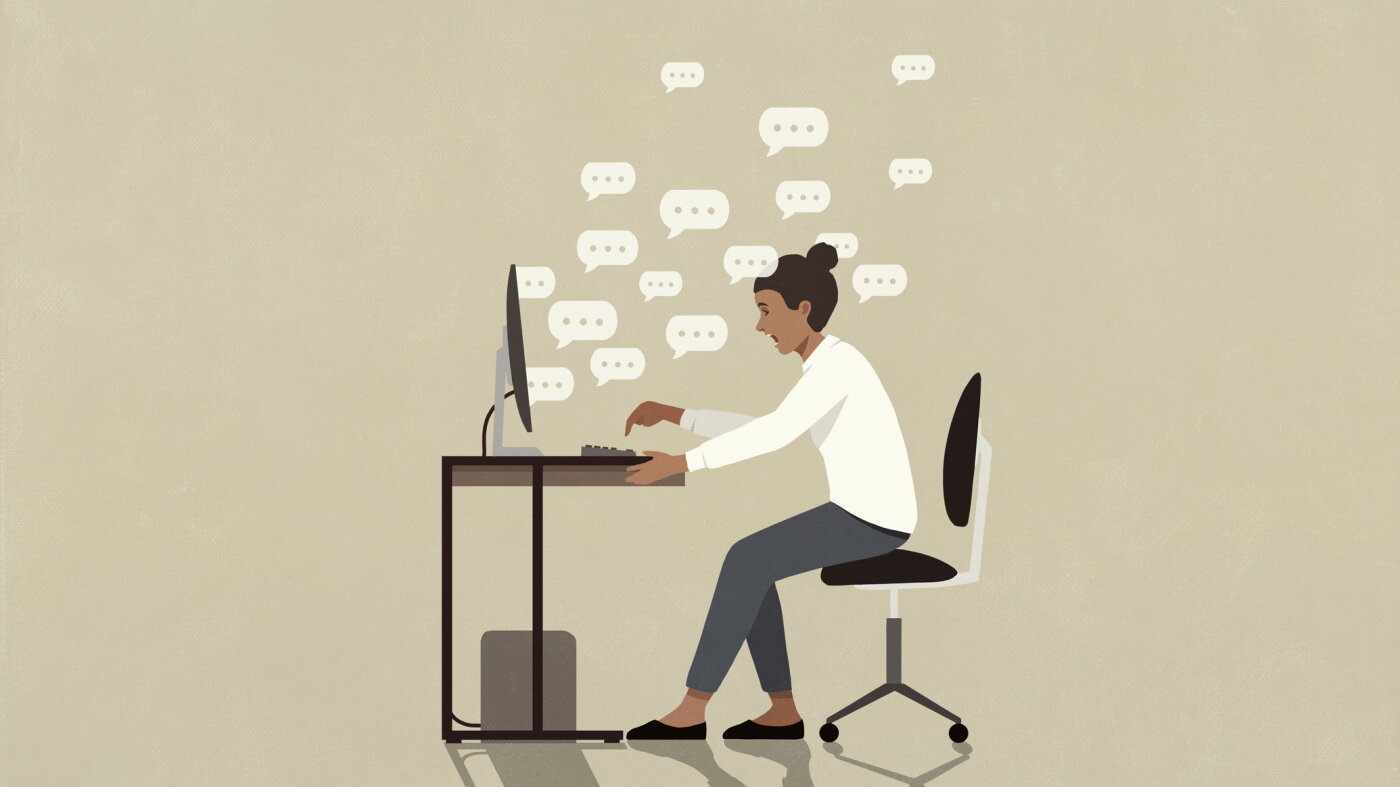
Last month, NPR’s Rhitu Chatterjee reported the heartbreaking story of a young woman who died by suicide in 2024 after confessing her thoughts about ending her life only to ChatGPT. The chatbot even agreed to write her suicide note.
Then in May of this year, OpenAI announced a new feature called Trusted Contact, to connect those struggling with thoughts of suicide and self-harm to a person they can turn to in times of emotional crises. If the chatbot detects signs that a user is seriously considering suicide or self-harm, it will alert their Trusted Contact — if they have one listed.
Chatterjee wanted to see how easy the optional feature was to access. She hadn’t received a notification on her own ChatGPT account. She asked an NPR producer who had never used the chatbot before to set up a new account and when the producer set it up, there was no mention of Trusted Contact.
Then they asked the app: “Do you have a Trusted Contact feature for people with mental health issues? Under what circumstances do you offer it to people?”
ChatGPT responded: “I'm not seeing a general Trusted Contact feature for that scenario. Maybe you’re thinking of another app that has a Trusted Contact option?”
Upon further probing, ChatGPT explained that the feature does exist, but users have to set it up in their account settings.
Suicide prevention experts say there could be some benefits to the Trusted Contact feature, but also have some reservations. “The steps actually were quite simple and the language, and then the words were easy to follow for the most part," said Ursula Whiteside, a psychologist and the CEO of a suicide prevention nonprofit called Now Matters Now. "Now, if I was super duper upset, it might have been harder for me to follow the process but overall I felt okay."
If you or someone you know is in crisis or if you're thinking about hurting yourself, you can call or text the Suicide & Crisis Lifeline at 9-8-8.
Learn more about Trusted Contact and ChatGPT’s evolving mental health safeguards.
Plus: To prevent deaths in childbirth, Kenyan moms turn to an AI powered chatbot |
|
We hope you enjoyed these stories. Find more of NPR's health journalism online.
All our best,
Andrea Muraskin and your NPR Health editors |
|
Listen to your local NPR station. |
|
Visit NPR.org to hear live radio from WAMU 88.5 (edit station). |
|
|
| |
|
|
|
|
|
| | | |