It’s Tuesday, September 22. This is The Front Page, your daily window into the world of The Free Press—and our take on the world at large. Today: Alex Berenson on why he’s fearful of AI—and what we can do about it. Jed Rubenfeld on the three media outlets suing Trump for shutting them out of the White House. Arthur Brooks on why relying on AI writing will make you unhappy. And much more.
But first: Nikole Hannah-Jones’ school experiment.
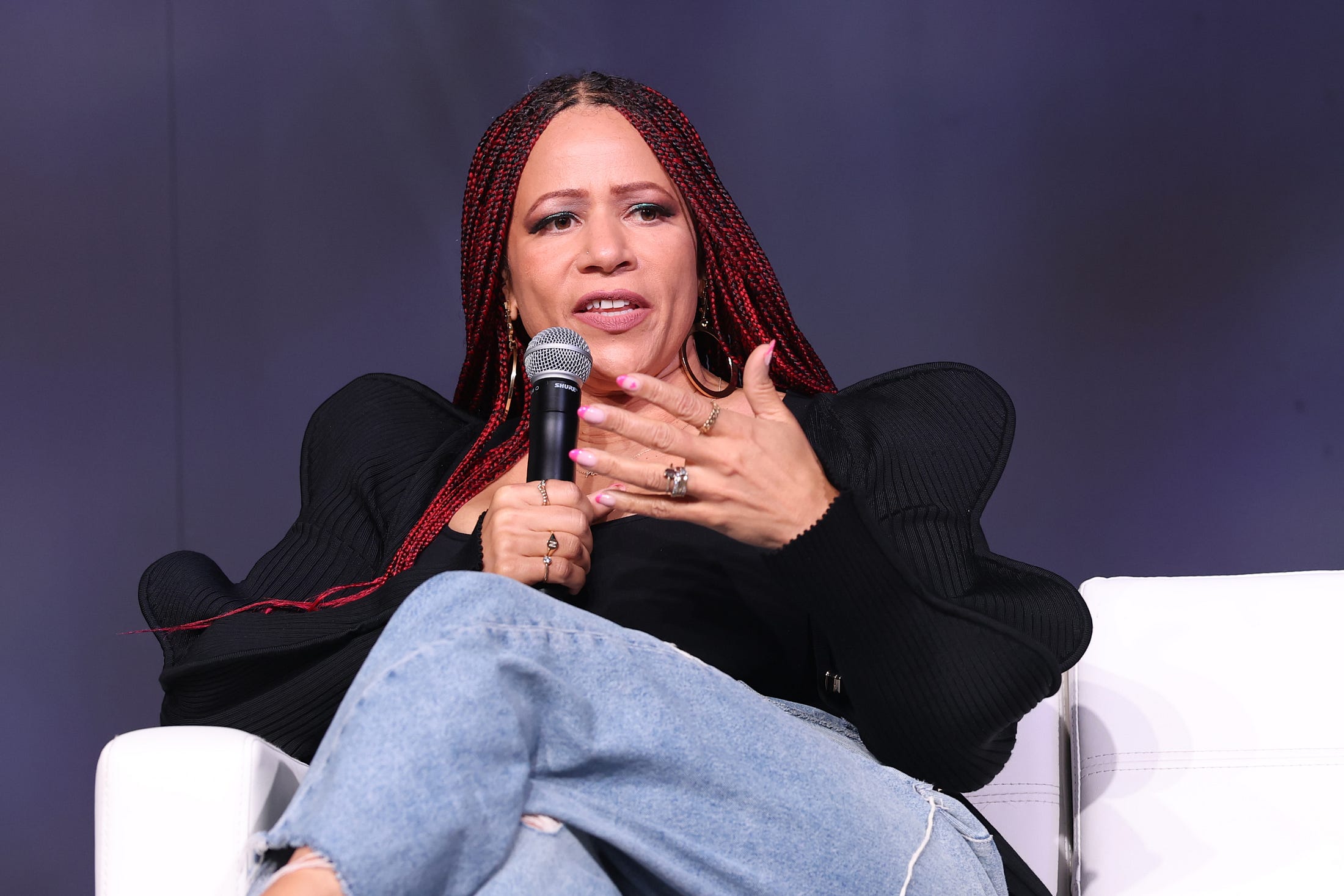
In 2014, Nikole Hannah-Jones made a decision: She would send her daughter Najya to a bad school. The New York Times journalist, who would later become known as the face of the newspaper’s 1619 Project, explained in an essay soon after that she was doing so to help fight inequality and segregation. On Sunday, Hannah-Jones published an update on her experiment, which has been a disaster by her own admission. The education Najya, now 16, received at multiple schools was appalling, and it left her furious and feeling betrayed by her mother.
“So you had money to send me to one of the best schools, and you chose not to?” she yelled at Nikole on one occasion. “Because other kids are disadvantaged, you didn’t want to put me in a great school?”
It’s tempting to kick an ideological opponent when they’re down, writes Coleman Hughes of the admission, but it’s far better to learn from their mistakes. What, then, are the takeaways from Hannah-Jones’ decision to put ideology ahead of her daughter’s best interests? Coleman breaks that down in his piece for us today.
—Oliver Wiseman
I read Alex Berenson’s writing pretty closely, and why wouldn’t I? He’s someone who thinks for himself and has been proven right on the problems with cannabis, why public health wildly overreacted to Covid, and why mRNA vaccines were not the silver bullet they were sold as. So when I saw him laying out his fears of AI, I wanted to better understand his thought process. I asked him to write a piece for us about why he has gone from an AI skeptic to someone who worries about the harm it could cause. The piece he turned in is lucid, thoughtful—and, to my thinking, persuasive. I think you’ll agree. —Joe Nocera
|
|
Trump’s Media Ban Is Unconstitutional |
|
 |
|
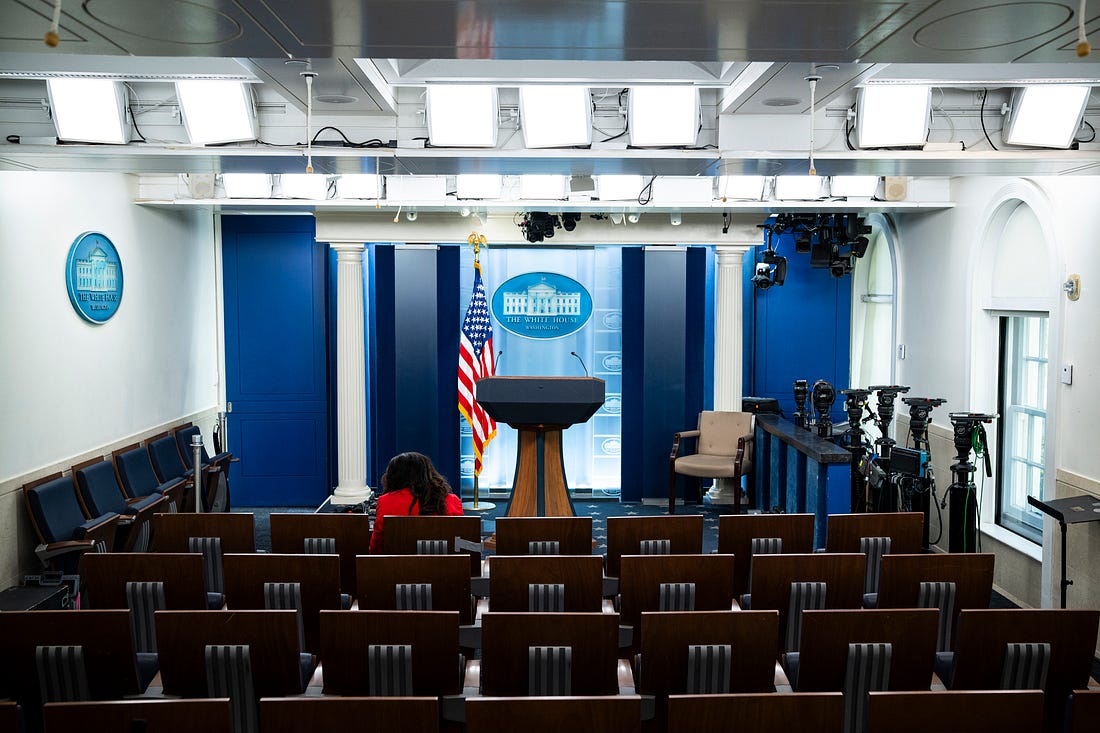
President Trump has banned CNN, MS NOW, and Politico from White House press briefings because, he says, they are “Fake News Media Outlets.” On Monday those three organizations sued Trump, claiming the ban is unconstitutional. Jed Rubenfeld says the media companies will win. Read his column on why they have a strong legal case, and why the president is pursuing the ban anyway. | |
|
|
|
Arthur Brooks: Letting AI Write for You Will Make You Unhappy |
|
 |
|
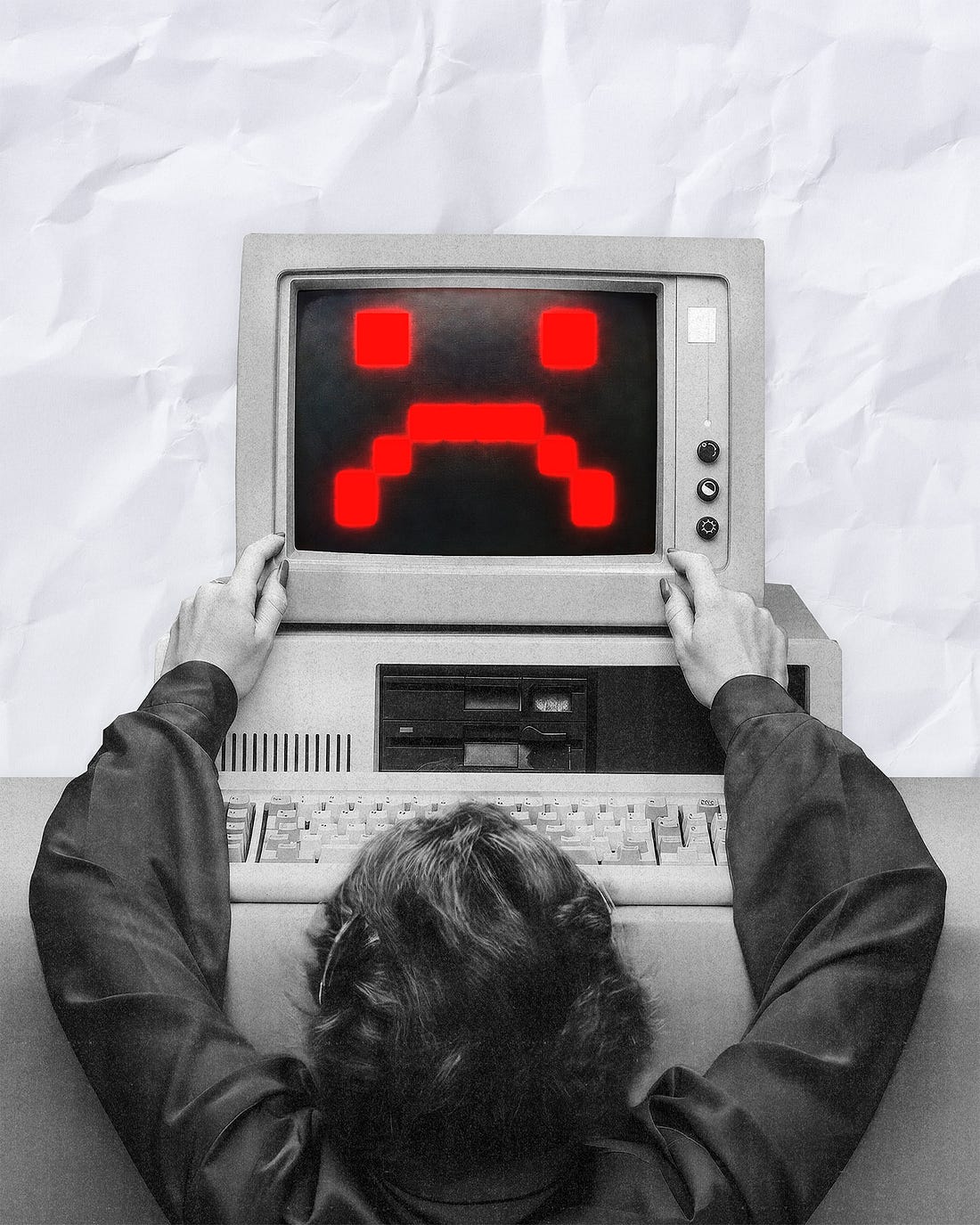
When you take shortcuts to ease the struggle of writing, the finished product is less satisfying, argues Arthur Brooks. Writing makes us happy, he posits, because it “satisfies the human need to create something concrete and meaningful out of raw materials.” Hard labor kept our ancestors physically fit; now we lift weights and track our step counts to stay in shape. As machines continue to master the written word, Arthur warns we may soon come to view writing in the same light—as part of a mental fitness routine that keeps us happy and sharp. | |
|