A gentle rundown on food, entertaining, hotels and the way we live – from the desks of Monocle’s editors and bureaux chiefs.
|
Sunday 27/9/26
|

|
|
London
Paris
Zürich
Milan
Bangkok
Tokyo
Toronto
|
|
|
|

Rise and shine
This week’s dispatch comes courtesy of a trip to a Californian-style diner and a rustic inn on a sleepy Venetian island. Plus: punchy ferments made in Tasmania and a Scottish road trip with the chef patron behind one of London’s most storied restaurants. First up, with a few thoughts on the media as a typhoon lashes eastern Japan, is our editorial director, Tyler Brûlé.
|
|
Fledgling reporters are sparking up Japan’s news channels – but where have they gone in the West?
By Tyler Brûlé
|

|
Tokyo, early Monday morning, I was flipping between Japan’s news shows. Typhoon Dujuan dominated all the networks and there was so much happening on-screen that you’d be forgiven for thinking that the feed into the hotel’s cable system had somehow merged a gameshow and an air traffic control screen, with a side helping of mid-80s TV home shopping. Japan’s morning news shows have little to do with the sofas and news desks of the Australian and US versions of Today, Good Morning America or anything on the UK’s breakfast telly buffet. Rather than the industry-standard double anchor plus newsreader and weather sidekick, Japan’s commercial networks like their studios big and bright, their presenters young and abundant (at one point I counted seven in the studio) and their infographics delightfully analogue – cue lots of cardboard cut-outs, pointers and handmade graphics.
After flipping between three networks, I got the general idea that the typhoon wasn’t going to hit Tokyo directly but that things would be rather wet and blustery at about 17.00. I was about to head out for a lap of the Imperial Palace when TV Asahi cut away from the studio to some thrashing palm trees on an island south of Tokyo. As the camera swung around between the rooftops, crashing waves and bendy palms, a young correspondent (21 years old? 23 max) wearing a white safety helmet with a chin strap and technical rain gear filled the screen and relayed what was happening. A few moments later we were on another island and an equally young female reporter was teetering in the gusts, drenched, drawing attention to a sad-looking swimming pool that looked like it had been abandoned about 20 typhoons ago. Next it was back to the mainland for a series of live hits and, no matter the location, there wasn’t a single person north of thirty clutching a microphone and delivering commentary about the angry typhoon.
Was this unique to TV Asahi? I quickly flipped through the other channels and, sure enough, potentially dangerous weather assignments belonged to battalions of cub reporters. While CNN, the BBC and so many others leave the dramatic stories to their most seasoned correspondents, this isn’t so in Japan, where a significant weather event required reporters and crews to get into position a day or two earlier, waiting (hoping) for the winds to whip up and for tiles and wall panels to start flying. I ended up sticking with the coverage longer than planned, before getting completely side-tracked by an amazing advert for a new premium service from Japan Rail (more on that from our Tokyo team later in the week) but eventually I made it down to street level and trotted around the park. As I passed the Tokyo FM building, I thought about all the young reporters out covering their stories and wondered what happened to the ranks of news cadets and cub reporters in Western media organisations. Have they disappeared for health and safety reasons? Is it wholly inappropriate to use the word “cub” in relation to a young journalist? Have legal departments deemed it a mental-health liability trap to send the potentially vulnerable and inexperienced out to do the job that they applied for?
On Friday I had lunch in Hong Kong with my former boss from the US network, ABC. We hadn’t seen each other for 36 years and, over bites at Grissini at the Grand Hyatt, we took an all-too-brief tour down memory lane, touching on the opportunities that we were offered and the risks that we took in the world of network TV news circa the 1990s. ABC didn’t call its news juniors cub reporters but its bureau on London’s Carburton Street certainly felt like a special, well-financed finishing school for young journalists. Thank you, Lisa, for giving me a shot all those years ago – even if I didn’t get a white helmet with a chin strap.
Enjoying life in ‘The Faster Lane’? Click here to browse all of Tyler’s past columns.
|
|
Range Rover Electric: A New Era
|
new opening: Johnny Boy’s, London
Los Angeles calling
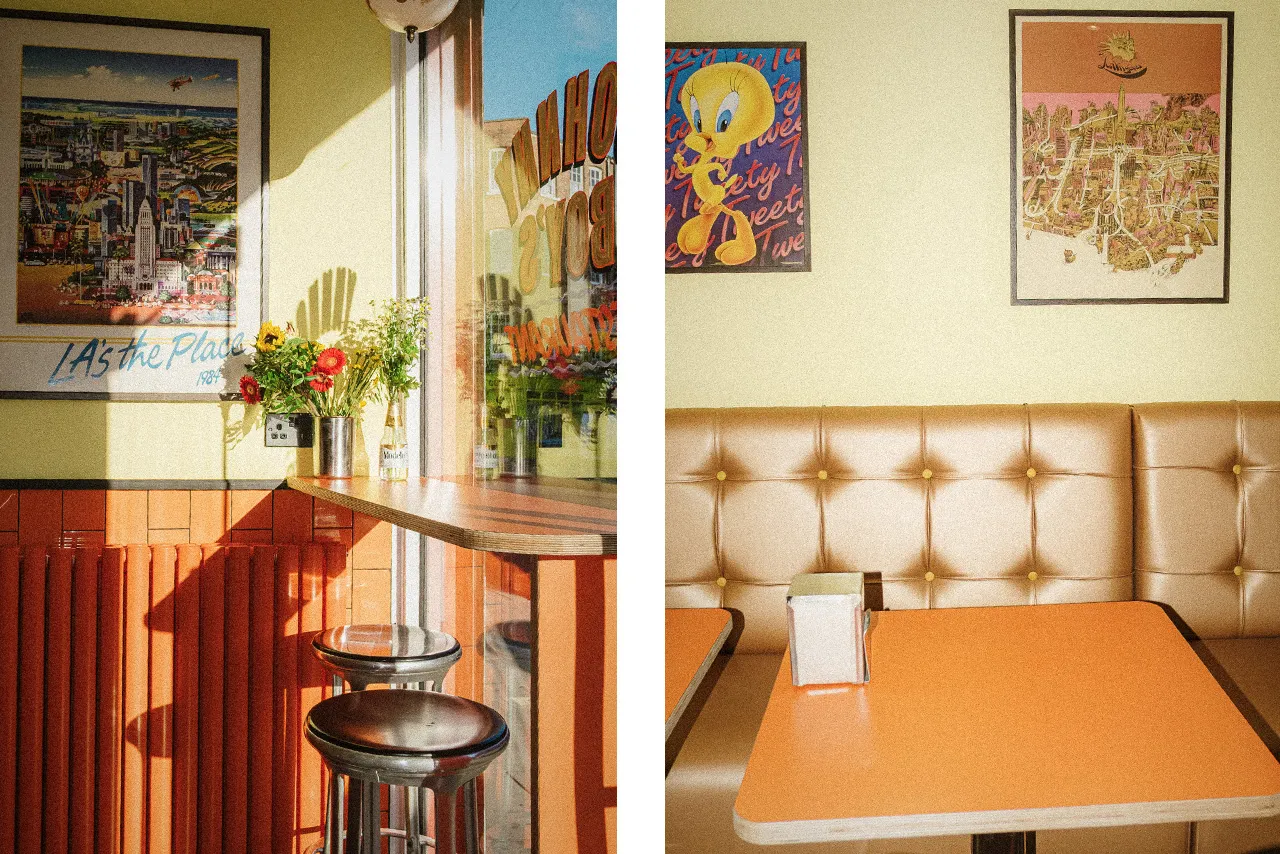
Restaurants that are intended as homages to childhood memories are often hard to pull off (writes Chiara Rimella). That’s especially true when it comes to echoing the infallibly cool, old-school trappings of casual American neighbourhood joints. But in north London, Los Angeles-born Julian Denis (the name behind vegan Chinese restaurant Facing Heaven and cocktail-cum-taco bar Easy 8) has done a brilliant job of recreating the breezy spirit of southern California’s easy-going eateries.
|
|
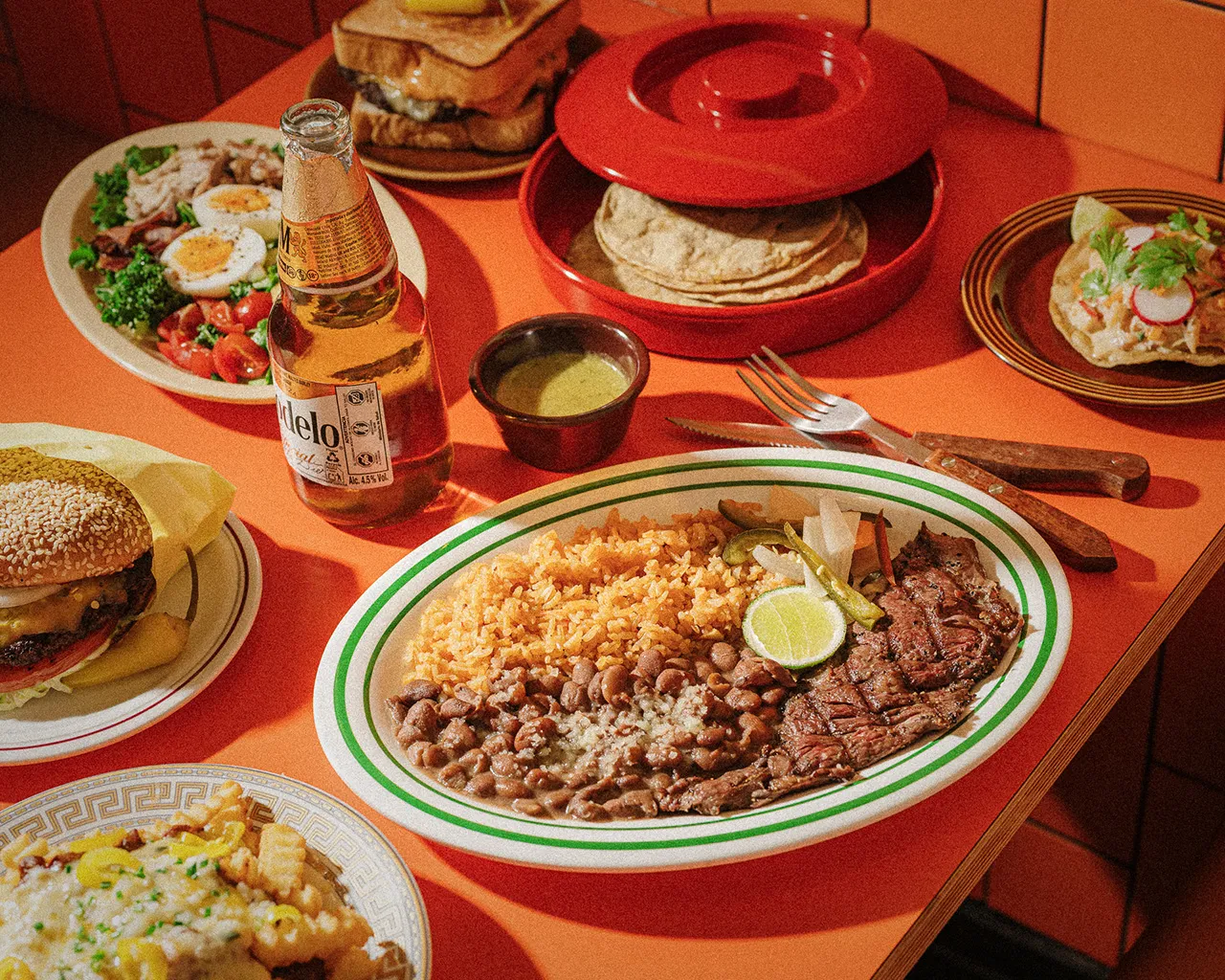
The atmosphere at Johnny Boy’s is sunny and retro, with bright-orange Formica tables and tiles, brown booths, metal stools and cheery vintage crockery. The menu leans into an American-style hybrid of international influences. The crab tostadas are zingy and juicy; the crispy chicken comes accompanied by the fluffiest Hawaiian roll; the patty melt, sweet with soft caramelised onions, oozes American and Swiss cheese; the courgette fries are irresistible with their ranch-inspired dip. But the highlight is the steak plate: a tender grilled bavette flanked with beans, rice, tortillas and a variety of salsas. Visit during the weekend for breakfast too. As tradition dictates, there’s bottomless coffee to go with your burritos.
eatatjohnnyboys.com
Monocle’s guide to London explores the restaurants, hotels and galleries worth your while.
|
|
RECIPE: Ranie Saidi
Charred chicken with harissa soy and tamarind butter beans
“This chicken recipe features tamarind for sourness, soy for a deep salty umami and harissa, which adds a gentle, sweet heat,” says Monocle’s Malaysian recipe writer Ranie Saidi. The butter beans soften everything by catching the sauce and turning creamy, while basil lifts the flavour at the end.

|
Serves 2
Ingredients
For the chicken
2-3 chicken legs (500g), skin on
For the marinade
1 tbsp honey
1 tbsp harissa paste
1 tbsp soy sauce
2 tbsps tamarind paste
1 tsp white pepper
1 ½ inch ginger, grated
3 garlic clove, grated
1 tbsp oil
For the beans
1 tbsp harissa
2 tbsps tamarind paste
400g canned butter beans, with the liquid reserved
½ tsp salt
5g basil, chopped
Method
1.
Mix the chicken with the marinade and chill for 15 to 30 minutes, or longer if you can.
2.
Heat the oven to 180C. Place the chicken skin-side down on a baking tray and bake for 10 minutes, keeping the leftover marinade. Turn and bake for another 8 to 10 minutes, until charred and cooked through. Check the thickest part of the meat with a food thermometer; when ready, it should read 75C.
3.
For the beans, warm the leftover marinade in a saucepan. Add the harissa and tamarind paste, then simmer gently. Stir in the butter beans with the liquid and cook for 3 to 5 minutes.
Season with salt if needed, finish with basil and serve with the chicken.
|
|
SUNDAY ROAST: Jeremy Lee
No man is a kitchen island
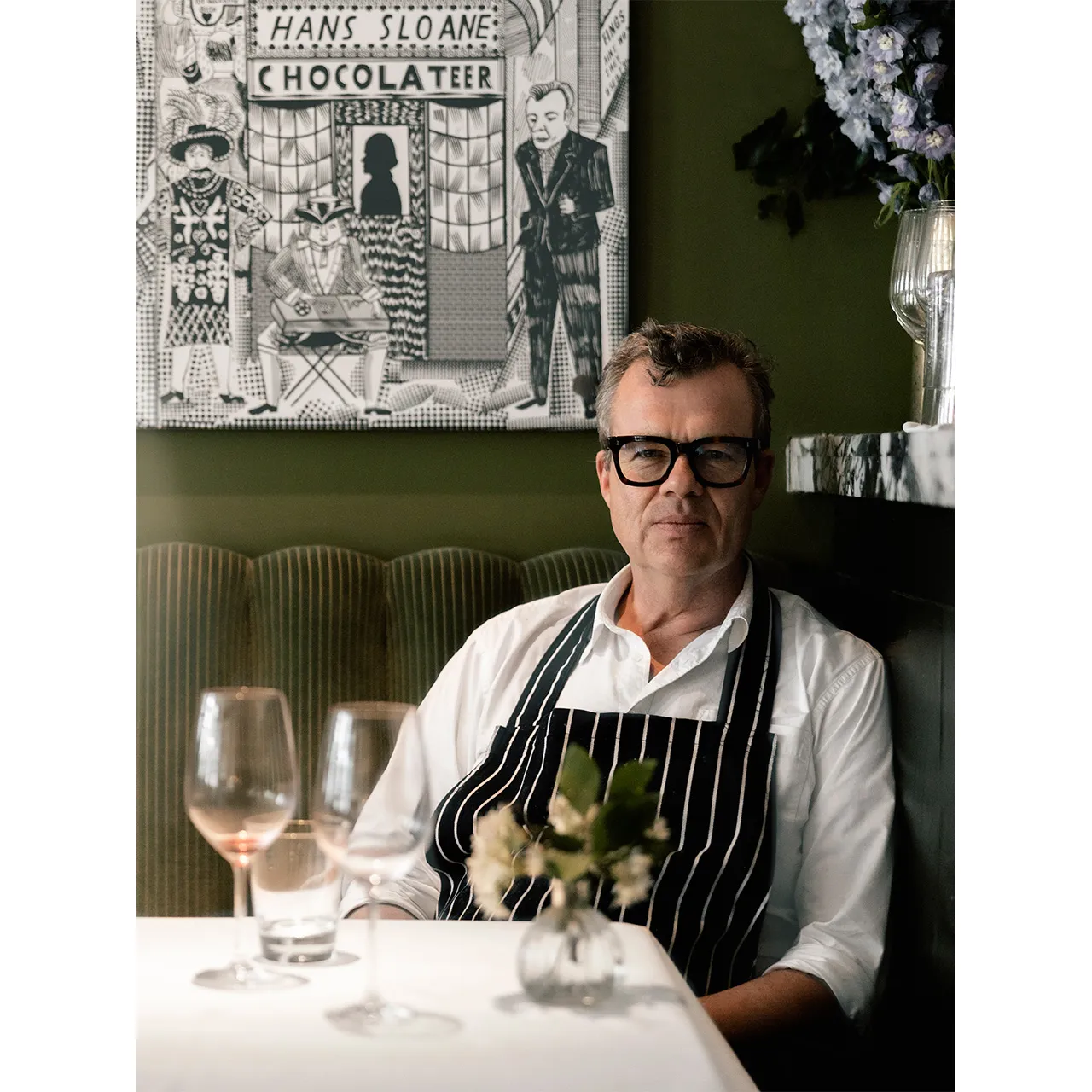
Since 2012, Scottish chef Jeremy Lee has been luring diners off Dean Street in London’s Soho and into the century-old Quo Vadis, where he is the chef proprietor (writes Blake Matich). In his new title, Kitchening: Day-to-Day Good Food, Come Rain or Shine, Lee lets readers into his kitchen for a lesson in the joys of everyday cooking and making the most of seasonal produce. Here Lee tells us about starting the day with a well-laden butler’s tray and how he makes his Sundays feel cinematic.
|
What do we find you doing this weekend?
Cooking with the gorgeous April Bloomfield, a dear old friend, at her wonderful restaurant Sailor in Brooklyn.
Ideal start to a Sunday? Gentle start or a jolt?
Always a gentle start. This will usually involve an old favourite: a wooden butlers tray, laid with a pot of Darjeeling, a strainer, a cup and a great big plate of biscuits. Hold the milk.
What’s on the breakfast table?
Being very blessed, I live near E5 Bakehouse [in London’s Hackney]. A big basket of croissants, a pot of marmalade, a pat of butter and – if I’m pushing the boat out – streaky bacon.
Where do you go for your caffeine fix?
Climpson & Sons café on Broadway Market. We love them.
A Sunday soundtrack?
English composer John Barry’s score for The Ipcress File.
Sunday arts/culture must?
I’ll likely be found watching an Alfred Hitchcock film at the British Film Institute.
What are you reading? Magazines or books?
Either the latest edition of Luncheon magazine or something from the huge pile of books by my bedside, which seems to grow continuously.
What’s on the menu?
Ideally, dim sum at Royal China or roasting guinea fowl with a mountain of vegetables.
And to drink?
Either beaujolais or burgundy. But Sunday mornings herald a glass of Guinness or a bloody mary.
A pantry essential?
Olive oil – and I’m talking about the good stuff.
Which brands does your wardrobe currently consist of?
Oliver Spencer, Original Fibres, Toast and YMC.
Next on the travel itinerary?
I’m setting a course for Scotland, where I will pay a visit to the village of St Monans in Fife to cook at Stocks Kitchen in Bowhouse.
‘Kitchening: Day-to-Day Good Food, Come Rain or Shine’ is out now.
|
|
WEEKEND PLANS? Locanda Cipriani, torcello, italy
Time and tide
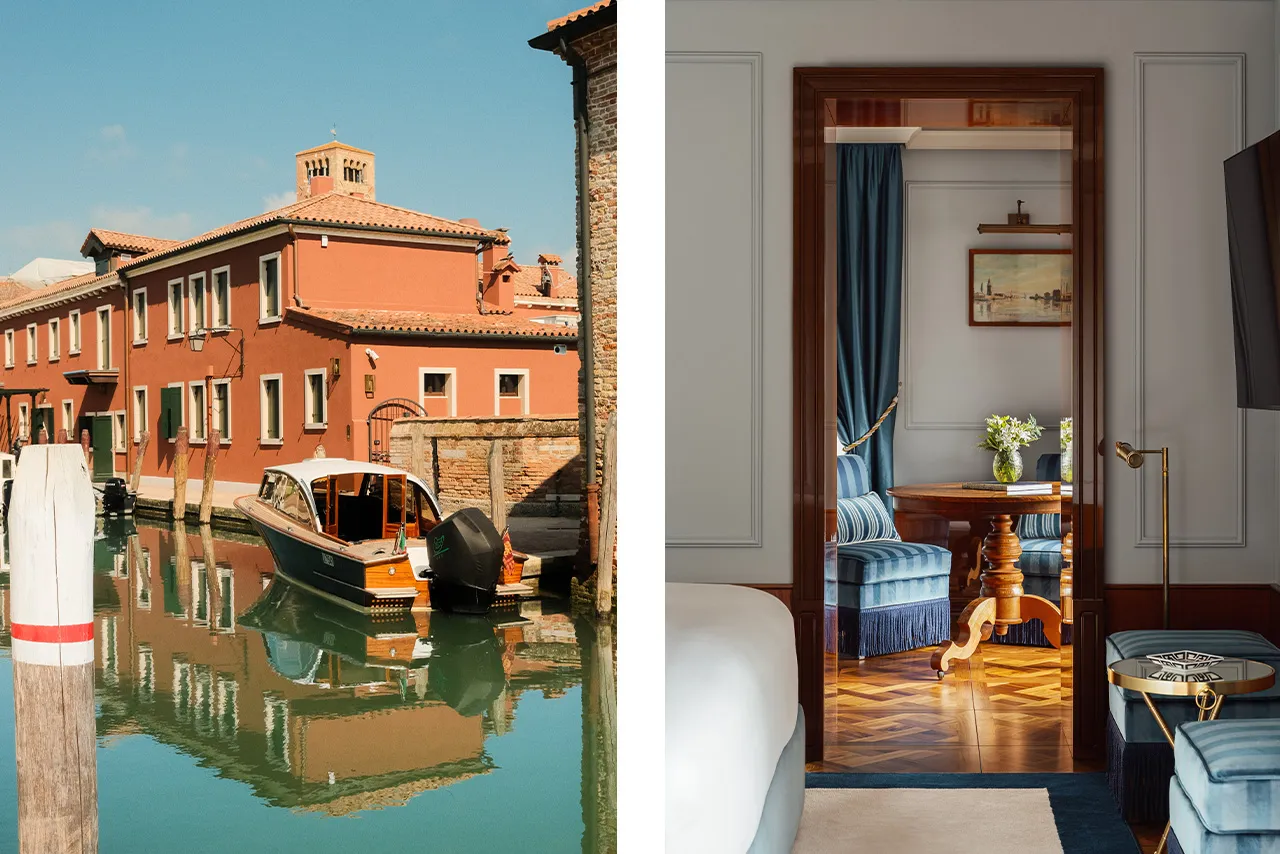
The Cipriani name will forever be linked with Venice (writes Ivan Carvalho). But the hospitality brand’s presence extends beyond the floating city’s canals and deep into the lagoon. On the northern island of Torcello, 40 minutes from the Santa Lucia railway station by water taxi, is the inviting Locanda Torcello. The inn traces its origins to the 1930s when the founder of the famed Harry’s Bar, Giuseppe Cipriani, decided to transform a simple osteria into a tranquil refuge for weary travellers.
|
|
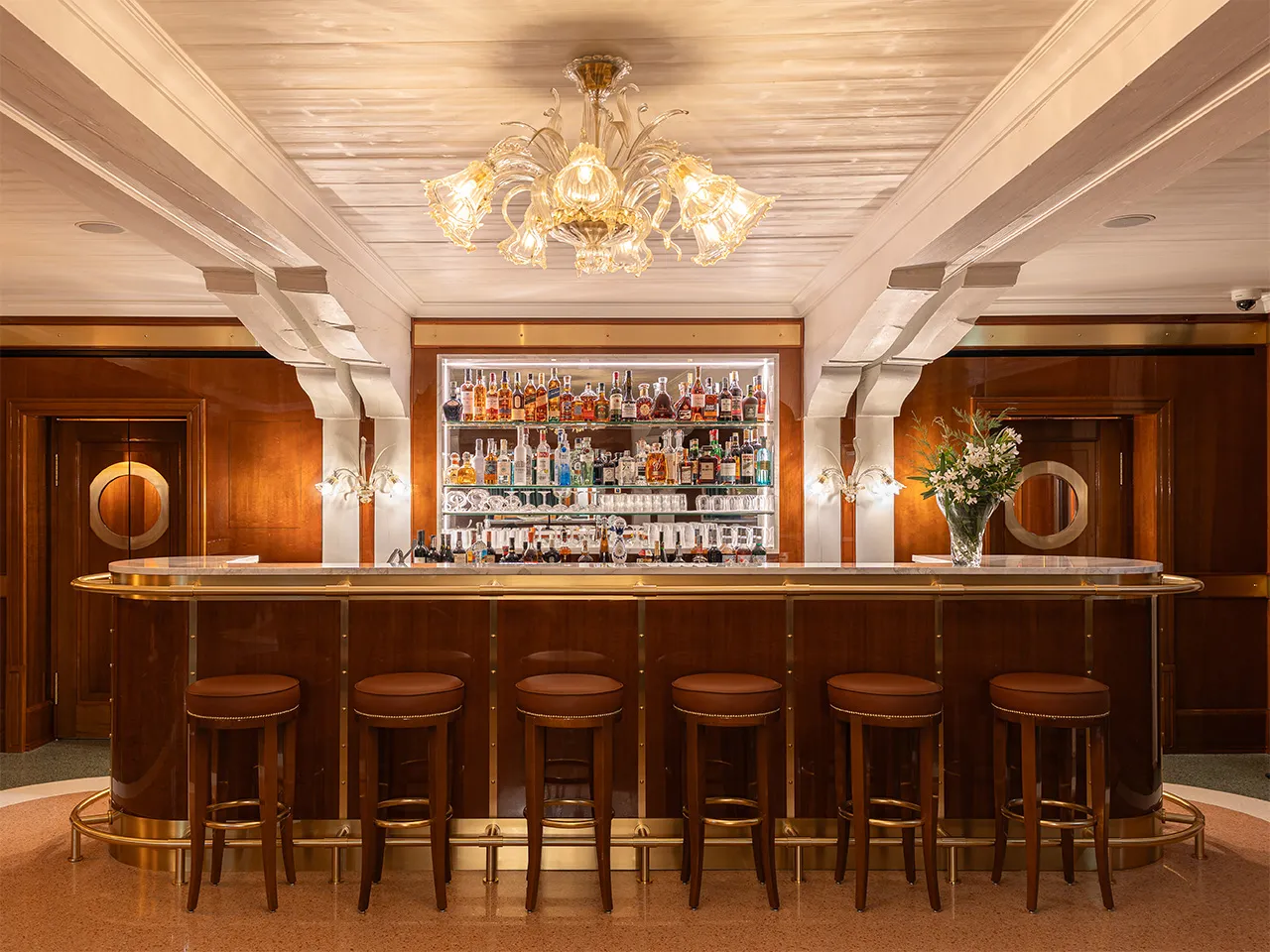
This summer, after a three-year renovation, the property reopened with tastefully arranged interiors. Where there were once six, guests now find 10 suites decorated with handcrafted furnishings and emblematic Murano glass lamps. To satisfy the palate, head to the establishment’s 120-seat restaurant and indulge in a refreshing bellini cocktail with Castraure artichokes from Torcello or a plate of bigoli – a thick pasta tossed with slow-cooked onions and anchovy sauce.
locandacipriani.com
Monocle’s annual travel special, ‘The Escapist’, is jam-packed with stories on hospitality and the roads worth taking. On newsstands now.
|
|
Stock up: Rough Rice
Good things take time
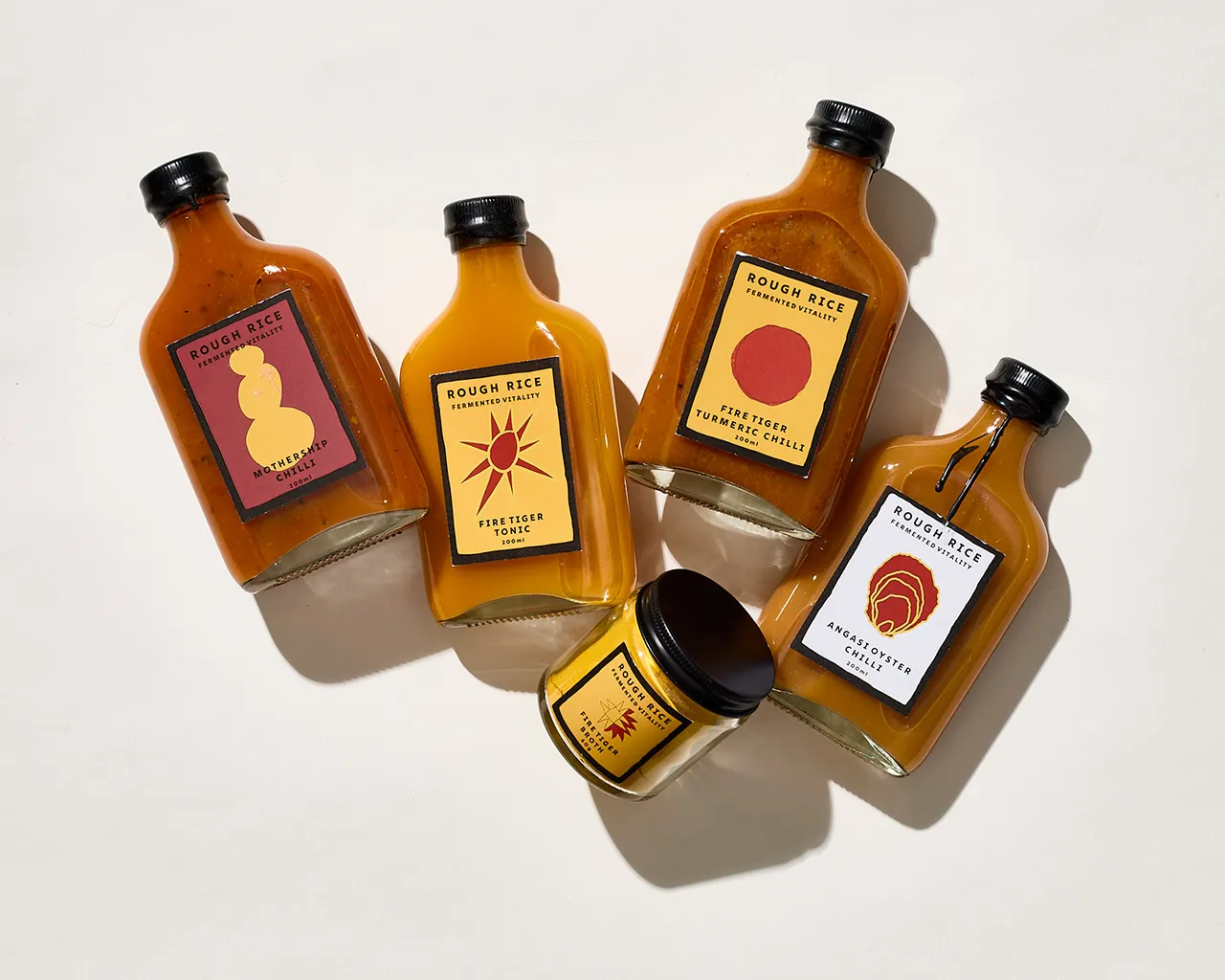
Monocle finds Rough Rice founder Adam James in his flavour workshop, where the aroma of peppermint gums drifts through the air (writes Blake Matich). It’s here in Tasmania that the self-taught cook tinkers with what he calls “the alchemy of fermentation and flavour making”. “I’ve always worked within the realm of food,” says the Melbourne-born chef, “but 10 years ago I received a Churchill Fellowship to travel the world and learn directly from artisans, predominantly in Japan, China and Korea, and that changed everything.” Now James uses the techniques he learnt abroad and applies them to Tasmanian ingredients – most of which he sources from local small organic farms or forages himself.
The not-so-secret ingredient is patience. “By fermenting – sometimes for years – you cr | | | | |