|
|
|
Newsletter continues after sponsor message
|
|
|
Robyn Beck/AFP/Getty Images |
|
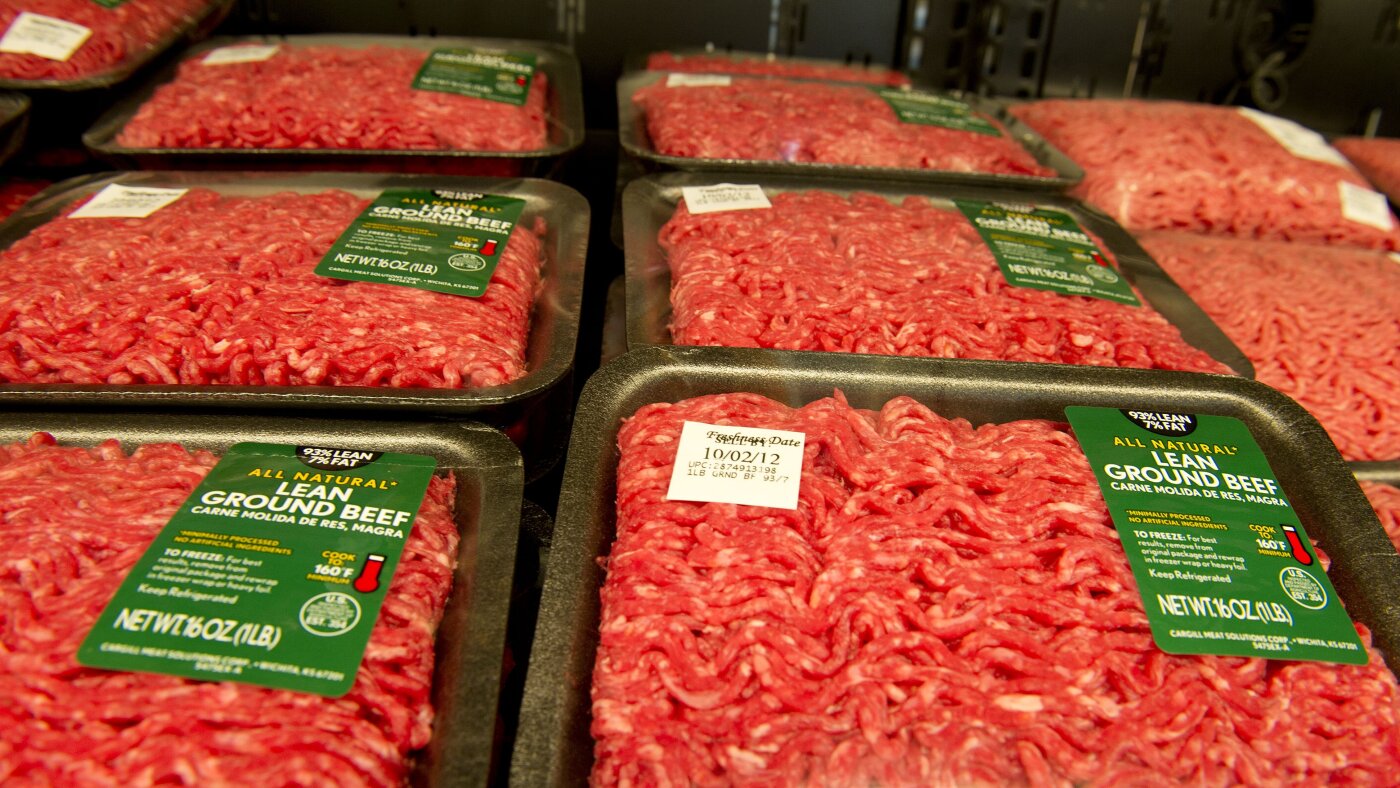
Okay, we should go ahead and acknowledge not everyone has the time to garden – heck, some of us barely have time to cook! That’s the case for 30-year-old Marquis Hawkes, who works as a government contractor and is a part-time personal trainer. He doesn’t have much time for cooking during the week, but as a trainer and bodybuilder, nutrition matters to him.
His solution? “Boy kibble,” a single-bowl mix of ground beef and white rice that closely resembles dog food. Hawkes likes to add diced onions, peppers and a little hot honey. Boy kibble is a viral social media food trend marketed as high protein and quick to prepare, as NPR’s Jessica Green reports.
Zachary Mulvihill, a clinical professor and physician at New York-Presbyterian Hospital says many boy kibble recipes are missing a crucial component: vegetables. "If you were to look at your plate, 50% of your plate should be vegetables. Twenty-five percent of your plate should be carbs, and 25% should be protein," Mulvihill says. He says it’s easy to add vegetables in the mix. He recommends precooked beets and frozen veggies to maintain the convenience factor.
Los Angeles-based personal trainer Erik Rokisky, 33, suggests trying potatoes instead of white rice because they are higher in fiber and lower in calories. Rokisky champions paying attention beyond carbohydrates, protein and fats, and prioritizing micronutrients. Here’s his recipe (and his abs).
Learn more about these no-fuss food trends, and what they may signify culturally.
Plus: Hate food waste? 7 creative ways to turn your leftovers into a new meal |
|
We, the people, decide what’s next for this free press.Public media is a check on power. We’re accountable only to you, the public, not special interests.
But a free press doesn’t just happen. Together, we decide whether this service will merely continue…or thrive.
It takes all of us to power our collective right to know.
Especially heading into our second year without federal funding, now is the time to join the people who power this work by donating now. |
|
|
|
When my mom took her seat after cooking and serving dinner, she’d announce “Mommy sitting down,” loud enough for the whole family to hear. As a kid, I understood that she was letting us know her labor in the kitchen was over, and she did not intend to get out of her chair until she was finished eating. Still if you asked 7-year-old Andrea what “Mommy sitting down” was all about, I would have probably told you it’s just one of those silly things that moms say.
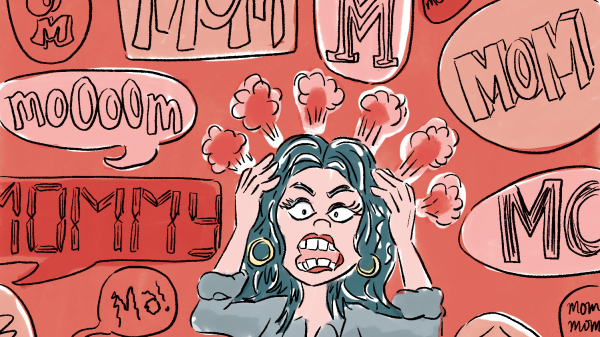
But as an adult, I’ve come to appreciate how daunting the day-in and day-out of parenting can be – and how easy it can be to lose your temper. Marriage and family therapist Cassidy Freitas might say my mother was finding refuge in “the margins,” carving out a small space in the day where she put her needs first.
Freitas is the author of the new book Mom Needs A Moment, and a mother of three. Freitas spoke with NPR’s Life Kit about how to cool down or get ahead of big emotions in three tough (but common) parenting scenarios.
😬 In high-stress situations
Freita says in moments of high stress – say one kid is late for school and the toddler needs a diaper change and she can’t find her car keys – she will place a hand on her chest. It reminds her to take a deep breath, and it signals to her children that she needs to take a beat. She uses that small bit of space to take a few slow, intentional breaths with extended exhales. That practice helps reset her nervous system and keep her calm.
She says once that stressful moment has passed, it’s helpful to reflect on the true source of your anger. Are you worried about being judged by parents or teachers if you drop off your kid late? Getting to the root of the problem can help you make better choices in the future.
🍷 When a fun grownup hang means less time with your little ones
If you feel pulled between the desire to socialize and guilt about missing out on bedtime, Freitas says ask yourself this: If your best friend came to you and shared the same concern, how would you respond?
Maybe making time for maintaining friendships is something you want to model for your kids. Maybe you'll be a better, more connected parent if you protect these opportunities for yourself. Give yourself the same grace you would provide that friend of yours, she says.
💣 When you snap at the kiddos
Every parent will lose their cool at one point or another — and that's OK, says Freitas. In an age-appropriate way, acknowledge that you were struggling in that moment and you made a mistake.
"Kids love that," says Freitas. "They want to see you as a human being. They want to know you." Knowing that mom or dad makes mistakes — and then learns from them — can make it easier for them to do the same.
Read more here, or listen to the full Lifekit episode on managing parental rage.
Plus: Parents, are you worried about burnout? Here are 3 red flags to watch out for |
|
Kateryna Kon/Science Photo Library/Getty Images |
|
Listen: Vaccinated or not, we’re on the brink of a measles epidemic
FDA advisory panel recommends a first: multi-cancer blood test
These 6 charts show how NIH research funding has been reshaped under Trump
Latest CDC report on youth behavior has some good news — and MAHA vibes |
|
We hope you enjoyed these stories. Find more of NPR's health journalism online.
All our best,
Andrea Muraskin and your NPR Health editors |
|
Listen to your local NPR station. |
|
Visit NPR.org to find your local station stream. |
|
|
| |
|
|
|
|
|
|
|
|
You received this message because you're subscribed to Health emails. This email was sent by National Public Radio, Inc., 1111 North Capitol Street NE, Washington, DC 20002
Unsubscribe | Privacy Policy |
 |
|
|
|
|
|
|
|