Hello! Today’s newsletter highlights three separate stories from the United States, Madagascar and Cuba. They all have one thing in common - contamination.
We’ll look at how Iowa's soaring cancer rates have become a campaign issue for both parties ahead of November’s mid-term elections. Many voters fear that the state's worsening water pollution from nitrates and other chemicals may be to blame for a spike in cases.
Then we’ll unpack a legal showdown pitting more than 6,500 people in Madagascar against mining group Rio Tinto. The islanders have filed a claim in London’s High Court, alleging that contamination from the company's mineral sands operation exposed them to dangerous levels of lead and uranium.
Meanwhile, health authorities in Cuba have warned in recent days of the spread of viruses, including a strain of viral hepatitis, as power and water increasingly fail. Also on my radar today: |
|
|
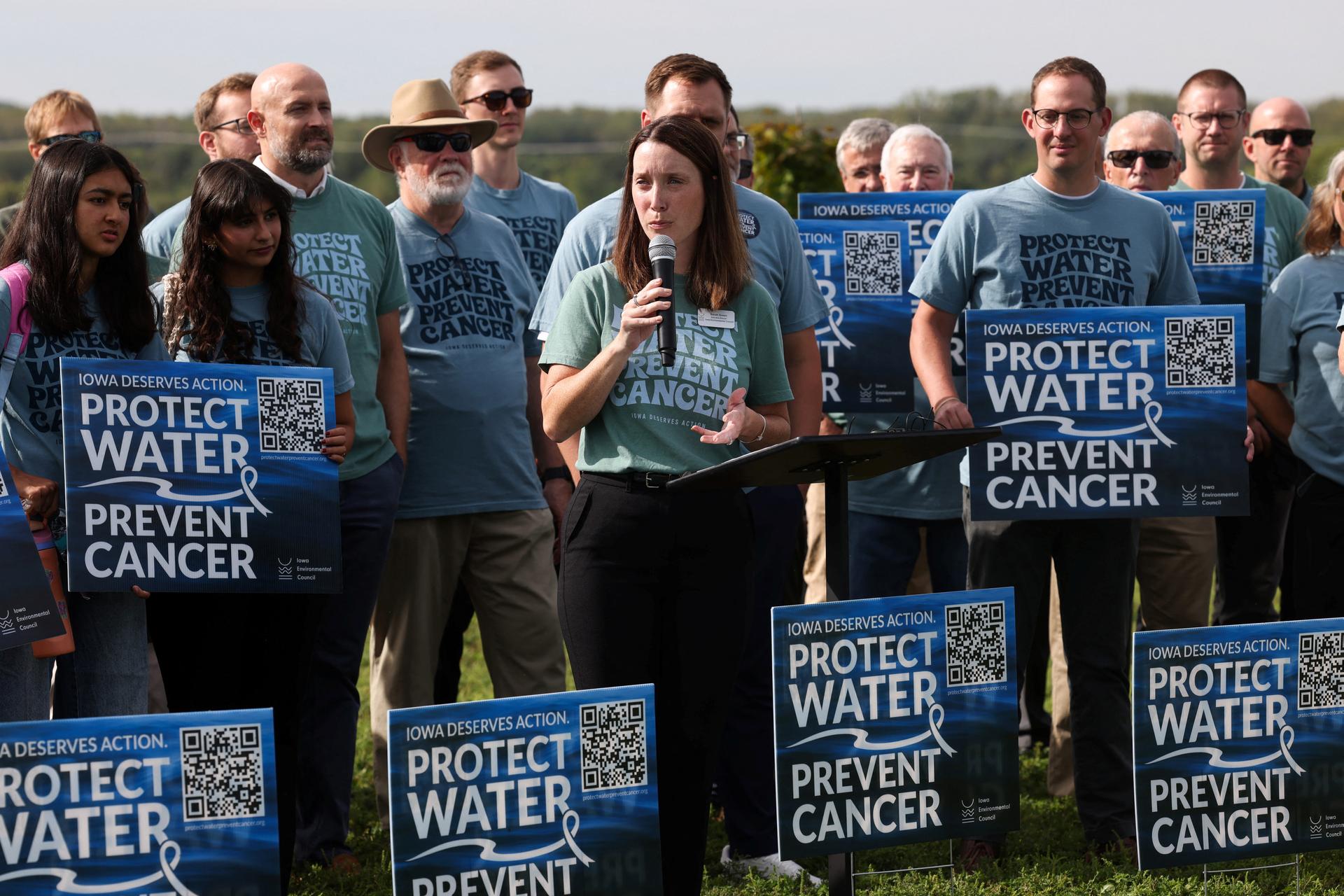
Sarah Green, exec director of the Iowa Environmental Council, launching the Protect Water Prevent Cancer campaign, in West Des Moines, Iowa, US. REUTERS/Rachel Mummey |
Cancer concerns and contaminated water |
Iowa's rising cancer rate - the second highest in the US behind Kentucky - has emerged as a major campaign issue ahead of this year’s vote.
A Reuters review of campaign materials showed that every major candidate in Iowa's competitive races for Congress and the state governorship has talked about their plans to tackle cancer in speeches and online posts.
Candidates have pledged a range of actions from increasing cancer screening to improving water quality monitoring. It is one of just three states where cases are rising, driven by higher rates of lung, prostate and breast cancers, among others, according to the National Cancer Institute at the National Institutes of Health.
Many Iowans tie their cancer concerns to high nitrate levels in the state's water, which can occur when fertilizer washes into rivers and groundwater. About 85% of Iowa is farmland, much of it dedicated to fertilizer-heavy crops such as corn, according to the US Department of Agriculture.
The concentration of nitrates in Iowa's main waterways doubled over the past 50 years and regularly exceeds levels set by the Environmental Protection Agency, according to a 2025 statewide report commissioned by Iowa's Polk County Board of Supervisors.
Scientists have not reached a consensus on the cancer risk posed by nitrate-contaminated drinking water. Some studies, including by the University of Iowa and the National Cancer Institute, have found associations with higher cancer rates or mortality, while others have not.
Click here to find out more about Iowa’s cancer concerns and the possible links between the disease, contaminated water and pesticides. |
|
|
|
Rio Tinto acidic wastewater case |
Over in Britain, a lawsuit has been brought by community groups from Madagascar who live near Rio Tinto's QIT Madagascar Minerals (QMM) mine.
According to law firm Leigh Day, which is representing the claimants, the community groups allege that acidic wastewater containing uranium, lead and other metals was discharged into lakes and waterways used for drinking, cooking, washing and irrigation.
The mine, which is 80%-owned by Rio Tinto, produces ilmenite, which is processed into titanium dioxide, a white pigment used in products including paint, food and toothpaste. Rio Tinto said it had been notified of the claim but had not yet received details, so could not comment further at the moment. |
In Cuba, power outages exacerbated by a US oil blockade have crippled the already crumbling infrastructure that supplies water to Havana's nearly 2 million people. Many regularly go without running water for days or weeks.
Healthcare worker Yuamilka Hechavarria told Reuters how she had been forced to buy water from street vendors or scavenge it from broken pipes. Click here for the full story to find out more about how local clinics are struggling to cope without water. |
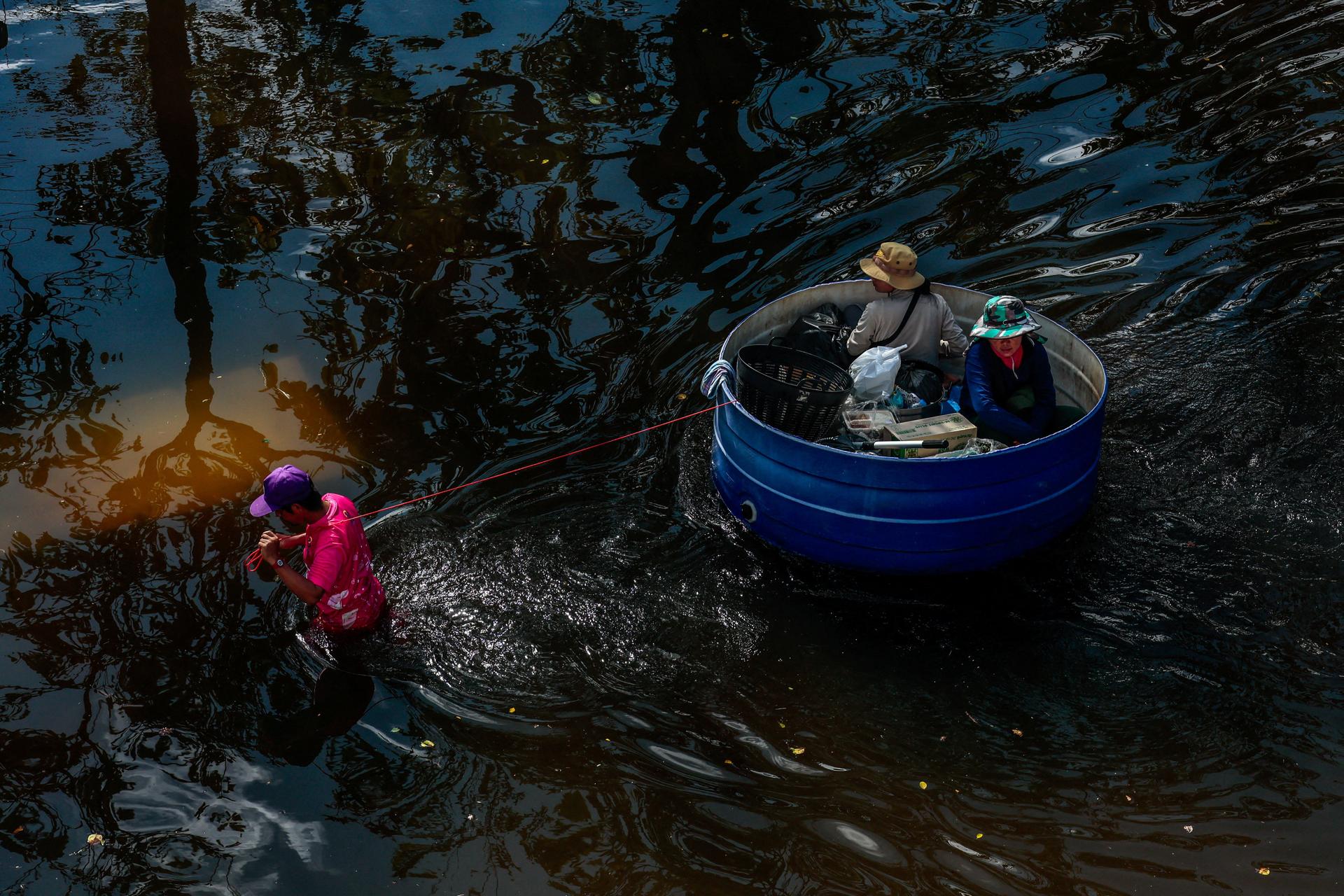
A man pulls a basin carrying people as he navigates the flooded compound of the Sports Authority of Thailand, following heavy rain in Bangkok, Thailand. REUTERS/Patipat Janthong |
-
Thailand floods: The death toll from rains and flooding in Thailand rose to 23, authorities said, as waters receded from the hard-hit capital Bangkok. The city's governor, Chadchart Sittipunt, said he expected floodwater to drain away from Bangkok's major roads within two days, though it will take up to a week for other inundated areas to be cleared out.
-
US climate litigation: Officials in Boulder, Colorado, are seeking to hold major oil companies liable for helping drive climate change and misleading the public about the risks of fossil fuels in a Supreme Court case set to be argued on October 5. The case could determine the fate of dozens of climate-related lawsuits by state and local governments against fossil fuel companies. Click here to learn more about their arguments.
-
UK climate rollbacks: The Financial Conduct Authority, Britain's financial regulator, has dropped plans to require listed companies to inform investors about their climate risks after firms raised concerns about implementation costs and competitiveness. The move follows steps by the European Union to water down its flagship corporate climate disclosure regime.
-
EU methane rules: The European Commission is considering a postponement of the EU's methane emissions rules for oil and gas imports – set out in the world's first law targeting methane emissions from imported fossil fuels – after calls from France, the US and other governments that said the rules could undermine energy security. Click here for an explainer on the rules.
-
Ghana illegal mining crackdown: Ghana, Africa's biggest gold producer, has tightened oversight of its mining sector to boost revenue, increase local participation and strengthen compliance, a senior regulator said. Click here to find out more about the mining companies that have been fined and investigated for environmental breaches and compliance issues linked to illegal gold mining activity.
|
|
|
|
Today’s spotlight showcases a British startup that is turning waste into fertilizer.
Meet NPK Recovery, a company that collects urine from event toilets and processes it into a liquid fertilizer |
|
|
|
|