And Swiss glaciers lose more than 5% of ice.
 

Sustainable Switch

Sustainable Switch

Climate Focus

By Sharon Kimathi, Energy and ESG Editor, Reuters Digital

Hello!

It’s yet another water special today as we pick up where we left off yesterday examining its rising political prominence in next month’s US midterm elections.

Yesterday’s newsletter focused on political candidates in Iowa who pledged a range of actions to tackle their constituents' concerns around rising cancer rates including improving water quality monitoring and increasing early screening for the disease.

Today we turn to Phoenix, Arizona, where the topic of water has risen to the top of politics in this drought-hit state. Click here to revisit a story about the dried up Colorado River Basin.

Governor Katie Hobbs, a Democrat seeking reelection in the November 3 midterm polls, says, “Arizona’s water is for Arizonans” in a TV commercial, claiming she fought the federal government this year for the state's fair share of the Colorado River.

Turning Point USA ‌hit back with street placards across the state's largest city, Phoenix, claiming Hobbs "LOST AZ BILLIONS OF GALLONS OF WATER."

That water has surpassed issues such as affordability, immigration and the Iran war as the most important campaign concern underscores how deeply worried Arizona residents have become by the drought crisis.

A survey released in September by the Center for the Future of Arizona found long-term water supplies were, for the first time, the top concern of Arizona voters. Water had previously ranked second or third in the survey, now in its fifth year.

"This is very new. I don't think I've seen candidates running for governor talking about water issues in the past," said Sybil Francis, head of the CFA, an independent research organization.

Click here to read the full report about Arizona’s water politics.


Climate Buzz

1. Nepal plans to drain four glacial lakes after deadly floods

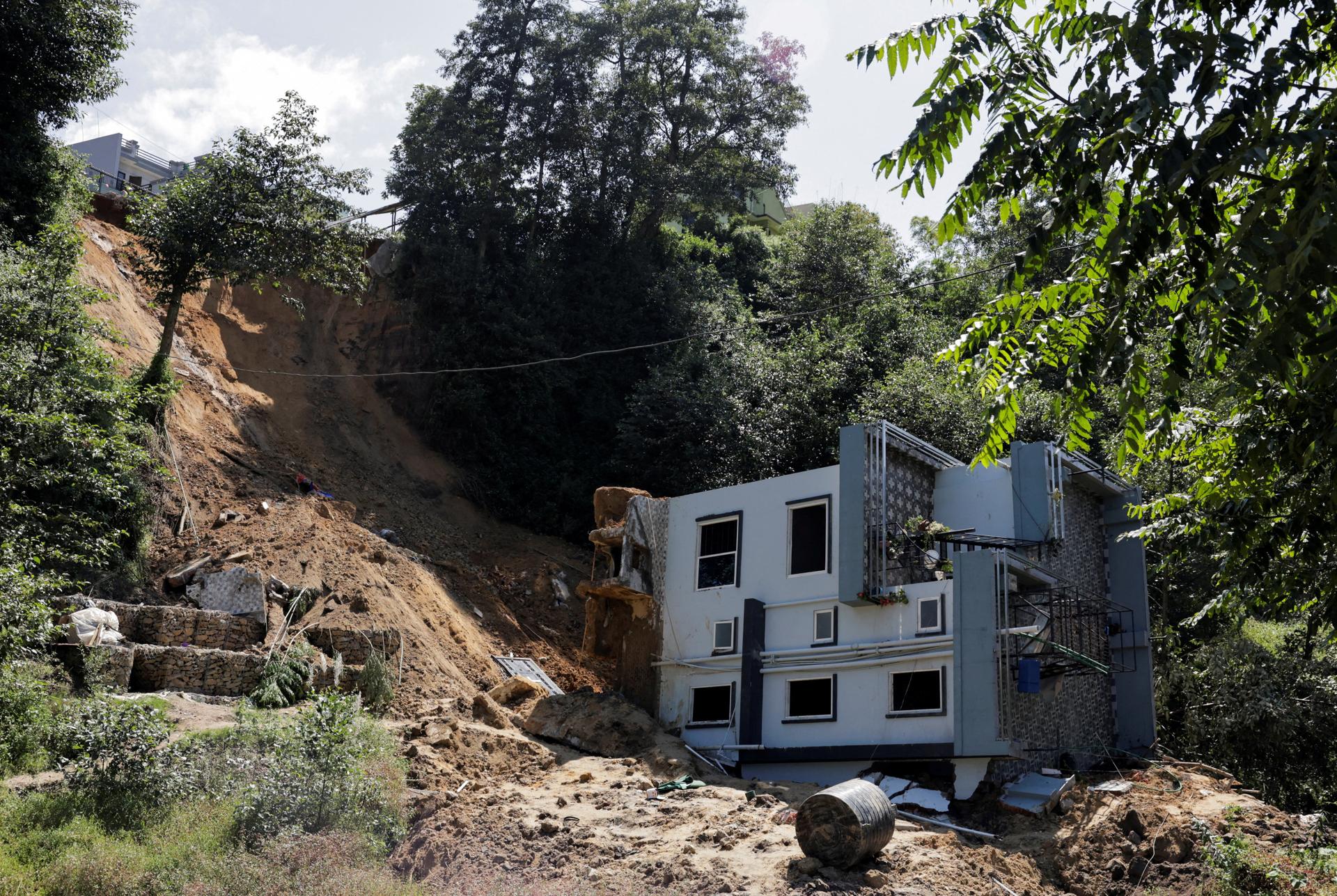
Nepal will kick off a high-stakes effort this fiscal year to drain four glacial lakes perched high in the mountains, after August's glacier collapse unleashed landslides and a flash flood that killed more than 1,400. The work of draining "through gated structures" will start after a detailed study, and could take up to six years to complete, said Sanjeeb Baral, the executive ‌director at Nepal's Centre for Hydrology and Water Resources Research.


A toppled house after it was swept by a landslide, following incessant rains, in Lalitpur, Nepal. REUTERS/Navesh Chitrakar

2. Swiss glaciers lose more than 5% of ice after record heatwave

Switzerland's glaciers lost more than 5% of their ice this year, according to a report by the Swiss Glacier Monitoring Network and the Swiss Commission for Cryosphere Observation of the Swiss Academy of Sciences. The findings underscore the accelerating pace of glacier retreat as extreme melt years become routine, threatening future water supplies and raising questions about the long-term survival of Europe's ice fields.

3. Greece's vanishing lake exposes rapid impact of climate change

After a decade of low rainfall and over-irrigation, Koroneia Lake in northern Greece, once the fifth-largest lake in the country, has shrunk to less than a tenth of its original size, according to data from the National Observatory of Athens. Click here to read more about how the area has become a symbol ⁠of how climate change and drought are impacting northern Greece.

4. Pacific Islands get their climate moment with pre-COP meeting, but the guest list is thin

Australia and its Pacific island partners sought ‌to turn a pre-COP conference in Tuvalu and Fiji next week, a forerunner to the UN's flagship COP31 event, into a headline-grabbing moment when some of the world's most recognisable leaders would visit a tiny atoll threatened by rising seas and extreme weather. But only a few leaders from outside the region are planning to attend, according to diplomats and officials. 

5. Plankton bloom turns Thai island waters a bright, smelly green

The sea off Thailand's popular tourist island of Ko Lan turned a bright, pungent green this week as heavy rains ‌and floods helped spark a plankton bloom that kept some swimmers on shore. Plankton blooms are a natural, recurring phenomenon, but have worsened around the world as climate change has warmed seas, researchers at the Institute of Marine Science, Burapha University said. Click here to check out the story and some of the fascinating images of the bright green sea.


What to Watch

 
Play 
 

Scientists expect the El Niño weather pattern developing in the Pacific to be one of the strongest since records began, parching crops in some regions of the world, while others are hit by flooding. Reuters Business Reporter Elena Casas looks at how the costs will show up in your grocery shopping.  


Climate Commentary

  •  Click here for an insightful long-read by Ethical Corp Magazine editor-in-chief Terry Slavin who spoke to cattle-farmers-turned-cocoa-growers, conservation NGOs and more about turning to the benefits of sustainable cocoa farming.
  • Clean energy technologies require far larger quantities of rare earth minerals than conventional energy systems, according to the International Energy Agency. Click here to find out more about how demand linked to the energy transition is only set to grow over the coming decades in a piece by Reuters global energy transition columnist Gavin Maguire. 
 

Climate Lens


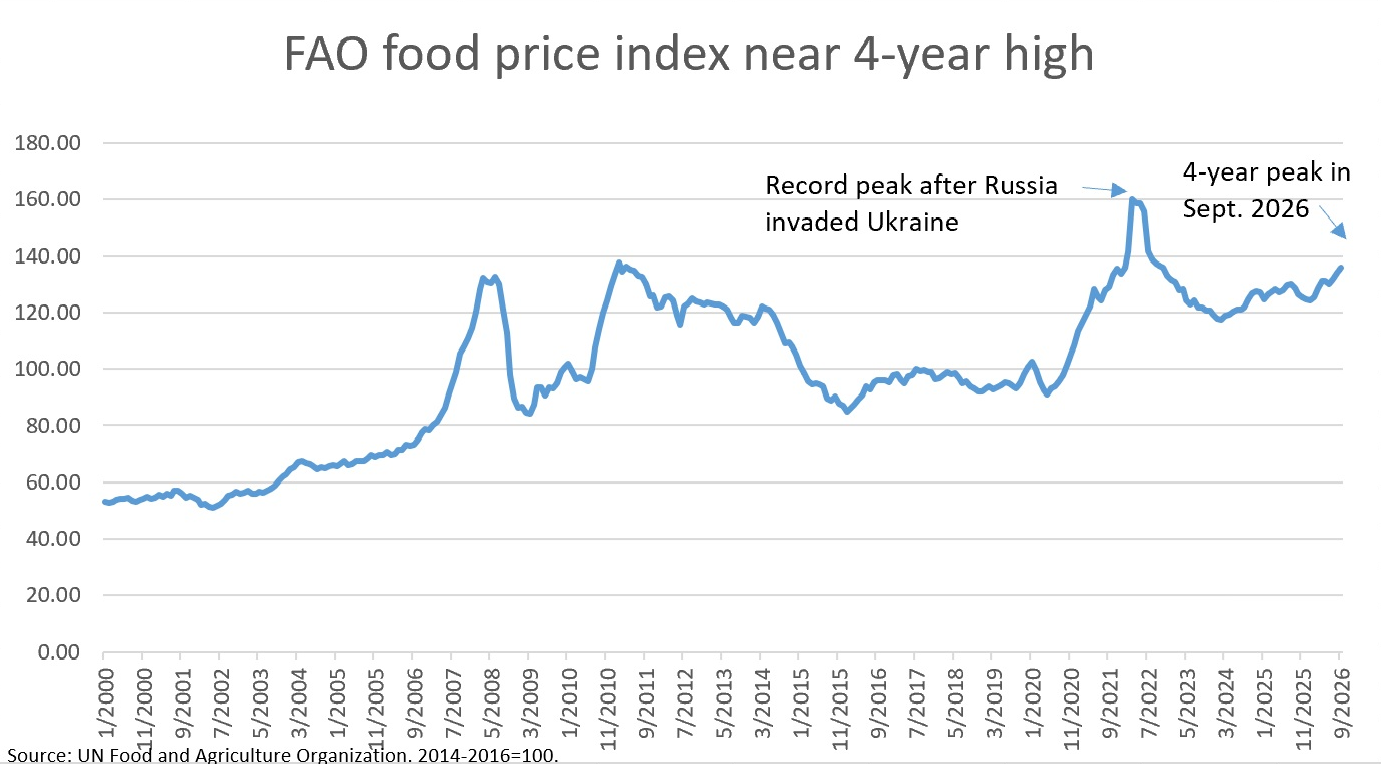
Sticking with the theme of El Nino and groceries, the United Nations' Food and Agriculture Organization said that the world’s food prices rose in September to their highest in nearly four years as logistics disruptions and weather concerns affected crop markets. Click here for the full Reuters story.


Number of the Week