| | Germany’s former spy chief is arrested, India’s first bullet train project loses steam, and Chinese ͏ ͏ ͏ ͏ ͏ ͏ |
| |  | Flagship |  |
| |
|
The World Today | 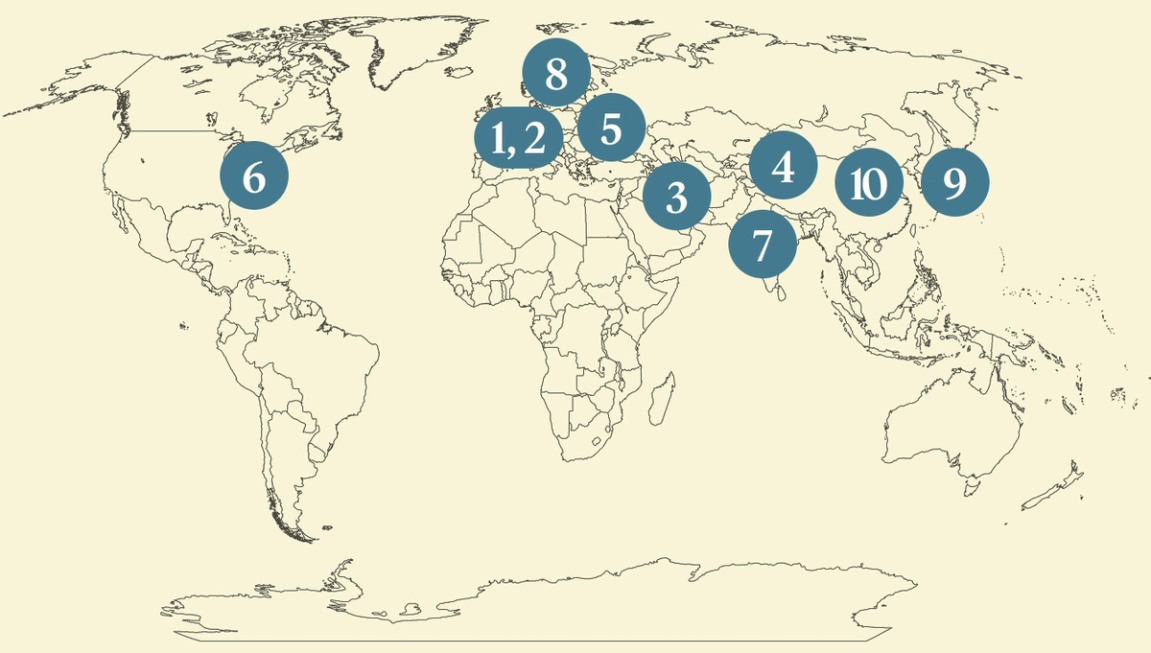 - German ex-spy chief’s arrest
- France’s spiraling fiscal crisis
- The next energy bottleneck
- China taps deep oil reserves
- El Niño could help Ukraine
- Brookfield shares the AI pot
- India’s first bullet train woes
- A new kind of astronomy
- Census fraud case in Japan
- Seeking surrogates abroad
 As good a time as any to read this French philosopher’s ‘virtuosic memoir.’ |
|
Former German spy chief arrested |
 Fabrizio Bensch/Reuters Fabrizio Bensch/ReutersThe former head of Germany’s foreign intelligence service was arrested Tuesday on suspicion of treason and conducting espionage on behalf of foreign governments, in a major blow to Berlin’s security establishment. Though the BND has historically been plagued by spying scandals — deterring some Western partners from sharing intelligence — August Hanning, who left the agency in 2005, is its first former chief to face charges. The revelations add pressure on an intelligence establishment trying to remake itself after decades, and complicate Berlin’s efforts to counter Russia’s hybrid war, as lawmakers debate expanding the BND’s powers. But a ruling party lawmaker cast the arrest in a positive light, telling DW it shows that Germany “will not tolerate the betrayal of secrets.” |
|
French budget crisis worsens amid protests |
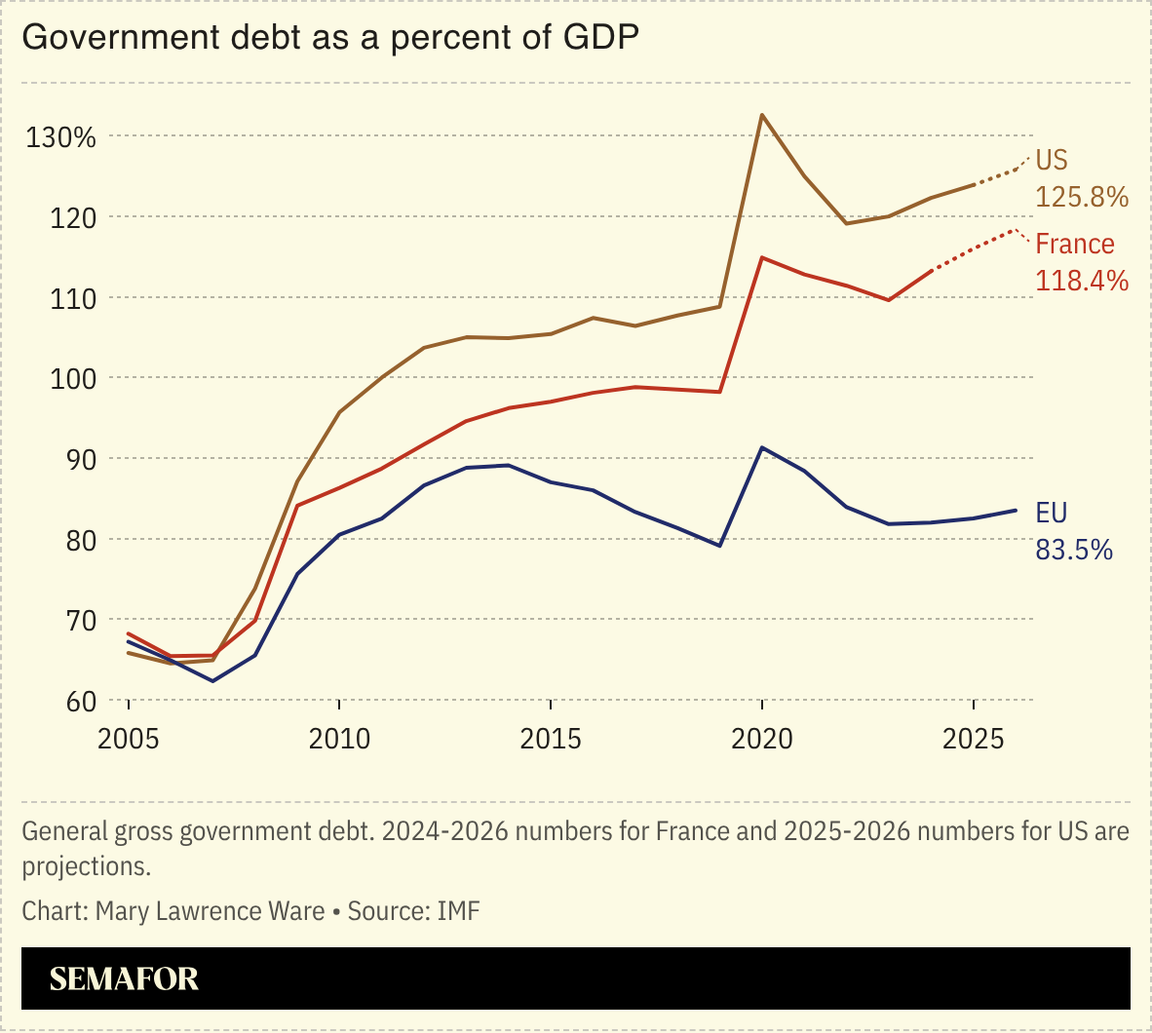 France could be on the precipice of a financial crisis, as escalating student protests roiled an already shaky bond market. A pre-election debt selloff, lame-duck government, and massive demonstrations have raised fears that Paris’ budgetary crisis is untameable. Presidential frontrunner Marine Le Pen vowed deep budget cuts Tuesday to lower the deficit, but has also pledged to increase retirement benefits. “In France we have this reflex of always asking the state for a bit of magic money — to pay, pay, pay,” a centrist lawmaker told The Wall Street Journal. France would likely get a bailout in the event of default, one economist noted, “but it is not too big for the markets to punish,” a former European finance minister argued. |
|
Tankers could be next energy bottleneck |
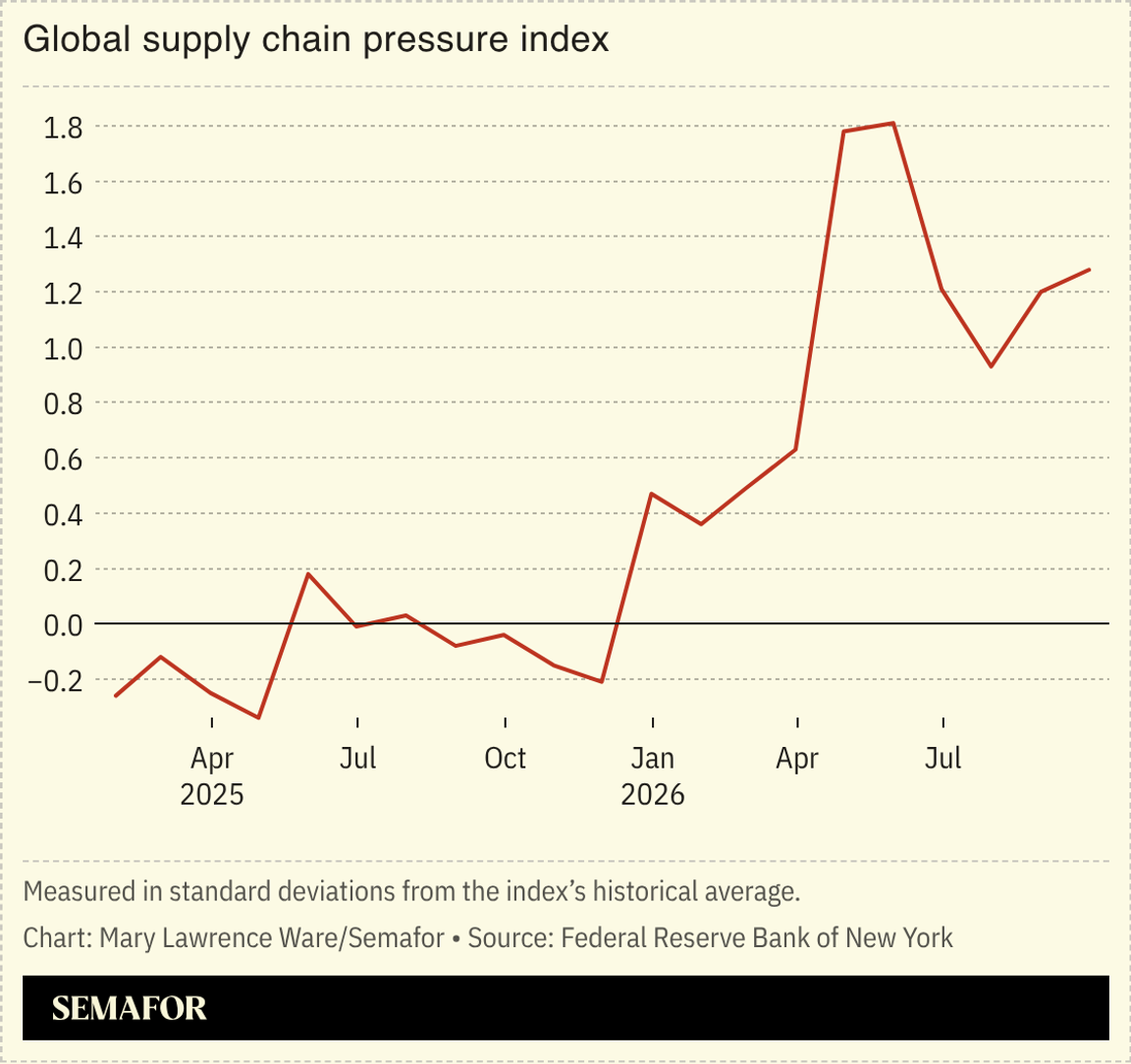 Drones struck two tankers in the Black Sea near Bulgaria on Tuesday, in the first attack on shipping in the NATO member’s exclusive economic zone. The strikes come amid wars in Europe and the Middle East in which commercial shipping is regularly targeted, raising fears that the supply of endangered tankers could become the next energy bottleneck: Traffic in the Strait of Hormuz has largely rebounded, but only at great risk to tankers, 20 of which have been struck in the last month, suggesting recovery could be unsustainable. The Iran conflict began “with a crude crisis… [that] turned into a product crisis,” the head of the world’s largest independent oil trader told the Financial Times. “It is turning into a shipping crisis.” |
|
China expands ultra-deep O&G drilling |
 Stringer/Reuters Stringer/ReutersChina is expanding its efforts to drill ultra-deep oil and gas wells — defined as more than three-and-a-half miles deep — as the world’s largest crude importer steps up domestic exploration. Like the US, China also broke oil and gas production records in 2025, though it has hastened its efforts this year in a bid to shield itself from war-related vicissitudes in global energy markets, The South China Morning Post reported, reflecting one prong of Beijing’s variegated energy approach. China’s “enormous oil stockpiles, overland pipelines, new technologies to convert coal to chemicals, and embrace of green technologies have given Beijing strategic leverage” over its island neighbors, which remain cripplingly dependent on imported energy, Semafor’s China columnist argued. |
|
El Niño to Ukraine’s rescue |
 Valentyn Ogirenko/Reuters Valentyn Ogirenko/ReutersRussia is once again ramping up attacks on Ukraine’s electricity grid ahead of winter, but Kyiv has a new ally in its corner, Semafor’s Energy editor noted: El Niño. A potentially record-breaking El Niño weather pattern is expected to produce a wet and mild European winter, undercutting Moscow’s strategy to freeze Ukraine into submission, though Russia’s new jet-powered drones and Ukraine’s paucity of interceptors may enable the Kremlin to strike more widely. But Ukraine, which faced its coldest winter in decades last year, is now sitting on a natural gas surplus, along with more resilient grids, thanks to the EU delivering $115 million in energy equipment to Ukrainian firms to prepare for winter attacks. |
|
Money managers share the AI pot |
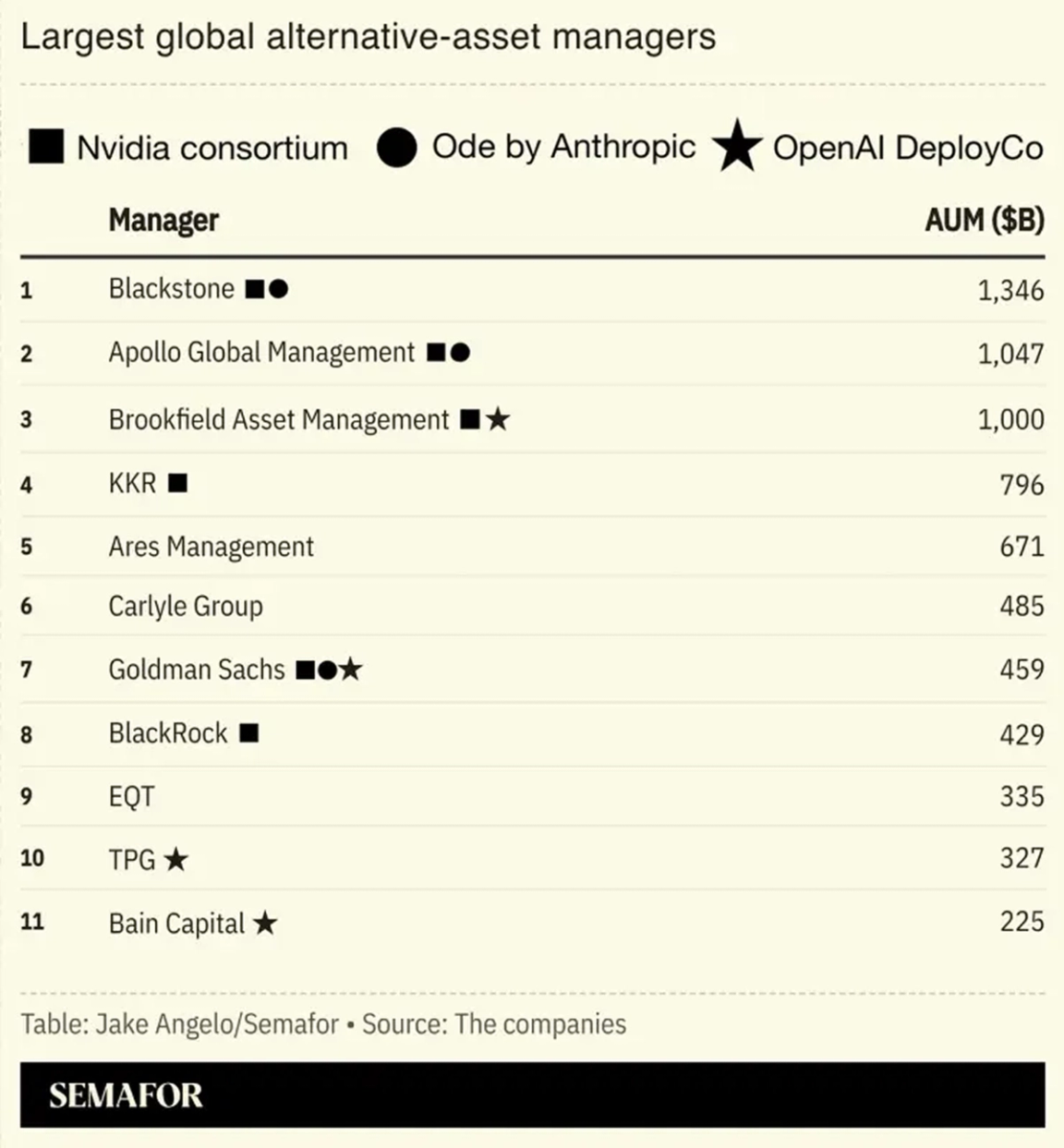 The world’s biggest money managers see enough profit ahead in the data center power boom that they’re willing to play nice with each other, Brookfield Asset Management’s CEO told Semafor: “There’s enough to go around.” AI is upending the logic that one of the keys to success on Wall Street is to make money and make it differently than others, Semafor’s Liz Hoffman argued. Anthropic’s consultancy raised $1.5 billion from Blackstone, Goldman Sachs, and Apollo, among others. Though “some of the crowding can be explained by the sheer amount of money needed,” Hoffman wrote, AI is starting to look like an ‘IBGYBG’ trade — a Wall Street phrase that gained currency after the 2008 crash: “I’ll be gone, you’ll be gone.” |
|
India’s bullet train project loses steam |
 Amit Dave/Reuters Amit Dave/ReutersIndia’s first bullet train is yet to transport a single passenger 10 years after the joint project with Japan broke ground, as the undertaking devolves into sniping and recriminations. The route is expected to come into service next summer, albeit using slower trains that won’t cover the planned 316 miles. While a former Japanese minister said the delays are “100 per cent the fault of the Indian side,” unforeseen difficulties arising from COVID and land acquisition also derailed the initiative, the International High-Speed Rail Association’s head told The Indian Express. Despite tensions, Tokyo and New Delhi remain mostly aligned, an Indian diplomat told the Financial Times: “The velocity of the bilateral relation is faster than the velocity of the high-speed rail project.” |
|
 MIT Technology Review’s 10 Climate Tech Companies to Watch list features the startups and established businesses our newsroom believes have the best potential to address the threats of global warming. Subscribe to find out who made this year’s list, plus get bonus AI content. |
|
‘Ghost particle’ scientist wins Nobel |
 Bryce Richter/UW–Madison/Handout via Reuters Bryce Richter/UW–Madison/Handout via ReutersA Belgian-American scientist was awarded the 2026 Nobel Prize in Physics on Tuesday for his pioneering work studying “ghost particles” in the Antarctic. Francis Halzen established a laboratory at the South Pole after discovering that the unusual clarity of its ice could be used to track subatomic particles called neutrinos, which otherwise pass undetected through the Earth and the human body: “We could catch them in ice, that was the goal,” Halzen said, adding that his discovery was comparatively minor compared with those the technique could eventually unlock. “This is a new way of looking at the universe, and it will take bigger telescopes, many more telescopes, to become real astronomy,” he said. “And what this will bring is impossible to predict.” |
|
Japanese city accused of census fraud |
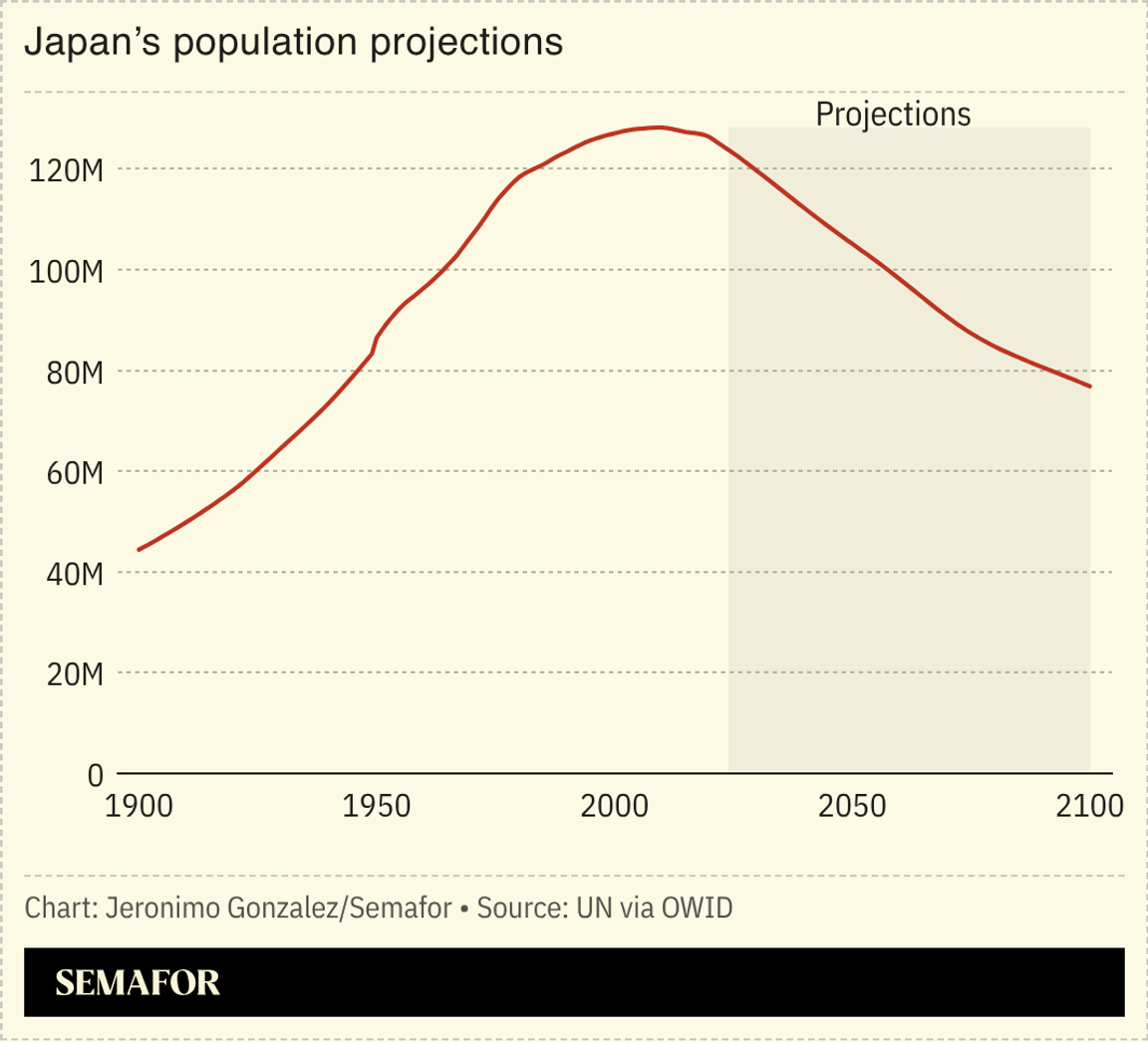 A Japanese city is facing accusations of padding census figures amid growing pressure on regional governments to stem a nationwide population decline. Authorities are probing whether Toyama falsely added 2,000 people to its registry of around 400,000 people. Population figures, apart from being central to budget allocations, have also become a point of pride — or shame — for local officials. Japan has long made boosting birth rates a national priority, but those efforts have failed to pay off, with the fertility rate falling to a record low of 1.14 last year. Some believe the country should instead prioritize managing the collapse: “It is crucial that… we ensure the rate of decline is gradual,” Toyama’s mayor said in May. |
|
|


