It’s Monday, October 12. This is The Front Page, your daily window into the world of The Free Press—and our take on the world at large. Today: Helen Andrews on what the Cornell case reveals about the great feminization. Arthur Brooks says you’re chasing the wrong kind of happiness. The TikTok lawyer taking on Mamdani. And much more.
But first: The question El-Sayed won’t answer.
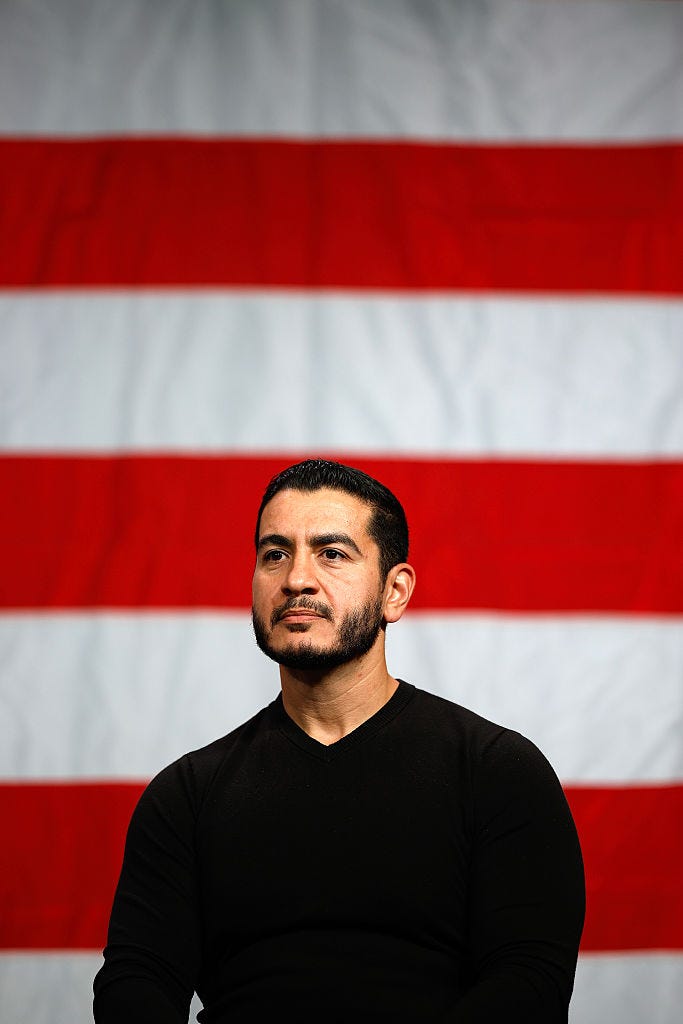
Michigan Democratic Senate nominee Abdul El-Sayed is known for having a short fuse when speaking with reporters and TV hosts who pose questions he doesn’t want to answer. I got a taste of that myself during a press gaggle last week. I asked him whether he regrets saying during a private campaign strategy call earlier this year that “I just don’t want to comment” on the assassination of Iranian supreme leader Ali Khamenei, because “there are a lot of people in Dearborn who are sad today” about his death.
Before I could even finish my question, he cut in to insist he is “just not interested in this dog and pony show” about leaked audio that is “not relevant to people’s lives,” even though he spends so much of his time on the stump talking about foreign policy related to Israel, AIPAC, and the Iran war. “Ask smart questions,” he admonished me.
Behind our exchange is a serious issue concerning El-Sayed’s reticence to engage with reporters’ foreign policy questions. It could make or break one of the most competitive Senate races in the country. Read my story on our testy back-and-forth, and the bigger picture in this crucial contest.
—Audrey Fahlberg
|
|
Rod Dreher: What I Heard from the New Right in Jerusalem |
|
 |
|
Last week, the National Conservatism conference was held in Israel for the first time. Rod Dreher attended the gathering of thinkers, and watched as several American speakers told the audience that young conservatives, weary of foreign wars and unmoved by the religious and historical ties that once drew the right to Israel, are turning on the Jewish state. “This is painful, but it’s reality, and there’s nothing to be gained by ignoring or minimizing it,” writes Rod. Read his dispatch on the blunt message delivered in Jerusalem. | |
|
|
|
Arthur Brooks: Don’t Pursue Happiness |
|
 |
|
For a man whose column is called The Pursuit of Happiness, Arthur Brooks has some surprising advice: Quit pursuing it—at least in the way most people do. Treat it as something to chase, he says, and it will keep slipping away. When Jefferson enshrined the pursuit of happiness in the Declaration of Independence, he meant the fruit of a good life, not a passing mood. “The more you pursue feelings of happiness, the less of it you will get,” he writes. Read his column on what to do instead. | |
|
|
|
The Great Feminization Comes to Cornell |
|
 |
|
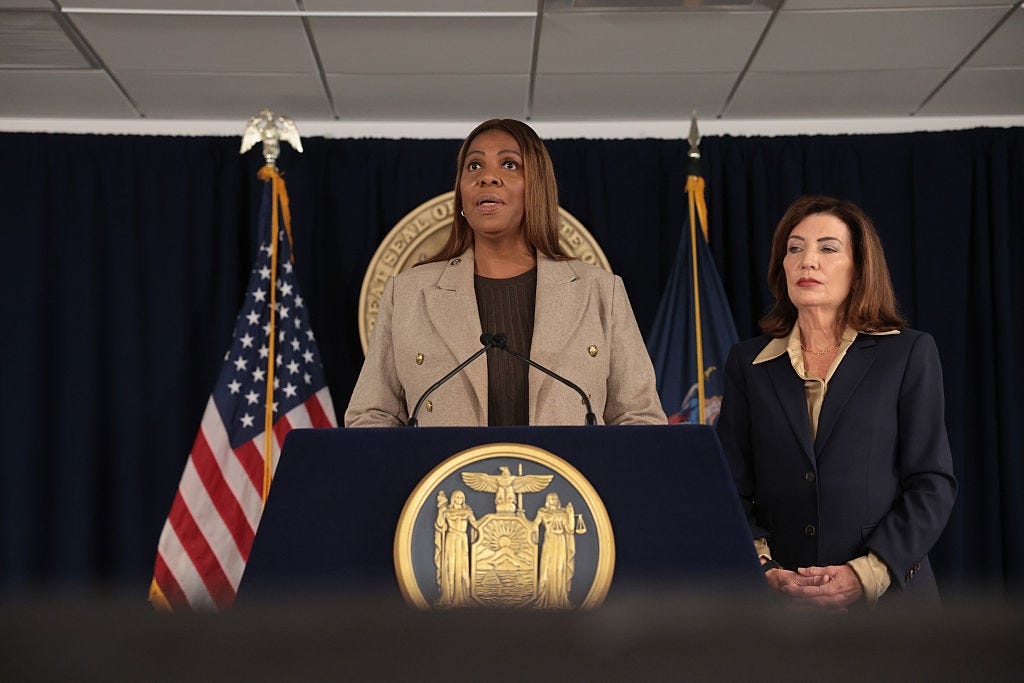
A year ago, Helen Andrews set off a lively debate with “The Great Feminization,” an essay arguing the woke era is best explained by women’s growing sway within American institutions. It came with a warning: that real courtrooms would start to resemble campus Title IX tribunals, where sympathy for accusers trumps due process. Now Andrews says the Cornell 7 case is proving her right. When Governor Kathy Hochul handed the case to Attorney General Letitia James, she suggested two women might see it differently than men would. On that point, Andrews agrees. Read her piece on why that should worry us all. | |
|
|
|
The Bible Story Every Atheist Should Read, with Megan Phelps-Roper |
|
 |
|
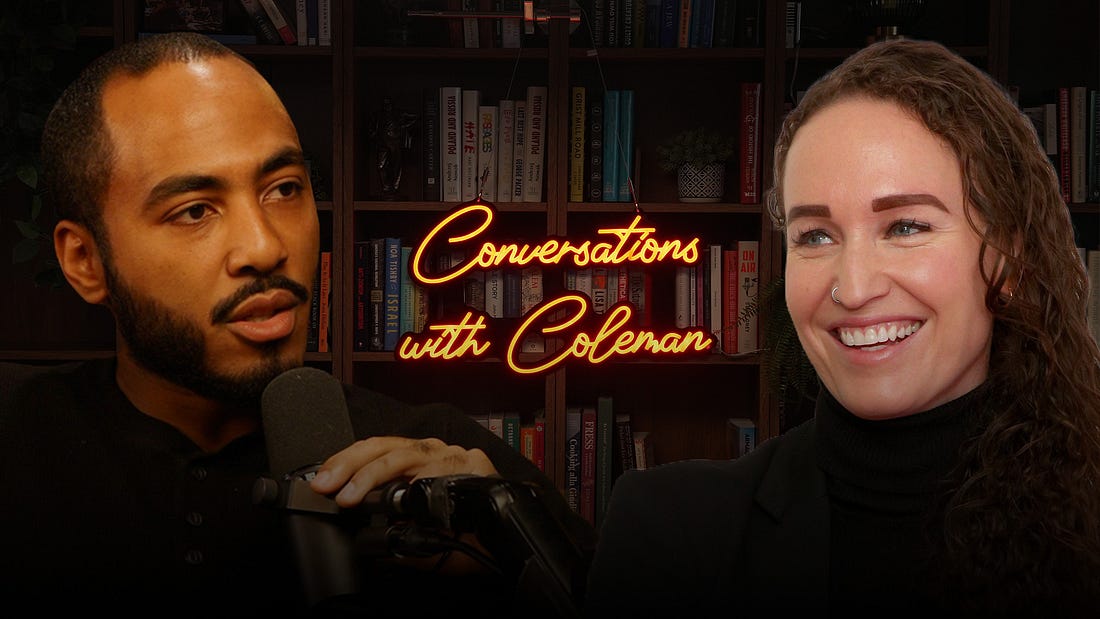
Megan Phelps-Roper grew up as the public face of the Westboro Baptist Church, the hate group founded by her grandfather Fred Phelps, known for picketing gays, Jews, and veterans’ funerals. She left in 2012 after exchanges on Twitter exposed cracks in its theology she could no longer ignore. She joins Coleman Hughes on the latest episode of Conversations with Coleman to discuss the Bible verse that unraveled her worldview, why she still reads Scripture to her kids though she no longer believes in God, and why a society with no fixed values may be as dangerous as one that enforces the wrong ones. | |
|