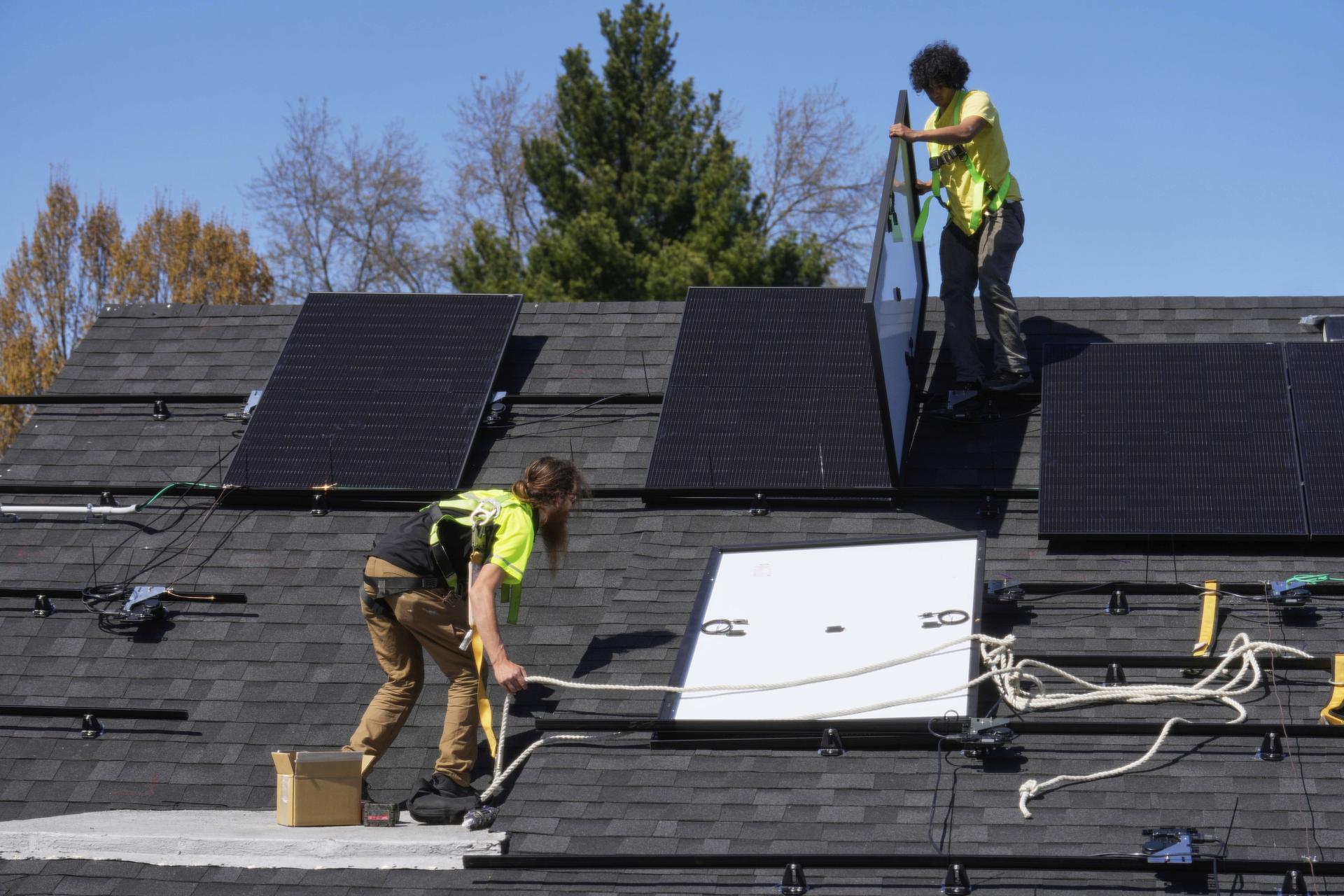
Theodore Tanczuk, left, and Brayan Santos, right, of solar installer YellowLite, put panels on the roof of a home in Lakewood, Ohio, April 16, 2025. (AP Photo/Sue Ogrocki) |
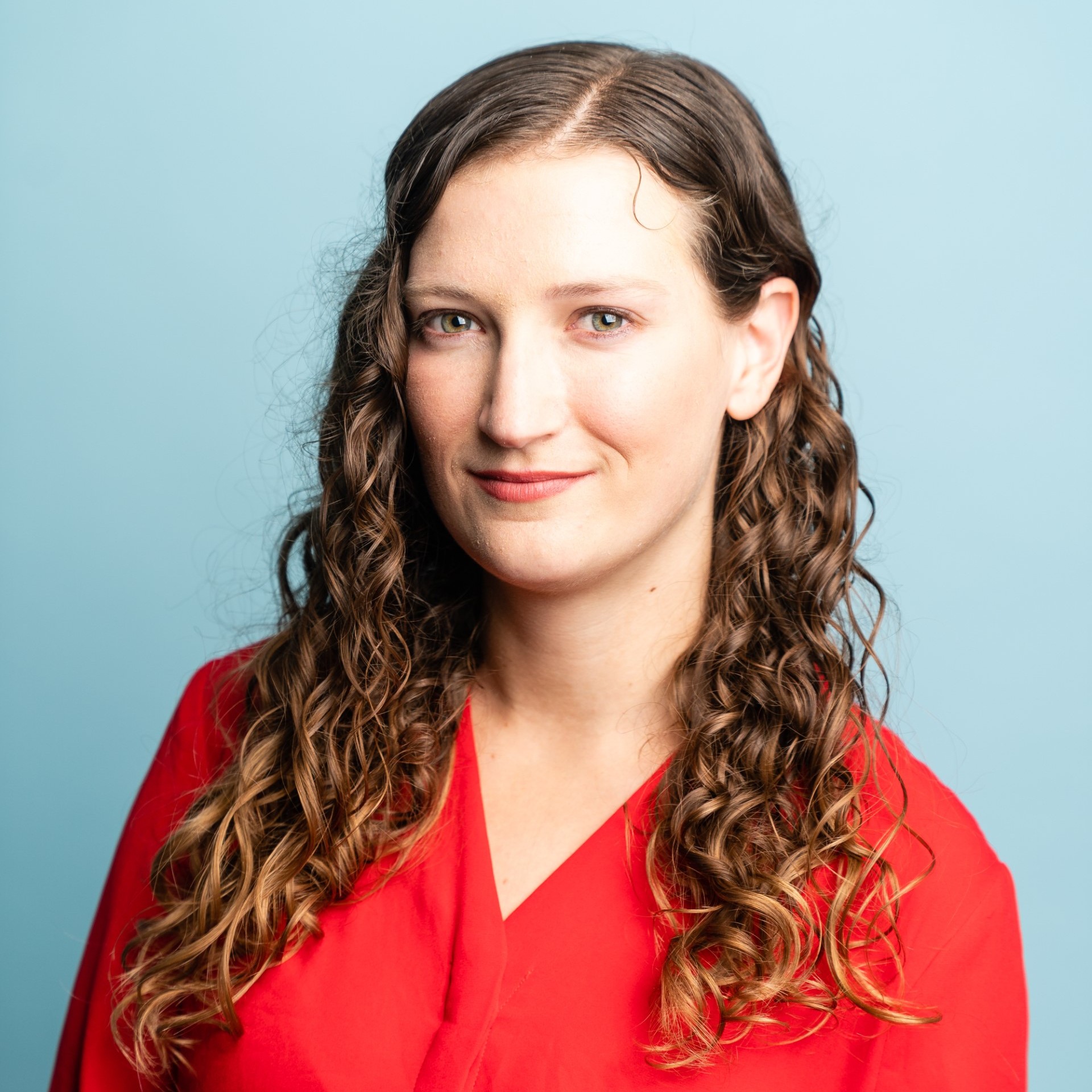
As climate change threatens our planet, AP climate choices reporter Caleigh Wells is explaining what readers can do. Here's what she said:
Climate change stories can be devastating — frustrating policy fights, environmental destruction, public health disasters — and my fellow AP climate reporters are great at telling them.
That’s not my job.
I cover “climate choices.” I tell readers how their actions impact the planet. It’s important for two reasons: First, if we’re going to tackle this big existential climate threat, we have to know how, and second, climate news sparks dread and anxiety. The best antidotes I’ve found are accessible solutions that empower readers to participate.
For years, I told those stories from my hometown, Los Angeles. But the thing is, I’m hearing stories mostly reported from the coasts. The Midwesterners and Great Lakes region dwellers deserve to hear themselves in stories, too. So this year, I walked the walk, moved to Cleveland and started writing about climate choices that I hoped would resonate with them.
It’s harder than I thought.
In Los Angeles, there are abundant public electric vehicle chargers, bulk grocery stores, green energy sources and local incentives to make climate-friendly decisions affordable. Not so in my new hometown.
When I moved, I scheduled an HVAC technician to assess my home’s energy efficiency. It’s the recommended first step to making a climate-friendly home. It failed just about every test, because it’s a hundred years old, and the walls aren’t insulated and it used to be heated with coal and lit with gas. It wasn’t designed with the environment in mind.
But I’m out here walking the walk, right? I’m not looking for the best example of climate-friendly living. I want an example of a typical, single-family Cleveland home in an old neighborhood. Something imperfect and relatable and average. So, I wrote about my house. I’ve since installed insulation and a car charger. I’ve turned the thermostat down and I’m saving up for solar panels. It’s not perfect, but it’s a start.
That’s what the climate choices beat is all about: efforts by imperfect people with imperfect resources in imperfect circumstances. And what better proof of that endeavor than to show readers that I’m learning right along with them? |
|
|
Best regards, Caleigh Wells
Climate choices reporter, Ohio |
| |
|
Best regards, Caleigh Wells Climate choices reporter, Ohio |
| |
|
This kind of story is only possible when journalists are physically present, and reader donations help make that happen. Donate to help keep journalists like Caleigh on the front lines of history. |
Your support helps put Associated Press journalists on the ground in more than 230 locations around the world. We do this work because we believe that a world in which more people know what’s happening around them is better equipped to face the challenges we share. |
|
|
|