| | Meta makes a notable AI deal, China’s stocks and Africa’s currencies are surging, and the US strikes͏ ͏ ͏ ͏ ͏ ͏ |
| |  | Flagship |  |
| |
|
The World Today | 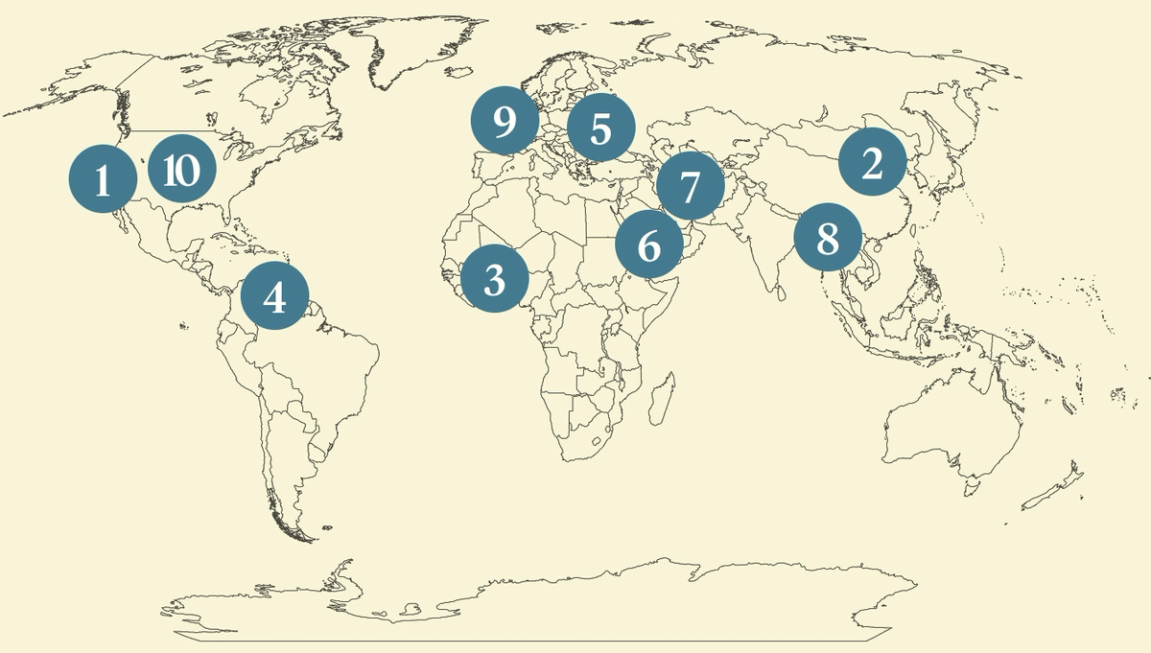 - Meta caps AI splurge
- China’s surging stocks
- Africa’s surging currencies
- US strikes Venezuela
- US spars with Ukraine
- Saudi-UAE tensions grow
- Iran demonstrations widen
- Myanmar’s sham election
- Religion’s Western revival
- Publishing’s bright spot
 Semafor’s Gulf Editor recommends a podcast about Syria that has renewed relevance. |
|
Meta deal caps AI M&A surge |
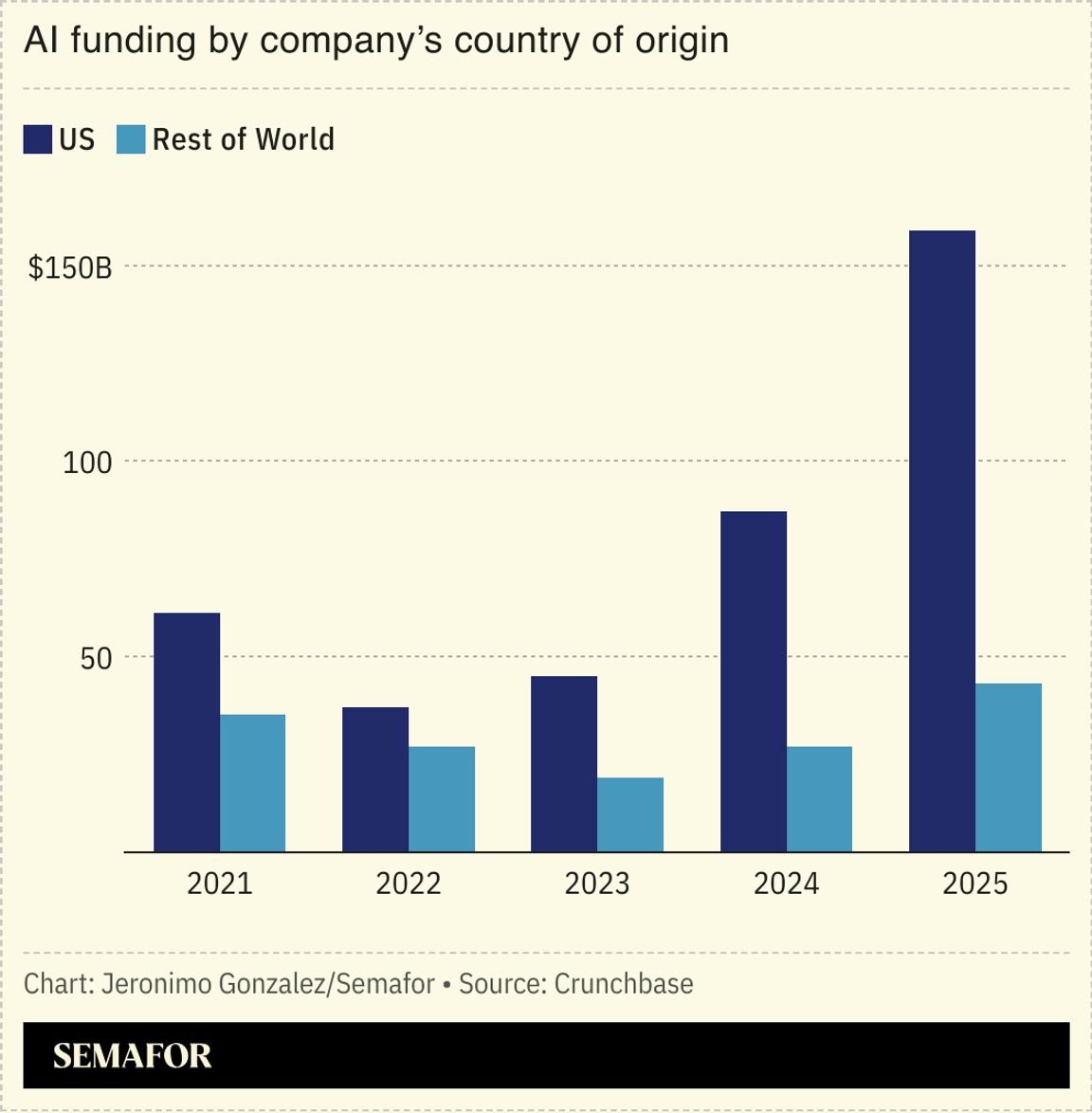 Meta agreed to buy Manus, a Singapore-based AI startup with Chinese founders. The deal is the latest in a string of major AI-related deals: Nvidia last week said it would license technology from the chipmaker Groq and hire its staff, while SoftBank announced yesterday that it would acquire the data center investor Digital Bridge. Meta’s purchase is also significant, however, for being among the biggest deals in which a US company has bought into the Chinese AI ecosystem: Manus — whose parent company has offices in Beijing but whose researchers are mostly in Singapore because they use US AI technology unavailable within China — made headlines this year when it debuted an AI agent capable of performing complex tasks. |
|
Chinese stocks’ bumper year |
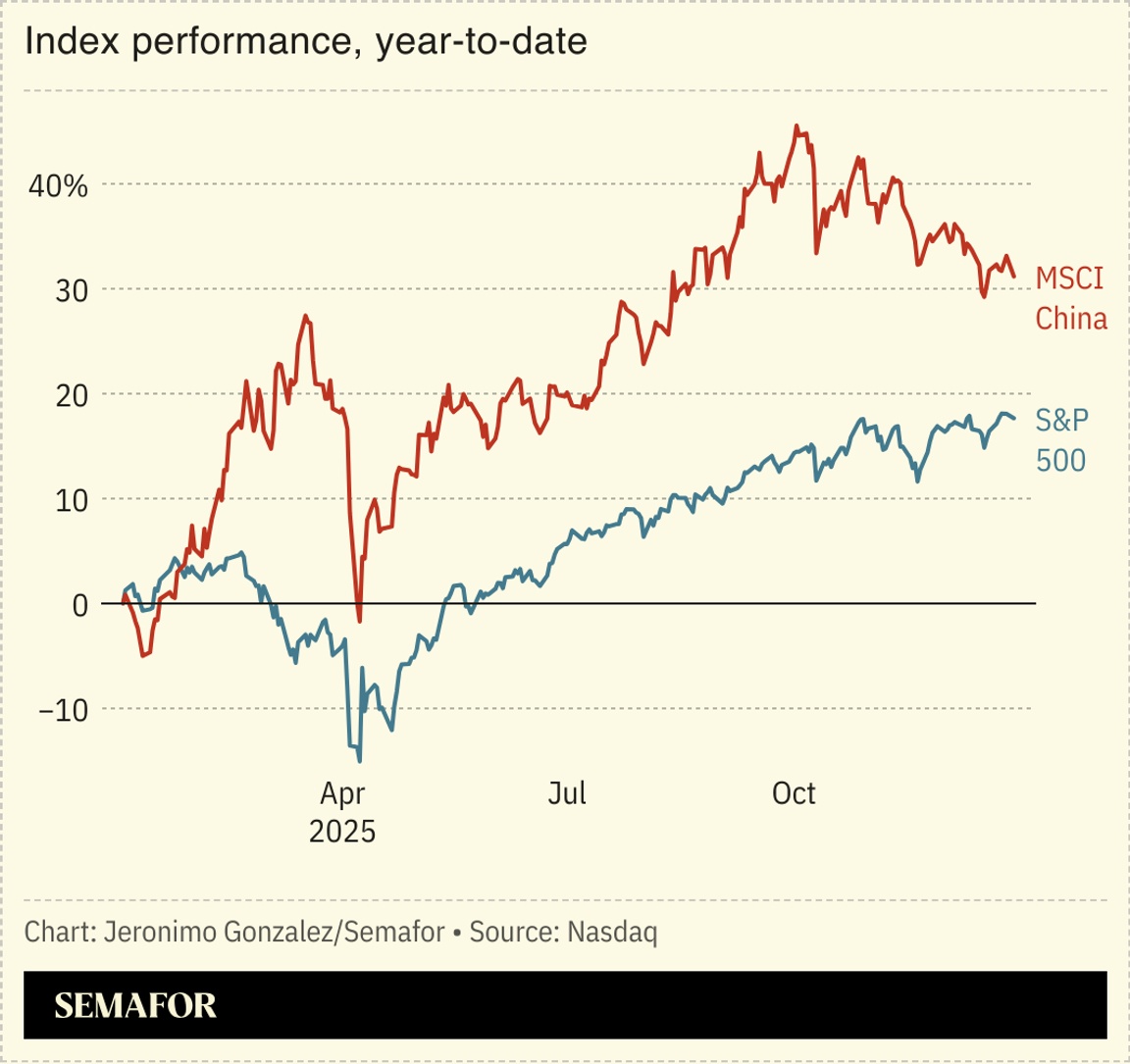 China’s stock market is on pace for its best year in almost a decade, boosted by soaring demand for AI and technology stocks. The MSCI China index has risen nearly 30% this year, outpacing the S&P 500 index of US stocks by the widest margin since 2017, Bloomberg reported. However the travails of some of China’s biggest companies including real estate developers have weighed on the market, while deflationary pressure may dampen future growth. Elsewhere, equities have been lifted by investors pivoting away from the US stock market amid fears there of excessive valuations, and an over-exposure to the tech sector. A well-regarded global stock index has risen 29% this year, almost double the S&P 500. |
|
African currencies outperform |
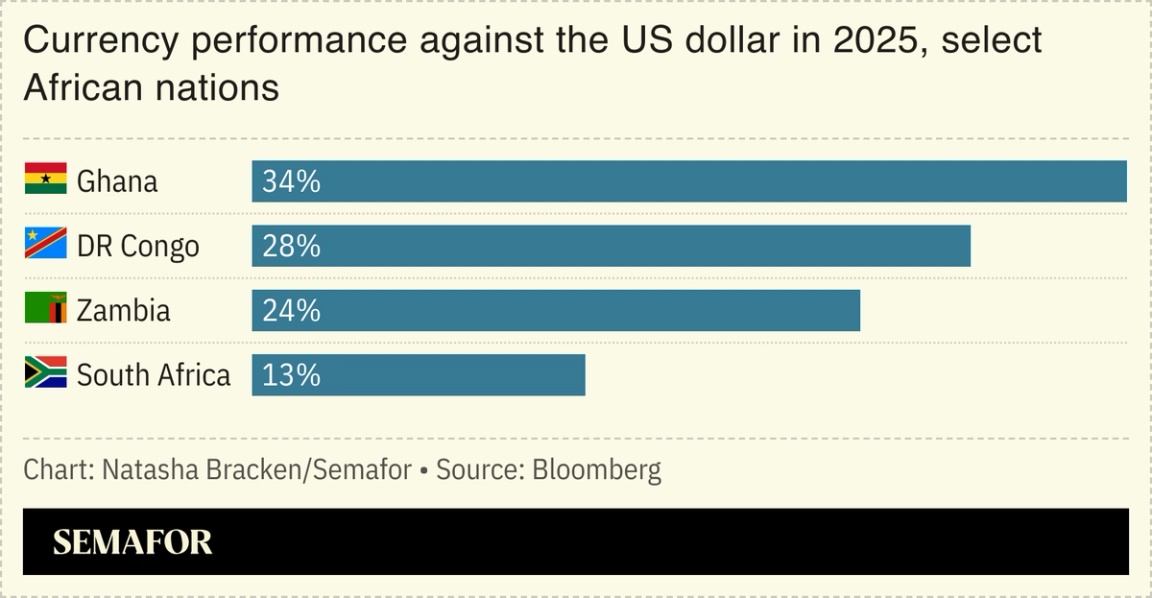 African currencies were among the world’s best performing in 2025, driven by soaring commodity prices and rising economic stability. South Africa’s rand is on track for its biggest annual jump in 16 years, as policy reforms compounded with a weakening dollar drew investors to Africa’s biggest economy. Meanwhile, soaring metal prices — gold, silver, and copper have all reached record highs this year — have boosted the currencies of the Democratic Republic of Congo, Ghana, Zambia, and other major African metal producers. The commodities boom has in turn boosted sub-Saharan African growth prospects, as benefits spill over to the broader economy, while likely easing the fiscal strain on increasingly debt-burdened nations. |
|
US strikes Venezuela dock |
 Eva Marie Uzcategui/Reuters Eva Marie Uzcategui/ReutersPresident Donald Trump said US forces carried out a strike on a dockyard in Venezuela allegedly used by drug traffickers, the first attack against the Latin American country’s mainland. CNN previously reported the detonation was caused by a CIA-operated drone; Caracas has not confirmed the attack. The alleged strike comes as Trump ramps up his campaign to remove Venezuelan President Nicolás Maduro from power: Washington last week ordered US forces to “quarantine” Venezuelan oil exports — the lifeblood of the Maduro regime — threatening wider geopolitical rifts: Caracas exports most of its oil to China, often using vessels linked to Russia and Iran for deliveries. |
|
US, Ukraine differ on guarantees |
 Jonathan Ernst/Reuters Jonathan Ernst/ReutersThe US reportedly offered Ukraine a 15-year security guarantee, far less than the half-century backing sought by Ukrainian President Volodymyr Zelenskyy as he looks to ward off future Russian aggression. Kyiv’s ask comes after it dropped its demand to join NATO as part of a ceasefire deal currently being discussed, and is among a number of reasons why a breakthrough in negotiations looks unlikely despite positive rhetoric from Washington: Moscow on Monday accused Kyiv of attacking one of Russian President Vladimir Putin’s residences, an allegation Zelenskyy dismissed as “typical Russian lies” aimed at giving the Kremlin an excuse to continue its onslaught of Ukraine. |
|
 Fawaz Salman/File Photo/Reuters Fawaz Salman/File Photo/ReutersSaudi Arabia bombed a port in Yemen, an operation it said targeted a UAE-backed separatist group and which threatened to deepen divisions between the Gulf powers. Riyadh and Abu Dhabi are butting against each other in a regional race over finance, technology, and energy. But their geopolitical moves are also in tension: They back opposing forces in Yemen, and Saudi Arabia has pushed for an end to the civil war in Sudan in which the UAE stands accused of backing a paramilitary force — charges it denies. Israel’s recognition of Somaliland has also exposed their diverging interests: Dubai owns a port in the breakaway republic, whereas Riyadh was among more than 20 Arab and African countries to reject Israel’s move. |
|
Iran protests over flailing economy |
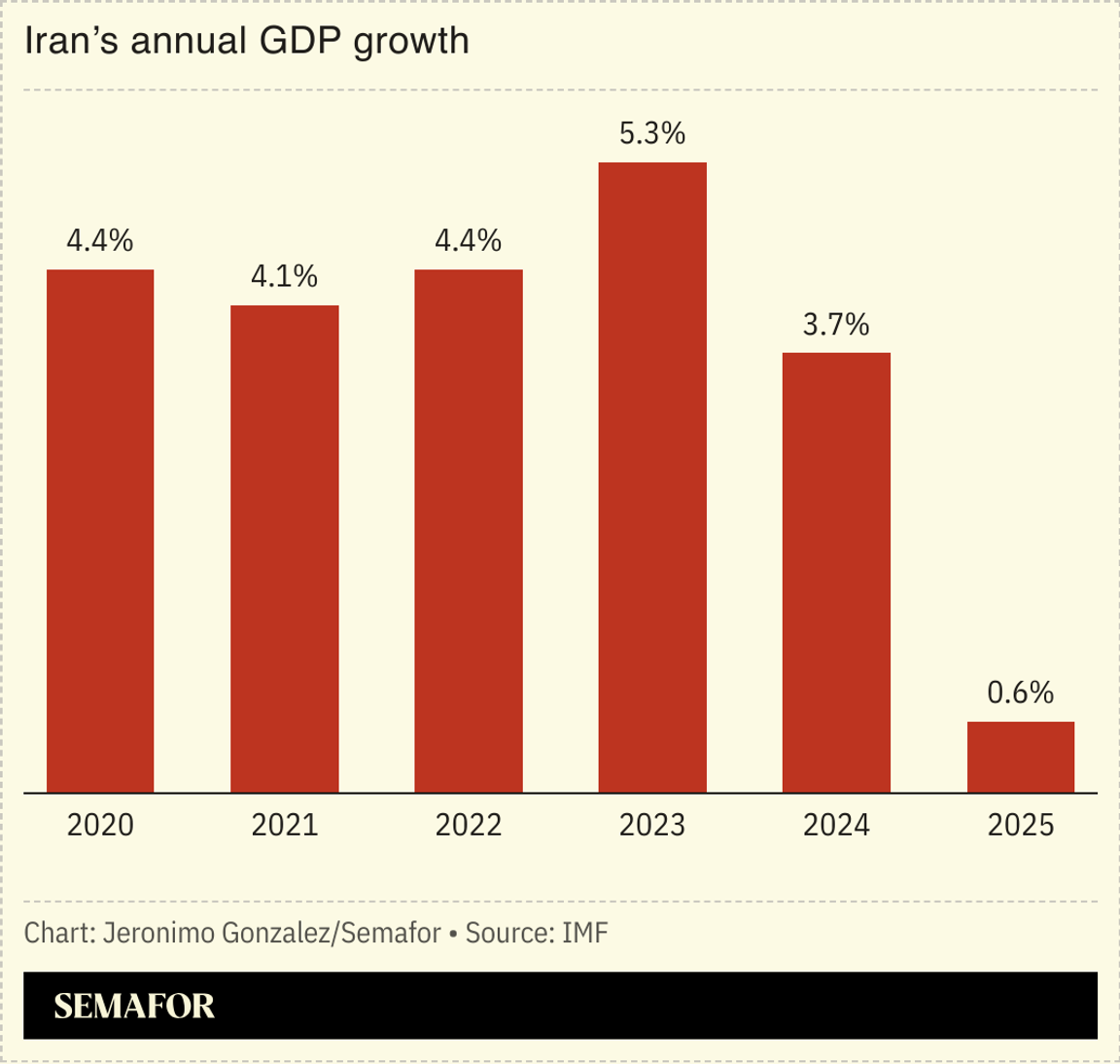 Iranians clashed with police in Tehran for a second day in protests over the country’s collapsing economy, intensifying pressure on the authorities as US President Donald Trump threatened renewed strikes against the country. Security forces fired tear gas on demonstrators angered by a plummeting currency, skyrocketing inflation, and worsening public services: Official media warned of “cells of unrest,” Radio Free Europe reported, though Iran’s president urged his government to listen to protesters’ “legitimate demands.” The domestic unrest came with Trump telling reporters that the US would again attack Iran were it to be found rebuilding its nuclear program, after Washington briefly lent its military backing to an Israeli offensive on Iranian sites in June. |
|
 Semafor is heading to Davos to bring you exclusive reporting on the deals, insights, and power players defining the new world economy. Get the headline-making ideas, the sharp small talk, and the pulse of the global village delivered straight to your inbox — subscribe to Semafor Davos. |
|
China backs Myanmar polls |
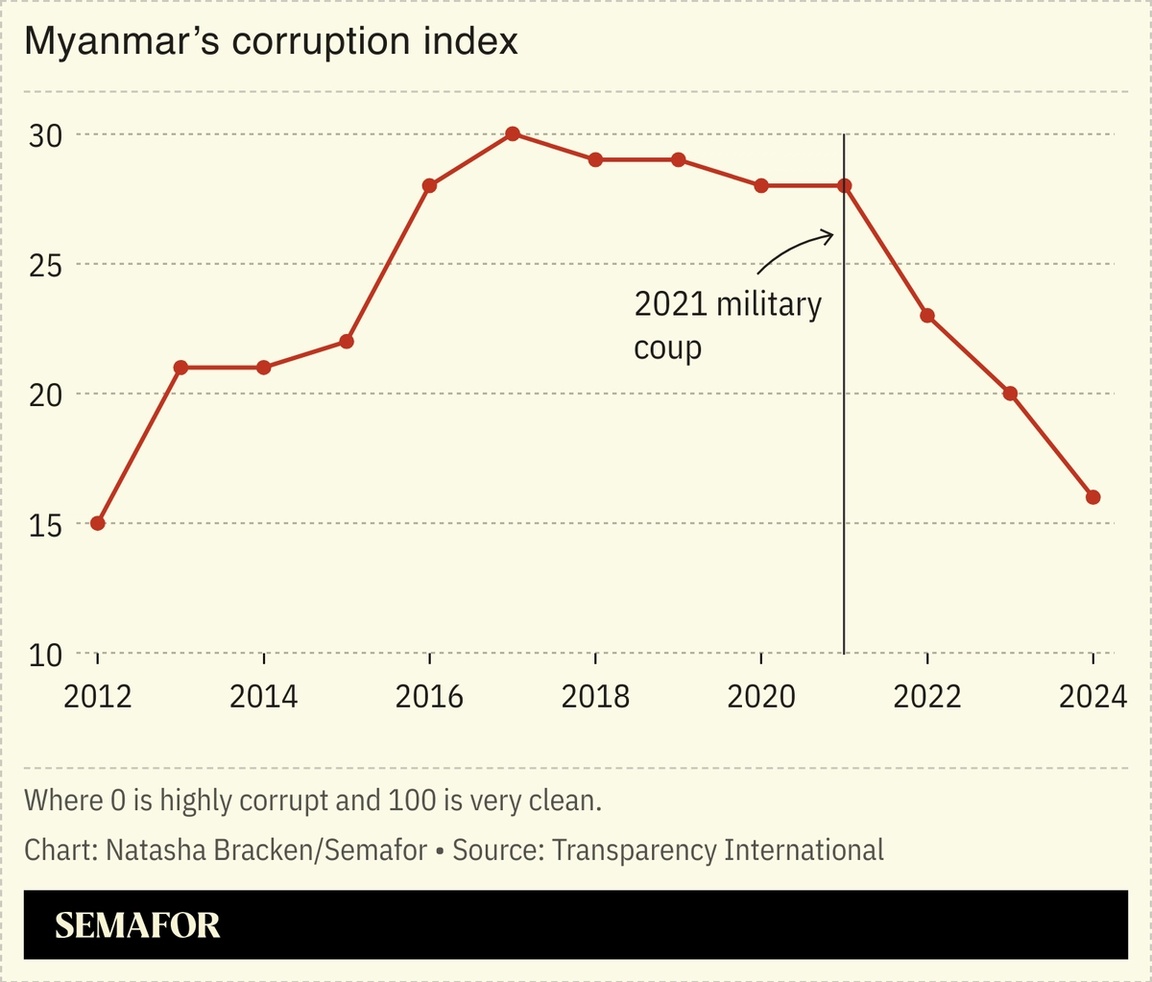 Myanmar’s military rulers claimed to have dominated the first phase of national elections widely dismissed as a sham but which were nevertheless notable for China’s growing role. The army has long held a dominant role in the country’s politics, though its civilian proxy was roundly defeated in 2020 polls — just before a coup the following year which then revived dormant fighting between the military and myriad ethnic opposition forces. From Beijing’s perspective, the instability has threatened Chinese infrastructure projects in the country, with the superpower largely taking the view that “it can tolerate a divided Myanmar as long as the main power holders remain dependent on China for trade, energy, and administrative coordination,” an expert wrote in Foreign Affairs. |
|
|


