| | The UAE pulls out of Yemen, Iran offers concessions to protesters, and humanitarian crises in Gaza a͏ ͏ ͏ ͏ ͏ ͏ |
| |  Yamoussoukro Yamoussoukro | Tehran |  Bogotá Bogotá |
 | Flagship |  |
| |
|
The World Today | 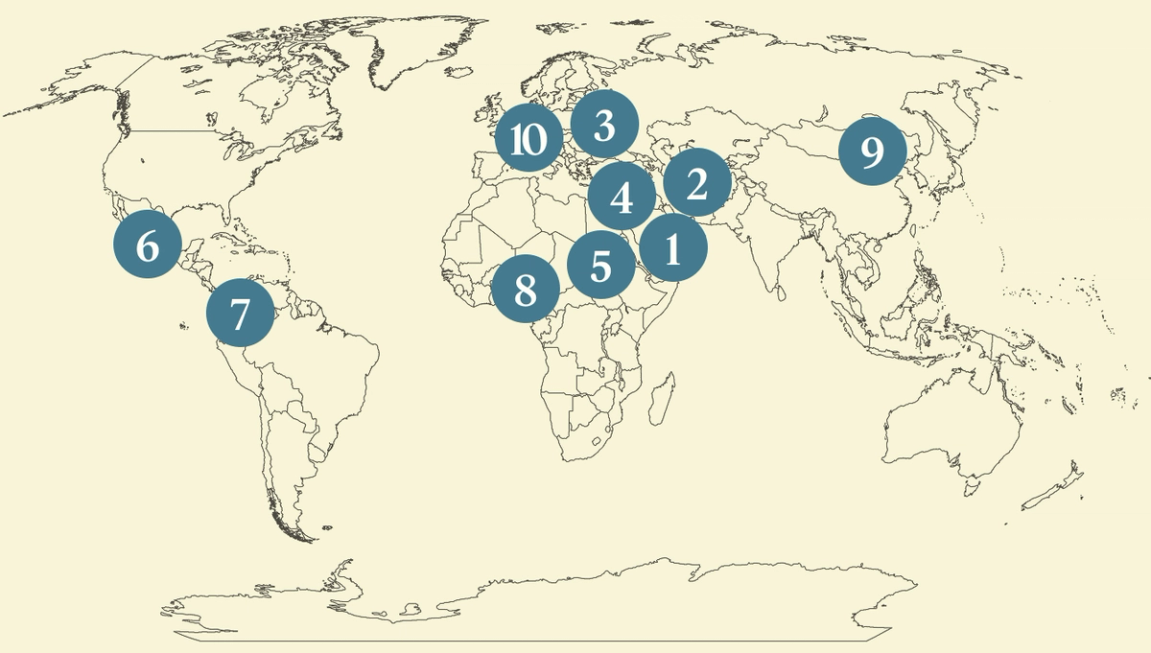 - UAE’s Yemen withdrawal
- Iran offers demo concessions
- Russia’s peace obstruction
- Gaza’s humanitarian crisis
- Sudan’s humanitarian crisis
- Mexico ups China tariffs
- Bogotá ups minimum wage
- I. Coast’s US health deal
- China experts’ US warning
- Globalization’s long history
 A recommendation for a ‘slim novel that quietly injects itself into one’s veins.’ |
|
UAE, Saudi ties erode further |
 A billboard in Yemen showing the president of the UAE. Fawaz Salman/Reuters A billboard in Yemen showing the president of the UAE. Fawaz Salman/ReutersThe UAE said it would withdraw from Yemen after Saudi Arabia issued an ultimatum demanding its Gulf rival pull its forces out of the country. The nations, which are both allies and military partners of the US, are increasingly competing across an array of economic sectors — including finance, energy, and technology — while their geopolitical ambitions have pitted them against each other in Yemen, as well as in Somalia and Sudan. The latest row was over Emirati backing for Yemeni separatists: Saudi forces launched an air strike this week against what Riyadh said was a consignment of weapons bound for the UAE-linked group; Abu Dhabi has denied the charges. |
|
Iran protests spread to universities |
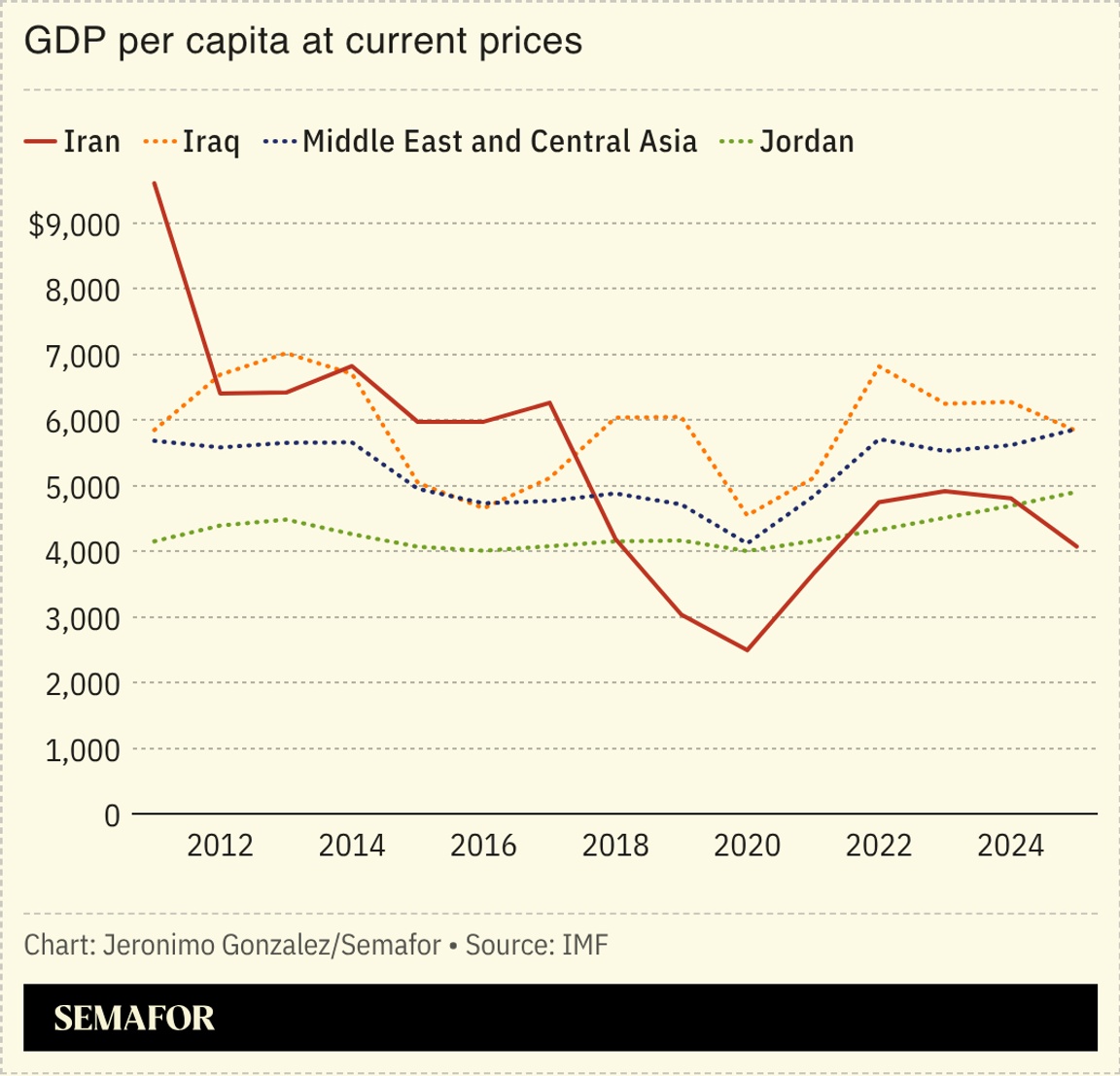 Iranian authorities offered conciliatory gestures in a bid to stem growing protests over the country’s collapsing economy. Demonstrations initiated by Tehran shopkeepers angry over the plummeting value of Iran’s currency have now spread to several cities and universities, with some protesters even chanting “death to the dictator,” a sign of increasing anger towards the regime itself. Iran’s government is facing economic pressure resulting from long-running sanctions over its nuclear program. It is also grappling with the long-term fallout of successive crackdowns on dissent, from repression following a 2009 election widely seen as neither free nor fair, through to 2022 protests over the death in police custody of a woman detained for improperly wearing her headscarf. |
|
Russia doubles down in Ukraine |
 Press service of the State Emergency Service of Ukraine in Odesa region/Handout via Reuters Press service of the State Emergency Service of Ukraine in Odesa region/Handout via ReutersThe Kremlin looked to be doubling down on efforts to prolong the Ukraine war, making unsubstantiated claims that Kyiv had sought to attack one of Russian President Vladimir Putin’s residences, while Moscow’s forces launched a large-scale drone attack in southern Ukraine. The Trump administration has persistently pushed ceasefire talks and recently said negotiations were progressing, but analysts have warned that Russia’s maximalist objectives make any truce unlikely. Instead, it appears Moscow is upping the intensity of the conflict — with its casualty figures rising faster than at any time in the war, according to a BBC tabulation of Russian fatalities — even while domestically, “fatigue and resentment are festering beneath the suppression of dissent,” as The Washington Post put it. |
|
Israel pressures aid groups in Gaza |
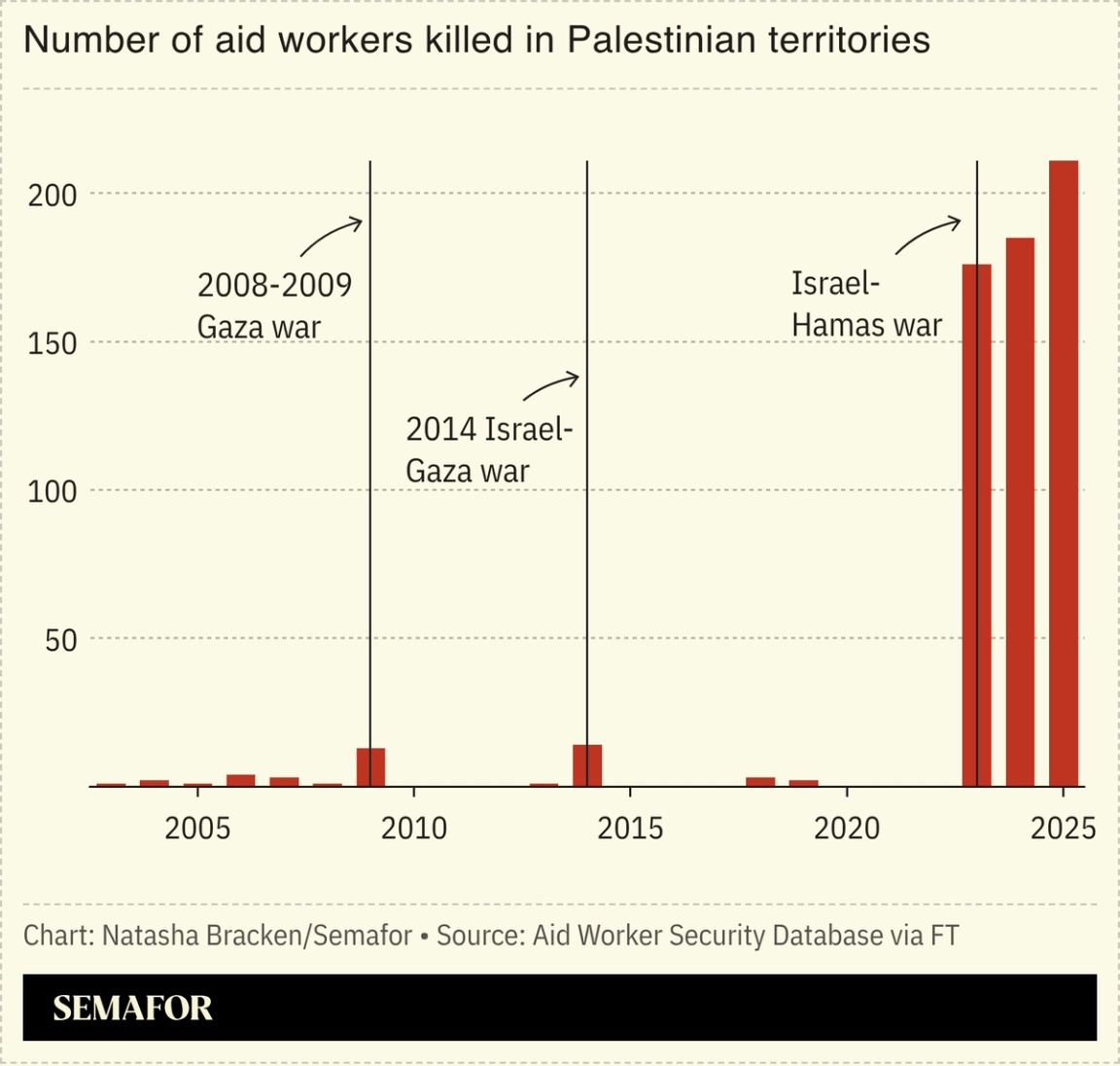 Israel threatened to suspend the work of several major humanitarian organizations in Gaza over what it said were the groups’ refusal to provide details about their staff. The aid groups say they have provided information on their international workers, but are reluctant to do so for local employees for safety reasons. The standoff threatens to worsen what is already a catastrophic crisis: More than a million people in the Palestinian territory — which is grappling with flooding, a collapse of the sewage system, and a brutal winter — lack adequate shelter, with several European nations issuing a joint statement today warning of a “renewed deterioration of the humanitarian situation.” |
|
Aid groups describe el-Fasher horrors |
 Mohyaldeen M Abdallah/Reuters Mohyaldeen M Abdallah/ReutersAid workers allowed into Sudan’s el-Fasher for the first time since it fell to militants described traumatized civilians living on the verge of famine, characterizing the largely deserted city as the “epicenter of human suffering.” After a 500-day siege, the city — which once held more than a million people — is “a ghost of its former self,” a UN aid official told AFP, with most fleeing the Rapid Support Forces, a paramilitary group accused of carrying out ethnic cleansing of Sudan’s Black population. Almost three years since the start of the Sudanese civil war, there are few signs of the hostilities ending soon, with experts fearing the world’s gravest humanitarian crisis could yet worsen. |
|
Mexico to boost China tariffs |
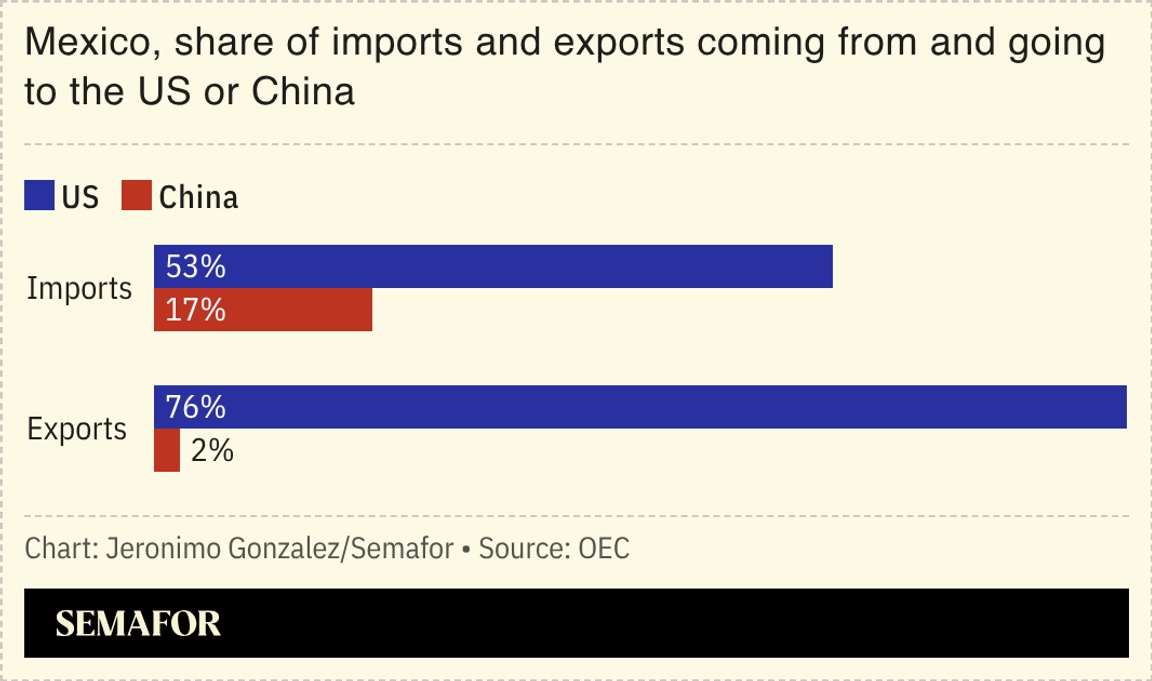 Mexico will impose tariffs of up to 35% on Chinese imports beginning Jan. 1, as the Latin American nation aims to align its trade policy with the US. The hikes — which will apply to thousands of products — come as Mexico looks to quell Washington’s accusations that it has become a back door for Chinese imports looking to skirt US tariffs, with a review of the trilateral US-Mexico-Canada free trade pact due next year. Mexico will nonetheless pay a price: Around 17% of its goods imports come from China. Meanwhile, Beijing has imposed levies of its own, raising tariffs as high as 55% on some beef imports from the US and Brazil. |
|
Colombia hikes minimum wage |
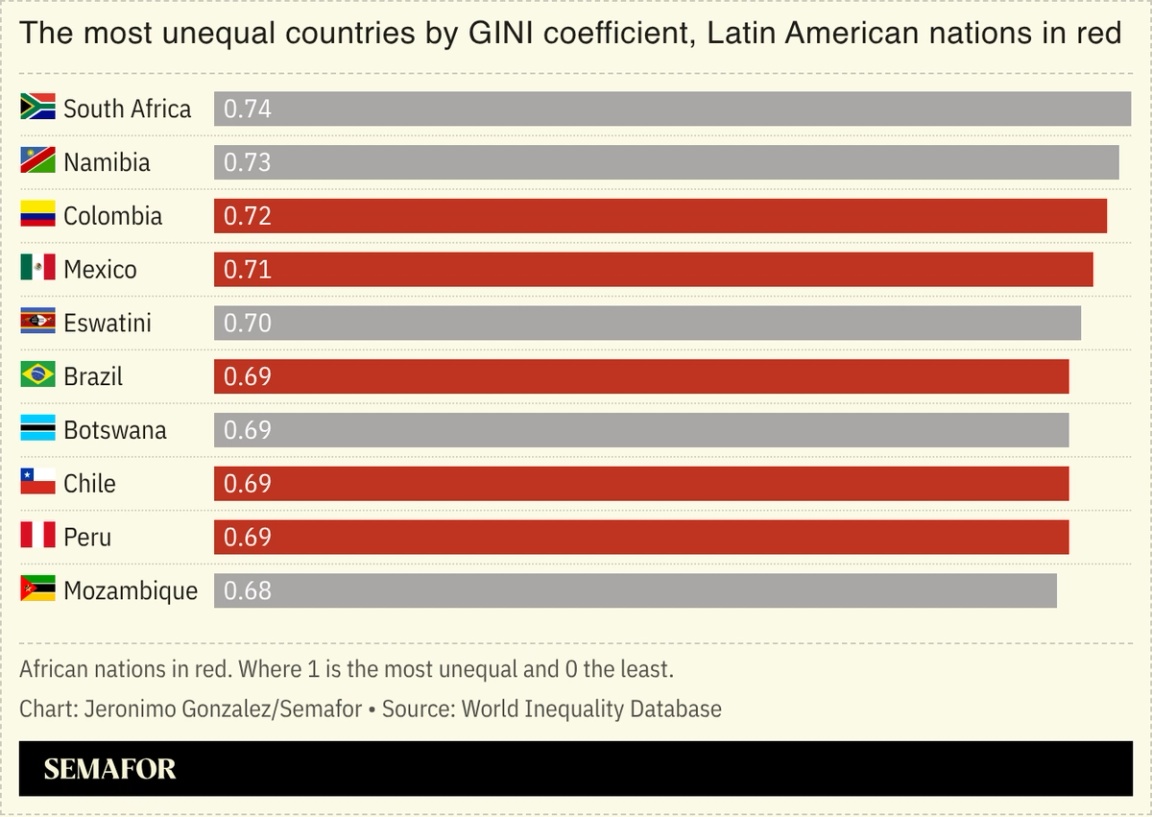 Colombia said it would raise the country’s minimum wage by 23% starting Jan. 1, joining other Latin American countries in a bid to close huge inequality gaps. Though leftist Colombian President Gustavo Petro said the move would help “democratize wealth,” experts have criticized the policy, with the chief economist of a major local bank saying the hike is “absolutely unsustainable.” Leftist leaders elected across Latin America in recent years have similarly vowed to tackle inequality by boosting minimum wages; Mexico’s ruling party has increased them by close to 300% since 2019. However, the region’s high informal employment rates, which hover around 50%, mean only a small share of the population actually benefits from the hikes. |
|
 Semafor will be on the ground in Davos next month for the World Economic Forum, the annual gathering where the world’s most powerful come together to strike deals, tout their good deeds, and navigate the snow — sometimes getting stuck long enough to share a scoop or two with us. We’ll deliver exclusives on the high-stakes conversations shaping the world. Expect original reporting, scoops, and insights on all the deal-making, gossip, and lofty ambitions — with a touch of the pretentious grandeur Davos is famous for. Get the big ideas and small talk from the global village — subscribe to Semafor Davos. |
|
US, Ivory Coast’s $500M health deal |
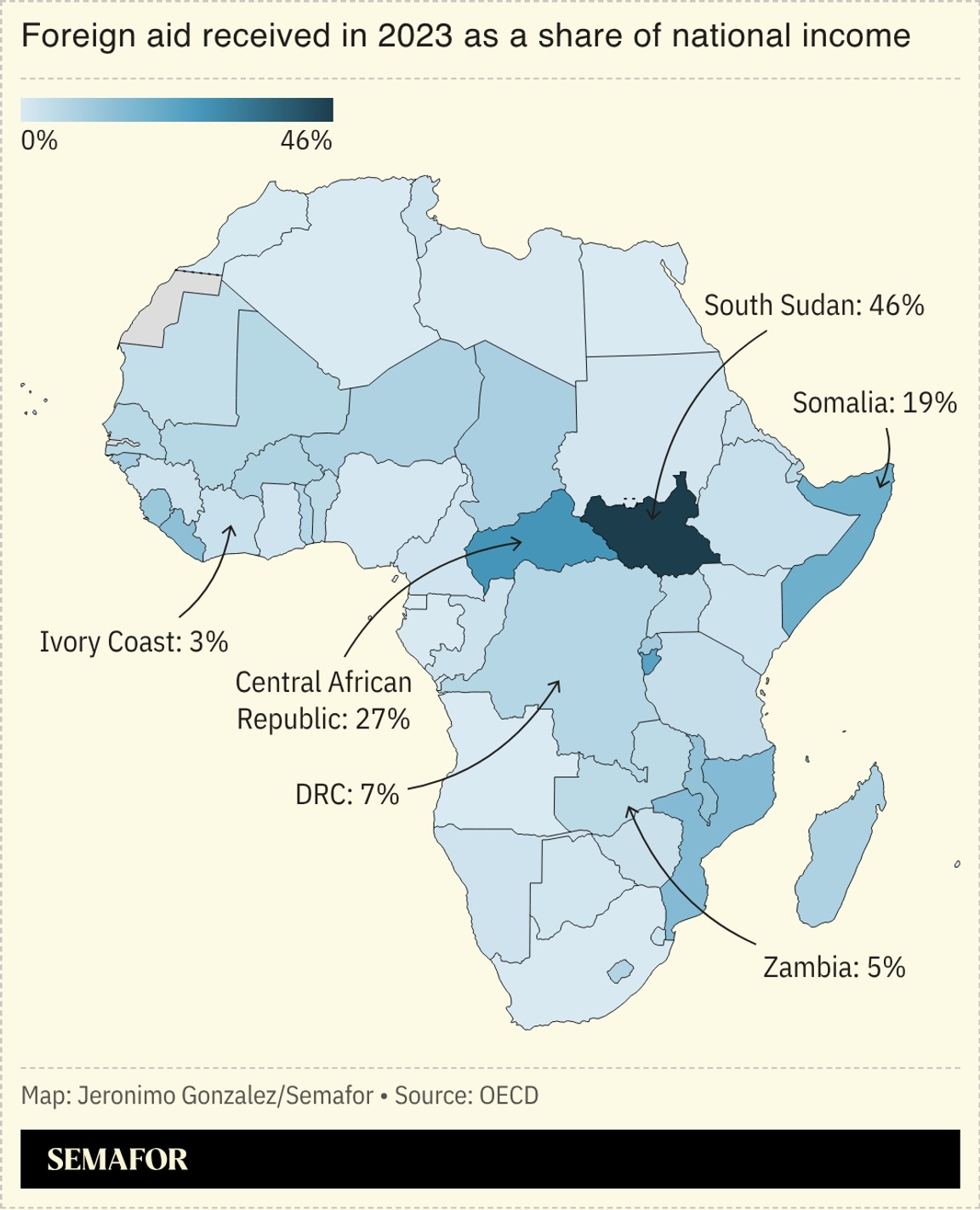 The US and Ivory Coast reached a $500 million health financing agreement, a further sign of Washington’s new aid strategy. Under the deal — which aims to stem the spread of HIV, malaria, and tuberculosis — Ivory Coast will be required to mobilize domestic resources to receive US financing. Since the start of his second term, US President Donald Trump has upended his country’s aid programs, replacing donations with co-investment agreements. This week, Trump warned that international aid agencies had to “adapt, shrink, or die” shortly after pledging $2 billion for UN humanitarian programs, a fraction of what the US has previously contributed. |
|
China experts warn of US ‘finite power’ |
 Evelyn Hockstein/Reuters Evelyn Hockstein/ReutersChinese analysts largely sided with their Western counterparts in saying that a recent White House strategy document signals that the US is stepping back from its “global policeman” role, but differed on the shift’s causes and consequences. The US National Security Strategy this month articulated an increased focus on the Americas, called for Europe to handle more of its security, and fell short of the hawkish rhetoric towards China that characterized prior such papers. Based on a review of more than 30 articles by China-based scholars, the writer Jacob Mardell argued that Chinese experts saw this pivot as one driven by “decline, overreach, and finite power,” with many of them warning that US “retrenchment could generate turbulence and instability.” |
|
|


