From market uncertainty to AI safety, our editors picked five stories to prepare for and be inspired by in 2026.
 ͏  ͏  ͏  ͏  ͏  ͏  ͏  ͏  ͏  ͏  ͏  ͏  ͏  ͏  ͏  ͏  ͏  ͏  ͏  ͏  ͏  ͏  ͏  ͏  ͏  ͏  ͏  ͏  ͏  ͏  ͏  ͏  ͏  ͏  ͏  ͏  ͏  ͏  ͏  ͏  ͏  ͏  ͏  ͏  ͏  ͏  ͏  ͏  ͏  ͏  ͏  ͏  ͏  ͏  ͏  ͏  ͏  ͏  ͏  ͏  ͏  ͏  ͏  ͏  ͏  ͏  ͏  ͏  ͏  ͏  ͏  ͏  ͏  ͏  ͏  ͏  ͏  ͏  ͏  ͏  ͏  ͏  ͏  ͏  ͏  ͏  ͏  ͏  ͏  ͏  ͏  ͏  ͏  ͏  ͏  ͏  ͏  ͏  ͏  ͏  ͏  ͏  ͏  ͏  ͏  ͏  ͏  ͏  ͏  ͏  ͏  ͏  ͏  ͏  ͏  ͏  ͏  ͏  ͏  ͏  ͏  ͏  ͏  ͏  ͏  ͏  ͏  ͏  ͏  ͏  ͏  ͏  ͏  ͏  ͏  ͏  ͏  ͏ ­ ­ ­ ­ ­ ­ ­ ­ ­ ­ ­ ­ ­ ­ ­ ­ ­ ­ ­ ­ ­ ­ ­ ­ ­ ­ ­ ­ ­ ­ ­ ­ ­ ­ ­ ­ ­ ­ ­ ­ ­ ­ ­ ­ ­ ­ ­ ­ ­ ­ ­ ­ ­ ­ ­ ­ ­ ­ ­ ­ ­ ­ ­ ­ ­ ­ ­ ­ ­ ­ ­ ­ ­ ­ ­ ­ ­ ­ ­ ­ ­ ­ ­ ­ ­ ­ ­ ­ ­ ­ ­ ­ ­ ­ ­ ­ ­ ­ ­ ­ ­ ­ ­ ­ ­ ­ ­ ­ ­ ­ ­ ­ ­ ­ ­ ­ ­ ­ ­ ­ ­ ­ ­ ­ ­ ­ ­ ­ ­ ­ ­ ­ ­ ­ ­ ­ ­ ­  

Five stories to read for the New Year
From market uncertainty to AI safety, our editors picked five stories to prepare for and be inspired by in 2026.
Economy
AI is a bubble, and everyone says so, including OpenAI’s Sam Altman, who said recently, “I do think some investors are likely to lose a lot of money.” The problem is that the Magnificent Seven tech companies are pouring $400 billion-plus annually into capex buildout for AI, far exceeding the revenues of the actual AI companies themselves.
Seventy-five percent of the stock market’s gains come from the Mag 7 (Alphabet, Amazon, Apple, Meta, Microsoft, Nvidia, and Tesla), but their capex is funding about 10 much smaller, private AI companies—which are largely unprofitable—creating an unstable, inverted pyramid of equity.
And yet, Wall Street analysts say capex for AI will continue unabated in 2026. While most analysts expect the S&P 500 to rise next year, this sustained spending on AI will intensify the pressure for a “show me the money” moment. If AI revenues fail to justify the massive investment, it could trigger a severe and widespread global market correction. Jim Edwards, Executive Editor, Global News
Read more
Success
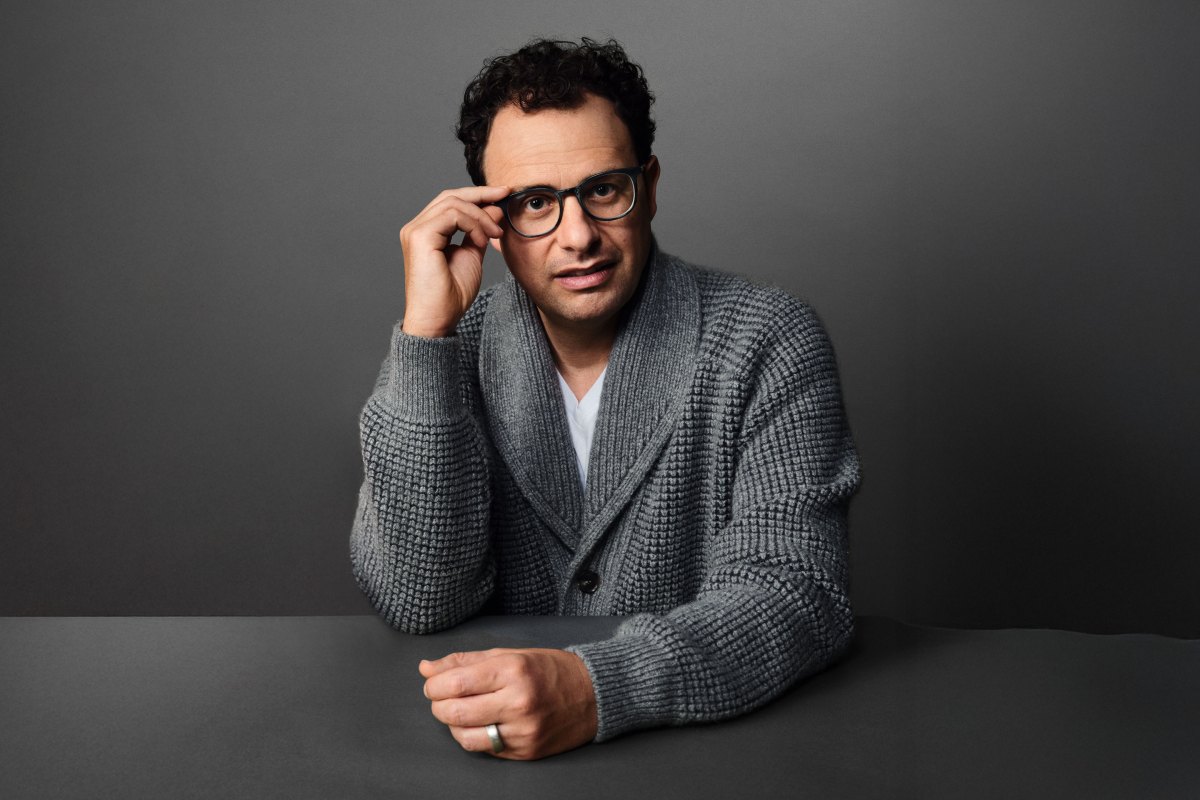
In this engrossing profile, Jason Del Rey dives deep into the psyche of Marc Lore—an e-commerce entrepreneur whose sales of startups to Amazon and Walmart made him a multibillionaire. Now, Lore is betting big on meal delivery at his latest startup, Wonder. He opened up to Del Rey about the white-knuckle intensity of a life in serial entrepreneurship, and the personal price it can exact. Lore’s relentless approach, with its bold pivots, costly M&A bets, and refusal to coast on success, forces leaders to ask what “enough” looks like—and how much they’re truly willing to risk for a legacy-defining win. Indrani Sen, Senior Features Editor
Read more
Leadership
By one measure, no institution has generated more business success stories than consulting giant McKinsey: 28 former McKinsey employees are currently CEOs of Fortune 500 or Fortune Global 500 companies. Widen the lens to include smaller companies and, stunningly, more than half of McKinsey’s alumni over age 40 have reached the C-suite. Ruth Umoh, Fortune’s Next to Lead editor, interviewed a rich array of current partners and alumni-turned-CEOs to find out what keeps McKinsey’s leadership pipeline flowing. Her article breaks down exactly what future CEOs learn from their McKinsey experience—and how the AI revolution is shaking up that curriculum. Matt Heimer, Executive Editor, Features
Read more
Mining
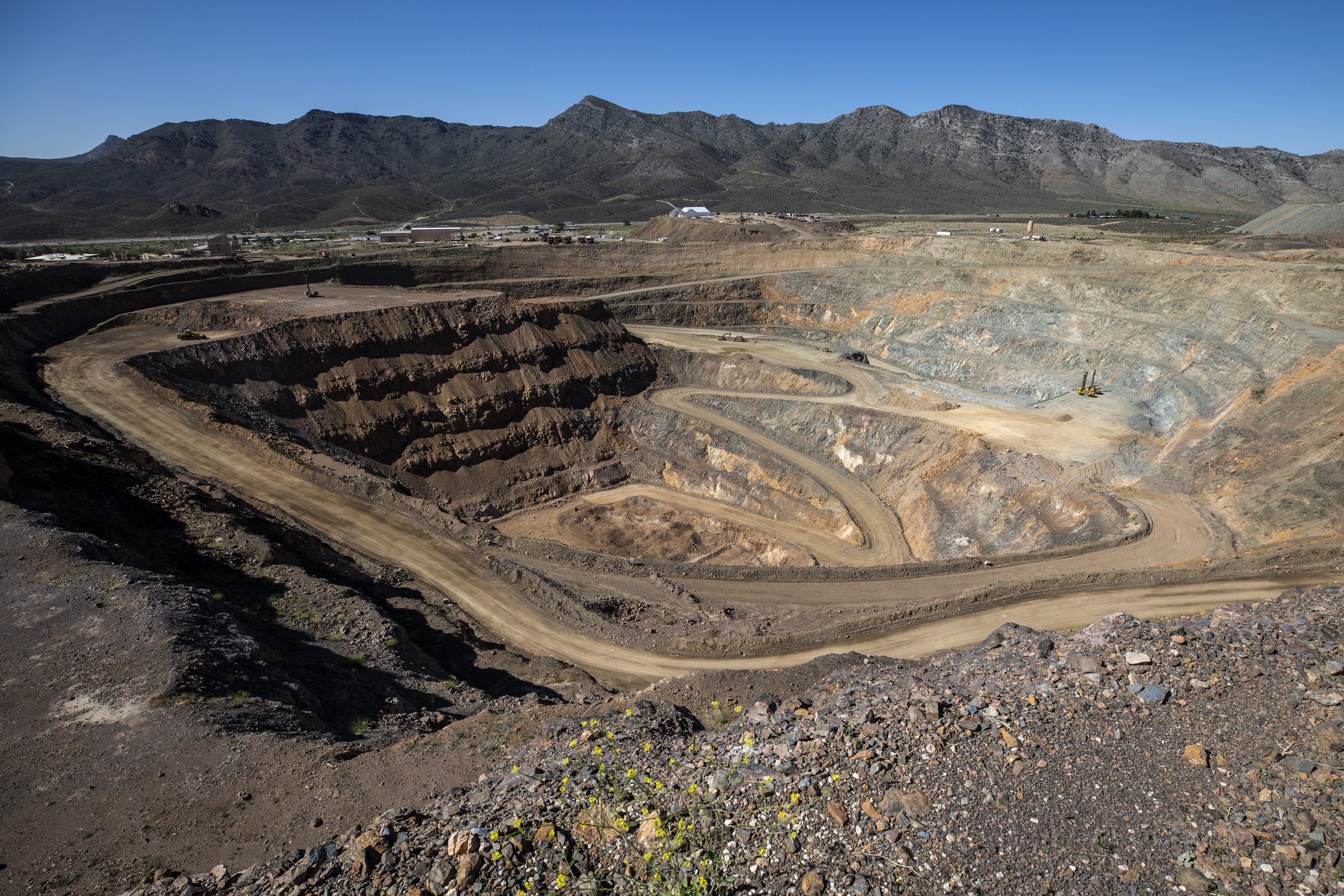
Despite a temporary truce heading into 2026, President Donald Trump’s tariffs and trade war pushed China to choose the next-closest thing to the nuclear option that doesn’t involve the military—exerting its dominance of the critical minerals and rare earths supply chains.
The U.S. is now in a mad dash—even buying shareholder stakes in critical minerals companies—to build up its own mining and processing facilities, as well as enough international partnerships. The aim is to undercut China’s near monopolies of the materials used to make the magnets and parts that go into everything from drones and automobiles to data centers and missiles, and which drive America’s economy and help bolster its national security.
Heading into next year and beyond, will the U.S. be able to maintain its newfound focus? Jordan Blum, Energy Editor
Read more
AI
Measured by sheer user numbers, OpenAI has spent most of the last three years as the clear front-runner in generative AI. But Anthropic, a company started by OpenAI defectors who wanted to put AI safety first, has steadily closed the gap—and by some metrics, it’s now the No. 1 platform among enterprise customers. In this deep dive, Fortune AI editor Jeremy Kahn shows how Anthropic’s safety-consciousness and its success with business users have gone hand in hand—enabling its founders to assure skittish customers that Anthropic’s Claude models will perform powerfully without going rogue. Matt Heimer, Executive Editor, Features
Read more
This email was sent to np8vh0meez@niepodam.pl
Fortune Media
40 Fulton Street, New York, NY, 10038, United States