A fresh take on culture, fashion, cities and the way we live – from the desks of Monocle’s editors and bureaux chiefs.
|
Saturday 17/1/26
|

|
|
London
Paris
Zürich
Milan
Bangkok
Tokyo
Toronto
|
|
|
|

leading the way
We get the weekend under way with a trip to the market, or rather, a photography exhibition that captures Portugal’s traditional market day. Then: a Hummer that once belonged to Tupac Shakur goes to auction, we check in to Norway’s niche storage hotels and highlight the must-see movies from Trieste Film Festival. At the ready is Monocle’s tea-total editor in chief, Andrew Tuck.
|
|
Matcha might be catnip to the tech sector but poodles are the real urban litmus test
By Andrew Tuck
|

|
Savills, the international property-services company, puts out an annual Tech Cities report that ranks the 30 metropolises best at luring companies (which pay handsomely for real estate) in this sector. It’s a meaty piece of work that explains how the availability of talent remains the number-one pull for such companies (San Francisco unsurprisingly triumphs). This year, however, Savills has added a new metrics set: a Matcha Index. It is because, they say, “matcha is prized for its slow-release energy and perceived health benefits, aligning with tech workers’ growing focus on wellness”. On this metric, Tokyo triumphs (affordability, quality and good café culture) and London comes in second. I concur with matcha’s dominance – hello, it has taken over in The Monocle Café.
Personally, I despise all types of tea and everything associated with this habit. People who collect teapots, own a tea cosy, “put on a brew”, leave teabags in sinks (or left slunk like a dead mouse in their discarded mugs), folk who say “Ooh, that feels better” as they hold a cup of tea two-handedly – all of these people should be sent on a coffee-conversion course. If regular tea drinking isn’t stamped out early, it can be a gateway to matcha. And suddenly people who were once spotted holding a glass of rosé are chugging down what looks like mown grass and preaching about their health regimes.
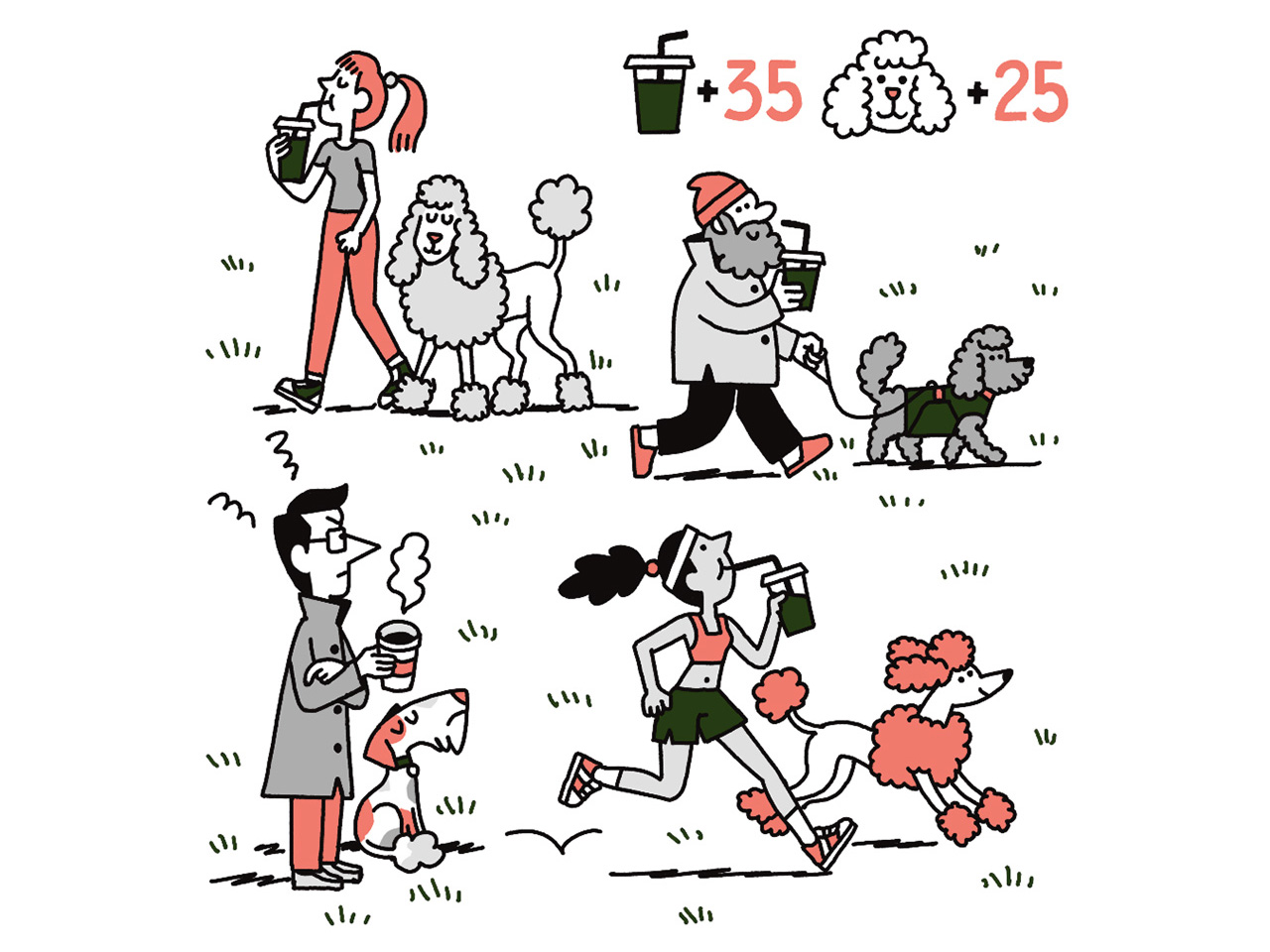
But the Matcha Index itself is fun because it is often these odd sets of statistics that unpack how a city functions and reveal the health of its urban fabric (for Monocle’s Quality of Life Survey, for example, we look at the number of bookshops and the ease of procuring a glass of wine at 01.00).
So, I have made up my own new and very insightful urban barometer: the Poodle Index. Now this is a simple and foolproof barometer for predicting whether a neighbourhood is a safe place to live and, to create one, all you need to do is count the number of large men with small dogs. The greater the number of buffed gents parading fluffy poodles (especially if they – I mean the dogs – are sporting miniature raincoats and matching bonnets), the safer the ’hood.
The Poodle Index is also an indicator of property prices. High-scoring Poodle Index zones tend to be occupied by people with large amounts of disposable income and home to numerous pocket parks and well-kept green spaces. If I was a property investor, especially one not too worried with the tech sector, I would rely on the Poodle Index.
But unfortunately, it’s the tech players that every property developer seems to have their hearts set on luring into their projects, not poodle man (or woman).
I spent a big chunk of this week visiting new office projects across London and the first tenants to take up acres of space were AI businesses and tech investors. So, sadly, it looks like the days of the espresso bar are numbered – soon every corner of this city, and at least 29 more, will be turning matcha green.
To read more columns by Andrew Tuck, click here.
|
|
URUGUAY  MONOCLE MONOCLE
|
|
EXHIBIT VISIT: ‘Dia de Feira’, porto
Step right up to see why Matilde Viegas’s latest exhibition is cornering the market
Much like a travelling circus, a weekly market is a grand but transient performance (writes Chiara Rimella). The stalls’ architecture is built early in the morning only to completely disappear at night, the vendor’s hawking cries have an incantatory quality and in bargaining everybody plays their well-defined roles. It’s the unwritten rules and codes of these moments that have drawn photographer (and frequent Monocle collaborator) Matilde Viegas to document, with the usual levity and sensitivity of her images, the markets of her native Portugal. Opening next weekend at Leica Gallery Porto, Dia de Feira gathers her observations of these centres of community – places of human encounters, not just the exchange of goods.
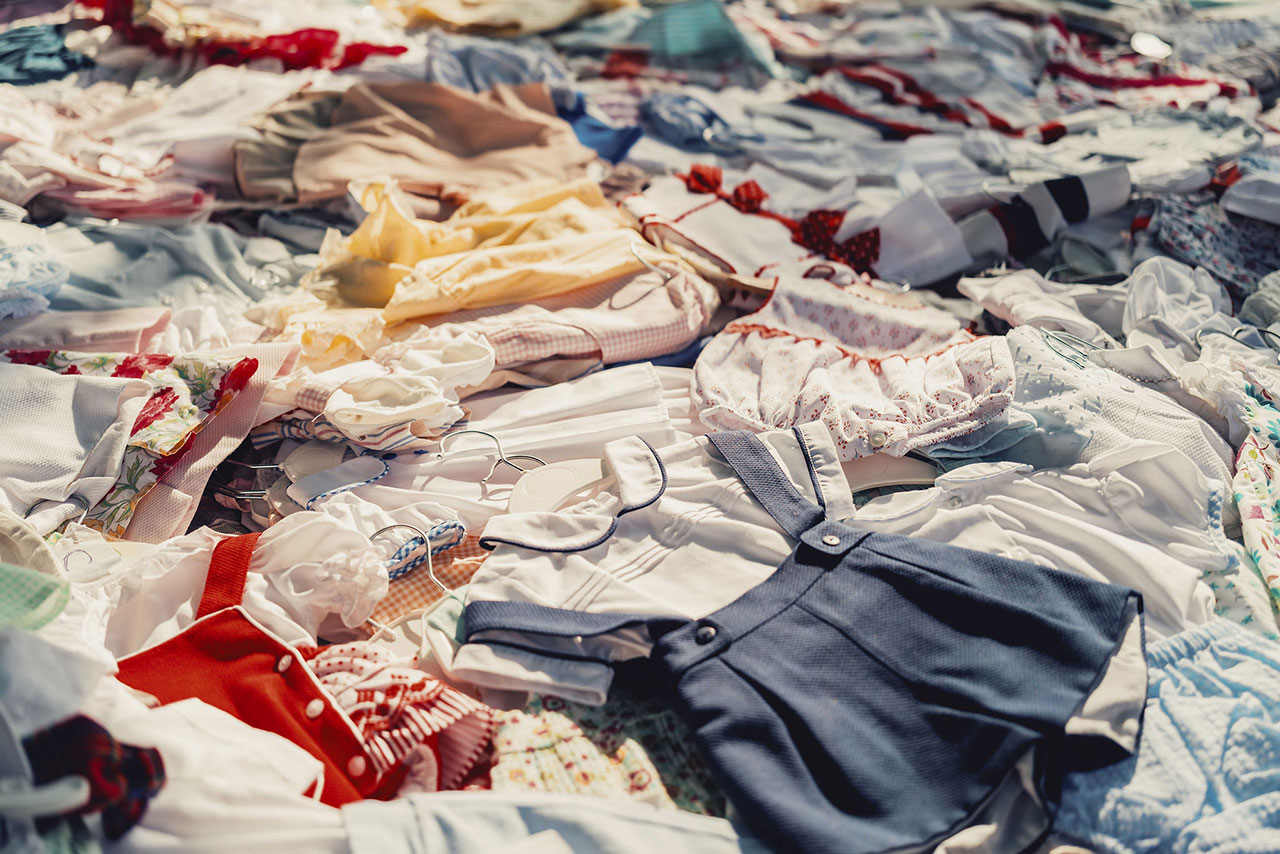
“I’ve spent the past year photographing not just the stalls but also the people who build their lives around them,” says Viegas. “Kids who nap in pushchairs while their parents sell jeans. Women who’ve worked the same pitch for decades. The waiting, the quiet, the in-between.”
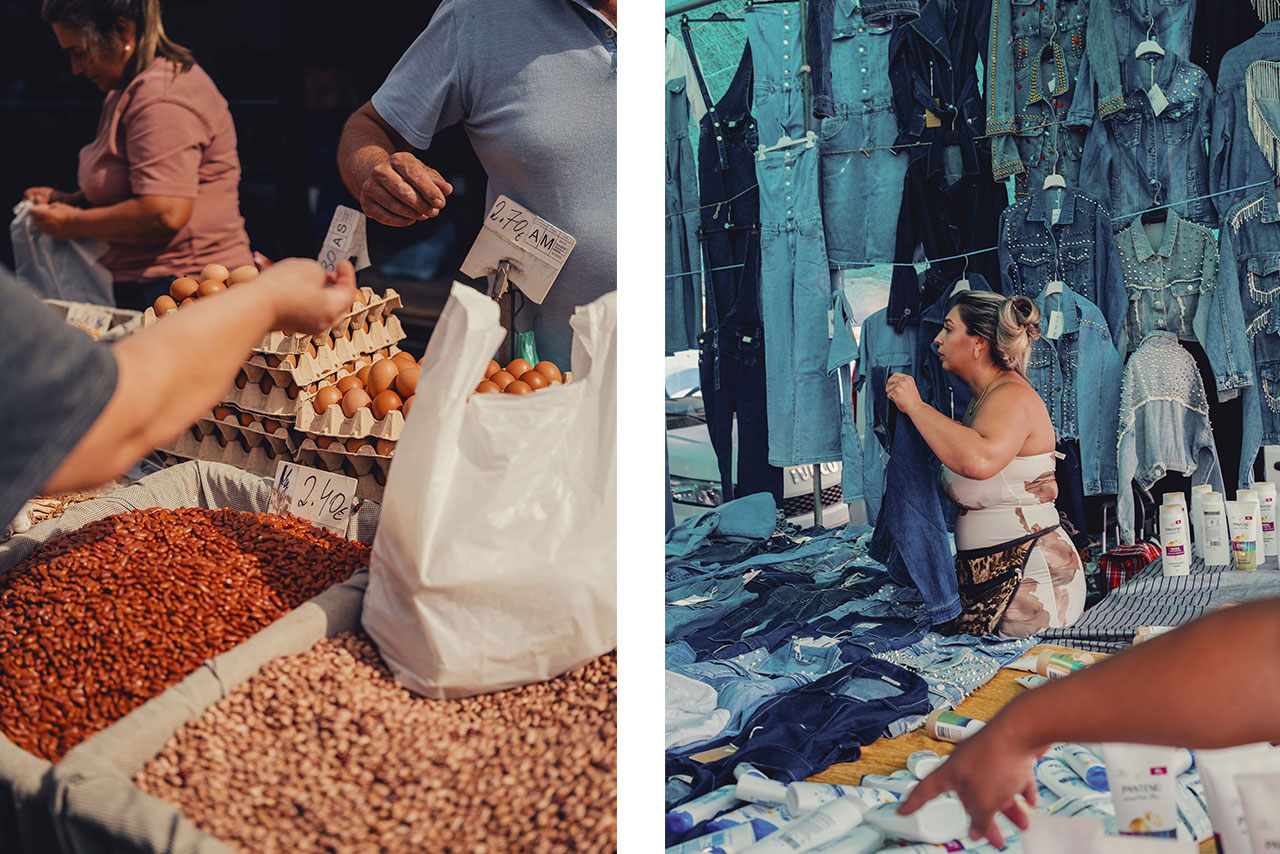
Looking beyond the surface, Viegas wants to show “how these gatherings carry a collective memory – one that is fragile yet deeply rooted in our everyday lives”. The exhibition also features a video installation by artist and filmmaker Mafalda Salgueiro that brings the hubbub and occasional cacophony of the market to the gallery walls.
‘Dia de Feira’ is on at Leica Gallery Porto from 24 January until 18 April.
|
|
What am i bid? Tupac’s Hummer
America’s most wanted: Tupac Shakur’s 1996 Hummer H1 on the block at Bonhams
At Bonhams’ Scottsdale Auction on 23 January, there will be many exquisite and tasteful vehicles on offer to tempt the discerning and refined (writes Andrew Mueller). A 1956 Ferrari 250 GT coupe, a 1957 Mercedes-Benz 300SL Roadster or a 1952 Rolls-Royce Silver Wraith limousine, among other options, would make appropriately stately additions to a gravel driveway or upscale neighbourhood. But where would be the fun in that?

Bidders with a spare €320,000-€390,000 and a desire to flaunt their wealth in more obnoxious fashion are instead commended to lot 130: a 1996 Hummer H1 that was modified at the whim of its first owner, Tupac Shakur, who purchased the vehicle only weeks before his death.
The Hummer has never been a subtle conveyance. It is the civilian version of the Humvee, the burly workhorse favoured by the US military since the mid-1980s. Prospective buyers will need to check if they live on a street wide enough to drive it along. The late rapper’s Hummer is finished in glossy black, adorned with the nickname “Eliminator” and fitted with accoutrements including additional lights, a hood guard, diamond-plate bumpers, a winch, leather and walnut trim, and, of course, an upgraded sound system, lest there be any remaining doubt that people will hear you coming.
|
|
how we live: CHECK-IN NATION
Looking for a place to hide your clutter? There’s a hotel for that
While travelling through Oslo Airport recently, a sign grabbed my attention: “Coat Hotel” (writes Lars Bevanger). I followed the arrow to a counter where a poster promised to “look after your winter coat while you travel to warmer climes”. Clever. Who needs their parka in the Canary Islands?
Norwegians are accustomed to the convenience of paying to forget about items that they won’t be needing for a while. Take the country’s car owners, who all own two sets of wheels because, by law, you’re required to have tyres fit for winter and summer. Where to store the spare set? Why, at a tyre hotel. A recent survey showed that approximately one in four Norwegian drivers uses such services. Other versions of these hotels go beyond simple storage. My personal favourite are ham hotels. If, in a moment of gluttony, you have purchased a whole pork leg and have neither the space to stash it nor the knowledge of how to preserve it, why not check it in with a cured-ham expert who will look after it? Some storehouses even offer to take the roof box off your car and guard your many pairs of cross-country and alpine skis. Heck, they’ll even clean and wax them for next season.
Growing up in pre-oil-rich Norway, there were certainly no tyre or ham hotels. Are we now so affluent that we are happy to pay our way out of any small inconvenience? Or is the prevalence of storage hotels a sign of an entrepreneurial spirit keen to help flat dwellers who might not have access to extra space? I, for one, wouldn’t mind it if someone opened a hotel for general clutter.
|
|
CULTURE CUT: Trieste Film Festival
Kafka, coffee and lots of kino: Trieste Film Festival is now screening
January is when the bora wind blasts the Adriatic and Trieste feels at its most enigmatic – just in time for the Trieste Film Festival (writes David Plaisant). From 16 to 24 January, Europe’s eastern-facing film showcase event returns for its 37th edition, reaffirming its status as Italy’s key platform for Central and Eastern European cinema and one of the continent’s most quietly consequential cultural weeks.
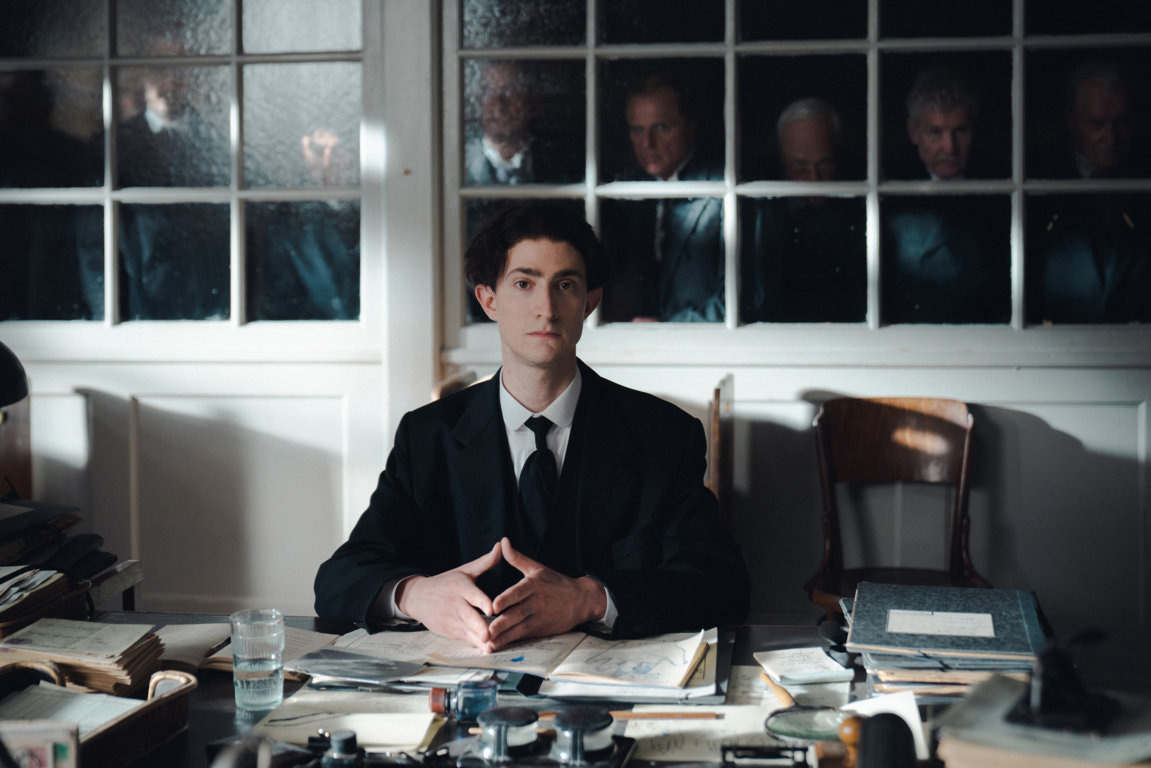
Directed by Nicoletta Romeo, this year’s programme spans more than 120 screenings and events across films, documentaries, shorts and masterclasses, with competitions dedicated to each form. The festival opens with Agnieszka Holland’s Franz, an ambitious biopic of Franz Kafka, before welcoming Kirill Serebrennikov for the Cannes Premiere selection of The Disappearance of Josef Mengele and closing with Ildikó Enyedi’s lyrical Silent Friend. Elsewhere, features by Sergei Loznitsa (Ukraine), Christian Petzold (Germany), Katarina Rešek (Slovenia) and Šarūnas Bartas (Lithuania) underline the festival’s role as a hub for some of Europe’s most compelling filmmakers.
Long shaped by shifting borders, empires and ideologies, Trieste sits at the intersection of Latin, Slavic and Germanic Europe. The festival draws on the city’s layered identity, offering cinema not as spectacle but as a form of orientation: stories that help navigate a complex continent at a time when it feels particularly intricate. Kafka would no doubt approve.
triestefilmfestival.it
Tempted by the allure of the Adriatic? Here’s your next read: Escape the gondolas with eight easy day trips from Venice. Have a super Saturday.
|
|
| | |


