Plus: How Netflix swallowed Hollywood.
Fortune 500 Digest with Alyson Shontell
Saturday, January 17, 2026
Foreword
Alyson Shontell
Editor-in-Chief

Big news this week in AI: Google and Anthropic just delivered crushing blows to lots of their competitors.

Anthropic dropped Claude Cowork, a user-friendly “general purpose AI agent,” to much fanfare. Cowork, built on the already successful Claude Code, can essentially help even non-techies read, analyze, and tweak all the files on their own computers. As Fortune AI reporter Bea Nolan notes, that could mean a death sentence for dozens of startups that are trying to do the same thing.

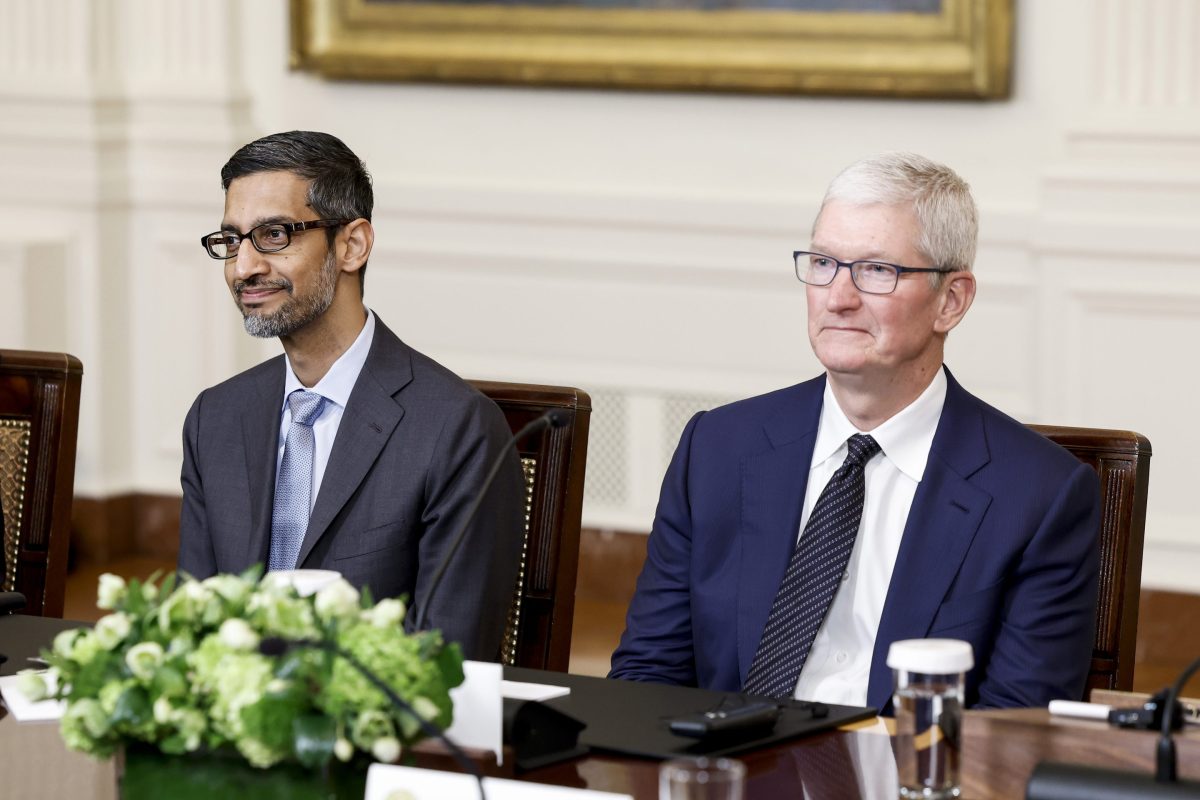
Meanwhile, Google and Apple (No. 4) struck a monumental AI deal, where Apple essentially threw in the towel on its own AI efforts and announced that it would use Google Gemini to power its future AI-driven apps and services, including an updated version of Siri that will drop later this year.

This partnership continued a hot streak for Google; parent company Alphabet (No. 7) saw its market cap top $4 trillion on the news. It’s also a major blow to OpenAI, which had partnered with Apple to offer ChatGPT on iOS devices but was never given exclusivity. It’s another reason why Sam Altman is putting so much energy toward nailing a future consumer device for AI with the help of Apple veteran Jonny Ive. If you can’t control the devices through which you’re distributed, you can’t guarantee your LLM will get massively used and stay that way. Probably not coincidentally, OpenAI announced yesterday that it would start testing ads in ChatGPT responses.

All this action, and it’s only 17 days into a year that will clearly be a defining one for all major AI players in their continual fight for dominance.

The AI battlefield will likely be one of the hot topics discussed next week at the World Economic Forum in Davos, Switzerland, where Fortune editors (including myself) will descend starting tomorrow. We will be meeting with lots of CEOs and world leaders and bringing the coverage to you live throughout the week. You can follow along on Fortune’s homepage, where we will have dedicated coverage, and via our CEO Daily newsletter, which will become a special Davos dispatch this week. Subscribe here.

Another thing to look out for: Our next issue of the magazine. I’ve got a bunch stashed in my suitcase, and you can read one of our features online, How Netflix (No. 116) swallowed Hollywood, here.

Advertisement
Catch Up
Magazine
by Natalie Jarvey
Fortune 500 C-suite Power Moves
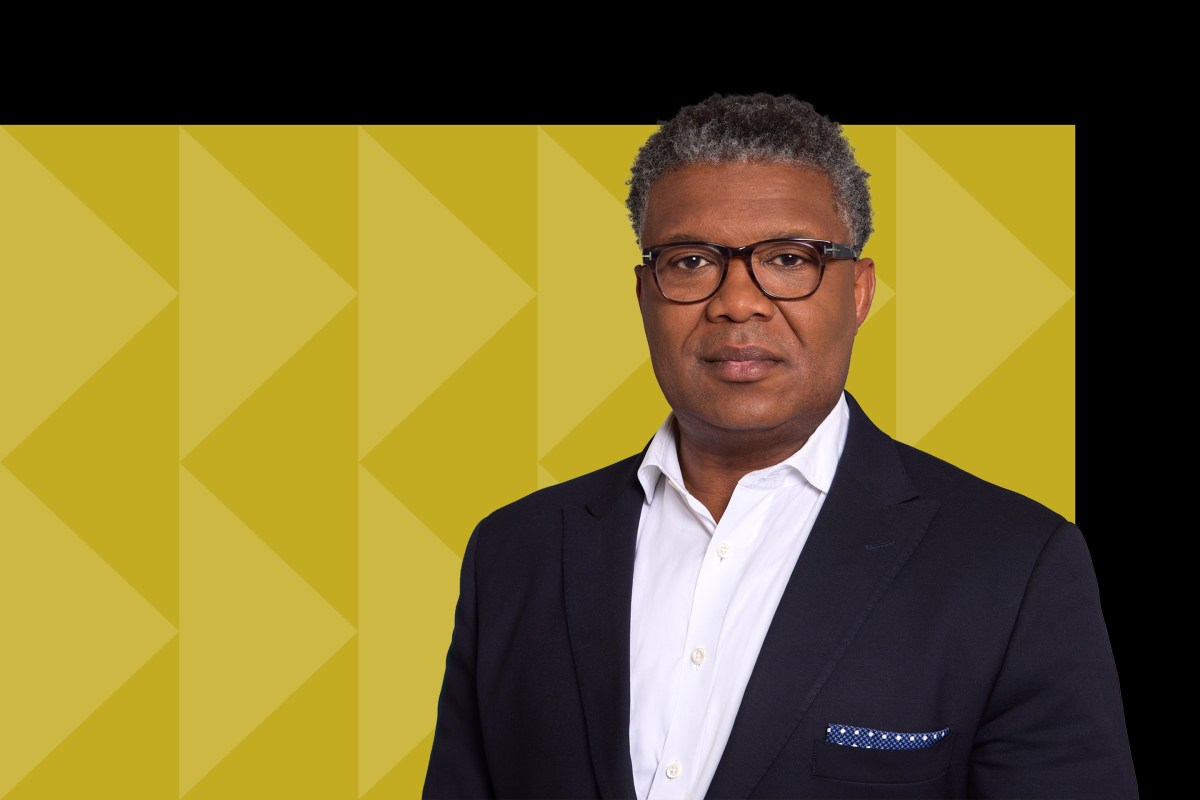
Henry Schein (No. 333) appointed Frederick Lowery CEO, effective March 2. Walt Disney (No. 46) appointed Asad Ayaz to the new role of Chief Marketing and Brand Officer. Thermo Fisher Scientific (No. 104) announced that EVP and COO Michel Lagarde will leave the company on March 31 to pursue a different opportunity.
And more in this week's Fortune 500 Power Moves.
Advertisement
Omni Shoreham Hotel
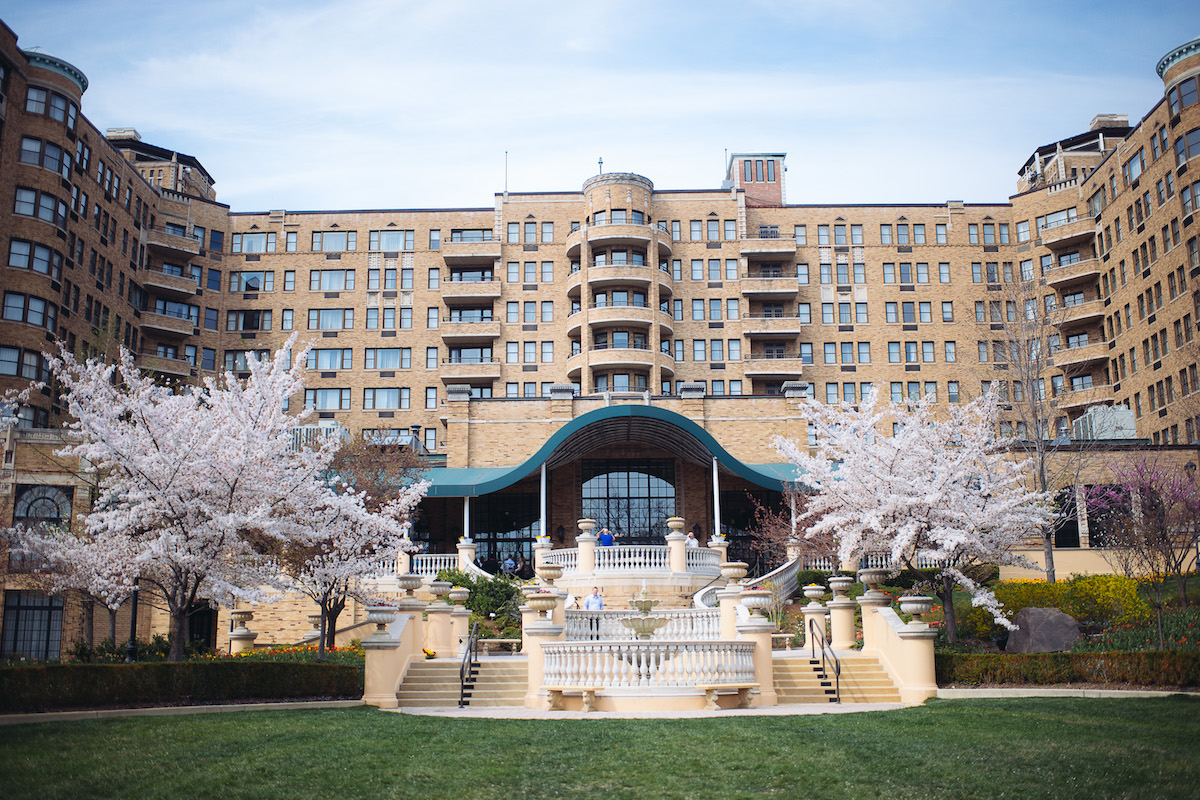
Along the wooded expanse of Rock Creek Park in one of Washington, D.C.’s most charming neighborhoods, Omni Shoreham Hotel blends timeless elegance with modern ease. This 1930 landmark has hosted everyone from presidents to world leaders to musical legends like The Beatles, Jimi Hendrix, and Liza Minnelli. Generations of travelers looking for a refined stay in the nation’s capital have relaxed in the grand public spaces that recall a glamorous past, while contemporary comforts—like a spa, seasonal outdoor resort pool, well-equipped Health Club, and fitness classes—make it a favorite for today’s travelers, too.
Book now
Deals & Developments
  • Walmart (No. 1) is expanding its partnership with Alphabet’s (No. 7) drone delivery unit, Wing, to 150 additional stores starting this year. The drones currently deliver a range of products in Atlanta and Dallas–Fort Worth, with plans to expand next to Charlotte, Houston, Orlando, and Tampa.
  • Ford Motor (No. 19) is in talks to source batteries from Chinese automaker BYD for use in its hybrid vehicles, the Wall Street Journal reports. The news drew criticism from Trump administration trade advisor Peter Navarro, who posted on X that such a deal would amount to Ford “[propping] up a Chinese competitor’s supply chain” while exposing itself to “extortion” risk.
  • Nvidia (No. 31) and Eli Lilly (No. 100) announced an “AI co-innovation lab” focused on developing models that streamline drug discovery. The companies plan to invest up to $1 billion in the initiative over five years. This past fall, the two companies unveiled a separate partnership to build an AI “factory” for biotechnology.
  • AbbVie (No. 77) entered a voluntary agreement with the Trump Administration to invest $100 billion in U.S. medical research and manufacturing in the country while lowering prices on certain drugs. Some drugs will be offered at low prices through Medicaid and via the TrumpRx platform. In exchange, during this three-year agreement, AbbVie will be exempt from tariffs and any future pricing directives.
  • Coca-Cola (No. 97) has opted not to sell Costa, its U.K.-based coffeehouse chain, according to the Financial Times. The company reportedly sought about £2 billion ($2.7 billion) for the brand, which it acquired in 2019 for £3.9 billion ($5.2 billion in today’s dollars), but failed to find a buyer at that price.
Overheard
“It will bite eventually, because you can’t just keep on borrowing money endlessly.”
JPMorgan Chase (No. 11) CEO Jamie Dimon on the company’s earnings call this week, referring to “deficits in the United States and around the world” that are “quite large.”
On earnings calls:
  • JPMorgan Chase (No. 11) slightly exceeded analyst expectations with $46.77 billion in quarterly revenue, big gains in equity trading revenue, but softened investment banking fees. CFO Jeremy Barnum predicted strong dealmaking activity in 2026. Read more: JPMorgan CEO and CFO: Staying competitive requires investment
  • Citigroup (No. 21) beat estimates with $21 billion in adjusted quarterly revenue, excluding a more than $1 billion charge related to the bank’s divestment of its Russian operations. CEO Jane Fraser touted the “significant progress” the bank made this year, but main