|
|
|
|
| Q |
|
What treatments exist for bone loss and osteoporosis? |
|
|
| A |
|
The most common medications used to treat osteoporosis are called bisphosphonates, which work by slowing down the cells that break down bone, helping to maintain or even increase bone density. Bisphosphonates are usually taken for several years, and your doctor may recommend a break after a certain period to reduce the risk of rare side effects.
Another medication option is denosumab, which is given as an injection every 6 months. Denosumab also works by preventing bone loss and increasing bone density and is especially useful for people who cannot take bisphosphonates or who have more severe osteoporosis.
For people at very high risk of fractures, anabolic medications such as teriparatide, abaloparatide, and romosozumab can be used. These medications actually help build new bone and are usually given as daily or monthly injections for a limited time, followed by another medication to maintain the new bone.
Selective estrogen receptor modulators (SERMs), such as raloxifene, are another option. These medications mimic some of the effects of estrogen on bone, helping to reduce the risk of spine fractures.
Estrogen therapy can be effective for treating osteopenia (mild bone loss) in postmenopausal people, especially within the first 10 years after menopause.
Estrogen helps slow bone loss and can even increase bone density. However, it’s not usually the first treatment choice for osteoporosis because it carries some risks, such as an increased chance of blood clots and certain types of cancer. Estrogen therapy may be considered for people who also have bothersome menopausal symptoms or who cannot use other osteoporosis medications.
No matter which medication is used, lifestyle changes are an important part of managing bone loss and osteoporosis, including:
- Getting enough calcium and vitamin D: Most adults need about 1,200 to 1,500 mg of calcium and 800 to 1,000 IU of vitamin D each day, ideally from food.
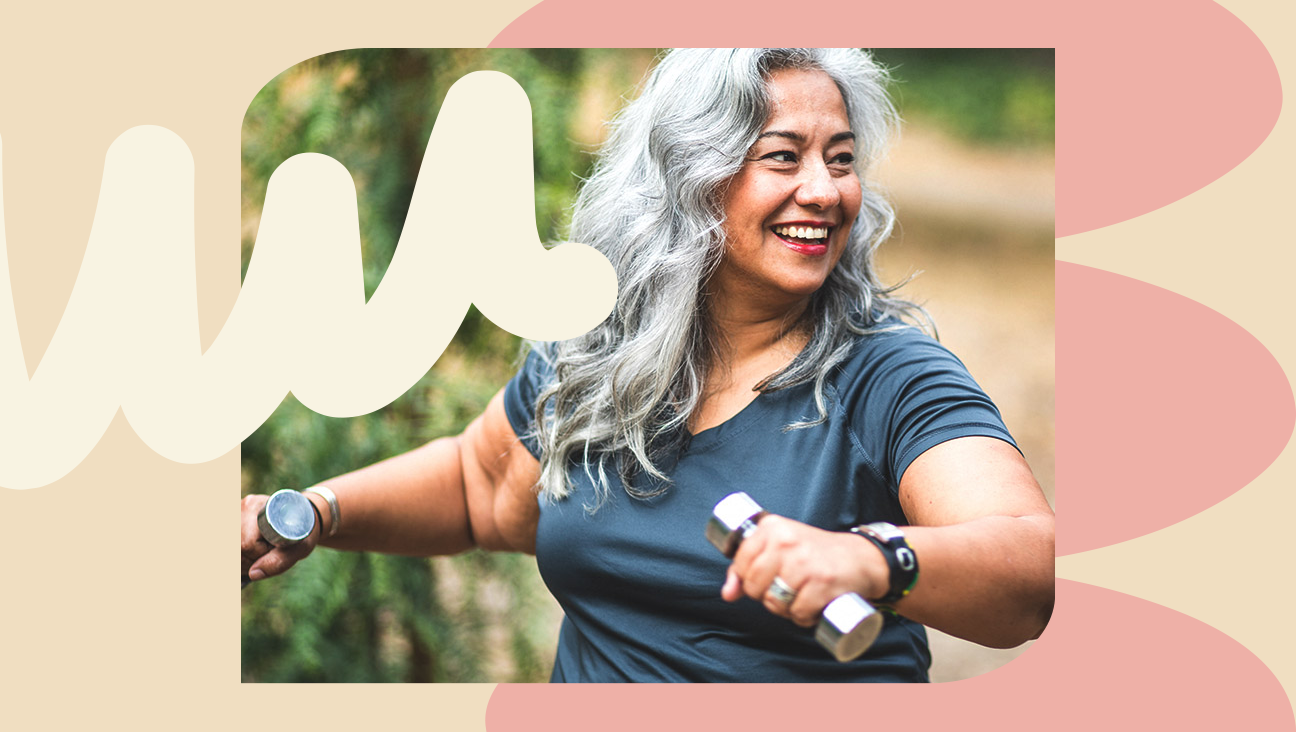
- Doing regular weight-bearing and resistance exercises: This includes walking, jogging, dancing, or lifting weights, to help strengthen bones and improve balance, which can reduce the risk of falls and fractures.
- Avoiding smoking and limiting alcohol: Both of these habits can decrease bone health.
Fall prevention is another key part of osteoporosis management. This can include making your home safer by removing tripping hazards, improving lighting, and using assistive devices if needed.
|
|
|
|
|
|
|
| Do you have any questions for our menopause experts? Let us know at menopause@healthline.com, and the answer may be featured in an upcoming edition! |
|
|
|
|
|
|
|
|
|
|
|
|
|

|
|
 |
|
|
| We may feature your messages to our inbox within our content. Please do not provide any personal identifiable information. Replies may be edited for length and clarity. For more, see our Privacy Policy.
|
Healthline, Optum Now, and their respective logo(s) are trademarks of RVO Health, LLC.
All other trademarks are the property of their respective owners.
© 2026 RVO Health, LLC. All Rights Reserved.
1101 Red Ventures Drive, Fort Mill, SC, 29707
|
|
|