| | AstraZeneca pledges a major China investment, Tesla goes big on robots, and US life expectancy rises͏ ͏ ͏ ͏ ͏ ͏ |
| |  SAINT PETERSBURG SAINT PETERSBURG | NEW DELHI |  WUXI WUXI |
 | Flagship |  |
| |
|
The World Today | 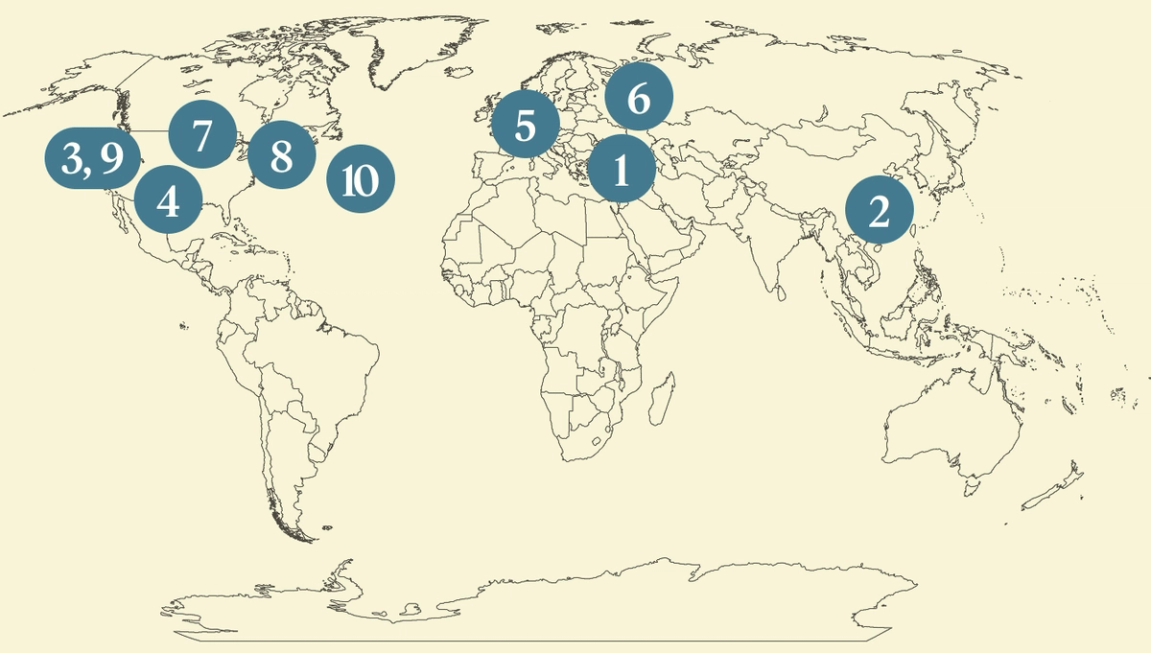 - Iran talks in Turkey
- Astra’s big China investment
- Tech stocks fall on AI fears
- Tesla pivots to robots
- EU aims for tech sovereignty
- Kremlin’s budget challenges
- Drawdown in Minneapolis
- US life expectancy rises
- Meet the Vitalists
- Right whale baby boom
 Essays about India from a BBC veteran beloved by Indians. |
|
Turkey mediates amid US-Iran tensions |
 Majid Asgaripour/WANA (West Asia News Agency) via Reuters Majid Asgaripour/WANA (West Asia News Agency) via ReutersIran’s top diplomat is visiting Turkey on Thursday for talks aimed at averting a US strike, as President Donald Trump ramps up threats of military action against Tehran. Ankara is trying to convince Iran to offer nuclear concessions to avoid a conflict, and has proposed a video call between Trump and his Iranian counterpart, The Guardian reported. Trump warned earlier this week that time is running out for nuclear negotiations following Iran’s crackdown on anti-government protests. Security forces have since rounded up thousands to deter future demonstrations, Reuters reported. But any US attempt to topple the regime “would confront the reality that Iran’s power extends beyond its top leadership, rooted in a deeply entrenched institutional network that could maintain control,” Al-Monitor wrote. |
|
AstraZeneca deepens China investment |
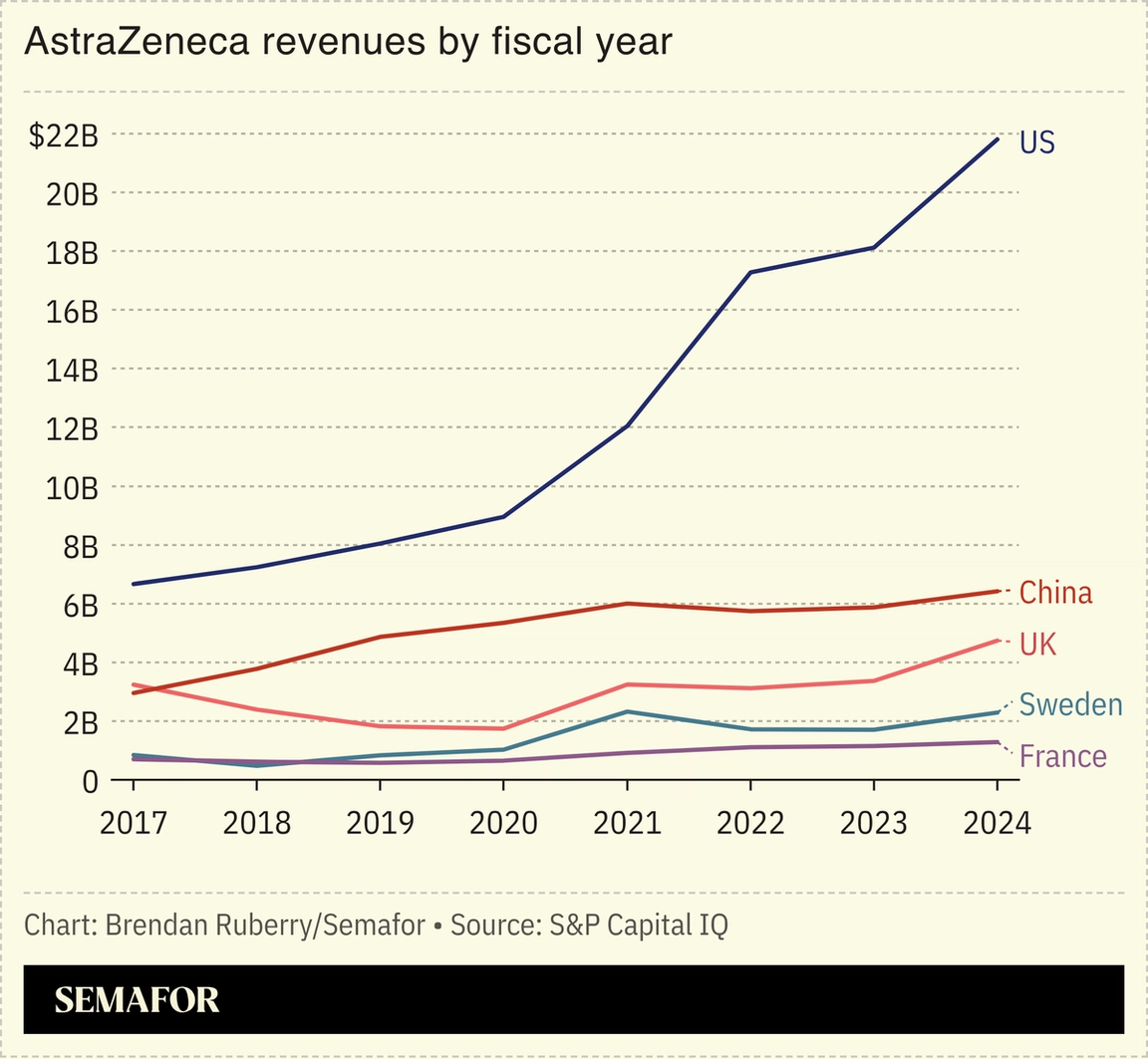 AstraZeneca will invest $15 billion in China through 2030, the British pharmaceutical giant announced Thursday during the UK prime minister’s visit to Beijing. Astra is the biggest foreign drugmaker in China, and has been ramping up its investments there despite scrutiny from authorities: Beijing detained Astra’s top local executive in 2024. The move reflects the recent boom in China’s biotech ecosystem, marked by thousands of new startups, innovative research and development, and a speedy clinical trial process, a pharma-focused outlet wrote. More than a third of biopharma licensing deals last year involved a Chinese firm. The leaders of the UK and China, pledging closer ties, also reached other agreements, including 30-day visa-free travel to the mainland for Britons. |
|
Tech stocks fall on AI spending jitters |
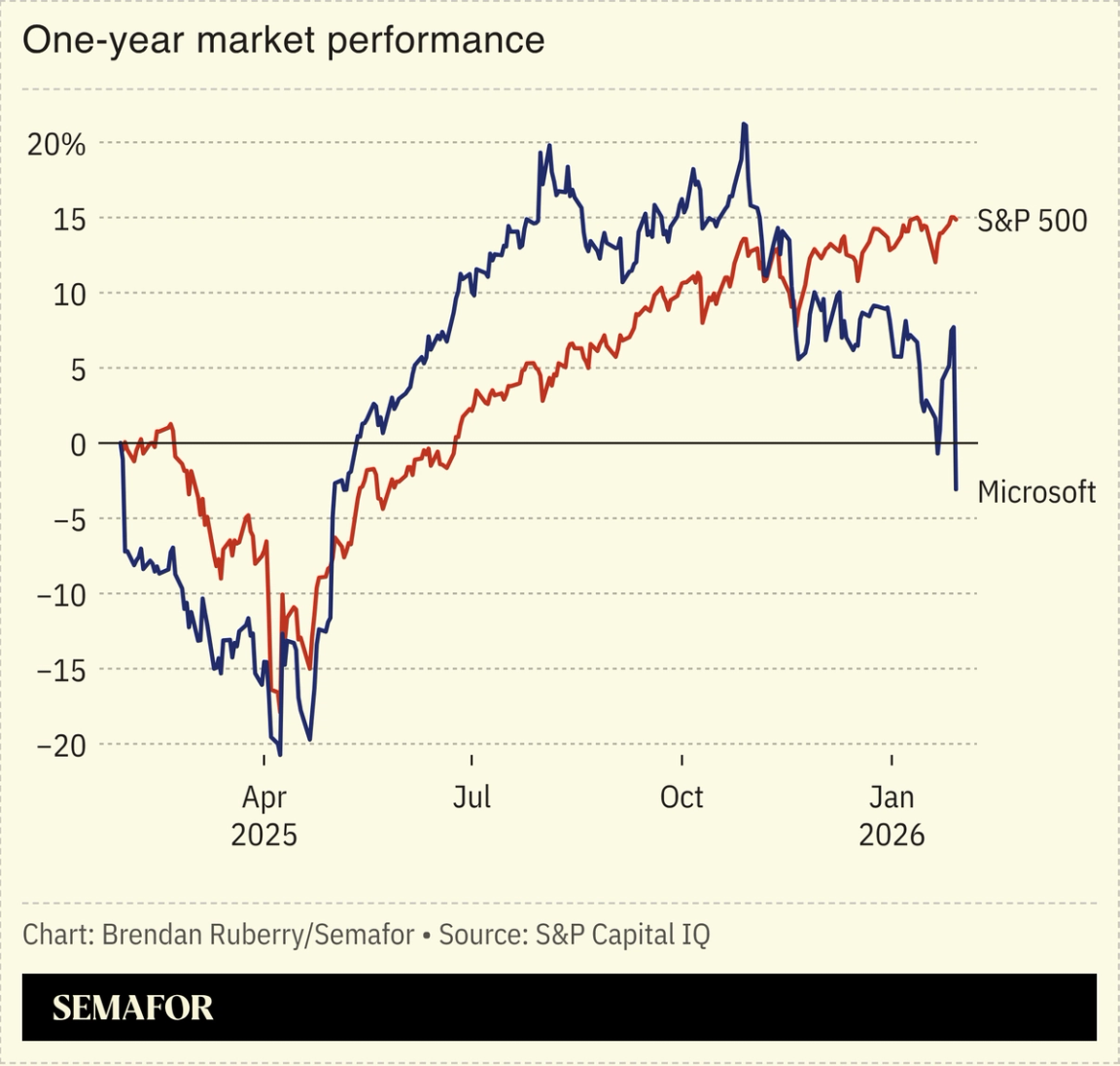 US tech stocks slumped on Thursday after earnings reports from industry giants raised questions about how long it will take for aggressive AI spending to pay off. Microsoft shares fell 10%, the company’s biggest single-day plunge since March 2020, after it reported record AI spending, but slowing cloud growth. Fear is creeping back into investors’ minds that “the AI theme may not be as immediately lucrative as hoped,” one analyst said, though he cautioned that it’s far too early to declare the AI trade has peaked. At the same time, there are rising concerns on Wall Street that “AI investments will eat the software companies’ lunches,” another strategist said. Software stocks entered bear-market territory Thursday. |
|
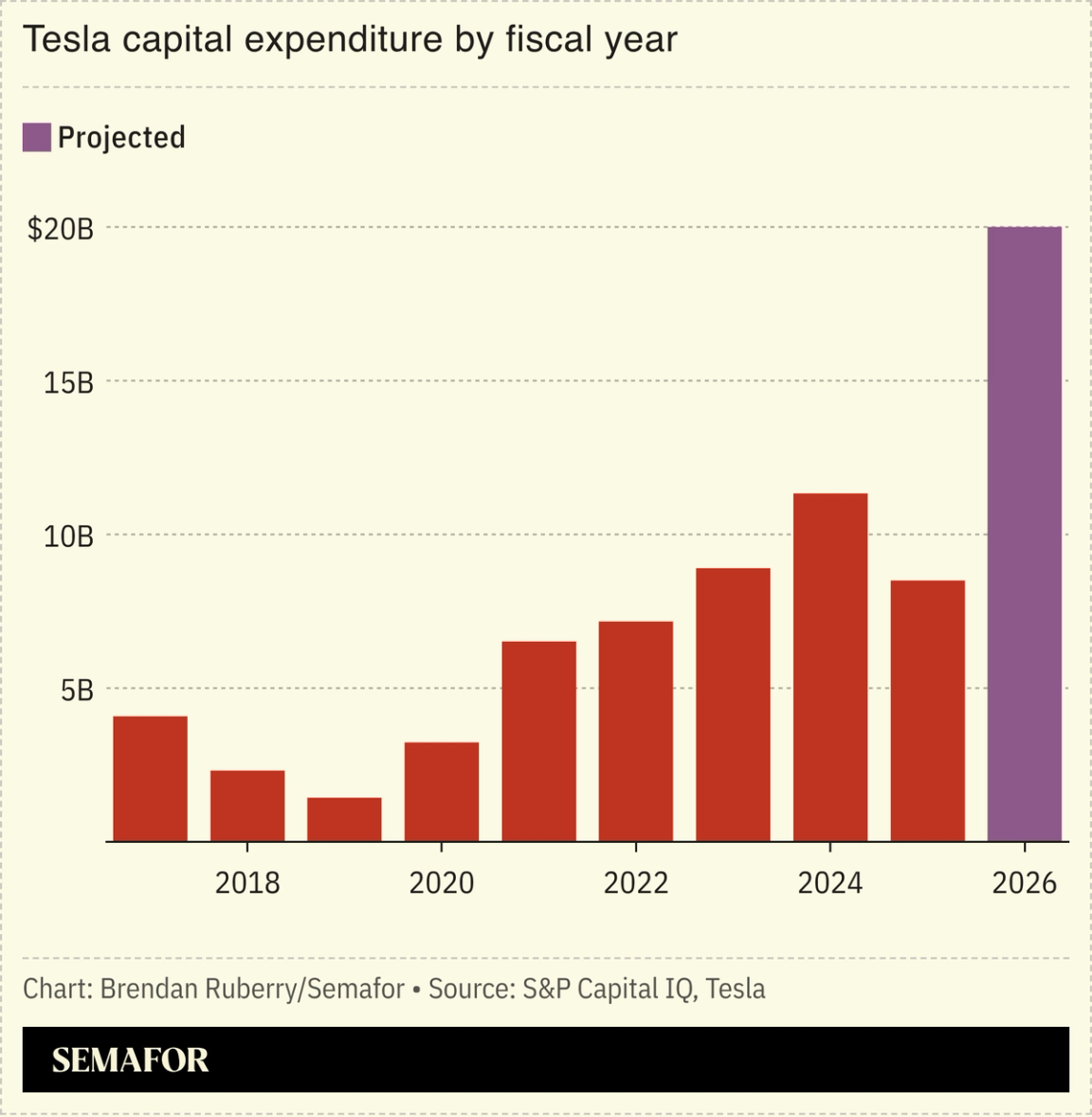 Tesla wants to make fewer cars and more robots. CEO Elon Musk said Wednesday that the EV giant, which has seen falling vehicle sales, will stop making its Model S and X, and instead use a California factory to build humanoids. The shift reflects Musk’s “futuristic vision” of tech, CNN wrote: His rocket-maker SpaceX and AI startup xAI are in talks to merge ahead of a massive IPO later this year, Reuters reported, with a goal of launching data centers into orbit. Tesla’s pivot to robots, accompanied by a $20 billion capital spending pledge this year, is risky. China is considered the leader in humanoids, but its leading firm only shipped about 5,500 bots last year. Tesla shipped 150. |
|
French government to stop Zoom calls |
 Charles Platiau/Reuters Charles Platiau/ReutersThe French government will stop using US-made videoconferencing software in favor of homegrown technology, part of a wider European move toward self-reliance. From 2027, the domestic Visio platform will replace Zoom and Microsoft Teams, among others. The EU is increasingly keen on digital sovereignty: It is backing a network of European data service providers to reduce dependence on US cloud computing, a card payment system to rival Visa and Mastercard, and semiconductor manufacturers to avoid relying on Intel and TSMC. The bloc has accelerated efforts amid tensions with Washington, but the push is not new: The “Galileo” satellite navigation system was set in place in 2016 as a response to concerns that Europe was dependent on the US military’s GPS tech. |
|
Russian energy, defense sectors slow |
 Alexander Manzyuk/Anadolu Agency via Getty Images Alexander Manzyuk/Anadolu Agency via Getty ImagesA slowdown in Russia’s defense and energy sectors is weighing on the country’s war economy. Oil and gas revenues have fallen because of low prices, a global glut of crude, and sanctions, while military-related industries, including weapon and ammunition production, are seeing languishing growth, government projections show. “This year’s problems seem more intense than usual,” The Bell wrote. Moscow is looking to hike taxes to shore up its budget, the only way it can find the resources to continue its war against Ukraine, Meduza argued. “Even so, the Kremlin shows no sign of moving toward peace — a choice that bodes poorly for the Russian economy in 2026.” |
|
US eyes drawdown of ICE agents in Minn. |
 Tim Evans/Reuters Tim Evans/ReutersUS President Donald Trump’s border czar said Thursday that immigration operations in Minneapolis would become “safer,” with plans for an eventual “drawdown” of federal agents on the streets. Tom Homan’s comments followed Trump’s remarks suggesting a “de-escalation” after weeks of tumult over agents killing two US citizens in the city. The furor has become a political headache for Republicans: Democratic senators on Thursday blocked a spending bill that would keep the government open past Friday and put billions toward homeland security funding. The unrest has also spotlighted private-sector actors that have benefited from Trump’s deportation push. Companies including Palantir and Deloitte have collectively made more than $22 billion from contracts with government agencies leading the immigration crackdown, the Financial Times reported. |
|
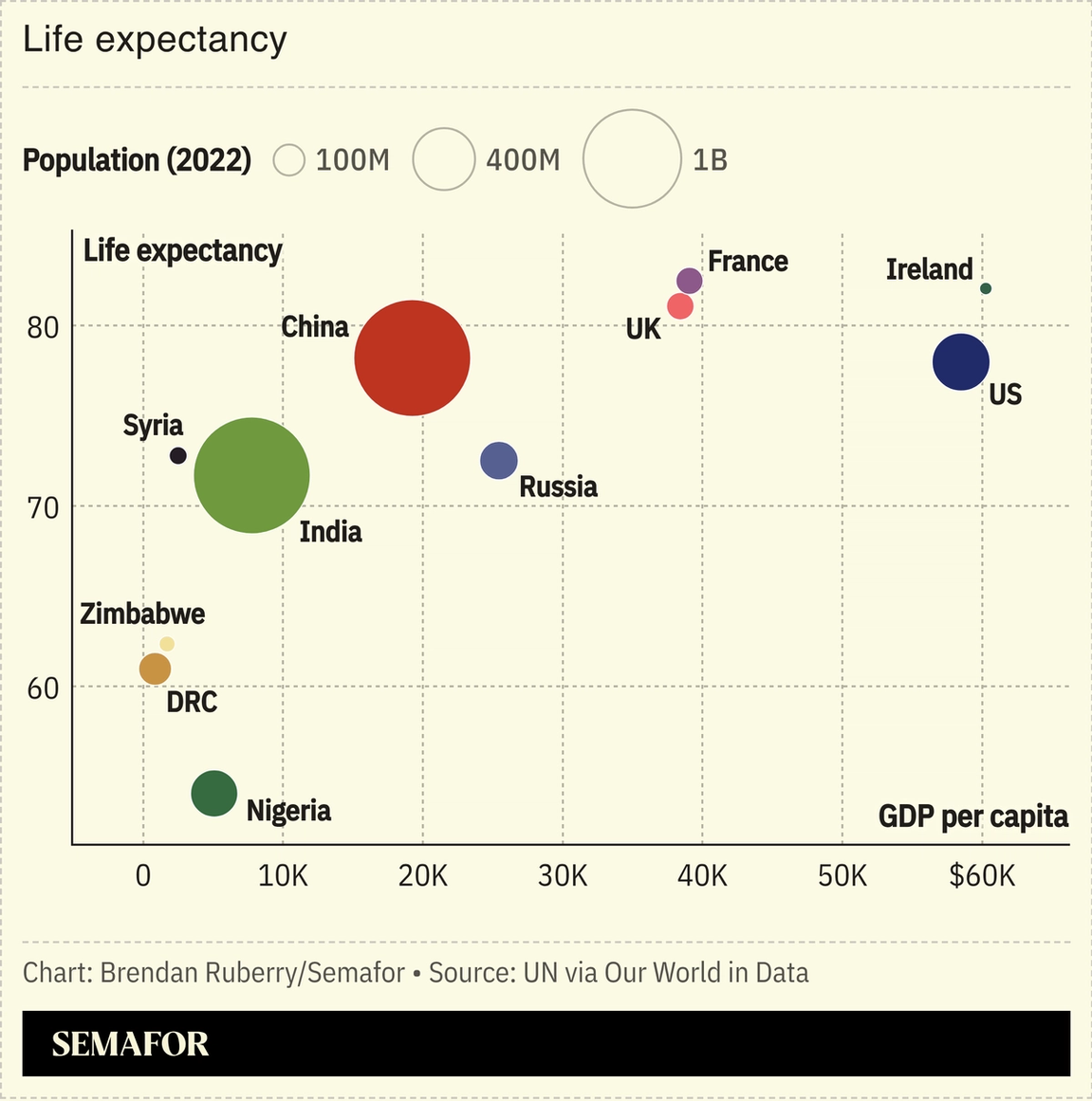 US life expectancy at birth reached an all-time high in 2024. Americans tend to die younger than inhabitants of other rich nations — in 2022, the average US citizen died at 78, compared to 82 in similarly wealthy Luxembourg or Ireland, and equivalent to much poorer Estonia. Life expectancy was particularly hard hit during the pandemic, with US lifespans dropping about 1.8 years. But things have improved. Opioid overdoses fell 35% between 2023 and 2024, which epidemiologists told The Wall Street Journal was likely down to increased distribution of anti-overdose drugs and other policy changes. That, and the decline of COVID-19, meant the country saw life expectancy jump 0.6 years to 79 between 2023 and 2024. |
|
Waging a moral war against death |
 Vitalism Foundation Vitalism FoundationA burgeoning movement is aiming to upend the “longevity” field by waging a war against death. Wide interest in anti-aging efforts has taken off in recent years, thanks in part to controversial proponents like millionaire Bryan Johnson. But “longevity” has a branding problem, a group called the Vitalists believes. Their core philosophy is that “death is bad and life is good,” MIT Technology Review wrote. Humanity has a moral duty to defeat death, they argue, which would require a political and culture-wide upheaval. Some researchers and policymakers are taking them seriously, even as many of the anti-aging treatments they are exploring — ranging from drugs to cryonics — don’t yet exist. |
|
|