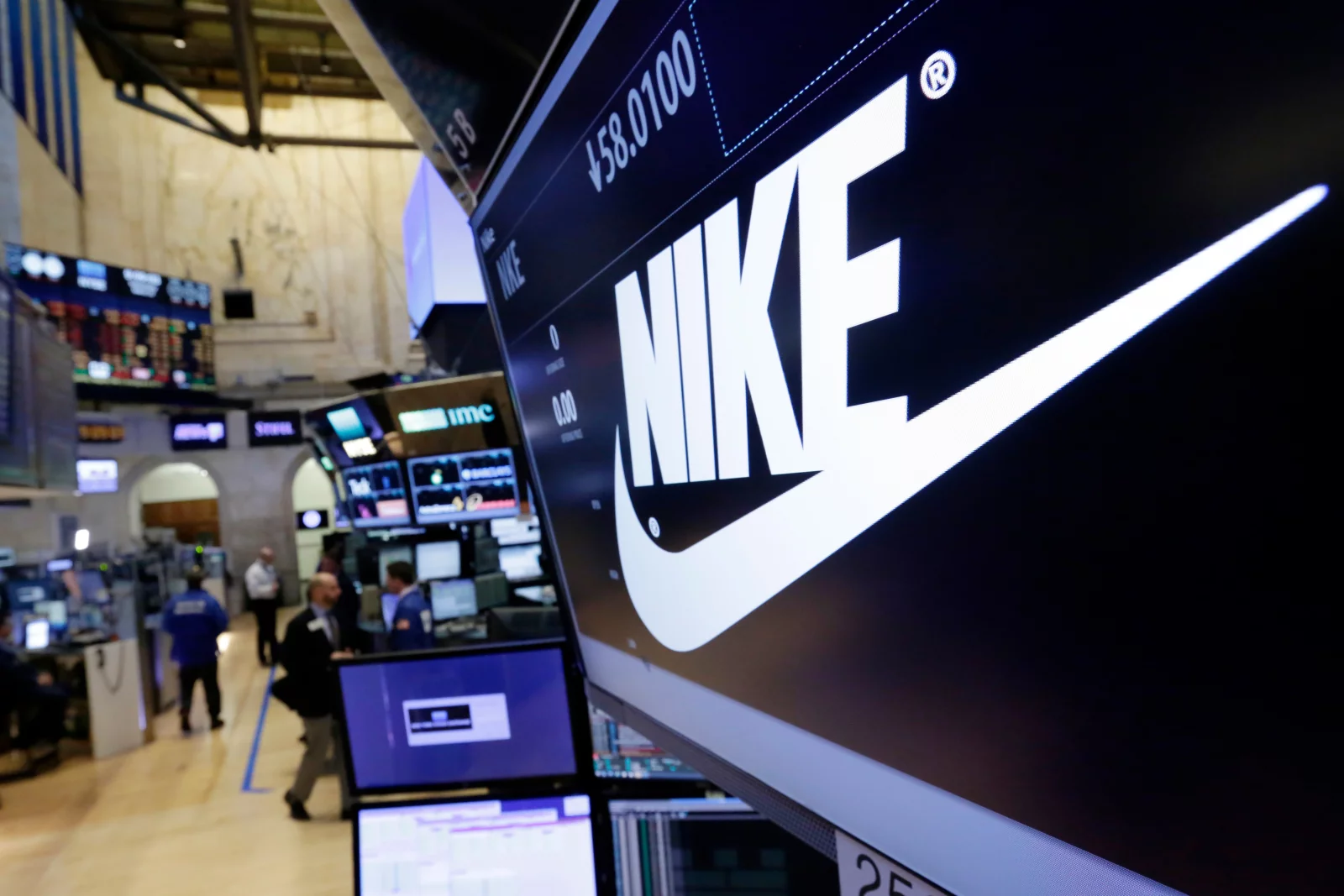
It’s a dangerous game to guess someone’s race just by looking at them. But I’m feeling a little reckless. So I’ll say that, by my best approximation, of the 19 people currently listed on Nike’s “Leadership” page, four of them appear to be people of color.
As much as I love keeping tabs on the racial diversity of business leadership, this wasn’t just any exercise in corporate watchdoggery. I was curious because the Equal Employment Opportunity Commission (EEOC) just announced that it is investigating Nike for workplace discrimination. Discrimination against white people. At question in the EEOC investigation are Nike’s criteria for determining layoffs and executive compensation, as well as “16 programs which allegedly provided race-restricted mentoring, leadership, or career development opportunities,” according to a recent EEOC press release.
Now, according to Nike’s website, as of 2021, 60% of all the company’s employees were racial or ethnic minorities (though only half that amount were represented in director or VP positions.) And that same page contains language that seems like it would be of particular concern to the Trump administration, starting with the line, “NIKE’s approach to employee and business growth is fueled by the belief that diversity—in all its forms—fosters creativity and accelerates innovation.” (The White House, for its part, has famously asserted that “illegal DEI and DEIA policies…threaten the safety of American men, women, and children across the Nation by diminishing the importance of individual merit, aptitude, hard work, and determination when selecting people for jobs and services in key sectors of American society.”)
Richard Drew/AP
The EEOC is the agency responsible for enforcing federal anti-discrimination laws. Those laws protect workplaces from discriminating against current, past, and potential employees on the basis of “race, color, religion, sex (including pregnancy, childbirth, or related conditions, transgender status, and sexual orientation), national origin, age (40 or older), disability or genetic information.” The EEOC was established as part of the Civil Rights Act signed into law by President Lyndon Johnson in 1964. It was considered a huge win by civil rights leaders, who celebrated the prospect that African Americans and other marginalized groups would eventually be able to access many more of the work opportunities they had been systemically shut out of for generations.
Today, a little more than 60 years since the passage of that legislation, President Trump has embraced the EEOC. But that embrace likely looks very different than many who fought for its protections had hoped for or imagined. The EEOC website now prominently features banners offering information about what to do if someone experiences “DEI-related discrimination,” and prompting visitors to “REPORT ANTI-AMERICAN EMPLOYMENT BIAS.”
So as Nike and the federal government duke it out, it’s possible that we’ll be hearing some very different interpretations of civil rights law — and deeply disparate arguments about who is under threat and who is advantaged in our current society. I have to say, I hadn’t imagined this fight playing out quite in this way, with the government fighting for the majority and a giant corporation championing diversity. But then again, many businesses have long been exposed to the notion that diverse teams are more profitable. Plus, Nike likely understands more than anyone that minorities buy sneakers, too.
Newsletter continues after sponsor message
ON THE POD
Photo by Camilla Greenwell/Courtesy of Harper Collins
In so many spaces, celebrating Black History History month means learning a few fun facts about famous African Americans. But Black History Month was designed to be much more radical — it was an opportunity for Black communities to learn about the aspects of their history that had been downplayed, diminished, or even actively suppressed. We talk to historian Jarvis Givens about his new book, I’ll Make Me A World: The 100-Year Journey of Black History Month, and how studying and preserving Black history has changed (or not) over the years.
Support discussions that matter - try a subscription to Code Switch+. Dive deep into the conversation with none of the sponsor interruptions, and know that you’re making this all possible with your support. Learn more at plus.npr.org/codeswitch and start with 30 days free by using the code "freemonth".
Fam, what do you make of all this? I want to know your thoughts, questions, hot takes, and curiosities. You can email me and the rest of the Code Switch team any time at CodeSwitch@npr.org. (Seriously, just do it.)
We'll be back week, perhaps talking about one of my favorite holidays ❣️ See you then.
-Leah Donnella, senior editor
Written by Leah Donnella and editedby Dalia Mortada
Stream your local NPR station.
Visit NPR.org to find your local station stream.
Subscribe to Code Switch+. Your support helps make our show possible and unlocks access to our sponsor-free episodes.
What do you think of today's email? We'd love to hear your thoughts, questions and feedback:codeswitch@npr.org
Enjoying this newsletter? Forward to a friend! They cansign up here.
You received this message because you're subscribed to Code Switch emails. This email was sent by National Public Radio, Inc., 1111 North Capitol Street NE, Washington, DC 20002