A fresh take on culture, fashion, cities and the way we live – from the desks of Monocle’s editors and bureaux chiefs.
|
Saturday 7/2/26
|

|
|
London
Paris
Zürich
Milan
Bangkok
Tokyo
Toronto
|
|
|
|

peak condition
Our dispatch begins with two
fresh retail offerings in Sydney and London, followed by the best place for
a spot of shopping in Dubai. We also round up some
skiwear inspiration that will keep you looking sharp on and off-piste, preview
three transformative art exhibitions opening this month and stroll through the city of Kochi with artist Bose Krishnamachari. Taking the helm from the World Governments Summit is our editor in chief, Andrew Tuck.
|
|
The best architecture is invisible. Dubai has signed up two of the world’s most famous practitioners to prove it
By Andrew Tuck
|

|
Monocle was on the road this week in Dubai at the
World Governments Summit (WGS), where we built a Monocle Radio studio and an outpost of our café. The vast event comprises numerous auditoriums hosting conversations and debates, companies pitching their products and delegations looking to strike deals in the UAE. This year there were just shy of 40 world leaders in attendance, 500 ministers and numerous business CEOs, especially from the technology sector. And many of them came through the front door of our studio.
Meanwhile, over at our coffee hub, the customer base went beyond cool Emiratis. The chief of police came by and generals whose chests were fly-posted with galleries of medals took meetings under our parasols. I also met the inventor of the phrase “fear of missing out”, was entertained by one of Japan’s most famous TV magicians and talked shop with a man who created a successful tech company off the back of looking like Tom Cruise.
I particularly enjoyed this edition because, as well as the discussions about AI, next-generation governance and the race to a future that might obliterate much of what we know, there were gentler, philosophical conversations woven through the programme. This was especially true when it came to the topic of making better cities. What’s more, Monocle got to help nudge this debate along.

On Thursday I moderated a talk between architect Santiago Calatrava and Marwan Ahmed Bin Ghalita, director general of Dubai Municipality, for a session called “How do cities preserve the human soul?” I asked them both about the notion of “invisible architecture”. This is the idea that it’s not just the steel and timber shells of buildings that shape a city – and how we feel in a place – but also numerous silent, unseen elements that help to determine how we respond to a place. Consider how the flow of people through a train station is managed through design, how accessibility is in the DNA of a building (not a clunky add-on) and how tactility and light are introduced. Calatrava placed his hands on the armrests of the chair, using this to mimic the walls of an edifice, and explained that this really wasn’t the important part and certainly not where you discover the soul of a city. Rather, he said, “it’s what happens in the void that matters”. It’s in the bit between the walls where everything happens, where we work, shop and catch the train.
It’s true. Think of how the void in a cathedral or church can make you feel. It’s hard not to be awed, moved, when you enter, say, the monumental Grundtvig’s Church in Copenhagen. A soaring void is also what Calatrava used in the vast white World Trade Center Transportation Hub in Manhattan. And, he explained, these are places where you can have an individual conversation with your surroundings or be one with the crowd. And, perhaps, find some soul.
Dubai is grappling – like many places – with this issue because while it wants and needs to grow apace, it realises the necessity of making a city that people love, feel at home in, become attached to. The director general, a man overseeing endless planning consents, told the audience that his checklist of what made a good building was whether it would be a place where memories were made, not just function efficiently. That’s a powerful point because it’s memories that bind us to a place and allow us to create mind maps of the settings where our life has unfolded in hopefully wonderful ways.
Also on stage with me this week was Kengo Kuma, an architect with a philosopher’s eye on his industry. He was eloquent about the need to work in harmony with nature and how architecture can improve our well-being while going almost unnoticed.
Dubai wants to be at the forefront of new technology, urban mobility and much more. But it’s also at a moment when it’s keen to develop ideas around city-making, community, co-designing, youth engagement – ideas that could help deliver a place where tradition moves hand in hand with the future. That’s why it was announced during WGS that Kuma and Calatrava will become principal contributors to Dubai Municipality’s Urban Planning and Design Lab, which is focused on participatory design, youth engagement and working with nature.
A city famed for its pace and building skyline-defining towers could also become a laboratory for a gentler urbanism. There’s lots to do – but it is on their agenda.
To hear more voices on city making from the World Governments Summit, listen to the latest episode of ‘The Urbanist’.
|
|
STONE ISLAND
 MONOCLE MONOCLE
|
|
RETAIL UPDATE:
Australia & UK
Take a ride to the latest sportswear openings in Sydney and London
Maap Lab,
Sydney
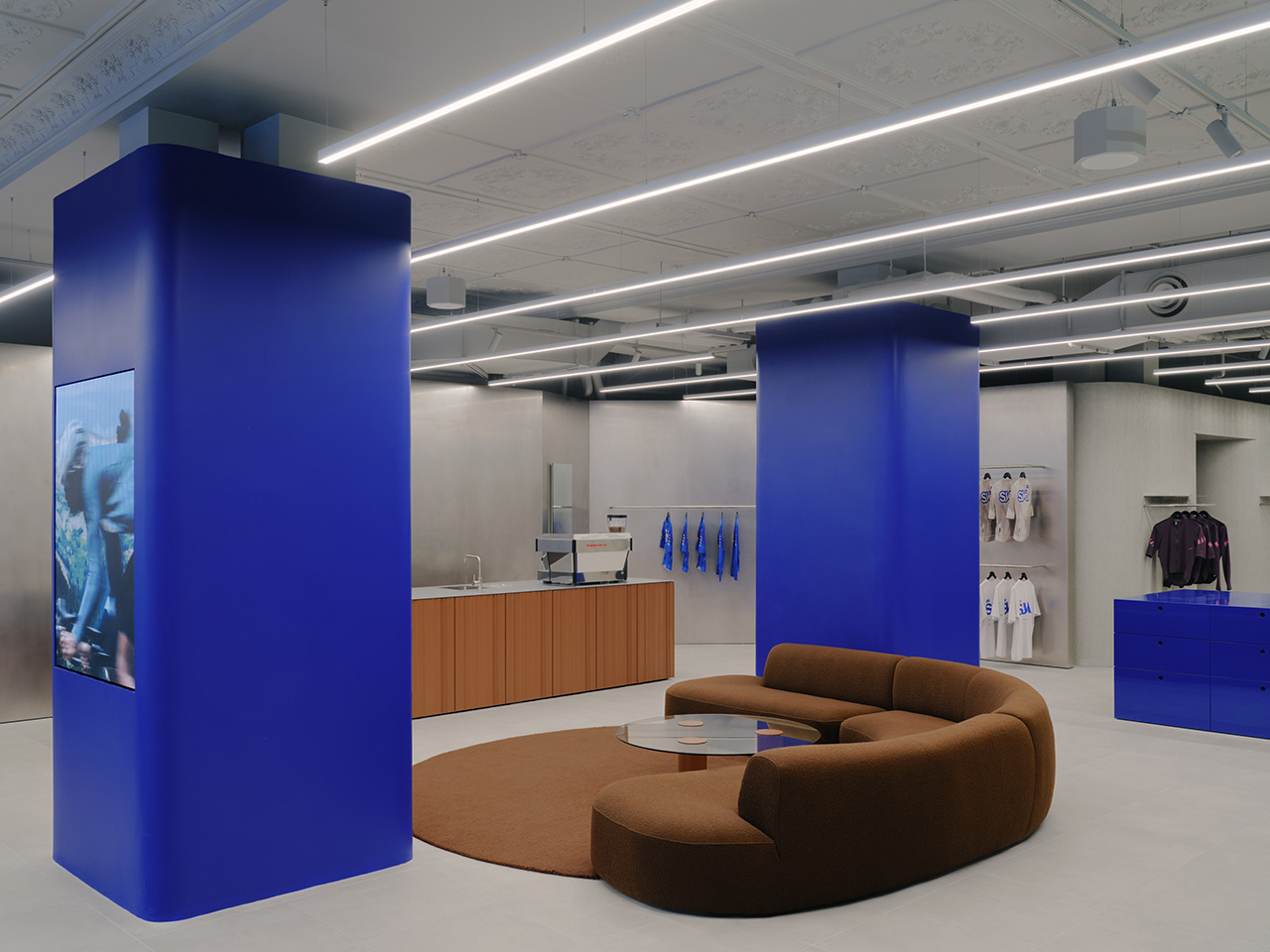
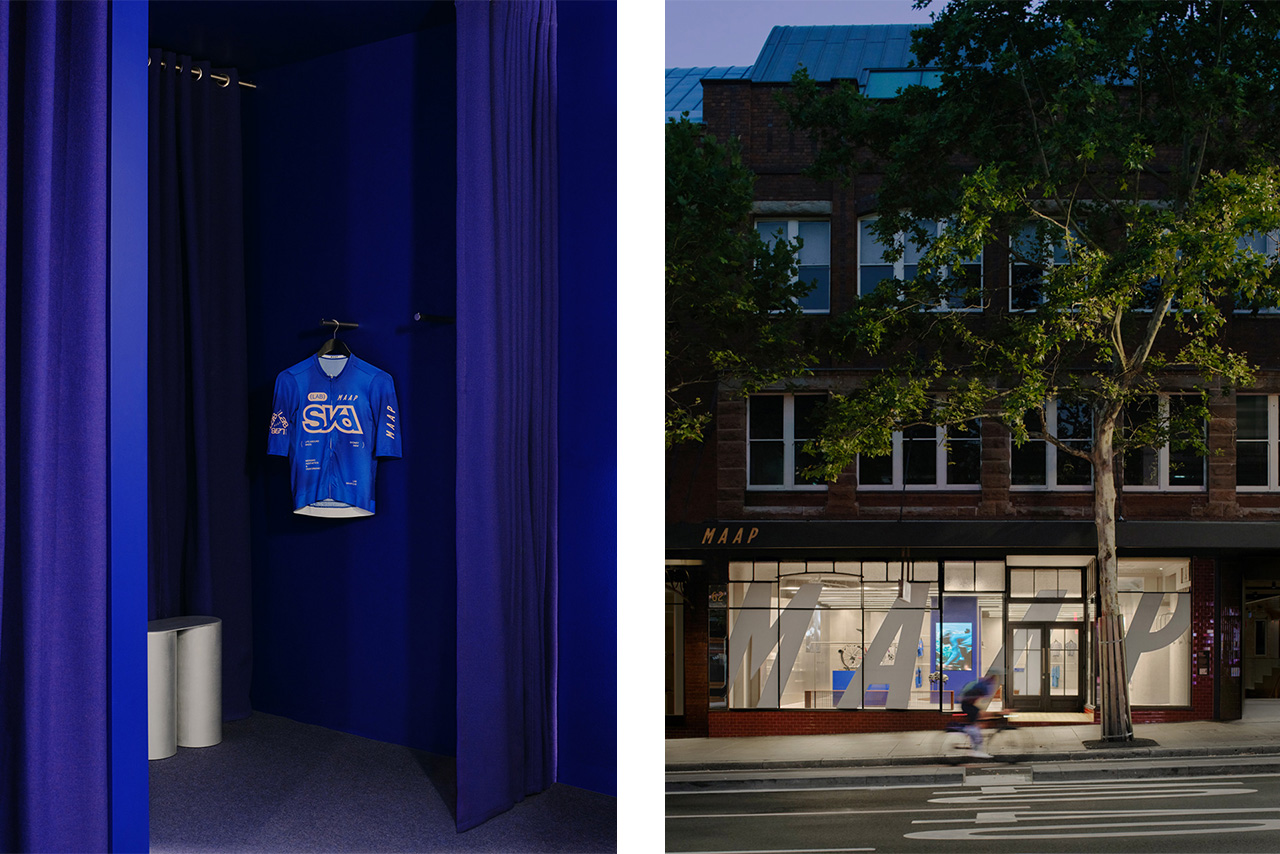
Melbourne-based cycling brand Maap is hitting the road to expand its presence in Australia with the Maap Lab in Sydney’s Darlinghurst. The shop, outfitted by Clare Cousins Architects, is the brand’s largest retail outpost to date. Interiors feature stainless steel and terracotta, which are offset by vibrant blue counters reminiscent of the shade favoured by French artist Yves Klein.
Beyond a one-stop-shop for cycling apparel, Maap’s ambition is to provide a space for Sydney’s cyclists to drop in for a coffee and attend events, including weekly group rides. Stylish in its execution and unique in its proposition, Maap Lab goes well beyond selling wares to propose a communal space for like-minded individuals to enjoy.
60 Oxford Street, Sydney
maap.cc
Goldwin,
London
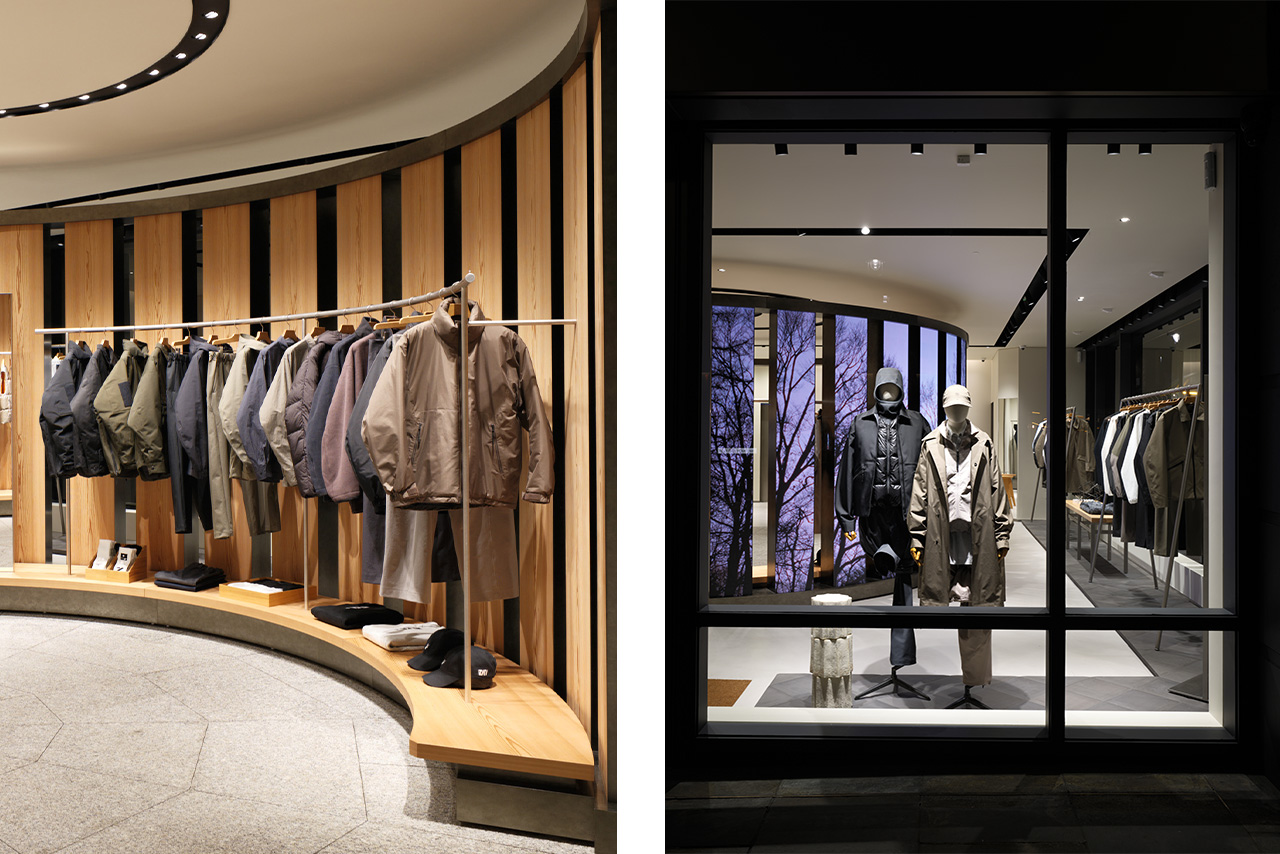
Tokyo-based sportswear and outdoors brand Goldwin has opened its European flagship in the heart of London’s Soho. Designed by architecture firm New Material Research Laboratory, which also worked on its Kyoto shop, the space features a ring-shaped
yashiro
(sanctuary) around which products are displayed. The fitting rooms are finished with traditional
kakishibu dyed-silk screens in a faintly shimmering cherry-blossom colour. If you’re planning to go skiing or just wrap up while traversing the city, there are plenty of pieces to peruse.
Take it from Tomoya Ishii, a former Olympian who field tests Goldwin’s gear: “The designs are minimal but all the essentials are there.”
35 Broadwick Street, London
goldwin-global.com
|
|
CONCIERGE:
dubai
Get the true picture of Dubai’s retail scene with Monocle’s City Guide
Monocle is creating a collection of digital travel guides that are free for all subscribers. Written by our editors and correspondents, they offer a concise, informed survey of a city’s best hotels, restaurants, neighbourhoods and more. This week, we released the latest in the series:
Dubai. Collated by our man on the ground,
Inzamam Rashid, here’s one of his shopping tips to help you go beyond the malls and find a true glimpse of what the emirate has to offer.
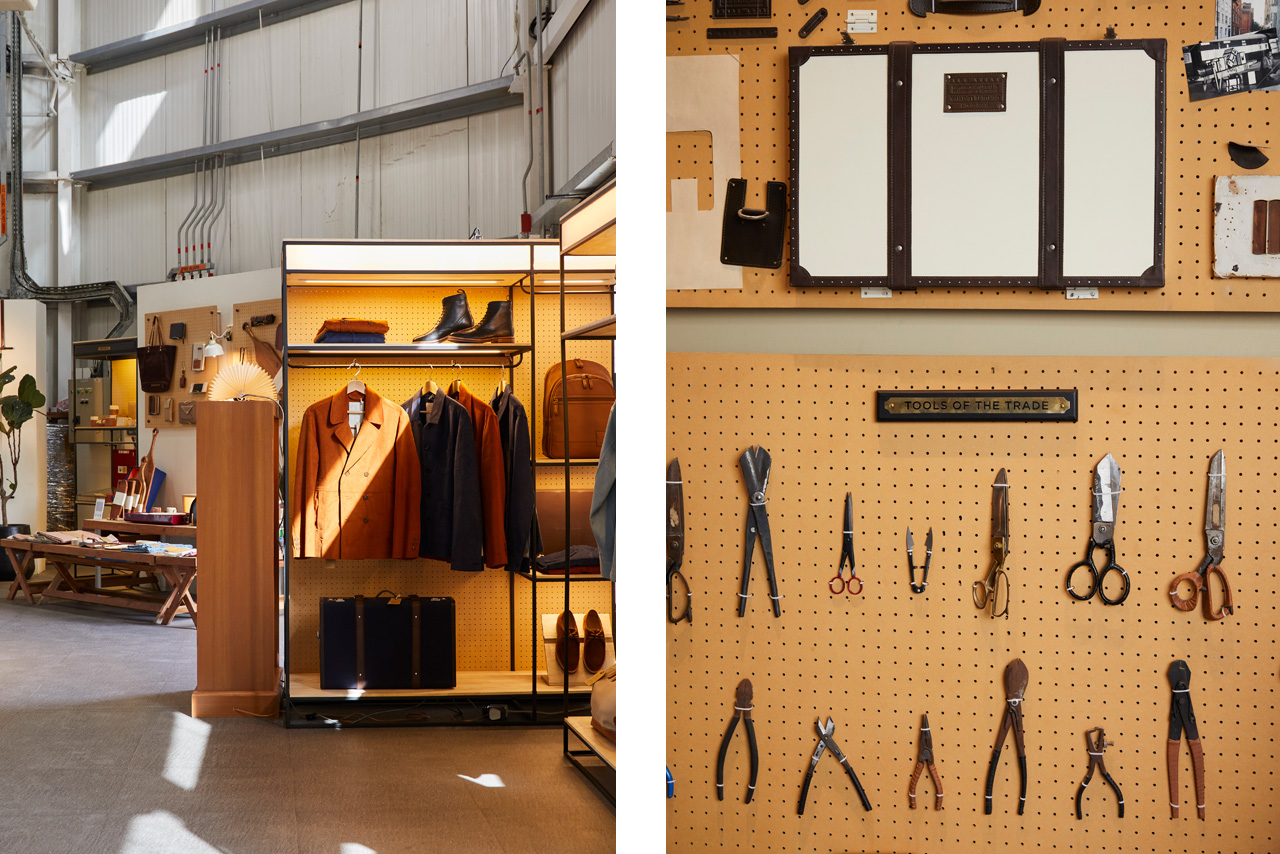
Nappa Dori, Alserkal Avenue
Nappa Dori brings its refined Indian leather craftsmanship to Alserkal Avenue, offering beautifully made bags, wallets and travel accessories with a restrained, European-leaning aesthetic. Founded in New Delhi, the brand has expanded thoughtfully across India and into London and Dubai. Its luggage is particularly strong: the steamer suitcase nods to the golden age of rail travel, while the Viceroy bag’s balance of canvas and leather works as well in a resort hotel as it does in the office. The Dubai outpost also carries stationery, homeware, clothing and footwear.
nappadori.ae
|
|
SPONSORED BY STONE ISLAND
|
|
WORDS WITH:
Bose Krishnamachari
Chai society and colourful asides with the co-founder of the Kochi-Muziris Biennale
Every other year, the historic Indian port city of Kochi becomes a buzzy centre of contemporary art with the arrival of the Kochi-Muziris Biennale (writes Sophie Monaghan-Coombs). During its 16-week run, which for this edition ends in March, artist and co-founder Bose Krishnamachari spends his days ensuring that everything is in order, meeting guests and appreciating the vast array of works on display.
Here, we join him on his commute to the fair.
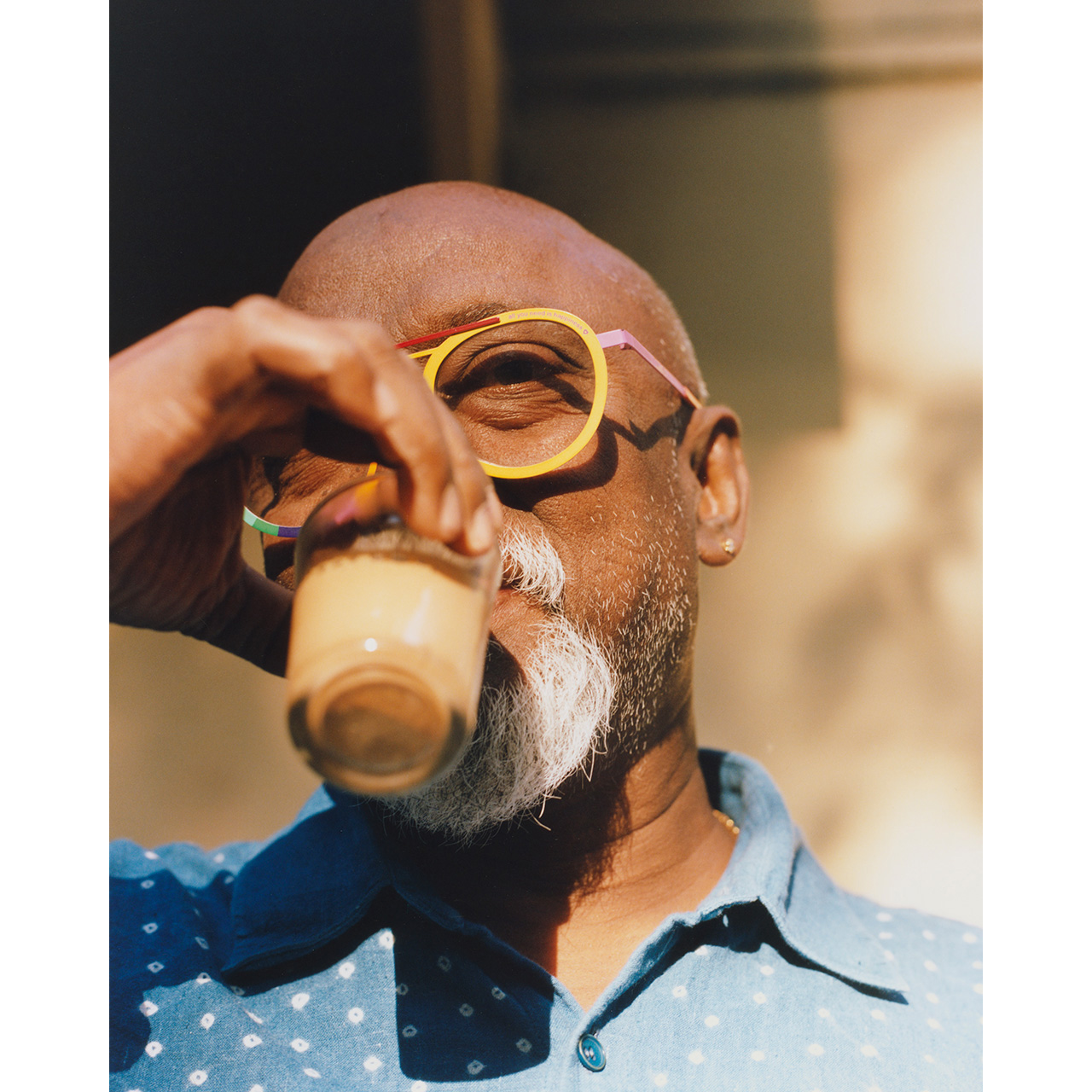
What does your commute look like?
I usually walk to a café, which is just a few minutes away from my apartment, before heading to the fair. As soon as I step out, I pass Nehru Park, a children’s park that comes alive in the mornings with rhythmic music. People gather there to exercise and it’s beautiful to witness. I also pass by the Old Harbour Hotel, one of Kochi’s oldest.
During the biennale, what do your mornings look like?
I work closely with the production team and some brilliant artists, so most mornings I catch up with those involved in the biennale. We’ll meet between 07.00 and 08.00 at a roadside
chaiwala. We’ll have breakfast there, usually
idli rice cakes and chutney. Then I’ll go to some of the biennale sites – we have 22, so it takes time to get around them all.
For more on Krishnamachari’s commute, click here, or pick up a copy of the new February issue.
|
|
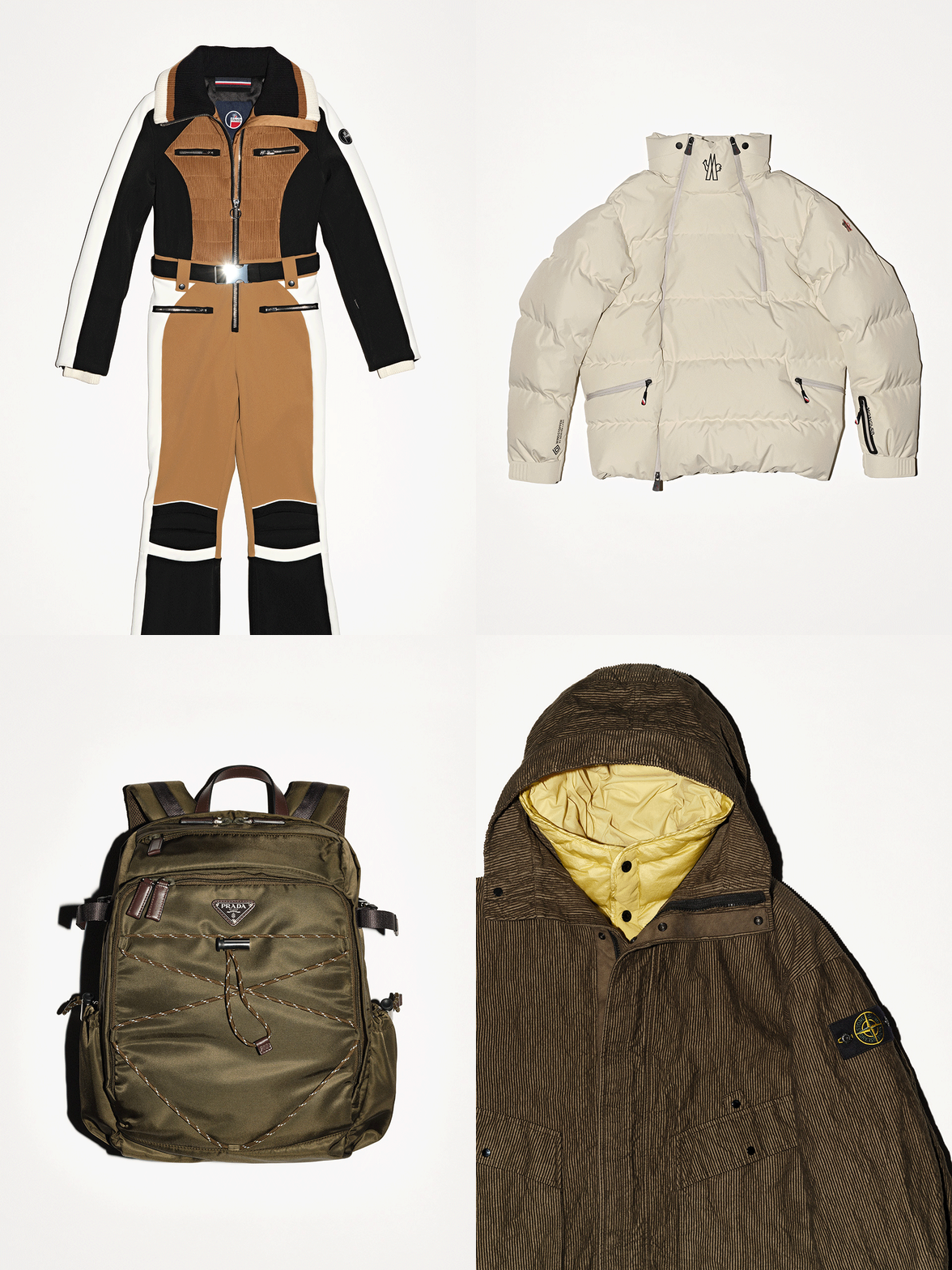
WARDROBE UPDATE:
Skiing in style
Planning a powdery getaway? These pieces will keep you cosy and chic on the slopes
| | | | |