A gentle rundown on food, entertaining, hotels and the way we live – from the desks of Monocle’s editors and bureaux chiefs.
|
Sunday 8/2/26
|

|
|
London
Paris
Zürich
Milan
Bangkok
Tokyo
Toronto
|
|
|
|

far and wide
This week sees our team of editors and correspondents tucking in to British fare in Mexico City, meeting a Chinese tea maker brewing big ideas and whipping up a fluffy Japanese-style omelette. Plus: a divine Alpine bolthole in the Engadin and a design-forward rebrand of Cretan olive oil. Taking the lead our editorial director, Tyler Brûle, with a dispatch on Dubai then and now.
|
|
How majlis, moxie and global talent are shaping the modern UAE
By Tyler Brûlé
|

|
If you tune in to Monocle Radio, follow our weekday newsletters or were on the rooftop of Iliāna at Jumeirah Marsa Al Arab on Wednesday, you will know that Monocle was very much in the UAE this week. While much of the action was at the World Governments Summit (WGS) just along the beach, there were other colleagues zipping back and forth to Abu Dhabi (who can pass up an invite to a Ricky Martin concert with CNN’s Becky Anderson as your front row seatmate?), scoping out new retail ventures and simply getting a read on the country at this most enjoyable time of year – 26C by day and cool enough to dine outdoors into the wee hours.
My first UAE touchdown was in early 1994. I was being evacuated from Afghanistan by the International Committee of the Red Cross (ICRC) via Islamabad and Dubai. I had been shot in Kabul 48 hours earlier, was high as a kite on morphine and remembered a low-rise city that looked like it might have a story or two worth telling. Six months later, I returned with photographer Zed Nelson and spent a week at the Le Méridien near the airport hunting for stories to file to the various titles that had assigned us. If you can track down copies of Arena magazine from late 1994 or early 1995, you’ll likely land on some of the fine reportage we did from various corners of the world. I was thinking about our time spent in seedy Dubai clubs and overlit Lebanese restaurants when I touched down last Saturday.
As I passed the towers around the Dubai International Financial Centre, I was also reminded of a story we’d done in Singapore at about the same time. We’d found a bunch of young and wealthy locals who were game to talk about the transformation of their city and had arranged for them to stand in front of a forest of girders and cranes that were erecting the soon-to-debut Suntec City. I was also reminded of the sharp Emiratis who told me that same autumn that they wanted to be the Singapore of the Middle East but with more natural resources and a better airline. Three decades ago, with Dubai all low-rise buildings, dusty and scrubby, it seemed like wishful thinking at best. We now have a pretty good idea how that thinking has evolved and it’s an impressive, crazy and ambitious tale.
Just as Singapore’s Shangri-La Dialogues helped define it as a key diplomatic broker in the region, this week’s WGS and various side summits in Abu Dhabi have vaulted the UAE into the spotlight as a region that generates datelines for stories ranging from aviation to big infrastructure, and peace brokering to top-chef talent attraction. Western diplomats like to take the odd sideswipe at the UAE, remind you that all is not what it seems and trot out a host of reasons why Europe, despite all its challenges, is still on the right track. Thankfully there were enough European business leaders at the WGS who were only too happy to point out that working 40 hours a week and pushing for even fewer hours isn’t really a strategy when the continent plays host to the highest social costs on the planet and growth has largely stalled. Meanwhile, the number of young Europeans arriving in Dubai and Abu Dhabi to run restaurants, train as concierges, man architecture firms and open galleries is booming.
“The French are leading the way but others are catching up fast,” explained one luxury industry exec. “There are some 60,000 French in the UAE, it’s their new Hong Kong.” And why are they choosing the UAE? “Simple. These are people who want to work, gain experience, build brands, go about safely and be part of something that is growing and exciting.” And perhaps, unlike many corners of Europe, they’re attracted to a place that is open all hours, puts service at the core of its economy and is probusiness.
Off the back of Greenland shenanigans, civil unrest in Minnesota, an English-language news cycle that can’t find the off-ramp from Epstein and too much shouty commentary, the polite and thoughtful conversations found in the majlis suddenly makes much Western political and business conduct feel passé and rudderless.
Enjoying life in ‘The Faster Lane’? Click here to browse all of Tyler’s past columns.
Keen to read more from Monocle’s week in the UAE?
– Neutrality is not passive: Dr Anwar Gargash explains the UAE’s diplomatic stance
– Amid heightened geopolitical tensions, the World Governments Summit is a masterclass in soft power
|
|
Edo Tokyo Kirari  MONOCLE MONOCLE
|
|
EATING OUT: The Lamb, Mexico City
Taste of home
Could you be tempted to choose British fare in Mexico City (asks Natalie Stoclet)? At The Lamb, a new Roma Norte restaurant and the third project from Mexican restaurateur Federico Patiño and his Somerset-born partner Poppy Powell, you might just be persuaded.
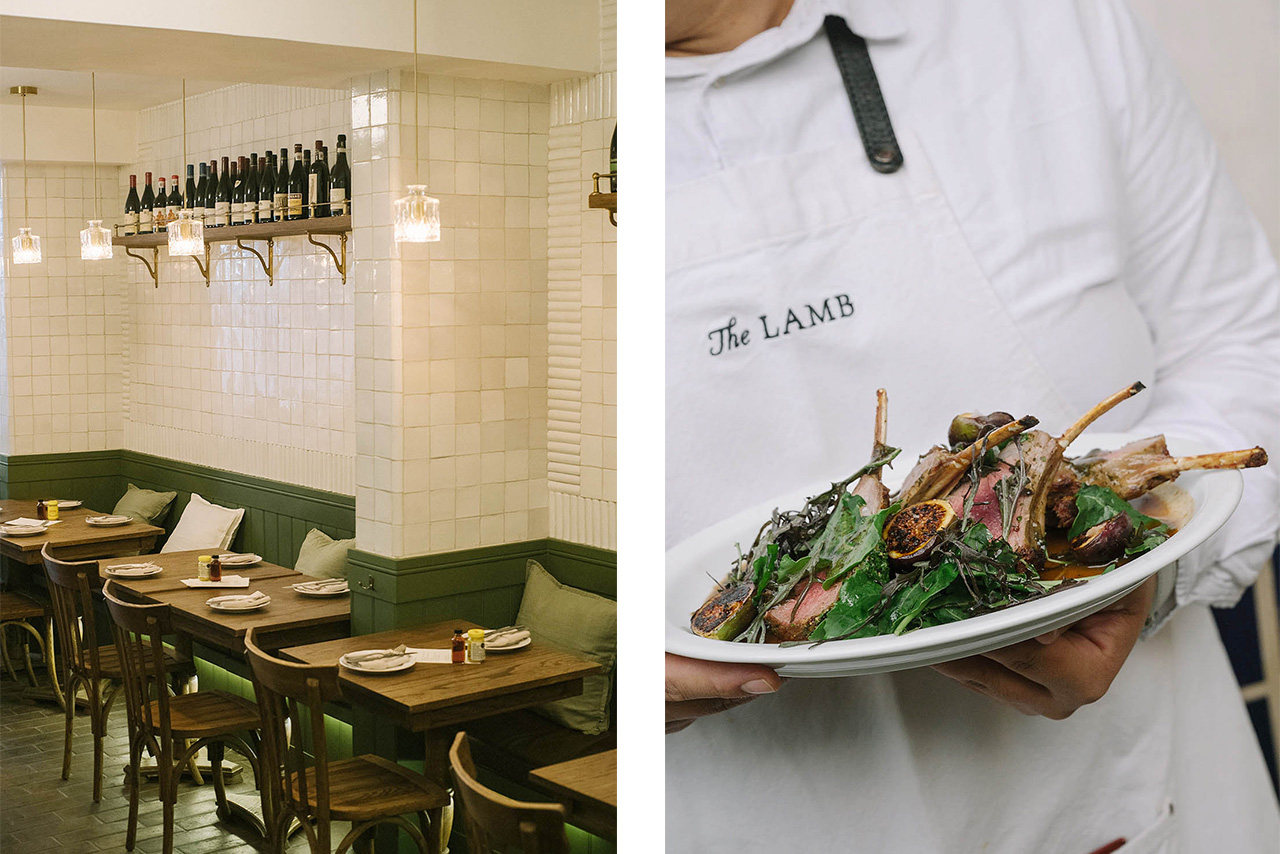
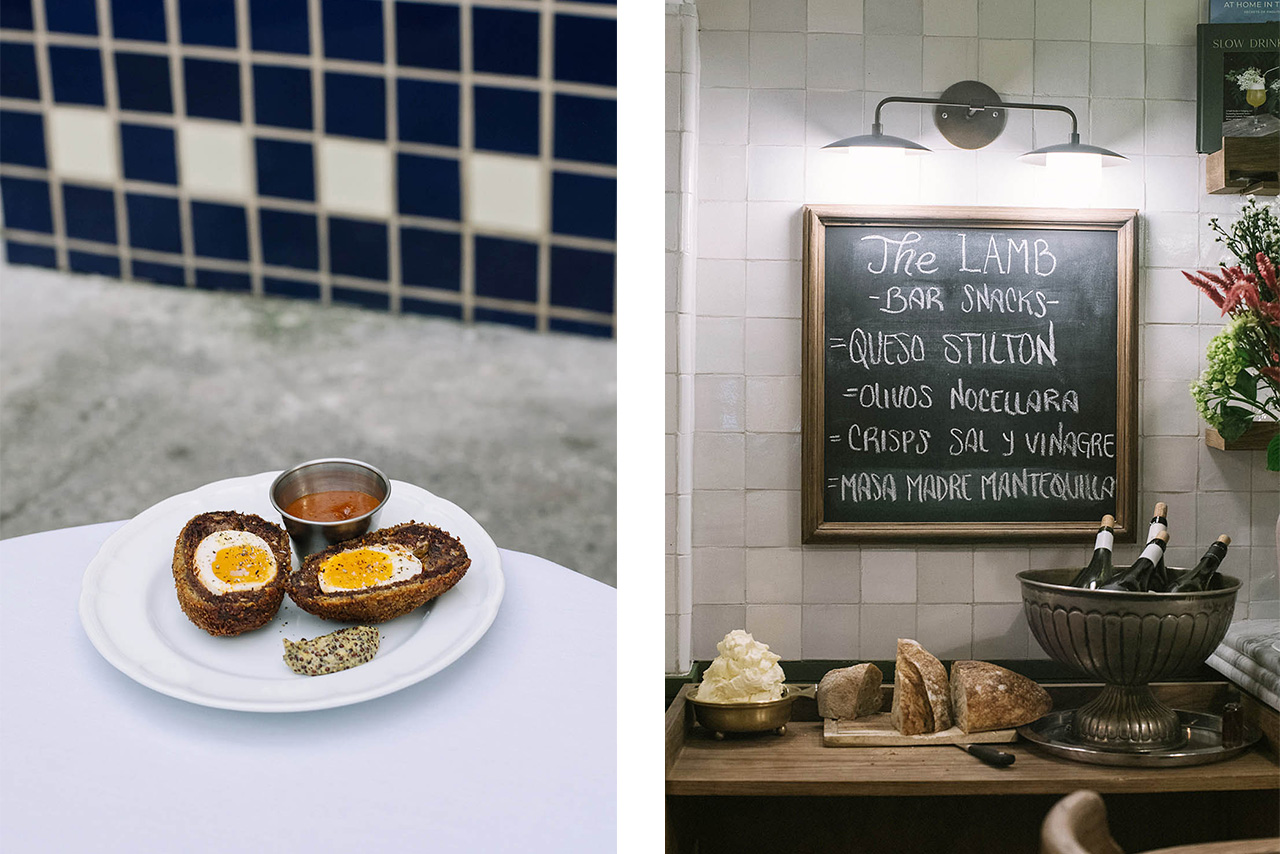
The restaurant’s decor nods to British pub traditions and the menu looks to the UK countryside: think scotch eggs, Welsh rarebit, mackerel pâté and a rabbit pie. “I find British food romantic, raw and timeless,” says Patiño, whose proposition reads as a tribute to Powell and a cuisine with more depth than its fish-and-chips clichés suggest. “In Mexico City, demand continues to rise yet the culinary offerings often feel repetitive,” he adds. The Lamb’s job, therefore, is to widen the city’s palate even more.
Tabasco 156, Roma Norte
Want more recommendations about where to eat and drink in the capital? Check out Monocle’s Mexico City Guide.
|
|
SUNDAY ROAST: Yanfu Chen
Down to a tea
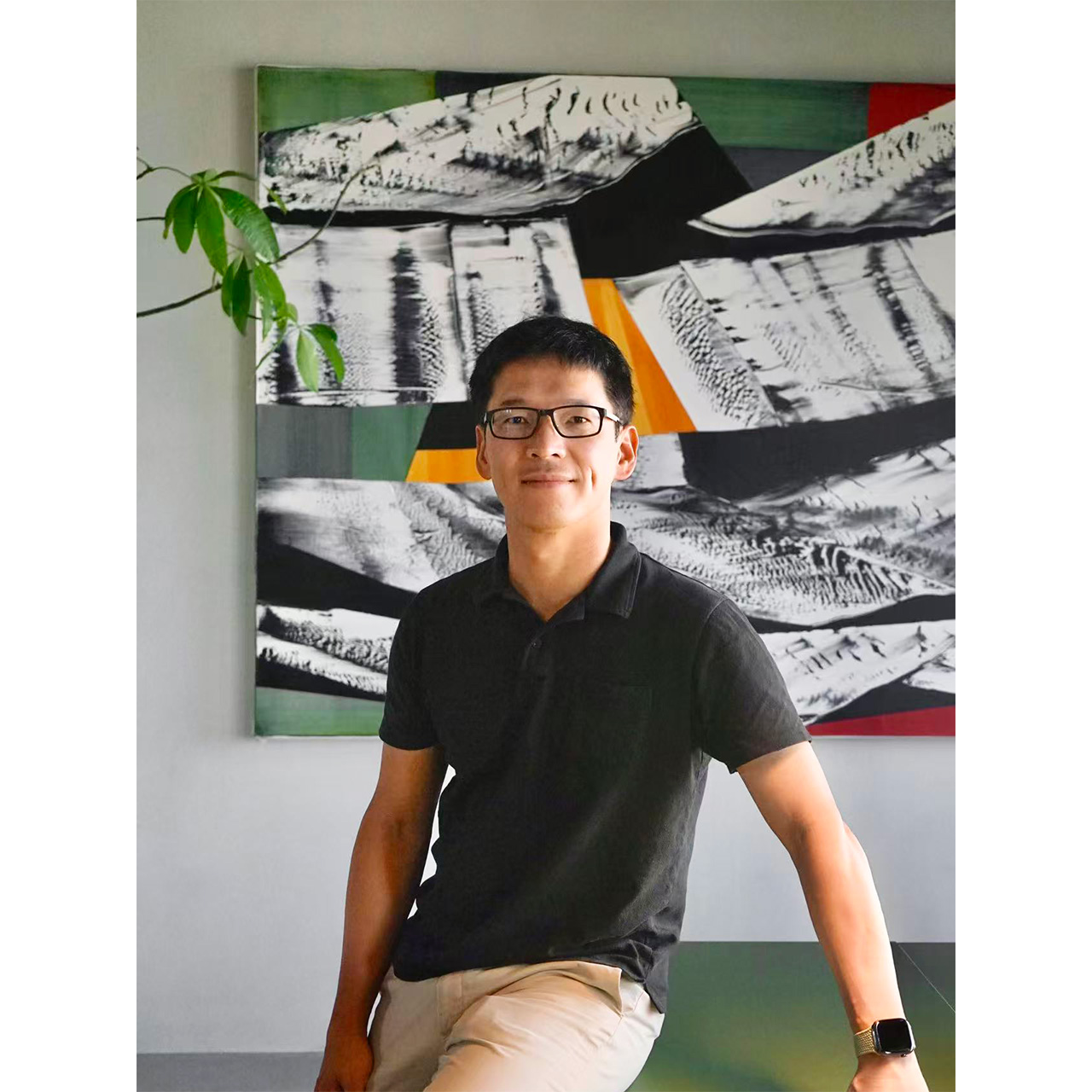
Yanfu Chen is the founder of Chinese tea brand Basao (writes James Chambers). After expanding its retail presence in Hong Kong, the company returned to its home city of Xiamen in the Fujian province to launch a tea lounge followed by a flagship shop in Shanghai. Here, Chen talks to The Monocle Minute Weekend Edition about cycling, his drink of choice and the secret to longevity: sweet potatoes.
Where will we find you this weekend?
At home in Xiamen. It’s a port city on the east coast of China. Life is laid back here and we share a lot of cultural similarities with Taiwan.
What’s the ideal start to a Sunday? Gentle or a jolt?
I’ve been cycling a lot over the past two years; I ride a Colnago road bike. There’s a mountain in the downtown area that I climb up and down. It’s about 20 to 25km.
What’s for breakfast?
Recently, [I’ve been eating] sweet potatoes almost every morning. My mum used to make me porridge with sweet potato when I was a child and I got back into it after watching an episode of the Netflix series, Live to 100: Secrets of the Blue Zones. To drink, Basao’s new range of kombucha and unsweetened tea.
News or no news?
I’ll browse the Tencent News app and Xiaohongshu [Rednote or ‘Little Red Book’] for trends and opinions.
Lunch in or out?
Out most of the time. There’s an Italian [restaurant] called Bollo, where we go for pizza. My children tend to want something simple and it’s easier for us to sit down and talk while eating Western food.
A pantry essential?
Pomelos are common in our region and we keep a popular variety from Pinghe, Zhangzhou, stocked at home.
A glass of something?
Drinking a lot of alcohol is part of Chinese culture. Baijiu [a strong white liquor] is very common and in Xiamen we also drink whisky – a single malt on the rocks.
What’s on the menu?
There’s a very nice spot in the city called Jacky Angela Steakhouse. The co-founders used to work at Peter Luger in New York. I often go with my customers – weekend business dinners are common in China.
|
|
|
Sponsored by Edo Tokyo Kirari
|
|
|
|
|
|
RECIPE: Aya Nishimura
‘Omurice’
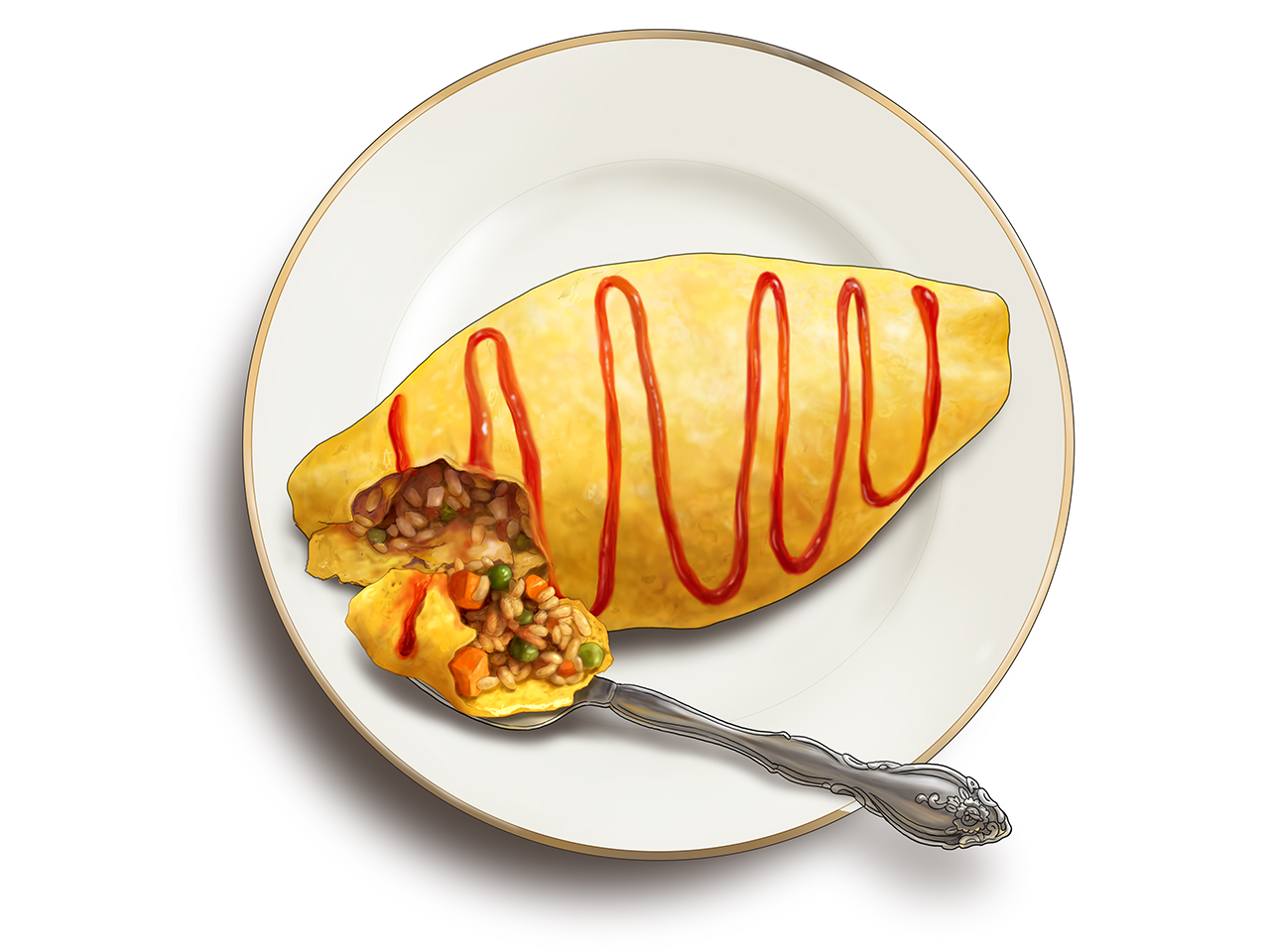
A comforting Japanese dish, omurice consists of an omelette over fried rice topped with ketchup. Here Monocle’s Japanese chef adds chicken, mushrooms and peppers to her version of this fluffy crowd-pleaser.
Serves 2
Equipment
A 20cm non-stick frying pan
Ingredients
For the rice
150g Japanese short-grain rice (sold as sushi or Japanese rice)
170ml water
For the filling
1 tbsp vegetable oil
1 medium onion, finely chopped
150g chicken thigh, cut into 1cm pieces
½ green pepper, finely chopped
2 mushrooms, sliced
20g unsalted butter
100g ketchup
Salt and pepper, to taste
For the omelette
6 large eggs
2 pinches of salt
1 tbsp vegetable oil (½ tbsp per omelette)
Ketchup, to serve
Method
1.
Place the rice in a sieve over a bowl and wash thoroughly using your hands. When the water turns milky, drain and repeat the process three times. Leave the washed rice to drain in the sieve for 30 minutes.
2.
Transfer the rice and 170ml water to a medium saucepan (a cast-iron pot works well). Cover tightly with a lid and bring to a boil over a high heat. As soon as it boils vigorously, reduce to a low heat and cook for 11 minutes without lifting the lid. Turn off the heat and leave to stand with the lid still on for 10 minutes. Fluff the rice gently with a spoon and keep covered until needed.
3.
Heat a tablespoon of vegetable oil in a frying pan over medium heat. Add the onion and cook until translucent. Add the chicken and fry until cooked through, then add the green pepper and mushrooms, and cook for a few more minutes.
4.
Stir in the butter and let it melt completely. Add the warm rice and stir-fry until evenly combined. Pour in the ketchup and stir well until all the rice is coated. Season with salt and pepper to taste.
5.
Divide the chicken rice between two plates and shape each portion into an oval dome.
6.
Crack 3 eggs into a small bowl with a pinch of salt and beat until well combined. Heat a 20cm non-stick frying pan over high heat and add half a tablespoon of oil. Check the heat by dropping in a little egg mixture – if it sizzles immediately, the pan is ready. Pour in the eggs and stir vigorously with a rubber spatula, as if making scrambled eggs.
7.
When the mixture is half set, gently fold each side toward the centre to form an oval omelette. Carefully flip the omelette to seal the seam and cook for about a minute.
8.
Gently slide the omelette onto the prepared chicken rice. Using a sharp knife, make a shallow cut lengthwise down the middle of the omelette. It should open up softly and spread over the rice. You can help gently open it with the knife, if needed.
9.
Repeat for the second serving. Spoon some ketchup over the omurice and serve immediately.
|
|
WEEKEND PLANS? Chesa Marchetta, Engadin
High art
Fifteen minutes from the glitz of St Moritz lies Sils Maria, a small Swiss town nestled in the Upper Engadin valley (writes Oliver Guy). Chesa Marchetta is the latest offering from Hauser & Wirth’s hospitality wing, Artfarm. The genre-defining art behemoth, founded by Iwan and Manuela Wirth in 1992, has moved into the hospitality sphere in the past decade with food retailers, bars and restaurants popping up in London, Los Angeles, Menorca, New York, Scotland and Somerset.
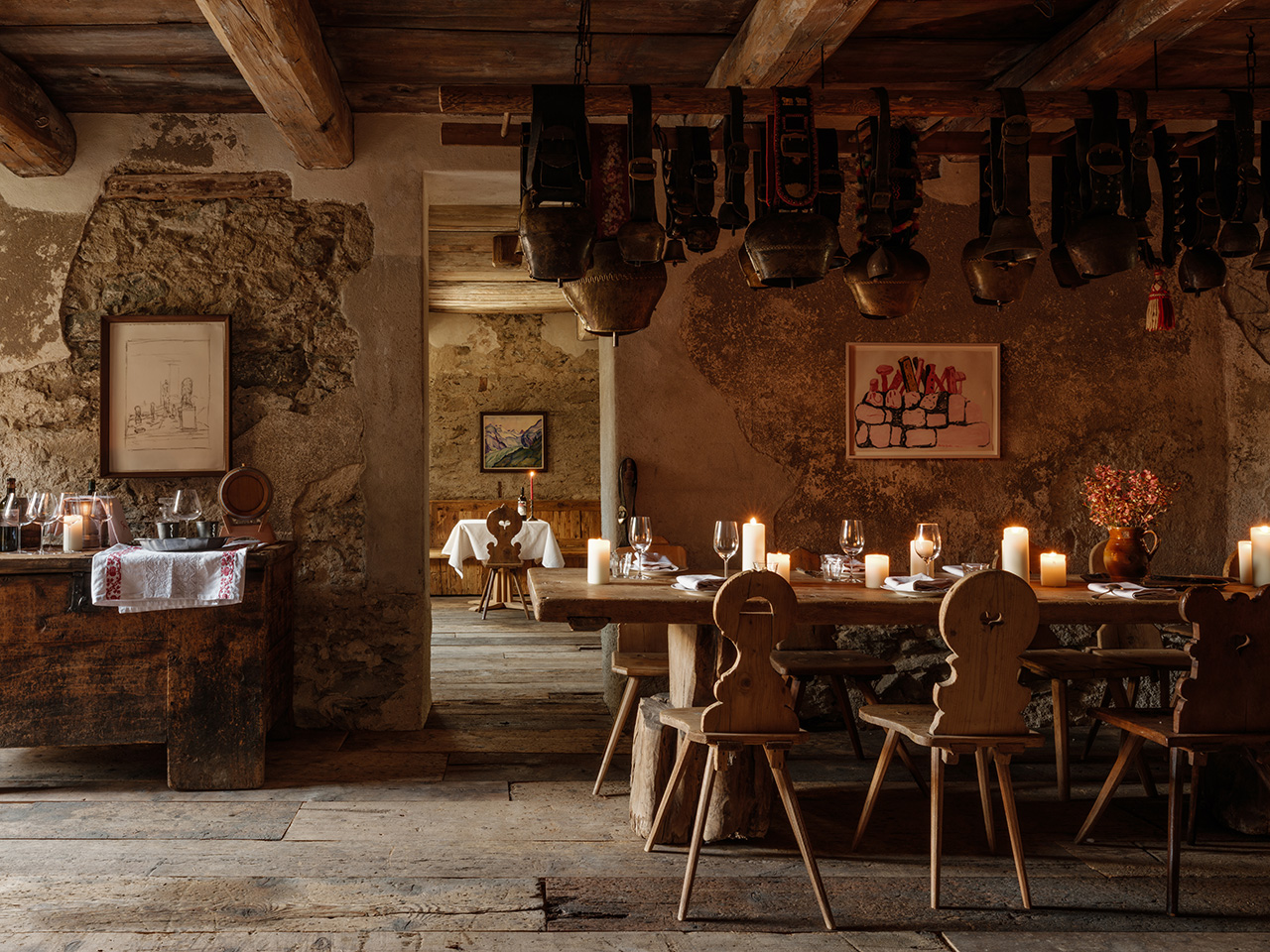
Its latest foray marks the Wirths’ first foothold in their native Switzerland. The original pensione was acquired by the Wirths four years ago and served | | | | |


