Greetings from London!
Over the years, a number of Western automakers have crashed and burned in China, now the world’s largest car market. But Volkswagen’s decline in the country stands out because for a quarter of a century it was unchallenged as China’s top-selling car company and has fallen two spots to No. 3 in the last two years – behind BYD and Geely.
To staunch the bleeding, the world’s No. 2 automaker bought into Xpeng and now says it will build most of its lineup in China on a new EV platform developed with the Chinese EV maker by 2030. That platform enables Volkswagen to develop cars up to 30% faster and 40% cheaper than using its own German-developed architecture. The German company has made a big bet on its new Chinese-developed platform and its roughly 850, mostly Chinese, engineers at a hub in Hefei to revive its sales. The next few years will show whether being more Chinese will help Volkswagen compete with BYD and a host of other Chinese automakers.
Which brings us to today’s Auto File… |
|
|
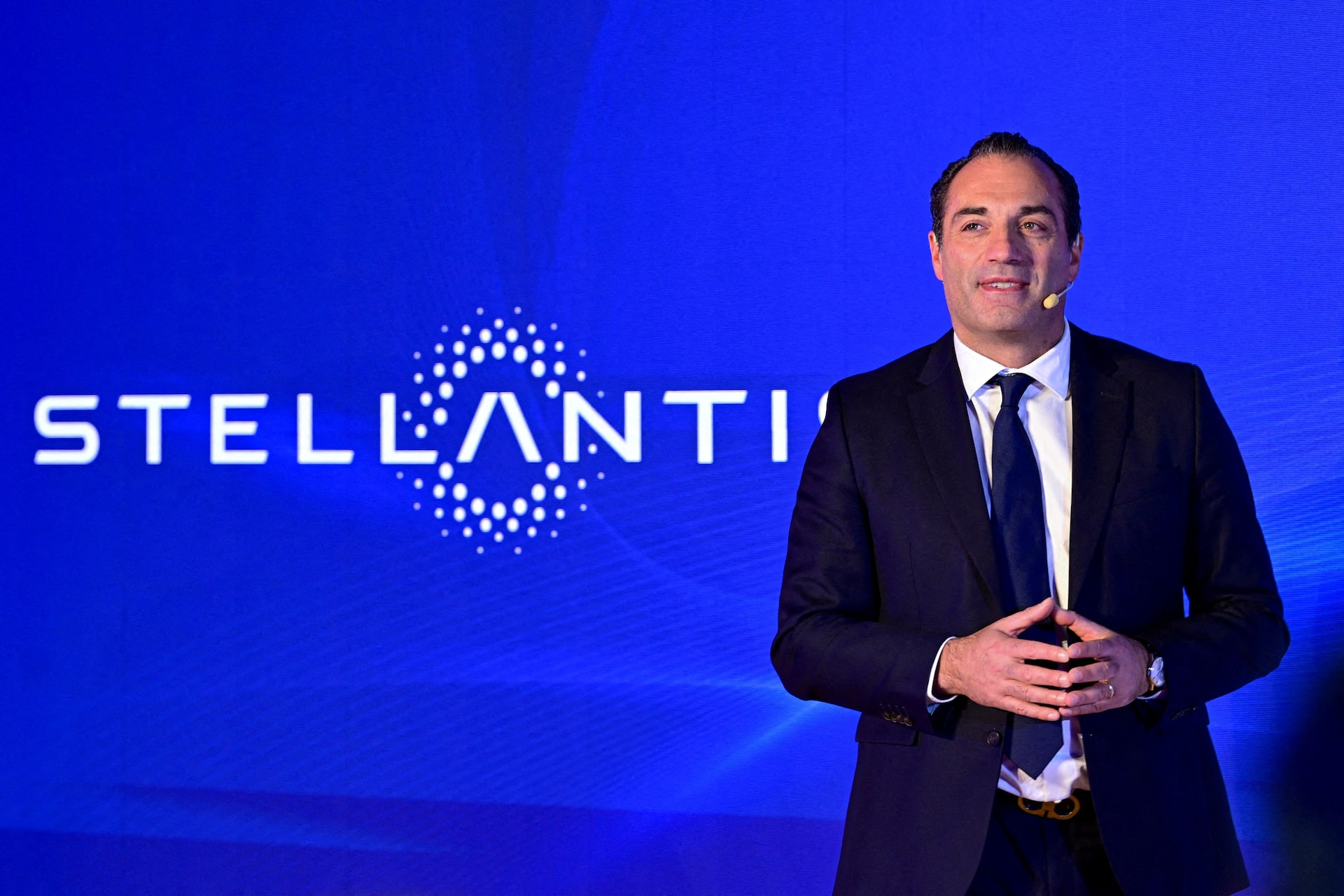
Stellantis CEO Antonio Filosa has a lot to fix. - REUTERS/Daniele Mascolo. |
The Trump administration’s nixing of a $7,500 EV subsidy last fall and weaker-than-expected demand for electric cars had already forced General Motors and Ford to announce writedowns as they cancelled or postponed planned electric models – and it was widely expected that Stellantis would be next.
But the sheer size of Stellantis’ writedown - $27 billion – shocked investors and sent its shares down 30% to their lowest since the company was formed by the merger of Fiat Chrysler and PSA in 2021, begging the question of what value the merger had actually created.
The huge writedown reflects Stellantis’ unique position among the Detroit Three. The company made bold bets on EVs under former CEO Carlos Tavares, which in particular in the U.S. market have not paid off. Stellantis is also unique because it must spend money on big gas-guzzling pickup trucks and SUVs for U.S. consumers, while under pressure to compete more with EVs and hybrids in Europe.
New CEO Antonio Filosa insists the automaker is still investing in EVs and that Stellantis can develop cars globally with local go-to-market strategies, while also defending the sprawling group’s 14 different car brands. But it looks likely that Stellantis and Filosa will have to make tough decisions moving forward, especially in Europe where some of its mainstream brands compete for the same buyers. |
|
|
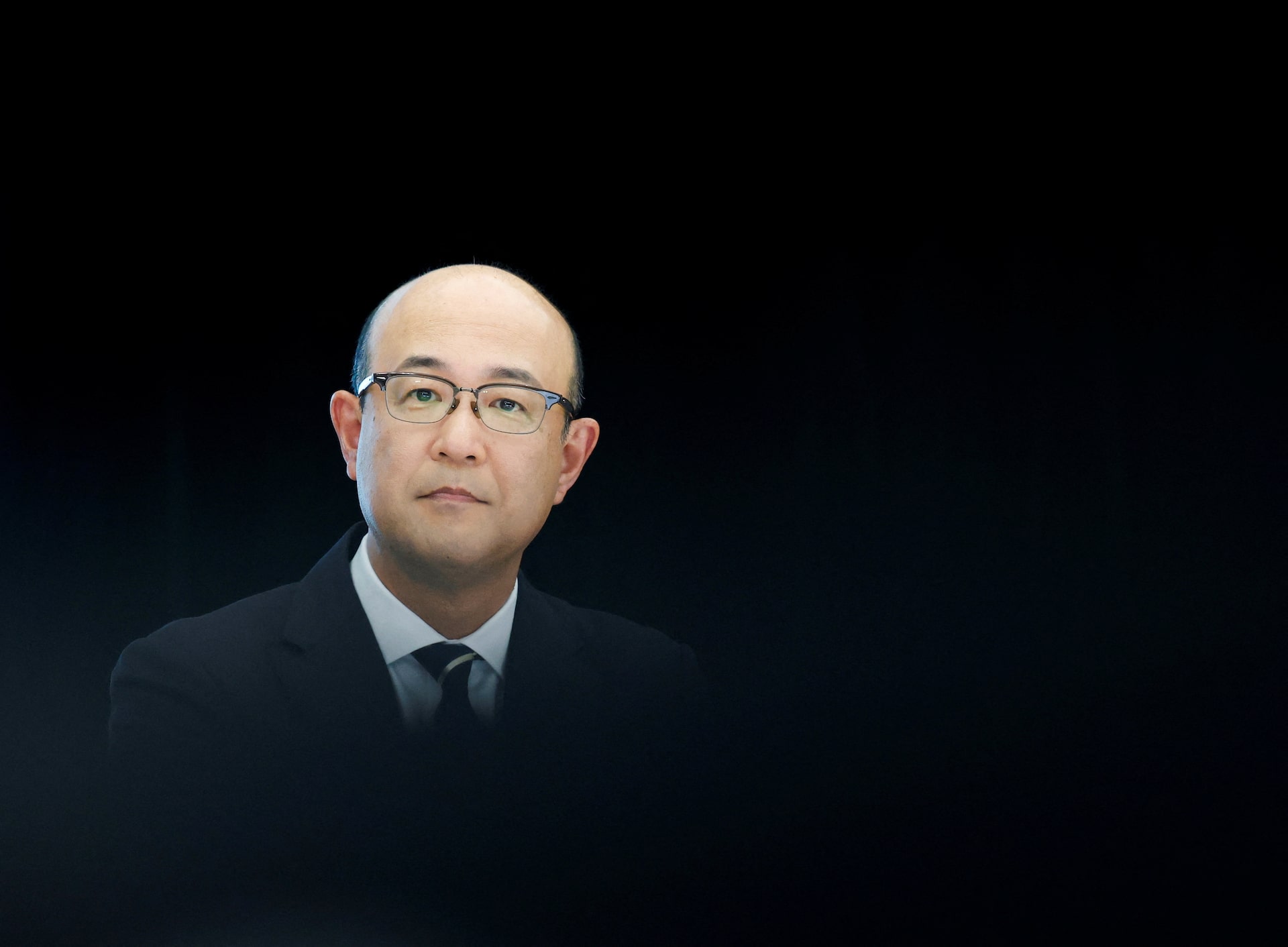
Toyota's new CEO Kenta Kon. REUTERS/Kim Kyung-Hoon. |
When some CEOs get bumped from the top role, it’s not really much of a surprise. Take former Stellantis CEO Tavares mentioned above, who was forced out after the company’s sales tanked in its crucial U.S. market.
But Toyota’s decision to announce finance guy and company lifer Kenta Kon would replace Koji Sato as CEO after just three years in the top spot was unexpected.
Toyota had enjoyed relative success under Sato at steering through the cascade of challenges facing all global carmakers: the rise of Chinese competitors, a costly transition to electric cars and an increasingly complex trade outlook stemming from U.S. tariffs.
After all, the same day that Kon was appointed, the world’s No. 1 automaker raised its full-year operating profit outlook by 11.8% - which is not something you hear from traditional automakers every day nowadays. Some see the shift from self-confessed “car guy” Sato to Kon, the company’s former finance chief, as a conscious decision to focus more on marshalling money.
At the press conference where his promotion was announced, Kon himself said he is “extremely particular about the money.” |
|
|
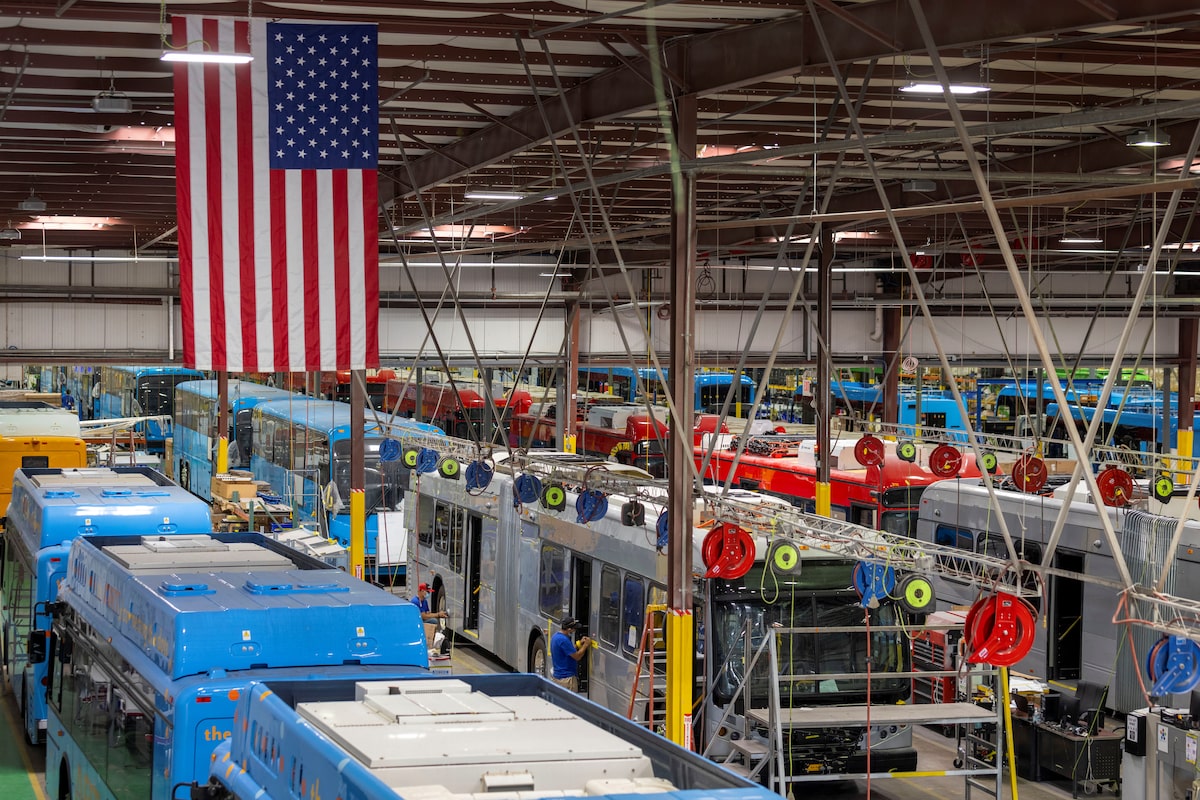
BYD makes buses in California - REUTERS/Mike Blake |
BYD became the first Chinese carmaker to file a lawsuit over U.S. President Donald Trump’s use of sweeping powers to impose tariffs and seeking a refund of all border taxes it has paid since last April.
China’s No. 1 automaker does not sell passenger cars in the U.S., but its business in the country includes buses and commercial vehicles, batteries, energy storage systems and solar panels. Its unit BYD North America employs 750 workers in its truck plant in Lancaster, California.
The lawsuit follows similar complaints by thousands of global companies with U.S. operations challenging Trump's use of the International Emergency Economic Powers Act (IEEPA) to impose tariffs. Those companies are eagerly awaiting a U.S. Supreme Court ruling on the legality of Trump’s tariffs. |
|
|
Ferrari sheds light on new EV |
As part of its very slow roll to the launch of its first fully electric sports car, Ferrari released teaser images and revealed the name and interior design of the vehicle.
The new Luce, which means light in Italian, was announced with images of leather seats, the steering wheel, instruments and the control panel. The car's external appearance, however, is being kept under wraps until the next phase of the rollout in May. Ferrari showcased the technology underpinning the new model in October. After teasing the vehicle for some time, it will be interesting to see whether the company’s traditional combustion-engine loving customer base will see the light and buy the car. |
|
|
Honda posted a 61% drop in third-quarter profit, hit by U.S. tariffs and restructuring costs tied to its electric-vehicle business, becoming the latest automaker to rack up fresh EV losses as demand for the technology cools.
Ford and China’s Geely are in discussions about a potential partnership, eight people with knowledge of the ongoing talks said, as the world’s carmakers look to share heavier technology and manufacturing costs.
Vietnamese EV maker VinFast expects to deliver 300,000 EVs globally this year – up 52% from 197,000 in 2025 - as the automaker doubles down on its expansion plan.
A consortium led by FedEx and InPost investors has agreed to buy out the parcel locker company in a $9.2 billion deal aimed at expanding InPost's reach across Europe while giving FedEx access to its locker network.
Chinese EV maker Nio expects to post its first-ever adjusted operating profit in the fourth quarter of 2025, driven by higher vehicle sales and cost cuts.
Alphabet unit Waymo says it has gone fully autonomous in Nashville, Tennessee, ramping up operations as the robotaxi race heats up in the U.S.
Think your friend or colleague should know about us? Forward this newsletter to them. They can also subscribe here. |
|
|
|