Bangladesh’s post-protest election. The Bangladesh Nationalist Party (BNP) swept to victory in the first parliamentary elections since mass youth-led protests in 2024 toppled the previous government. A coalition of mostly Islamist parties will form the main opposition, with a combined 77 seats in the legislature to the BNP coalition's 212, according to official results. Bangladeshis also approved constitutional changes in a referendum, including term limits for prime ministers and measures to boost women’s political participation.
Report on Starlink in Iran. The United States reportedly sent around six thousand of the company’s satellite internet kits to the country in recent weeks, in a secret effort to help dissidents withstand government restrictions on internet access, unnamed U.S. officials told the Wall Street Journal. The White House did not comment on the report, but had publicly said in January that Trump spoke to Starlink owner Elon Musk about ensuring connectivity in Iran.
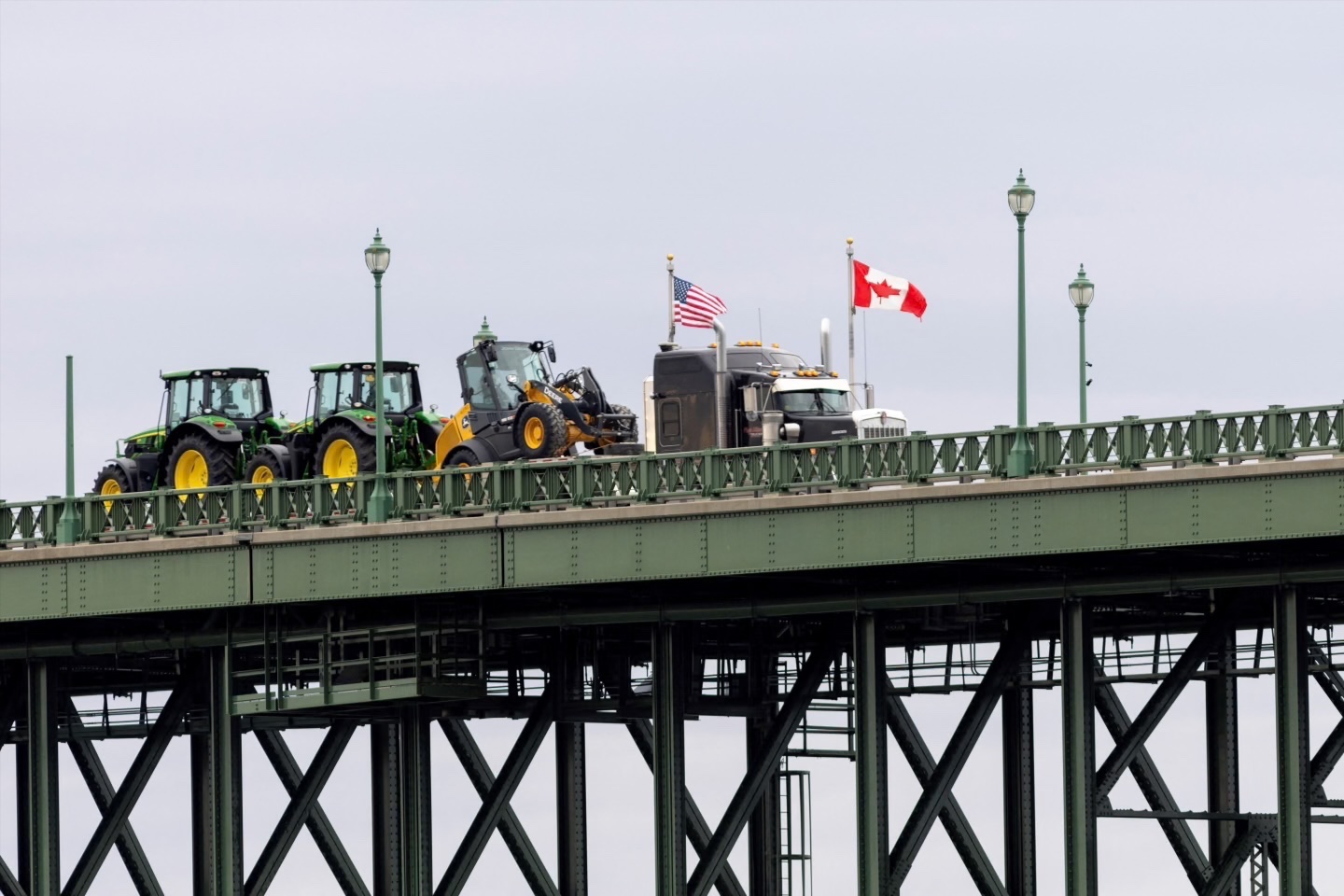
Weighing the cost of tariffs. The Trump administration is considering reducing its duties on steel and aluminum against the backdrop of rising domestic prices, the Financial Times reported today. Yesterday, economists from the Federal Reserve Bank of New York and Columbia University published research that found that U.S. firms and consumers bore nearly 90 percent of the cost of tariffs that the Trump administration has imposed since early last year.
Taiwan-U.S. trade details. The U.S. Trade Representative’s office published details yesterday of a U.S.-Taiwan trade agreement reached last month. The deal lowers Taiwan’s base U.S. tariff rate to 15 percent—less than rates for many of its neighbors in Asia—while committing Taiwan to removing or lowering 99 percent of its tariffs on U.S. goods. Taiwan pledged to buy around $85 billion of U.S. goods, including liquefied natural gas and crude oil, aircraft, and power-generation equipment by 2029. It also won tariff exemptions for more than two thousand products, President Lai Ching-te wrote on social media. The deal requires Taiwanese congressional approval.
A two-speed Europe. At a conference yesterday on improving EU integration, leaders including European Commission President Ursula von der Leyen and French President Emmanuel Macron proposed allowing some members to deepen market integration without waiting for full consensus across the bloc. The practical details of the proposal are being drawn up ahead of a European Council summit next month.
Kenya-Somalia border reopening. The countries will reopen their border in April, almost fifteen years after it was closed due to regional attacks by militant group al-Shabaab, Kenyan President William Ruto announced. He said the measure would increase bilateral trade. Ruto said his country would deploy troops alongside the border opening for extra security, as Somalia-based al-Shabaab remains active in Kenya.
Israel’s Polymarket scandal. Israeli authorities said yesterday they had arrested and charged an army reservist and a civilian for allegedly using classified information to inform bets on Israeli strikes on Polymarket. Authorities did not provide further details about the bets, but Israeli public broadcaster Kan reported authorities were investigating a bet placed on the opening strikes of Israel’s war with Iran last year. “No operational harm” was caused, the Israeli Defense Forces said.