The Information
Read the latest article from The Information. Subscribe today and save 25% on all of our business, tech and finance reporting.  ͏  ͏  ͏  ͏  ͏  ͏  ͏  ͏  ͏  ͏  ͏  ͏  ͏  ͏  ͏  ͏  ͏  ͏  ͏  ͏  ͏  ͏  ͏  ͏  ͏  ͏  ͏  ͏  ͏  ͏  ͏  ͏  ͏  ͏  ͏  ͏  ͏  ͏  ͏  ͏  ͏  ͏  ͏  ͏  ͏  ͏  ͏  ͏  ͏  ͏  ͏  ͏  ͏  ͏  ͏  ͏  ͏  ͏  ͏  ͏  ͏  ͏  ͏  ͏  ͏  ͏  ͏  ͏  ͏  ͏  ͏  ͏  ͏  ͏ ­ ­ ­ ­ ­ ­ ­ ­ ­ ­ ­ ­ ­ ­ ­ ­ ­ ­ ­ ­ ­ ­ ­ ­ ­ ­ ­ ­ ­ ­ ­ ­ ­ ­ ­ ­ ­ ­ ­ ­ ­ ­ ­ ­ ­ ­ ­ ­ ­ ­ ­ ­ ­ ­ ­ ­ ­ ­ ­ ­ ­ ­ ­ ­ ­ ­ ­ ­ ­ ­ ­ ­ ­ ­ 
Feb 16, 2026

Four years ago, right around the time the concept of the metaverse became fashionable, I wrote a post calling it a “dystopian nightmare.” I argued that instead of diving into virtual worlds, we should all do more to connect with the real world around us.

Time will tell if the metaverse will eventually come to fruition, but with global business and leisure travel, as well as live event attendance, blowing past pre-pandemic levels in 2024 and 2025, it’s pretty clear humans weren’t meant to live inside a headset.

Fast-forward to today, when some seek to create a world where content increasingly doesn’t come from friends or even human influencers, but rather straight from an AI model, an engineered confection of pixels and waveforms optimized to capture your attention until the next ad arrives.

Read the full article

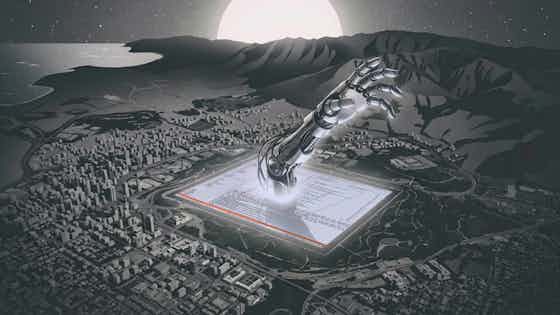
Let’s Spend $10 Trillion on AI That Improves the Real World, Not Just Ads

By John Hanke

Related articles


Follow us
X
LinkedIn
Facebook
Threads
Instagram
Sent to fugol@nie.podam.pl | Manage your preferences or unsubscribe | Help
The Information · 251 Rhode Island Street, Suite 107, San Francisco, CA 94103