Did You Know This About “Incognito Mode”?
If you believe your browser’s incognito mode keeps your browsing private, think again. It’s a common misconception—and a costly one.
In fact, Google faced a $5 billion lawsuit because of this misleading feature.
The Reality Behind Incognito Browsing
The term “incognito” is deceiving.
Here’s what it really does: It prevents your computer from saving cookies and browsing history.
Here’s what it doesn’t do: It doesn’t stop Internet Service Providers (ISPs) or centralized servers from monitoring and storing your data, and It doesn’t protect you from government surveillance or data breaches.
The Bigger Problem
ISPs have the power to monitor, store, and sell your browsing data to third parties, providing your data to government agencies upon request.
Data breaches are alarmingly common, often leading to catastrophic losses:
Between 2005 and 2008, over 200 million sensitive records were breached.
Medical institutions lost $6.2 billion to data breaches between 2014 and 2015.
The Facebook-Cambridge Analytica scandal in 2018 reminded the world of how centralized systems trade and exploit user data.
The Solution: Deeper Connect
Thankfully, the Deeper Connect offers a secure and private way to explore the digital world. Here’s how it works:
✅ Trident Protocol: This proprietary tunneling protocol masks your IP address, ensuring it cannot be tracked.
✅ End-to-End Encryption: Data transmitted through the Deeper Connect is encrypted, preventing interception or tracking.
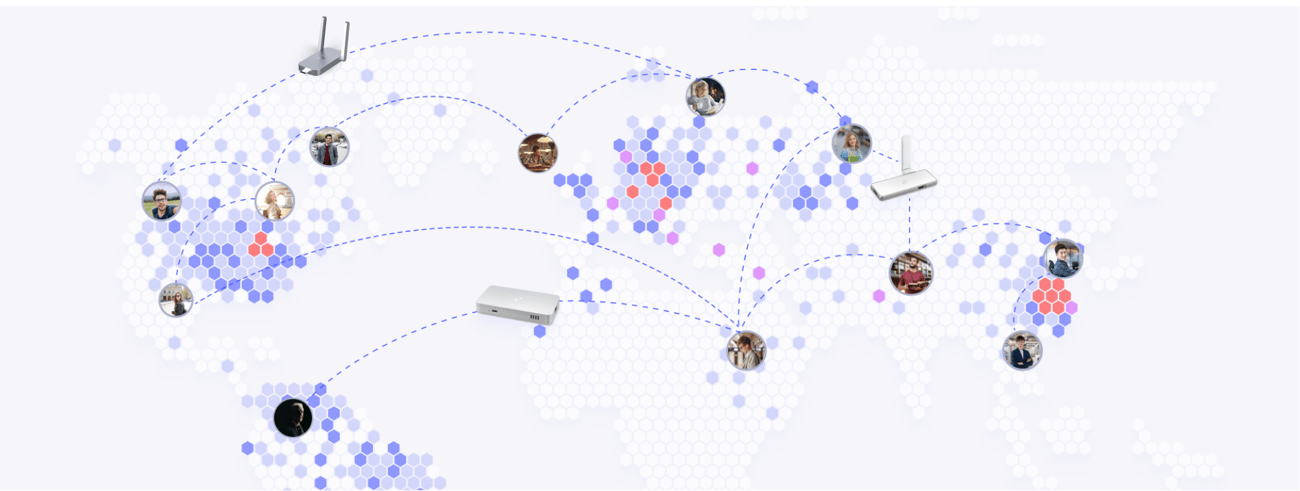
✅ Multi-Hop Routing: For stricter anonymity, your connection can route through multiple Deeper Connect devices worldwide. This makes tracking even more challenging for ISPs.
Click “More Product Information” below to explore the potential of Deeper Connect.
|