circling back
Checking in on RFK Jr.’s promises, one year later
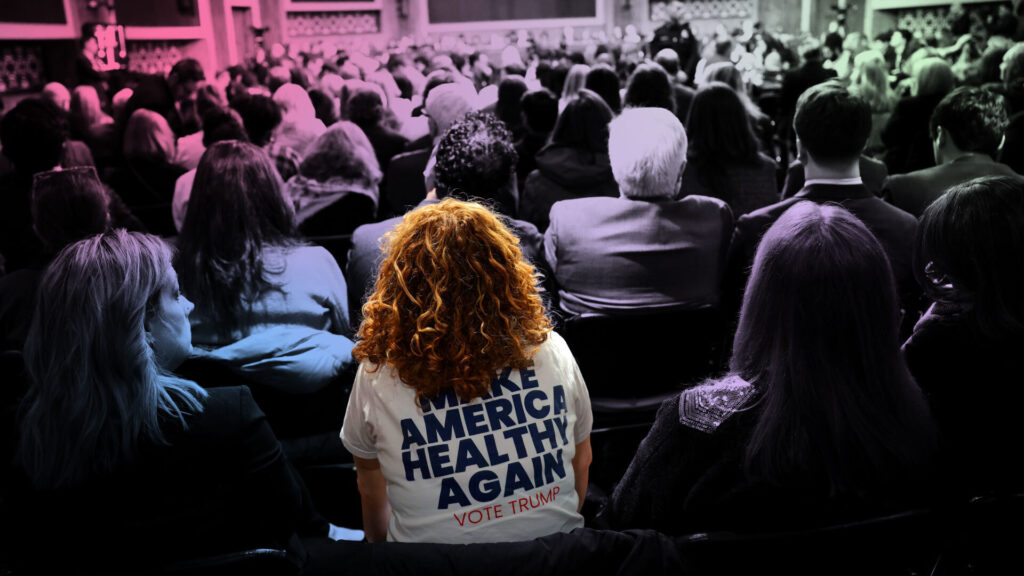
Photo illustration:STAT; Source photo: Getty Images
It's officially been one year since Kennedy became the nation's health secretary. He has made numerous promises and set many goals since he created the MAHA movement and then took the helm of HHS. But how many of them has he actually accomplished? STAT has been tracking that exact question.
The latest update of our tracker shows Kennedy has made progress on some fronts, like changing the U.S. approach to nutrition, more closely scrutinizing the nation's supply of infant formula, and investing in addiction treatment. However, many other promises are unfulfilled, or have morphed into humbler pursuits over time.
On key issues such as agency transparency and vaccines, Kennedy has broken his vows to the public, including one that he would "do nothing as HHS secretary that makes it difficult or discourages” Americans from getting vaccinated.
Check out the one-year report card, with accompanying details, here. — Isabella Cueto
one big number
1 in 6
That’s how many people on Medicare used telehealth between 2021 and 2023, according to a study published yesterday in the Annals of Internal Medicine. And nearly half of all mental health visits were done via telehealth, the data showed. People who made virtual appointments reported worse health, greater physical and cognitive limitations, and higher health care utilization overall than those who went in person, suggesting that the service can be a vital lifeline.
A package of health care reforms that would retain Medicare coverage of telehealth appointments passed the House last month. The Senate was expected to pass it soon after, but as STAT’s John Wilkerson reports, the plan unraveled as debate over ICE funding increased.
first opinion
An ethical framework for pain medication
A new First Opinion essay poses this question: “When there is not enough pain medicine to go around, who gets it? The teenager in agony after a crushed leg, or the 80 year old down the hall dying an excruciating death from cancer?”
There’s no easy answer. Medication shortages are now a routine feature of American health care, but as two medical ethicists and a first-year resident write, intravenous opioid shortages are different. The supply is fragile, making shortages more likely, and the consequence isn’t death — it’s profound, preventable pain. Read more on what a better ethical framework for distributing these medications can look like when they’re in short supply.