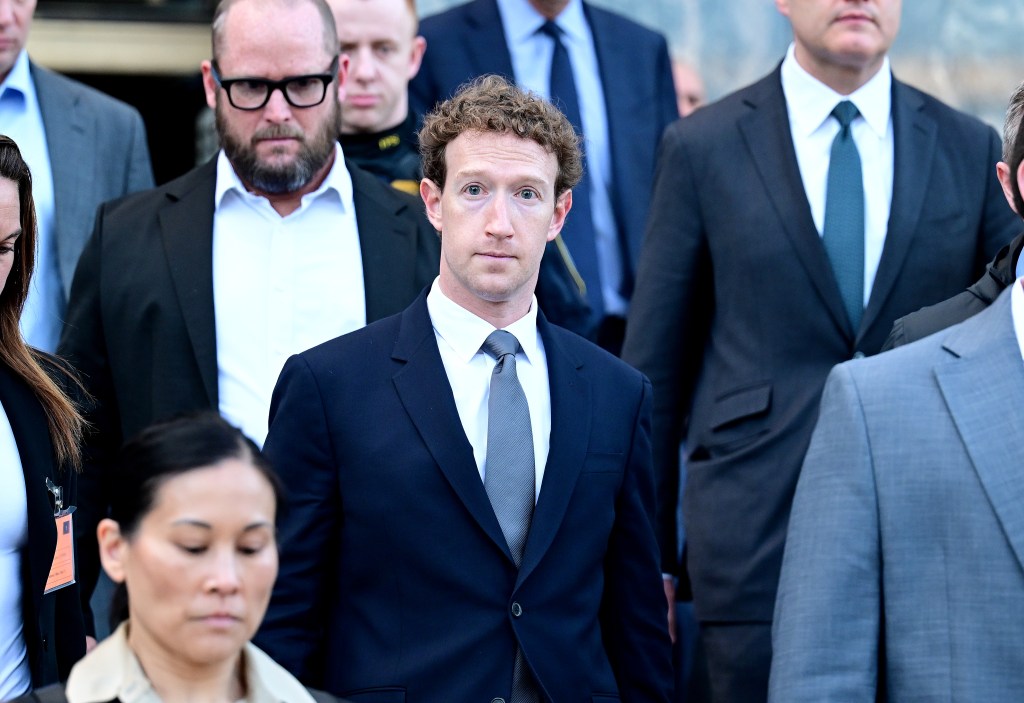
Mark Zuckerberg’s
testimony this week in a landmark social media case revealed not just how the Meta CEO has thought about youth social media addiction—but also his view on the impact of
Instagram on the self-confidence and well-being of young girls.
The case is brought by a plaintiff called called Kaley G.M., or K.G.M., against Meta and
Google. Now 20, she says Instagram and
YouTube were addictive, which led to personal injury and other harm. She opened her Instagram account at age 9. TikTok and
Snapchat have faced similar claims, but settled out of court.
Most attention in the lead-up to the trial was on social-media addiction in young people, as well as the absolute worst of its impact, like teens who died by suicide after viewing content about self-harm. The trial is taking place in California, a state that has tried to better regulate the tech and AI giants based there after failing to do so during the initial rise of social media.
Watching the case, what stood out to me as well was the exchange about Instagram beauty filters. The plaintiff said beauty filters contributed to her body dysmorphia. The filters allow users to alter their faces to look more attractive or like they’ve had plastic surgery procedures. For a young girl dealing with insecurities, the ability to look completely different on Instagram could make her feel inadequate when she looks in the mirror in real life—and make her feel like she needs those cosmetic procedures outside of the app too.
The plaintiff’s lawyers noted that Meta convened
its own panel of 18 experts, who advised that beauty filters could have a negative impact on teen girls. But Zuckerberg said that while Meta briefly disabled the filters, the company ultimately decided that to do away with them completely was overly “paternalistic.” Instead, Meta changed its policy to allow beauty filters to exist—but not to create them itself or recommend them to users. Beauty filters are a form of free expression, Meta essentially decided.
Zuckerberg doesn’t know what it’s like to be a teen girl. But he does have three daughters, with the oldest now entering her tween years. He’s
proudly called himself a “girl dad,” after taking the family to the Eras Tour. For Meta, not forcing beauty filters on impressionable tweens is a solution. But is that enough for a parent? One of Meta’s own employees disagreed: “I respect your call and I support it,” a mother of two
wrote to Zuckerberg in an email, “but I want to say for the record, I don’t think it’s the right call.”
Emma Hinchliffeemma.hinchliffe@fortune.comThe Most Powerful Women Daily newsletter is Fortune’
s daily briefing for and about the women leading the business world. Subscribe here.