Good morning. Executive Editor Matt Heimer here, filling in for Alyson.
It’s literally a once-in-a-generation event: The Fortune 500 has a new No. 1.
Early Thursday, Walmart reported its financials for the most recent fiscal year. The retail giant beat analysts’ expectations on revenue, reporting $713.2 billion, up 4.7% from the prior year. But it was a hair less than the $716.9 billion Amazon reported two weeks earlier.
Barring some unforeseen surprise that closes that gap, that means Amazon will finish at No. 1 in June when we publish our next edition of the Fortune 500, which ranks the biggest American companies by revenue.
To give you a sense of how rare it is to have a new top dog, only four companies have ever held the No. 1 spot: General Motors (our inaugural No. 1, in 1955); Exxon Mobil (No. 1 for the first time in 1975); Walmart, which first topped the list in 2001; and now, Amazon. Walmart and Exxon played king of the mountain for No. 1 for a few years, but prior to this week Walmart was riding a 13-year streak on top.
In business circles (and in our newsroom) part of the reaction has been: “What took Amazon so long?” The company’s steamroller growth, built on the customer-obsessed culture instilled by founder Jeff Bezos and the rocket-fuel profitability of Amazon Web Services, has been one of the dominant business narratives of the last 15 years. Ponder this: Amazon’s revenue last year was 21 times higher than in 2010.
By 2015, the year I joined Fortune, Bezos was the CEO that seemingly every other CEO wanted to be, or at least emulate. Walmart, meanwhile, was widely viewed as a relic whose best days were behind it—in danger of becoming the next Sears, perhaps. Investors, analysts, and journalists were wondering whether its new, relatively young CEO, a company lifer and former truck loader named Doug McMillon, could turn it around.
The answer was yes—and that’s why Walmart held onto the Fortune 500 crown for so long. In a smart and inspiring feature, Phil Wahba breaks down the strategic and technological advantages that fueled Amazon’s rapid rise; he also shows how Walmart rose to the existential challenge, becoming a nimbler, more diversified, and more tech-savvy company that is now giving Amazon a run for its money in e-commerce.
Phil’s story is a pitch-perfect parable about how competition makes you stronger. And indeed the battle between these two companies will remain must-watch programming for years to come. (In the meantime, Phil’s feature is the cover story of a special digital issue we published on Thursday; you can explore it here.)
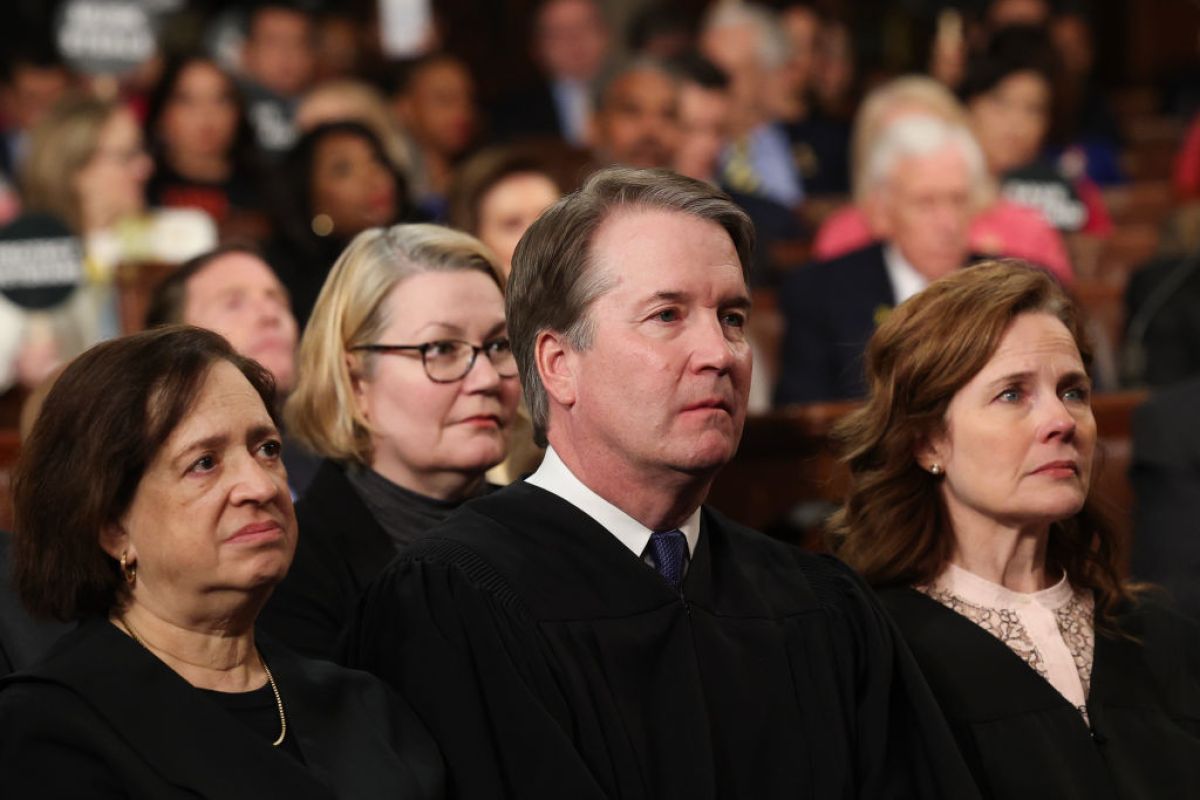
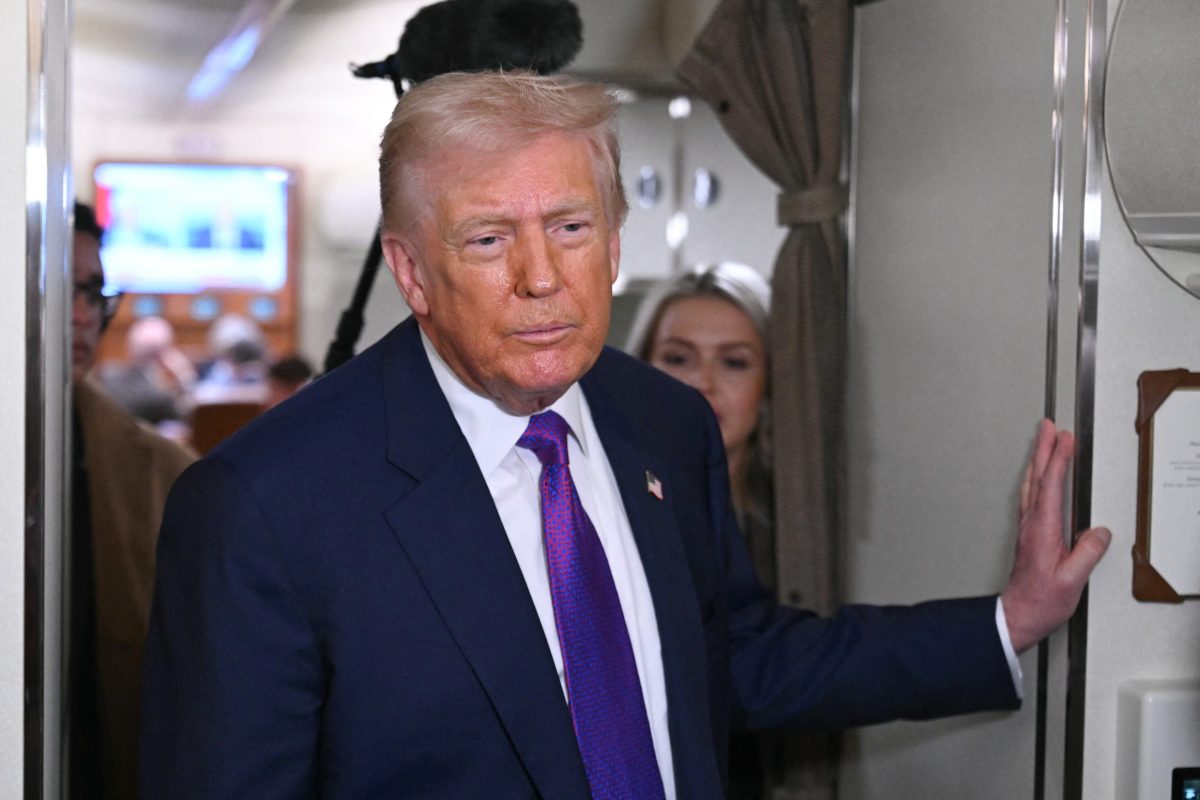
P.S: Both of these mega-retailers, along with many other Fortune 500 companies, stand to benefit from the Supreme Court’s landmark decision on Friday striking down most of the Trump administration’s tariffs on imports to the U.S. Check out analysis from Fortune’s Jeff John Roberts and Nick Lichtenberg for more. —Matt Heimer, executive editor
Follow Alyson Shontell on X, LinkedIn, TikTok, Instagram, and the Titans and Disruptors vodcast.