By Ross Kerber, U.S. Sustainable Business Correspondent |
|
|
Top fund firms have been working hard to devolve their proxy voting powers to their clients, which could insulate the companies from the political criticism they have heard from many sides.
You can read the latest on efforts by Vanguard and BlackRock in this week's main story, below. You'll also find links to our coverage of matters like privacy questions for Amazon in Italy and technical issues for Air India.
Please follow me on LinkedIn and/or Bluesky. You can reach me via ross.kerber@thomsonreuters.com.
|
|
|
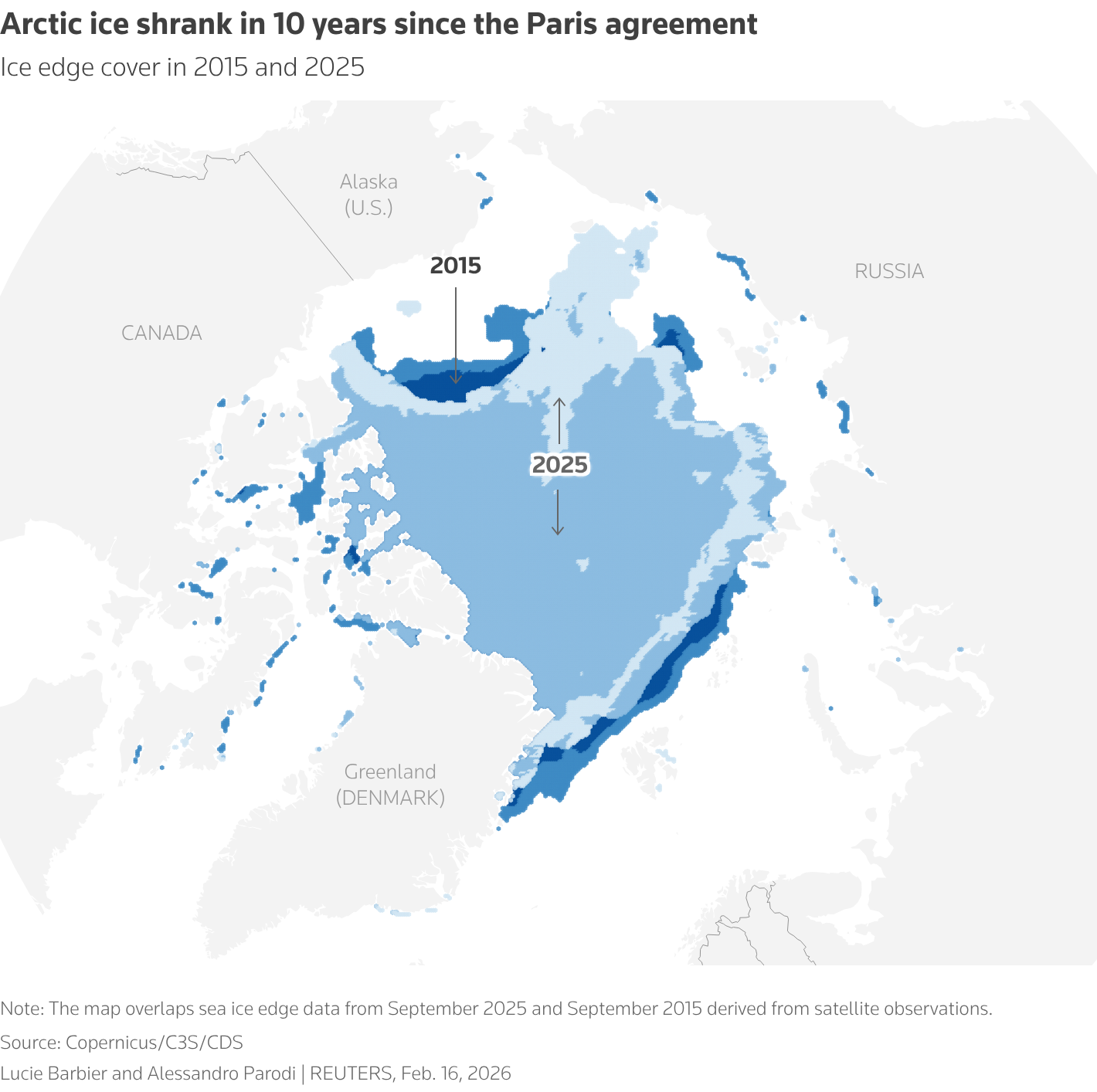
Many shareholder resolutions relate to corporate climate issues such as their response to the Paris Climate Agreement. New datasets show . |
Fund firms build out voting platforms
|
Top fund managers dodged some pressure in December when they were not named for new scrutiny in an executive order by U.S. President Donald Trump. One reason could be they have already appeased some critics by "devolving" decisions over proxy voting by their giant index funds.
Those votes, cast at corporate annual meetings on hot-button topics like climate change or workforce diversity, can thrust fund managers into culture war battles.
Vanguard's solution has been to build up its "Investor Choice" program. On Wednesday it said it is adding 17 new funds to its program, making it available to a total of 22 million eligible investors across $3.6 trillion of eligible assets -- more than a quarter of the closely-held Pennsylvania firm's total of $12 trillion under management.
The program has seen a lot of interest from individual investors and retirement-plan sponsors, said John Galloway, Vanguard Head of Investor Engagement. State 529 educational-savings plan sponsors also like it as a way to "make an intentional decision" with their votes, he told me in an interview.
BlackRock recently updated figures for its own Voting Choice program, showing that out of $3.76 trillion in index equity assets eligible for the program, holders of $885 billion were exercising the choice as of Dec. 31.
Neither company's program allows investors to vote directly on ballot items like CEO pay or director elections at specified companies. Rather they allow investors to pick among a range of voting approaches including ones that tend to support management positions, or to favor climate concerns.
It's hard to see the downside of either program, except maybe forcing company executives to work harder to reach investors. Both programs give fund customers more say over how their money talks, and give fund executives an answer to those who say they wield too much clout. |
|
|
Branding for Air India is seen on an Airbus A350-900 at the Farnborough International Airshow, in Farnborough, Britain, July 24, 2024. REUTERS/Toby Melville/File Photo |
|
|
| |
|
|
|
Reuters Sustainable Finance is sent weekly. Think your friend or colleague should know about us? Forward this newsletter to them. They can also sign up here.
Want to stop receiving this email? Unsubscribe here. To manage which newsletters you're signed up for, click here.
This email includes limited tracking for Reuters to understand whether you’ve engaged with its contents. For more information on how we process your personal information and your rights, please see our Privacy Statement.
Terms & Conditions
|
|
| |
|
© 2026 Thomson Reuters. All rights reserved.
3 Times Square, New York, NY 10036
|
| | |
|
|
|