Forma Design Fair Madrid, an Alessi kettle to covet and the Kurdish rebels ready to fight Iran.
|
Friday 6/3/26
|

|
|
London
Paris
Zürich
Milan
Bangkok
Tokyo
Toronto
|
|
|
|

Good morning from Midori House. For more news and views, tune in to Monocle Radio. Here’s what’s coming up in today’s Monocle Minute:
THE OPINION: Is Lebanon’s reckoning with Hezbollah at hand?
DESIGN: The inaugural Forma Design Fair Madrid takes shape
DAILY TREAT: What makes a good kitchen gadget? This Alessi kettle boils it down to simplicity
FROM MONOCLE.COM: Meet the Kurdish rebels ready to fight Iran with the US
|
|
View from Lebanon: Beirut’s dire déjà vu as reckoning with Hezbollah beckons
By Euan Ward
|
For days, Lebanon has watched from the sidelines as the Middle East burned. News alerts from Tehran, Tel Aviv and Dubai were met with a mix of dread and denial. In smoky late-night cafés across the capital, one question kept resurfacing: “Would Hezbollah join the fight?” Some clung to the fragile ceasefire between the Iran-backed militant group and Israel, which had held for more than a year and brought an end to Lebanon’s deadliest war in decades. Others persuaded themselves that Hezbollah, battered by the conflict, lacked both the capacity and the appetite for another confrontation.
That illusion collapsed overnight on Monday, when Hezbollah announced that it had fired rockets into northern Israel, seemingly in retaliation for the assassination of Ayatollah Khamenei. Within hours, the skies above Beirut were once again punctuated by Israeli fighter jets.
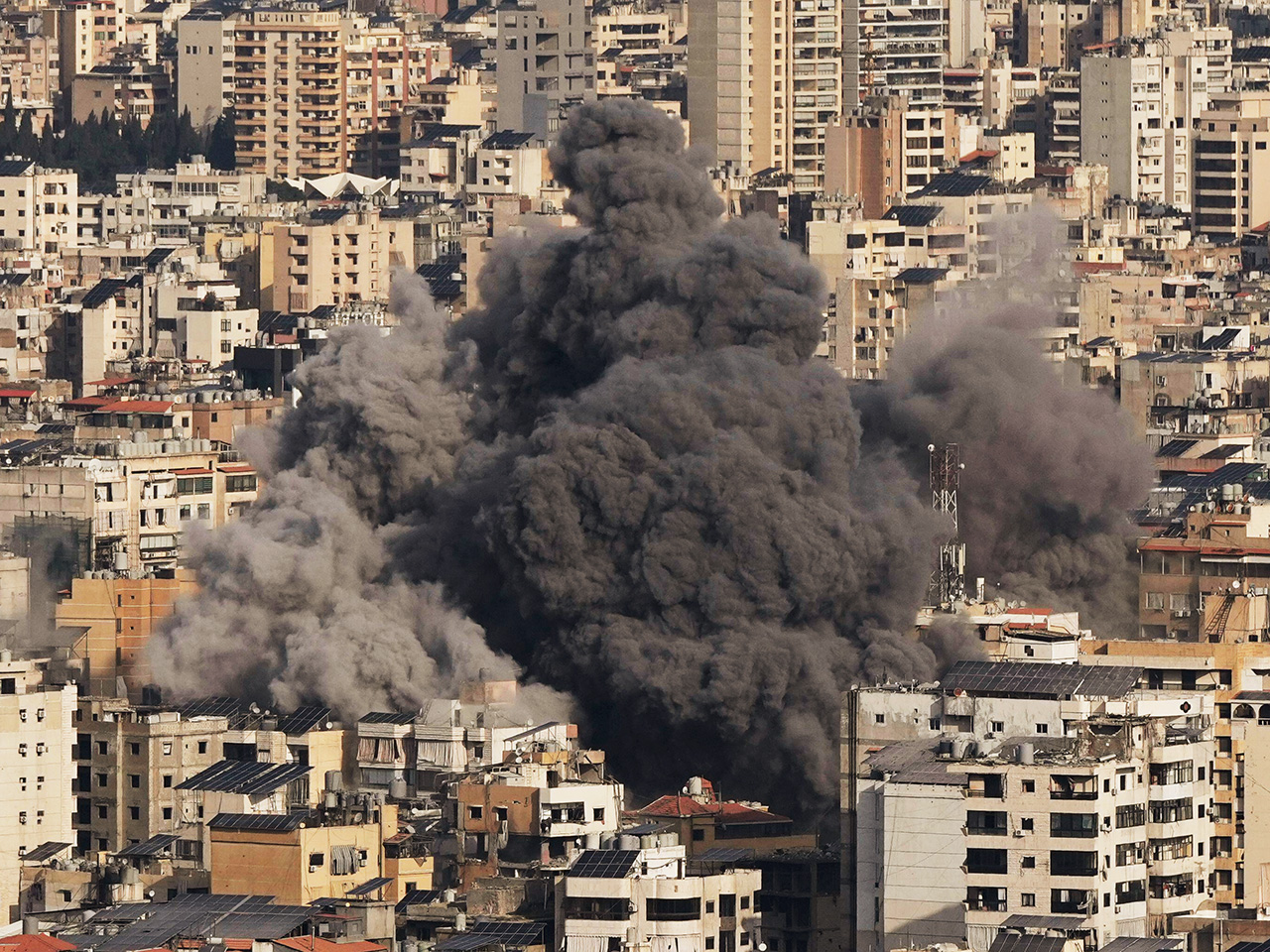
In the southern suburbs of the Lebanese capital – a dense sprawl of apartment blocks where Hezbollah has long held sway – many families were sitting down to suhoor (the pre-dawn meal during Ramadan), when the bombs began to fall. Plates of warm flatbread and bowls of stewed fava beans were abandoned mid-bite as parents scooped up children and hurried from their homes in the dead of night.
| |
|
Long road ahead: Lebanon has been caught up in the US-Israel war with Iran
|
|
Further south along the border, Israel ordered towns and villages to evacuate. Many residents were already on the road, having hurriedly packed their cars at the first sound of outgoing rockets. The coastal highway north soon clogged with miles of bumper-to-bumper traffic. A journey that normally took less than two hours now stretched beyond a day.
As Israel and Hezbollah continue to trade fire with no clear off-ramp for de-escalation, the former has begun to invade and seize parts of southern Lebanon, expanding its evacuation orders to dozens more towns and villages. According to the country’s health ministry, the escalation has already killed more than 70 people and forced tens of thousands from their homes. Many have sought shelter in schools and mosques. Along Beirut’s seaside promenade, usually filled with joggers and sunbathers, children wrapped in blankets sleep beneath palm trees – just as they did 18 months ago when the previous conflict ignited. It was only last summer that a truce allowed the capital to return to normal.
It is a grim kind of déjà vu.
Even among some of Hezbollah’s own supporters there is palpable anger over the group’s decision to drag the country into another unwinnable war. Large swaths of Lebanon remain in ruins from the previous conflict, leaving it with a multibillion-dollar reconstruction bill. Despite receiving assurances from the militant group over the weekend that it would not join the fray, Lebanon’s leaders, including Hezbollah’s political allies, were caught off guard.
That rupture put Hezbollah on a collision course with the state, deepening fears of domestic instability as the country settles into the wretched rhythm of daily bombardment. Under the ceasefire agreement signed with Israel in November 2024, Beirut committed to disarming Hezbollah. But Israel and the US have repeatedly accused the group of moving to rearm, something that Israel has cited as justification for its near-daily strikes since the truce deal.
Lebanon’s prime minister, Nawaf Salam, made the unprecedented move on Monday of calling for an “immediate ban” on all Hezbollah’s military activities and demanding that the group surrender its weapons to the state. He instructed the military to take “immediate measures” to prevent further rocket launches from Lebanese territory, including arresting those responsible.
The move marks a seismic moment but it remains unclear how much political will exists within Beirut’s fragile institutions to enforce it. Memories of the bloody 1975–1990 Lebanese Civil War, when the army fractured along sectarian lines, still loom large for many. Whether the nation’s leadership can assert authority over Hezbollah might now prove the decisive test in determining whether the country can avoid a far wider conflict.
Euan Ward is a Beirut-based journalist. For more opinion, analysis and insight, subscribe to Monocle today.
|
|
HITACHI ENERGY  MONOCLE MONOCLE
|
|
design: madrid
The inaugural edition of Forma fair has designs on making Madrid the scene to watch
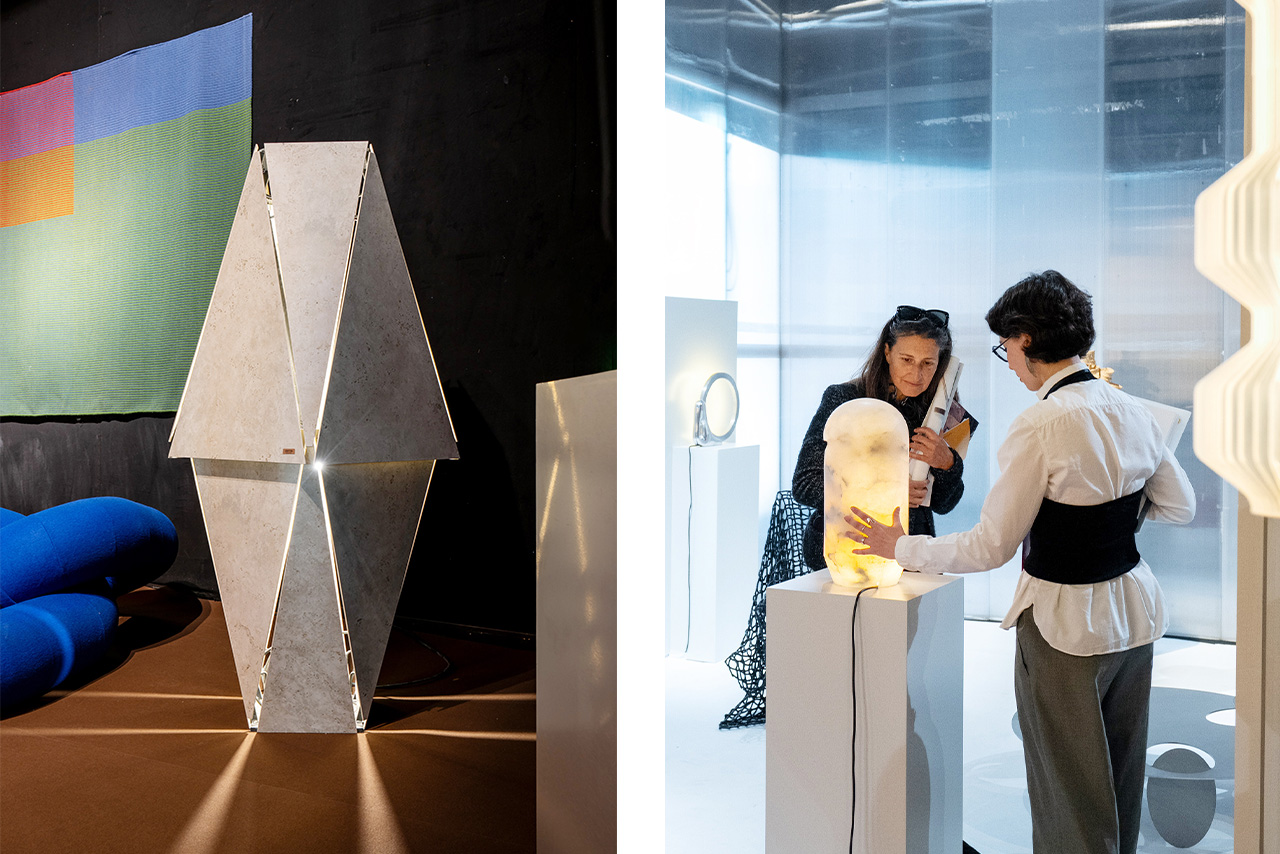
“We wanted to create the most beautiful design shop in Spain,” says Álvaro Matías by way of introduction to Forma’s inaugural edition (writes Sophie Monaghan-Coombs). Matías is the founder of Madrid’s first collectable-design fair, which kicked off yesterday in the Spanish capital. The fair takes place at Matadero, a cultural centre occupying the site of a former abattoir, complete with plastic strip curtains retained from its past life. More than 40 exhibitors are taking part in this first edition but, unusually for a fair of this kind, they incorporate a mix of galleries, group shows and individual designers.
| |
|
Light work: Forma asserts Madrid’s position on the design scene
|
|
Forma’s artistic directors, Antonio Jesús Luna and Emerio Arena, are known on the international design scene as the co-editors of Room Diseño magazine. While their selection of exhibitors includes some from Latin America, including Mexico and Colombia, Forma has a distinctly Iberian flavour. The designs on display here take Spain’s artisanal craft history as a jumping-off point. Among the booths are striking rugs, chairs and vases that have been made using traditional techniques. By blending that heritage with contemporary design, Forma marks a turning point for Spanish makers and collectors. “Designers stay in the city because they can feel that Madrid is on the cusp of something,” says Matías. “It’s about to begin.”
For more from the Spanish capital, check out Monocle’s Madrid City Guide.
|
|
• • • • • DAILY TREAT • • • • •
Blow off some steam with a brew from an Alessi kettle
Not everything designed in the 1980s stands up to today’s grand designs but this classic kettle feels like a welcome return to common sense. This Richard Sapper creation for Piedmont kitchen brand Alessi has aged well thanks to its domed stainless-steel body, sinuous black handle and latch, and brass pipes that whistle – the notes E and B, if you’re wondering – as the water boils.
The sound was inspired by Sapper’s memories of riverboat sirens on the Rhine. The kettle hints at an important truth often forgotten in the kitchen: not everything needs to be automated.
alessi.com
|
|
|
Sponsored by Hitachi Energy
|
|
|
|
|
|
from monocle.com: iran
Meet the Kurdish peshmerga fighters negotiating with the US to enter the war against Iran
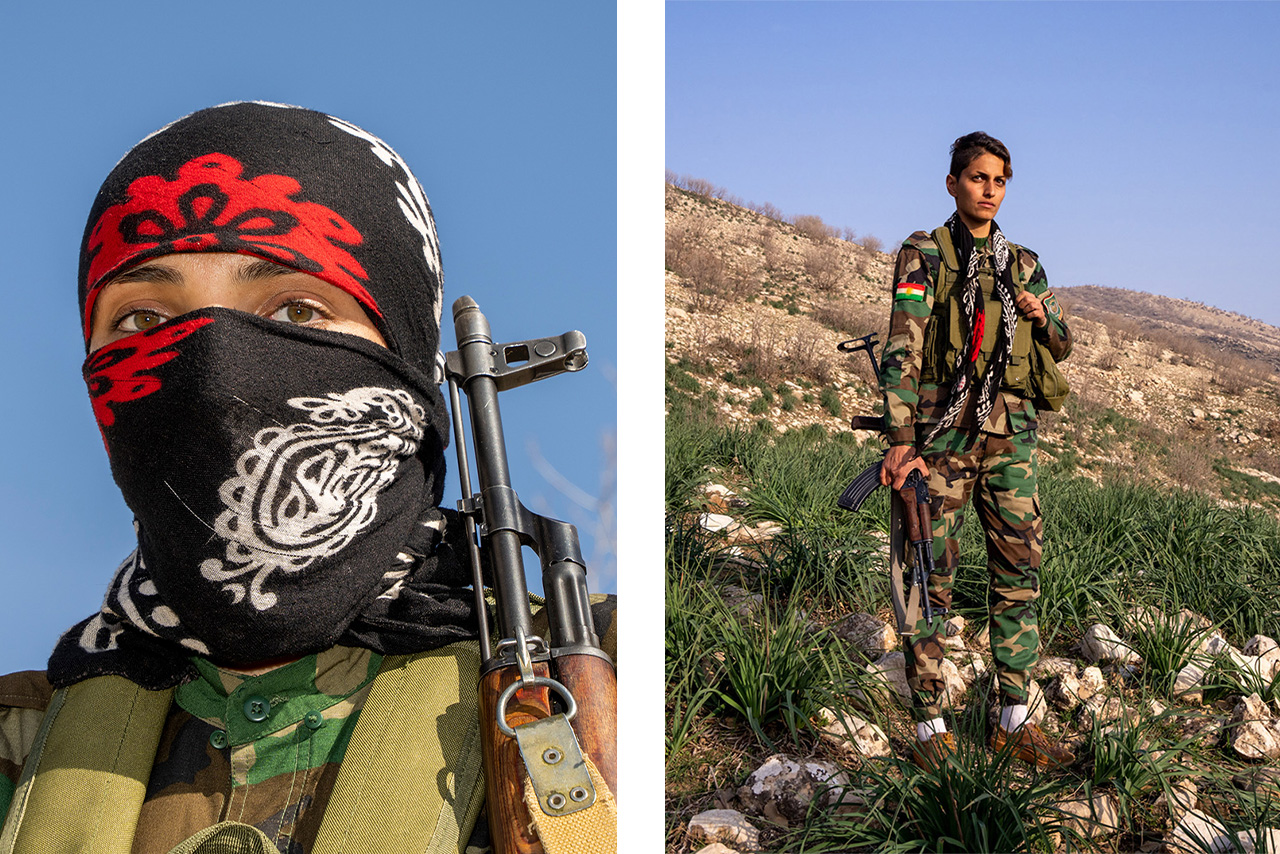
Two years ago, Monocle travelled to the Iran-Iraq border to meet Kurdish female fighters, many of whom had fled their homeland after the killing of Jhina Mahsa Amini. They were training for the day that they might return to their home country and battle the Islamic Republic regime.

| |
|
At attention: Kurdistan Freedom Party (PAK) women’s battalion at their camp near Erbil
|
|
| |
|
Standing out: PAK fighters in battledress
|
|
As the US and Israel hit targets in northwestern Iran in an alleged attempt to open up a route for Kurdish forces to enter the country, we are republishing this piece to give readers insight into who these fighters are and what they are fighting for.
Read the piece in full here.
|
|
| | |


