A year after dissolving the U.S. Agency for International Development (USAID), withdrawing from the World Health Organization (WHO), and slashing foreign assistance for health, the Trump administration is finalizing a slew of memoranda of understanding (MOUs)—bilateral deals that will transition the United States away from aid and toward jointly financed health agreements.
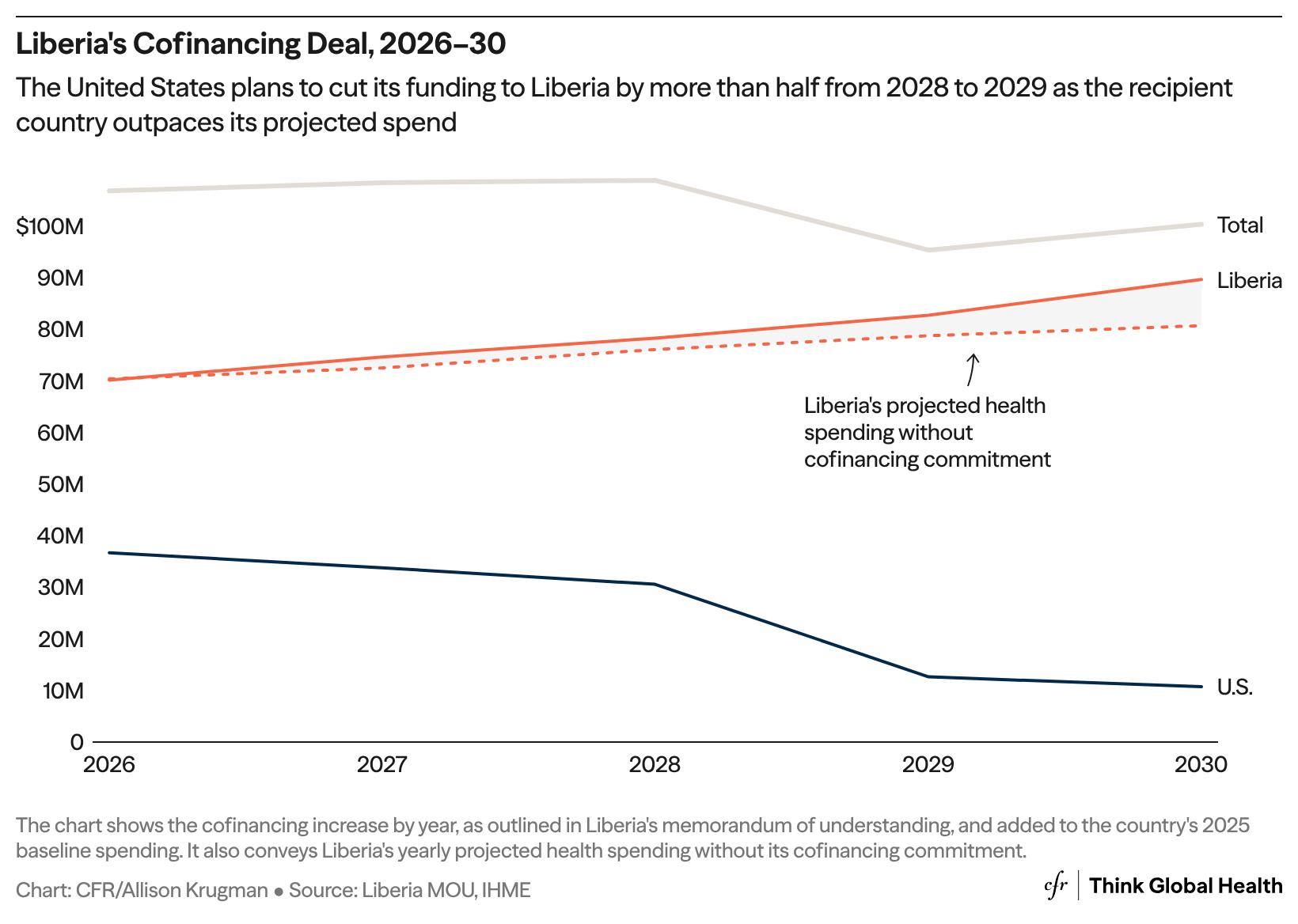
As of March 3, the United States finalized 24 MOUs as part of the America First Global Health Strategy, but those agreements contain inconsistent cofinancing expectations. The provisions raise questions about the recipient countries’ capacities to meet spending benchmarks and achieve health targets. To assess the sustainability and scope of the deals, Think Global Health presents a new interactive tracker, created by CFR’s Anya Hirschfeld, Allison Krugman, and Thomas J. Bollyky, along with Brown University’s Stephanie Psaki and Joseph L. Dieleman from the Institute for Health Metrics and Evaluation.
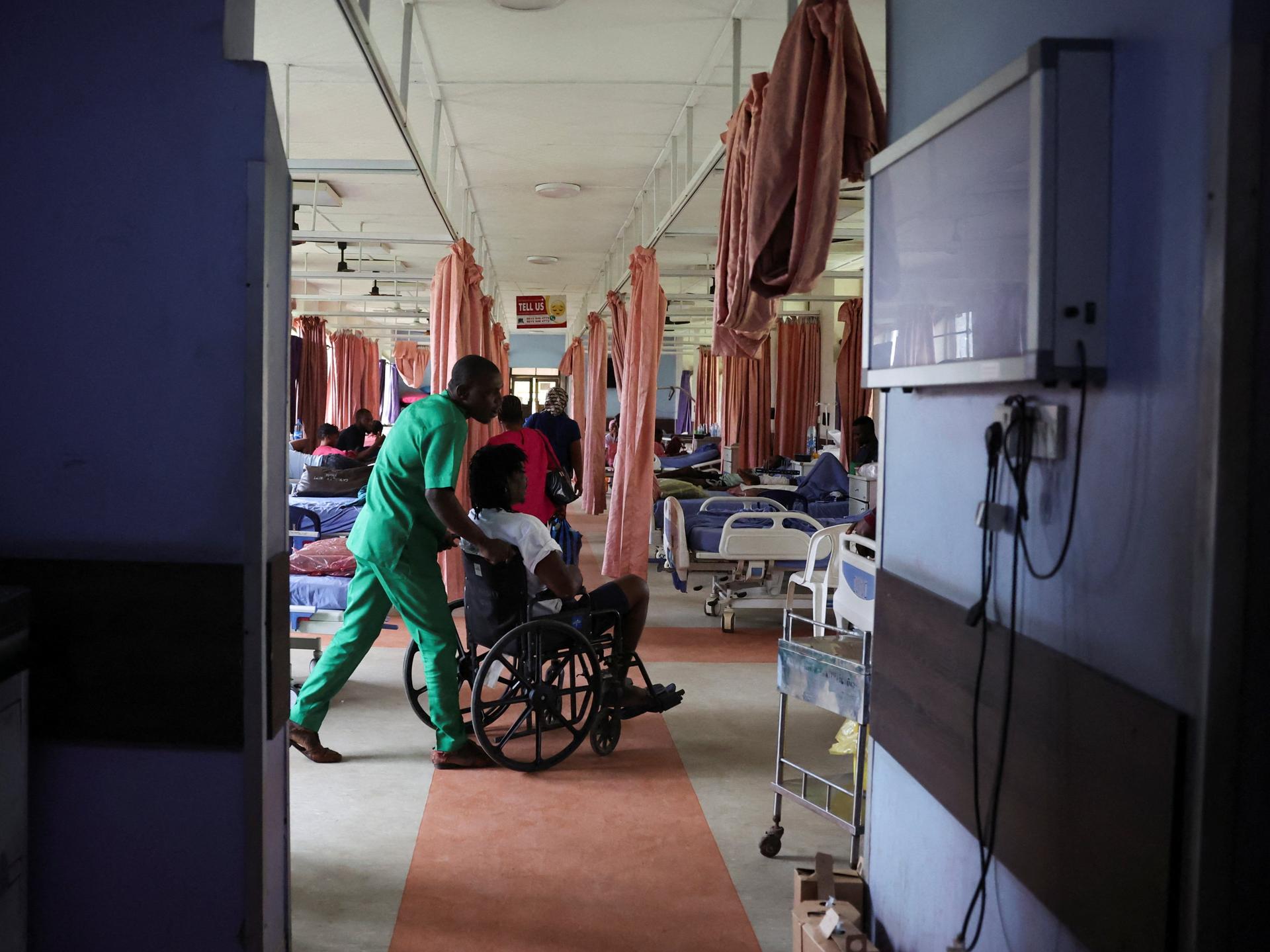
The U.S. departure from health multilateralism underscores the need for countries to invest in adaptable, locally driven systems. Kashmira Chawla, an anesthesiologist at the Mayo Clinic, outlines how, by prioritizing human-centered design, health systems can dismantle siloed care and reduce their dependence on external funders.
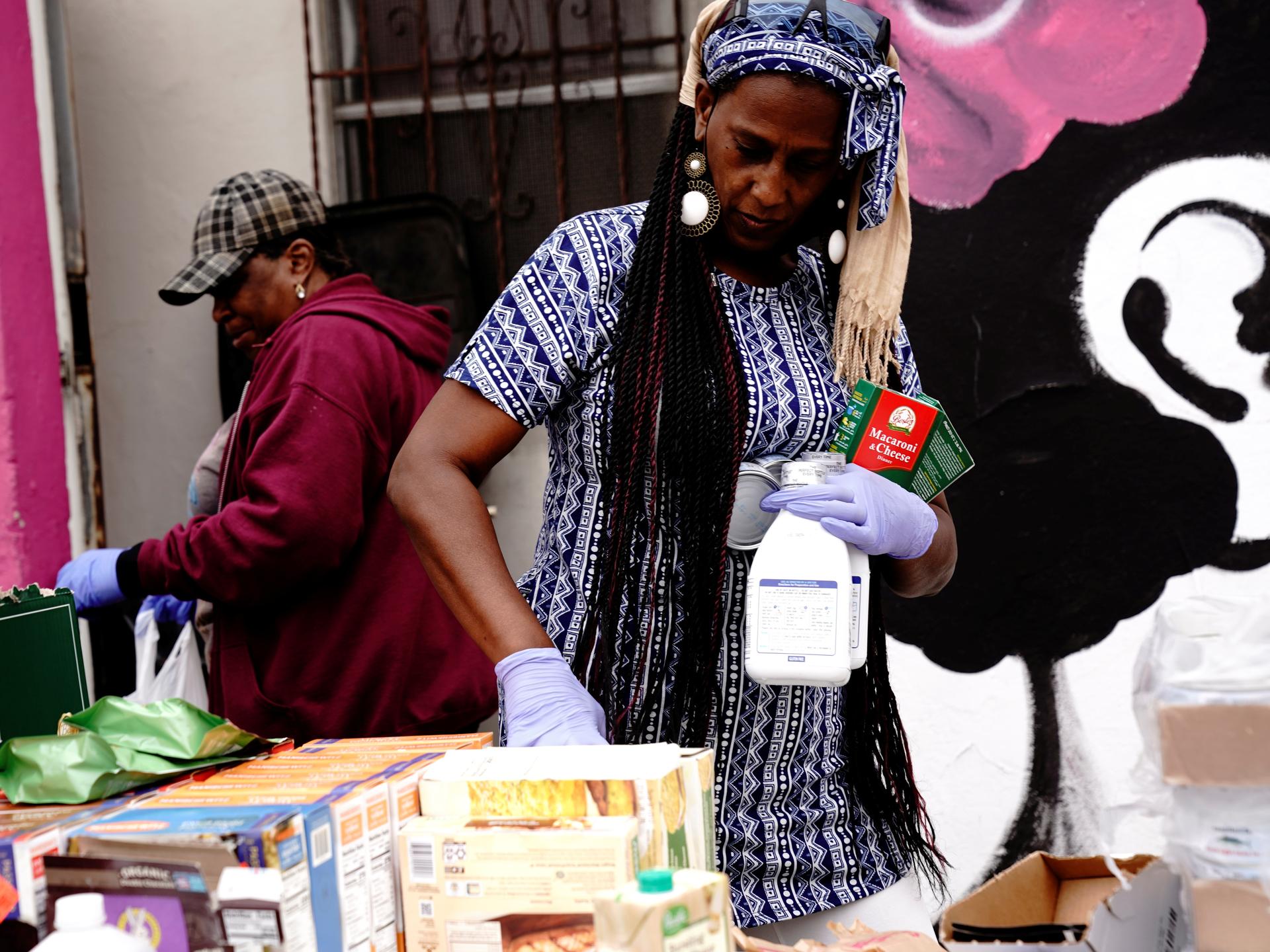
Next, Jakobi Williams, chair of African American and African diaspora studies at Indiana University Bloomington, chronicles how the Black Panther Party pioneered a grassroots welfare state rooted in community control, preventive care, and political education that serves as a blueprint for community health today.
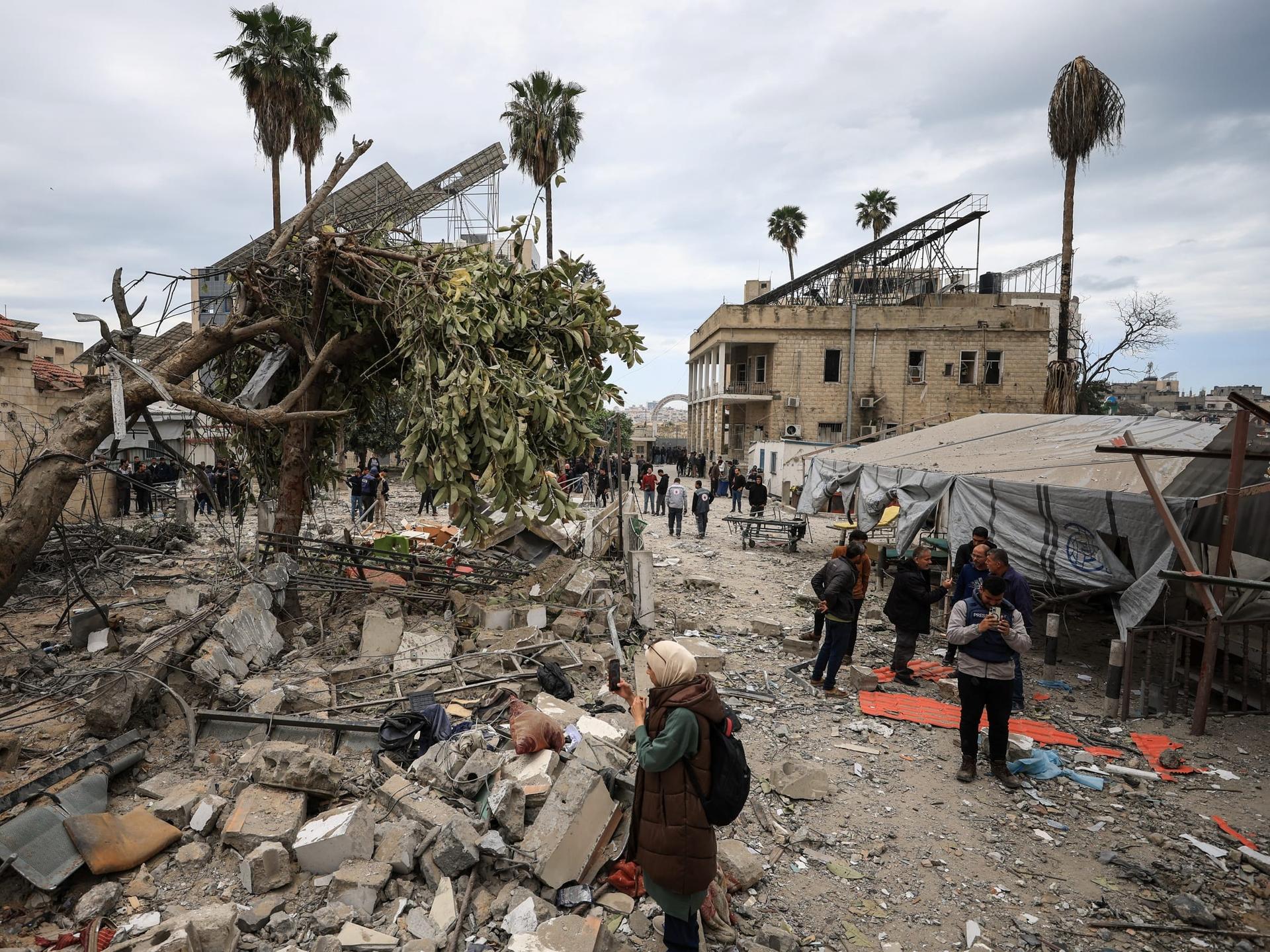
With the war in Iran intensifying, we close the week by highlighting a piece from last summer that illustrates how the attacks on health care during the 12 Day War between Iran and Israel reflect a crisis for humanitarian law.
Until next week!—Nsikan Akpan, Managing Editor, and Caroline Kantis, Associate Editor