| Forwarded this email? Subscribe for more |



 |
| By The Free Press |
It’s Tuesday, March 17. This is The Front Page, your daily window into the world of The Free Press—and our take on the world at large. Today: Batya Ungar-Sargon on the podcasters who claim to speak for MAGA, but don’t. Gabe Kaminsky on the enigmatic billionaire who persuaded Trump to buck decades of Republican thinking on marijuana. Arthur Brooks on why you’re in an abusive relationship with politics—and how to break free. And much more.
But first: America’s weapons crisis—and the people trying to fix it.
This week, Israel told the U.S. that it is running critically low on ballistic missile interceptors—and America’s own reserves aren’t far behind. With stockpiles across the U.S. and among its Gulf allies dwindling faster than they can be replenished, the Trump administration has discussed invoking the Defense Production Act to force defense companies to increase manufacturing.
As war in the Middle East rages, a familiar debate has returned: Can the American weapons industry keep up with demand?
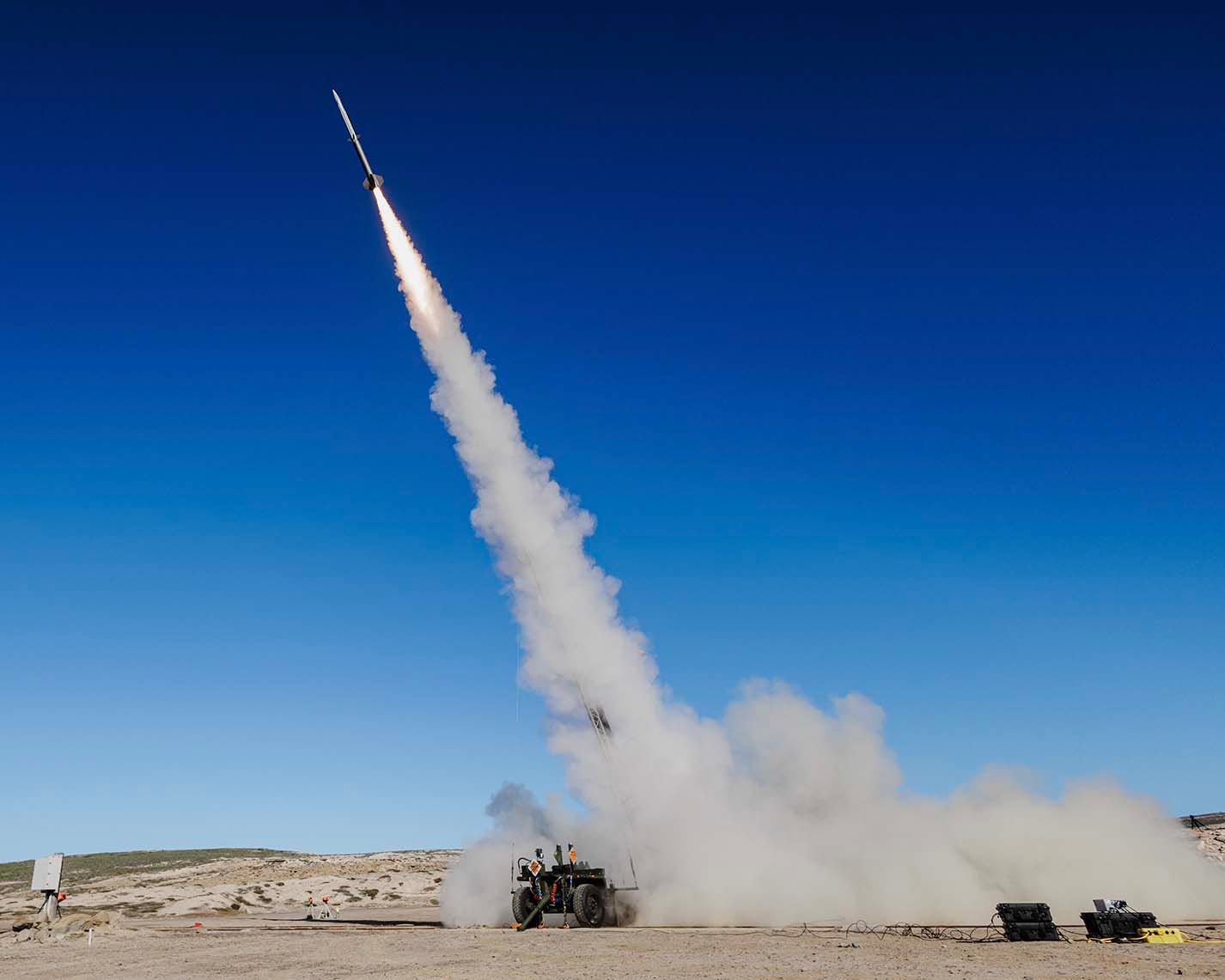
Sean Fischer spoke with the founders of one of the new defense technology companies trying to make sure the answer to that question is yes. Castelion is focused on hypersonic missile technology—and it’s trying to help the U.S. catch up with Russia and China in this important field.
Read Sean’s story on the entrepreneurs who think America’s preparedness suffers from two problems: a lack of modern warfighting tools, and an inability to manufacture them at volume.
Though America currently lags behind China and Russia in missile technology, it has many advantages. One of them: Our software is second to none.
Today, in an exclusive excerpt of the new book Mobilize: How to Reboot the American Industrial Base and Stop World War III, Palantir chief technology officer Shyam Sankar and his colleague Madeline Hart argue that for the U.S. to remain the most powerful nation in the world, we need an industrial revolution—with the help of the Silicon Valley.
—The Editors
 |
Iranians Use an App to Map Military Bases and Missile Sites—and So Does Israel | ||||
 | ||||
|
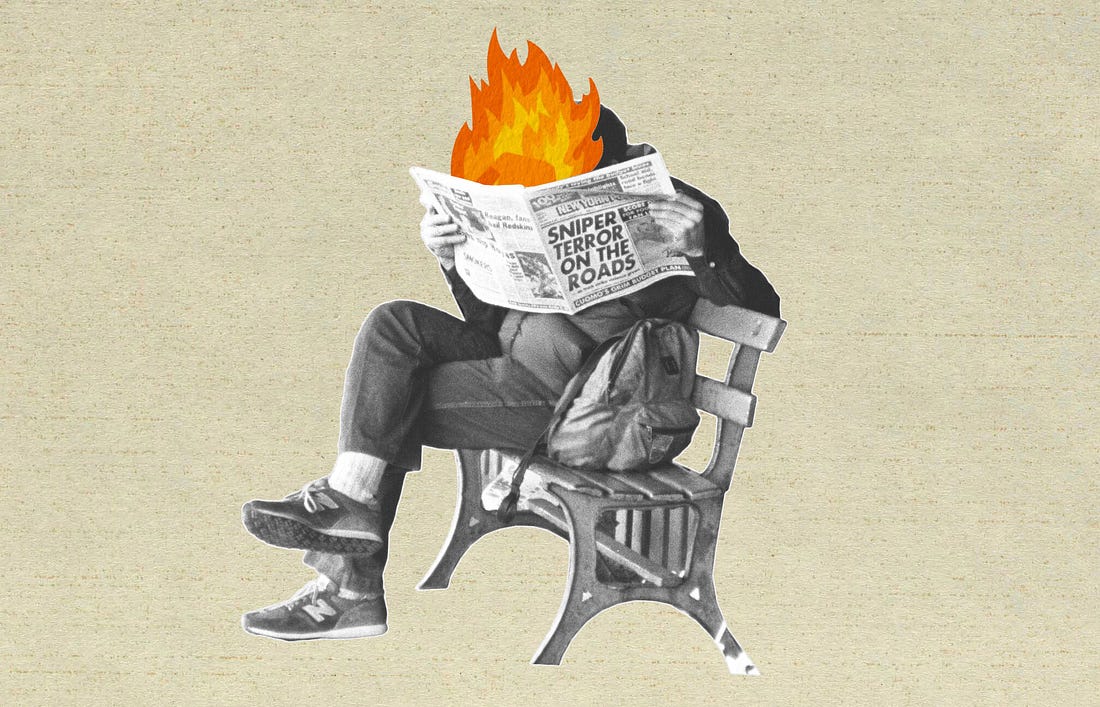
Arthur Brooks: Face It. You’re Addicted to Politics. | ||||
 | ||||
|
How a Billionaire Friend Changed Trump’s Mind About Pot | ||||
 | ||||
|
Canada No Longer Feels Safe for Jews | ||||
 | ||||
|
The Booming Business of Penis Enlargement | |||||||||
 | |||||||||
|
