It happens to us, too! Here are our tips.
͏ ͏ ͏ ͏ ͏ ͏ ͏ ͏ ͏ ͏ ͏ ͏ ͏ ͏ ͏ ͏ ͏ ͏ ͏ ͏ ͏ ͏ ͏ ͏ ͏ ͏ ͏ ͏ ͏ ͏ ͏ ͏ ͏ ͏ ͏ ͏ ͏
| |
|
|
Happy spring! Are you ready for warmer, sunnier days? I sure am. But I may find more beauty in the budding trees and blooming flowers than those of you with seasonal allergies do, who probably see them as dreadful signs.
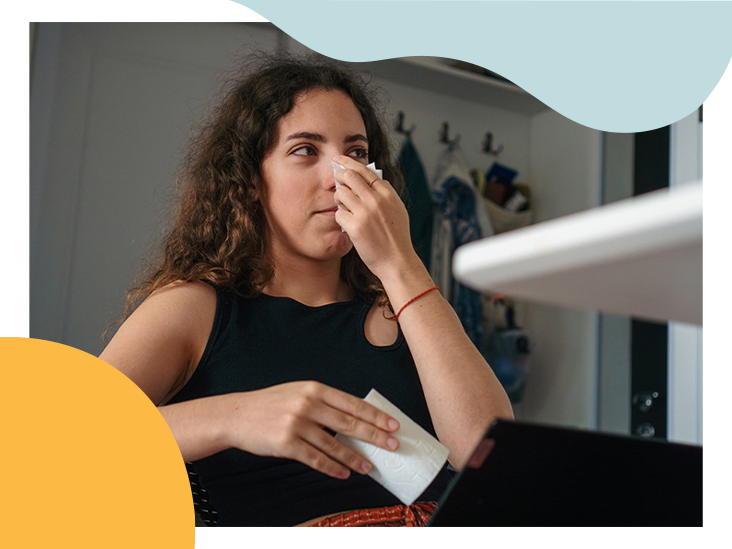
We asked our team how they prepare for this period of sneezing, runny noses (and running out of tissues), and watery eyes. Let’s see what they said.
|
|
|
|
|
|
|
Gesundheit!
Sarah Matysiak
Newsletter Editor, Healthline
|
 |
|
Written by Sarah Matysiak
March 20, 2026 • 3 min read |
|
| |
|
|
|
|
| |
 |
|
|
| How do we prepare for allergy season?
|
| “I always start taking allergy meds just as spring is beginning because I know my allergies will pick up with the season change. I also always have some sort of nasal spray in the house to help with congestion, especially before bed.” — Mandy French, editor
|
| "A dab of Vaseline around the nose can help trap particles and avoid breathing them in (not for prolonged use, though, contact a doctor). Fabric handkerchiefs rather than paper — they’re better for the environment and your skin. Keeping a symptom diary might help if you think you have seasonal allergies but aren’t sure where to start. This can help you during appointments, too.” — Katy Wallis, editorial director
|
| “Every year, I forget which formulation works best for me. Is it cetirizine, or is it loratidine? So, last year I bought several years’ supply of generic loratidine to get ahead before the pollen onslaught begins in May. I’ve also found wearing untinted glasses when cycling has helped reduce eye irritation, which is always my least favorite symptom.
|
| “When I buy antihistamines at the end of April, I buy enough to last until the end of August, as well as extra pills and eye drops to divvy among my hiking and climbing rucksacks, toiletry kit, and car to prepare for the inevitable storm of symptoms.” — Alex Marceau, editor
|
| “I’m on monthly allergy shots, but I still experience some asthma symptoms come spring (and fall). I usually start my steroid inhaler with the first freeze through about April. By then, I’m usually OK.
|
| “Before allergy shots, I started using Flonase in February. My allergist advised me to start a maintenance dose at least 2 weeks before the peak pollen season begins. I take Allegra 180 and Singulair 10 for my allergies and asthma year-round. One irritates the other if it’s not under control, so I have to find that healthy balance throughout the year. Shots have been a game-changer for me.
|
|
“I use Pataday eye drops for itchy eyes. Wearing a mask while on walks outdoors or doing yard work is very helpful. Washing your face or hair before bed is always a good idea. Keeping your windows closed is a must. Air purifiers are only as good as the filters you clean and change. If you’re like me and have severe dust mite allergies, you also need to wash your bedsheets and blankets once a week and use zipper pillowcase covers and a mattress cover.” — Samantha Costa, editor
|
|
|
| | | |

