|
|
|
|
|
|
|
|
|
|
The Morning Risk Report: Nevada Wins Temporary Ban on Sports Betting on Kalshi
|
|
By Richard Vanderford | Dow Jones Risk Journal
|
|
|
|
|
|
|
Good morning. Nevada won a temporary restraining order to prevent prediction-market platform Kalshi from offering event-based contracts related to sports, elections and entertainment.
-
New restrictions: Kalshi must obtain all required state gambling licenses and prohibit users under 21 years old from using its platform to offer such contracts, according to the order from Nevada’s First Judicial District Court. Nevada gambling regulators had sought the order from the court. The ban will last for 14 days, with a hearing to be held April 3.
-
Betting on the weather: Kalshi and Polymarket, a competing prediction-markets platform, offer event-based contracts tied to everything from politics to the weather. A large amount of betting is focused on professional and college sports, putting the platforms in competition with betting sites like FanDuel and DraftKings.
-
Legal fights underway: The order is the latest blow against Kalshi’s efforts to continue operating in all 50 states as battle lines form between officials at the federal and state level over whether event-based contracts are distinct from online betting. Just a few days earlier, Arizona filed criminal charges against the parent companies of Kalshi, accusing them of operating an illegal gambling business without a license.
|
|
|
|
|
Content from our sponsor: Deloitte
|
|
|
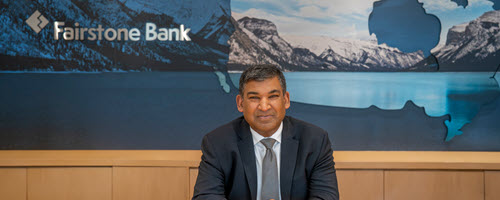
Fairstone CRO: ‘Early Regulatory Engagement Can Yield Better Outcomes’
|
|
Today’s bank risk chiefs need to see how cyber, credit, and operational risks cascade—and treat regulators as allies in spotting blind spots. Read More
|
|
|
|
|
|
|
|
|
|
|

|
|
The Super Micro Computer logo on display in Taipei. Photo: Ann Wang/Reuters
|
|
|
|
|
|
Tech exec accused of smuggling Nvidia chips to China resigns from board.
Super Micro Computer co-founder Yih-Shyan “Wally” Liaw has resigned from the server maker’s board of directors after being indicted for his alleged role in a scheme to smuggle high-end Nvidia chips to China, the company said.
The company had placed Liaw, a senior vice president, on leave after learning of his alleged role in the scheme, which involved billions of dollars of servers and dummy devices used to deceive an American inspector, according to a U.S. indictment unsealed Thursday. Super Micro said it also placed a second employee on leave and fired a contractor.
|
|
|
|
|
The threats and bare-knuckle tactics of MAGA’s top antitrust fixer.
A Journal investigation found that Mike Davis pushed antitrust officials at the Justice Department to approve his deals—and he went over their heads when they wouldn’t comply, according to interviews with more than three dozen DOJ employees, lobbyists, lawyers and others familiar with the antitrust division.
Davis, despite having little experience practicing antitrust law, is one of the most visible practitioners of a change playing out across the division. Current and former antitrust officials said some mergers now get approval or draw mild settlements based on political ties rather than public interest. The new dynamic casts a shadow over the Justice Department’s integrity, they said, and has alarmed even some Trump loyalists in the department.
|
|
|
|
-
A federal judge in Texas struck down a Treasury Department rule aimed at targeting money laundering in the residential real-estate market, a significant setback for government efforts to increase transparency, Risk Journal reports.
-
The White House on Friday released a set of legislative recommendations to shape U.S. artificial intelligence policy, outlining a framework that favors light-touch regulation over comprehensive state-level laws.
-
Attorneys general from New York, California, Massachusetts and Connecticut are leading an alliance of states, counties and cities in an attempt to reinstate the legal foundation for federal greenhouse gas emissions regulation.
-
The European Union’s top antitrust enforcer said a long-awaited decision on whether Alphabet’s Google is breaking the bloc’s new digital competition law is in the making, ahead of meetings with the CEOs of Google, Meta, Open AI and Amazon on her trip to the U.S. this week.
-
The European Union plans to relax its landmark carbon-pricing program as the bloc’s industrial sector braces for a spike in energy prices caused by the war in the Middle East.
|
|
|
|
|
|
|
|
|
|

|
|
Iran struck QatarEnergy's LNG production facilities in Ras Laffan Industrial City, Qatar. Photo: Reuters
|
|
|
|
|
|
The new weapons of global power are oil, rare earths and microchips.
Iran’s move to choke off the Strait of Hormuz and turn crude oil into a weapon of war marks a new phase in the 21st-century competition for global power—one that will be defined by the control of critical raw materials and energy.
In the face of a withering campaign of airstrikes by the U.S. and Israel, Tehran has launched an asymmetric counterattack, using energy supplies as a cudgel on a scale unseen in decades.
|
|
|
|
-
The security relationship that allies, particularly in Asia, have with the U.S. is evolving into an era where they may be called to do more with less. South Korea—which the Trump administration has called a “model ally”—is particularly feeling the pains from this transition.
-
Iran’s Houthi allies are lying in wait on another key oil route: the Red Sea.
|
|
|
|
|
|
|
|
|
Iran’s closure of the Strait of Hormuz is having an immediate impact on energy prices, but a prolonged crisis could have devastating effects on global trade. Also, regulators and states are locked in a battle over who should supervise prediction markets. James Rundle hosts.
|
|
|
|
|
|
|
|
|
|
|
|
|
|
|
|
|
|
|