|
 |
Fighting for journalism and profitable news media
Marketing drives revenue at London Review of Books | Where MPs get their news
And a US judge dismisses Google monopoly claim brought by local publishers
|

| |||||||||||||||


Good morning from the team at Press Gazette on Wednesday, 25 March.
 |
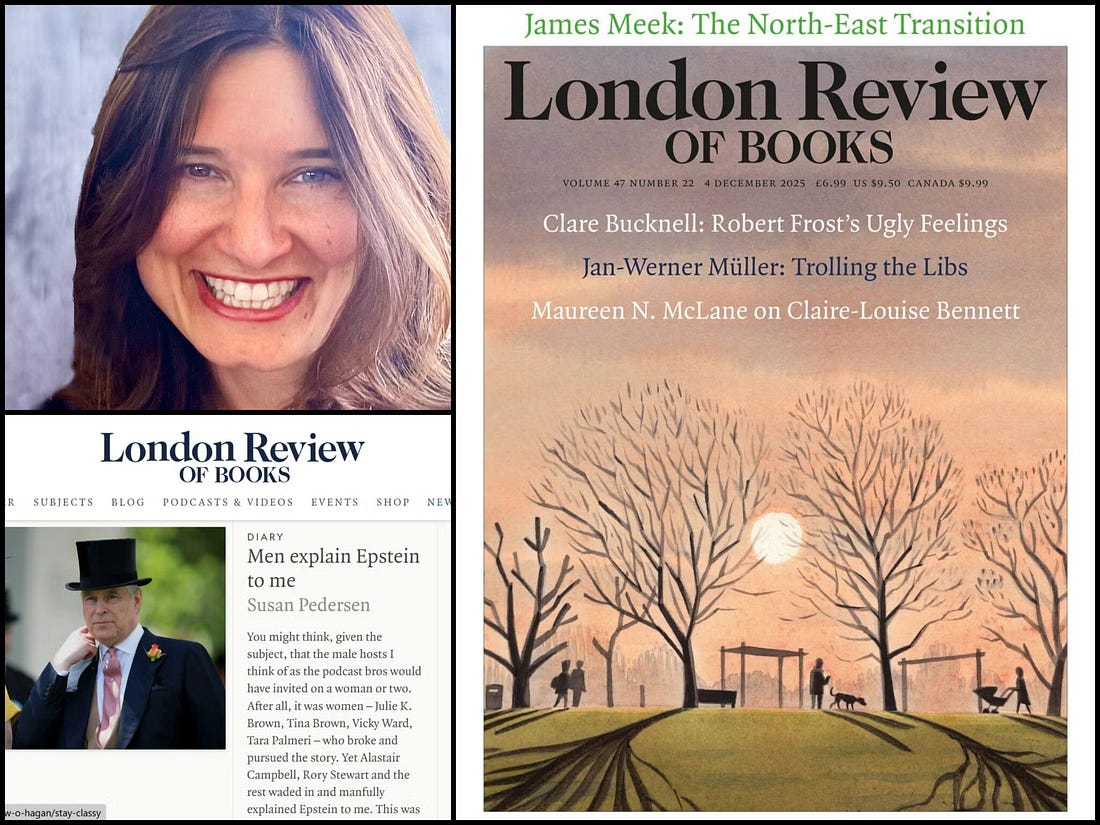
🧐 The London Review of Books is surely most the highbrow popular magazine in the UK.
The latest edition includes a 4,000-word essay on late Soviet spiritualism and an 8,000-word exploration of composer Franz Schubert’s literary imagination.
The fortnightly magazine also provides in-depth takes on current affairs, culture and foreign policy all grounded, broadly, in new books and new thinking.
It’s been heartening for me to see it grow and maintain a healthy sale of 70,000 copies (helped by having a generous and dedicated long-term owner).
Canny marketing has probably been the key thing driving new paying readers to all that great content.
Publisher Renée Doegar told us how the LRB makes its marketing spend work so effectively (with subscriptions revenue up every year since 2020).
 |
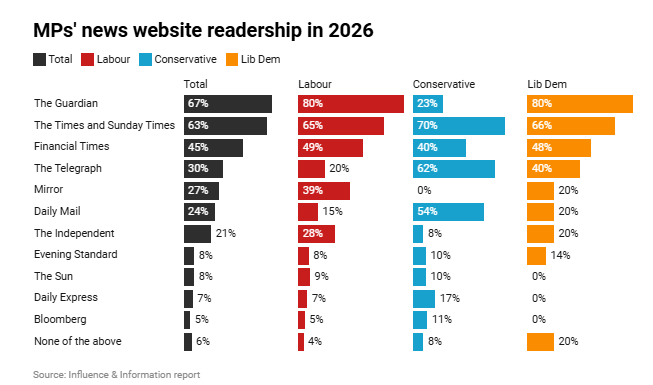
The survey suggests the left-leaning Guardian is the most popular newsbrand amongst MPs (perhaps reflecting Labour’s landslide win in the last general election). And social media appears to be at least as important a source of news as news websites to MPs, according to this sample of 105 people anyway.
 |
☹️ Two local news publishers in the US have a lost a David versus Goliath battle against Google over their claim it has abused a monopoly position in the market for online information.
Helena World and Emmerich Newspapers failed because they were unable to prove actual harm stemming from Google’s dominance in the US information ecosystem. But there are plenty more monopoly complaints yet to play out in the US and around the world against Google.
📢 And in this promoted post, Jake Goldman of Fueled explains how publishers should look beyond volume of online clicks to a model that turns attention into repeat visitors and sustain