| | The US eyes a possible end to the Iran war, rising oil prices boost EV and renewable uptake, and the͏ ͏ ͏ ͏ ͏ ͏ |
| |  | Flagship |  |
| |
|
The World Today | 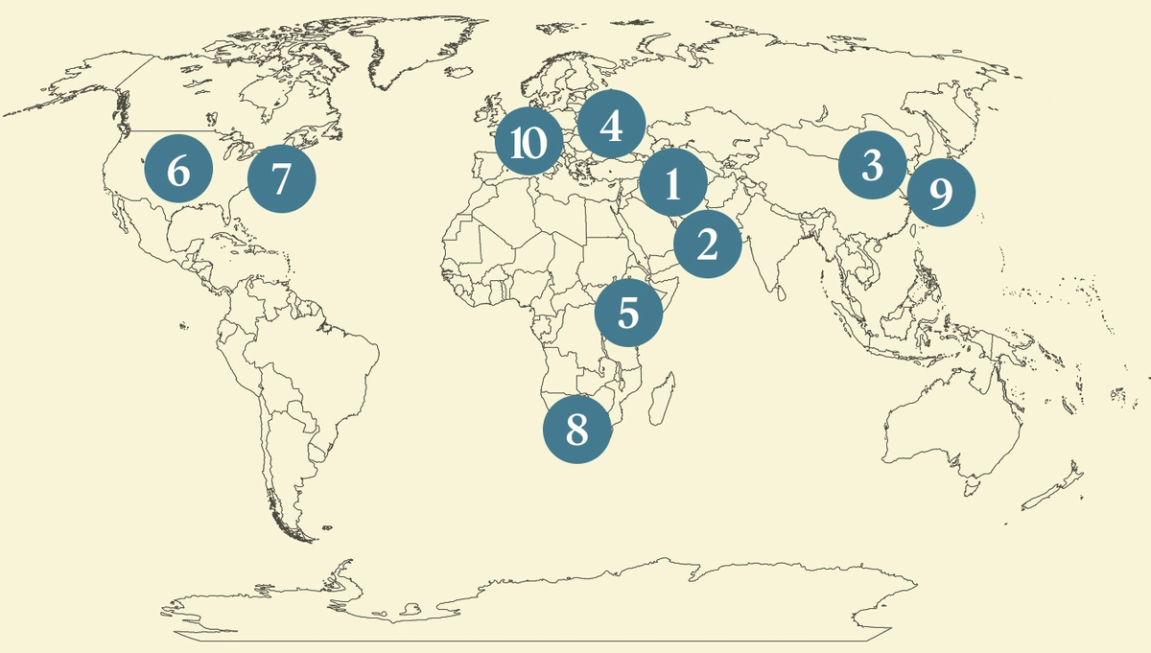 - US eyes end to war
- Iran plans Hormuz fees
- War boosts EV sales
- Russia’s Iran support
- Kenya’s flower exports hit
- US airport chaos worsens
- Maduro faces day in court
- S. Africa’s major graft probe
- AI conference’s AI problem
- D’Artagnan remains found
 A young musician’s ‘barn-burning addition’ to the jazz canon. |
|
US eyes end to war as Iran digs in |
 US Navy/Handout via Reuters US Navy/Handout via ReutersThe US appeared to be accelerating efforts to end the Iran war, though Tehran remained defiant, insisting it would not capitulate. US President Donald Trump has told aides he expects the conflict to end within weeks, The Wall Street Journal reported, and his scheduling of a summit with Chinese leader Xi Jinping in mid-May suggests the White House believes the fighting will be over by then. Israel, meanwhile, has intensified its strikes against Iranian targets in an apparent belief that it is running out of time to do so. Washington and Tehran remained far apart in their respective demands, however, while stocks fell and oil rose on bets that the two sides were unlikely to reach a compromise soon. |
|
Iran plans fees for Hormuz passage |
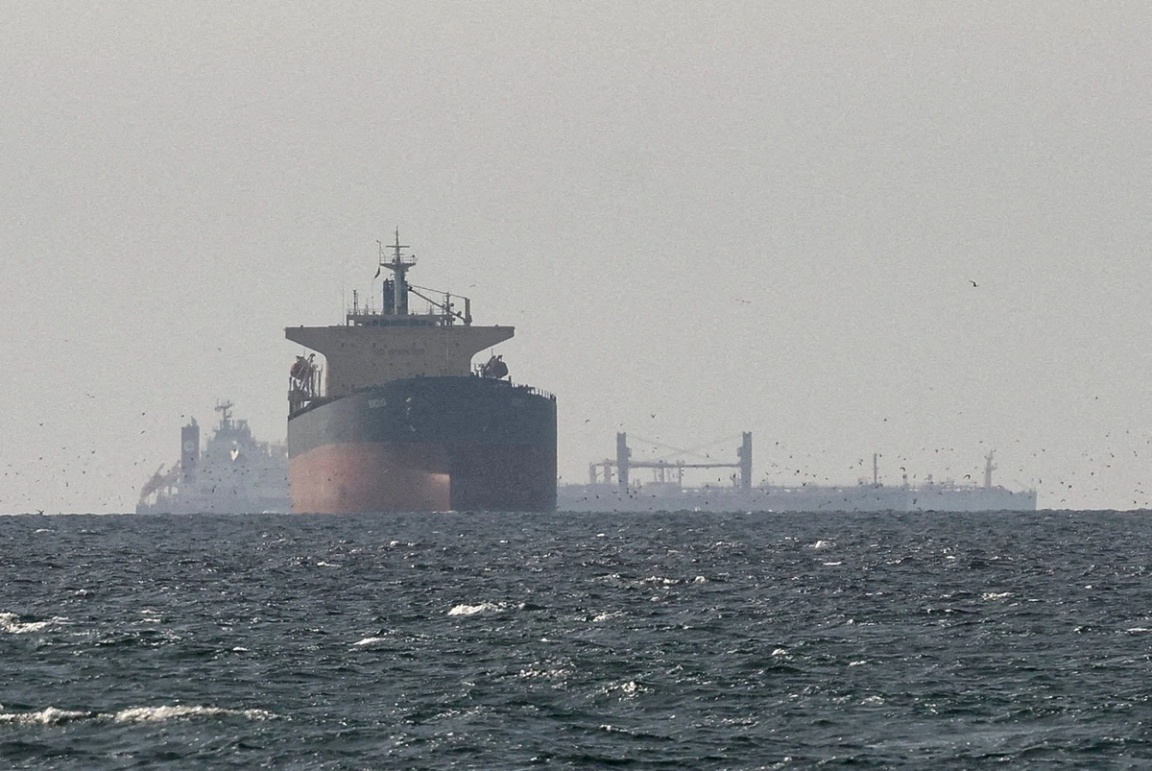 Stringer/File Photo/Reuters Stringer/File Photo/ReutersIran is finalizing plans to impose fees on vessels traversing the Strait of Hormuz, part of efforts to strengthen its grip on the key waterway. The battle for control of the strait — through which huge proportions of oil, gas, and other key global commodities flow — has sent prices soaring globally. While Tehran has allowed a trickle of ships from friendly nations to pass through, the strait remains shut for the majority of Gulf nations, wrecking their economies. Some regional powers, worried that a quick US exit would leave Tehran in control of the passage, want to see a “conclusive outcome that addresses Iran’s full range of threats,” the UAE’s ambassador to the US said. |
|
War propels shift to EVs, renewables |
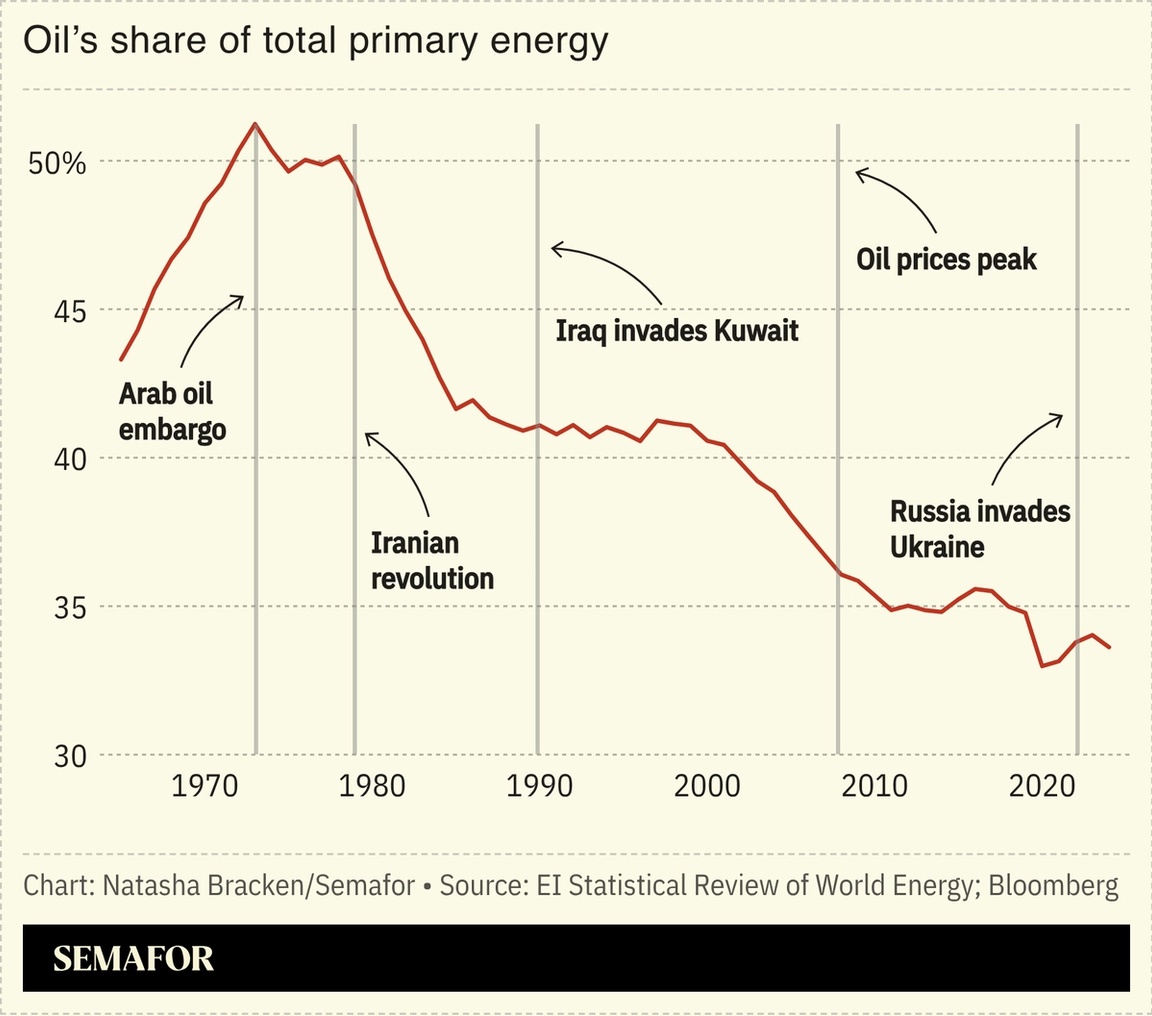 China’s oil demand could peak sooner than expected, a senior executive at a major state energy firm said, as the Iran war accelerates the turn away from fossil fuels. The country is the world’s second-largest oil consumer, but demand growth has slowed as it shifts to EVs and renewables, and rising prices caused by the effective closure of the Strait of Hormuz will speed the process, CNOOC’s deputy chief economist said. Similar dynamics are playing out elsewhere: Used EV purchases in Europe are up as fuel prices rise; one French retailer told Reuters that it doubled EV sales between February and March. And a UK electricity firm boss said solar panel sales had risen 50% since the war began. |
|
Russia supports Iran with drones |
 The aftermath of an Iranian drone strike on Tel Aviv. Roei Kastro/Reuters The aftermath of an Iranian drone strike on Tel Aviv. Roei Kastro/ReutersRussia is reportedly sending drones to Iran, according to Western intelligence, underscoring how the war in Ukraine is inextricably tied to the one in the Middle East. Moscow’s support for Tehran is likely to further escalate tensions with the West and especially the US. Ukraine, meanwhile, is providing anti-drone capabilities to Gulf nations. The connection extends to economics too: The effective closure of the Strait of Hormuz has been a windfall for Russia as oil and fertilizer prices rise, and the US lifted some restrictions on its crude sales. Moscow’s ability to capitalize on that boost may be limited, though: Ukrainian attacks on Russia’s oil infrastructure have reduced the country’s export capacity by 40%, Reuters reported. |
|
Kenyan flower shipments suffer |
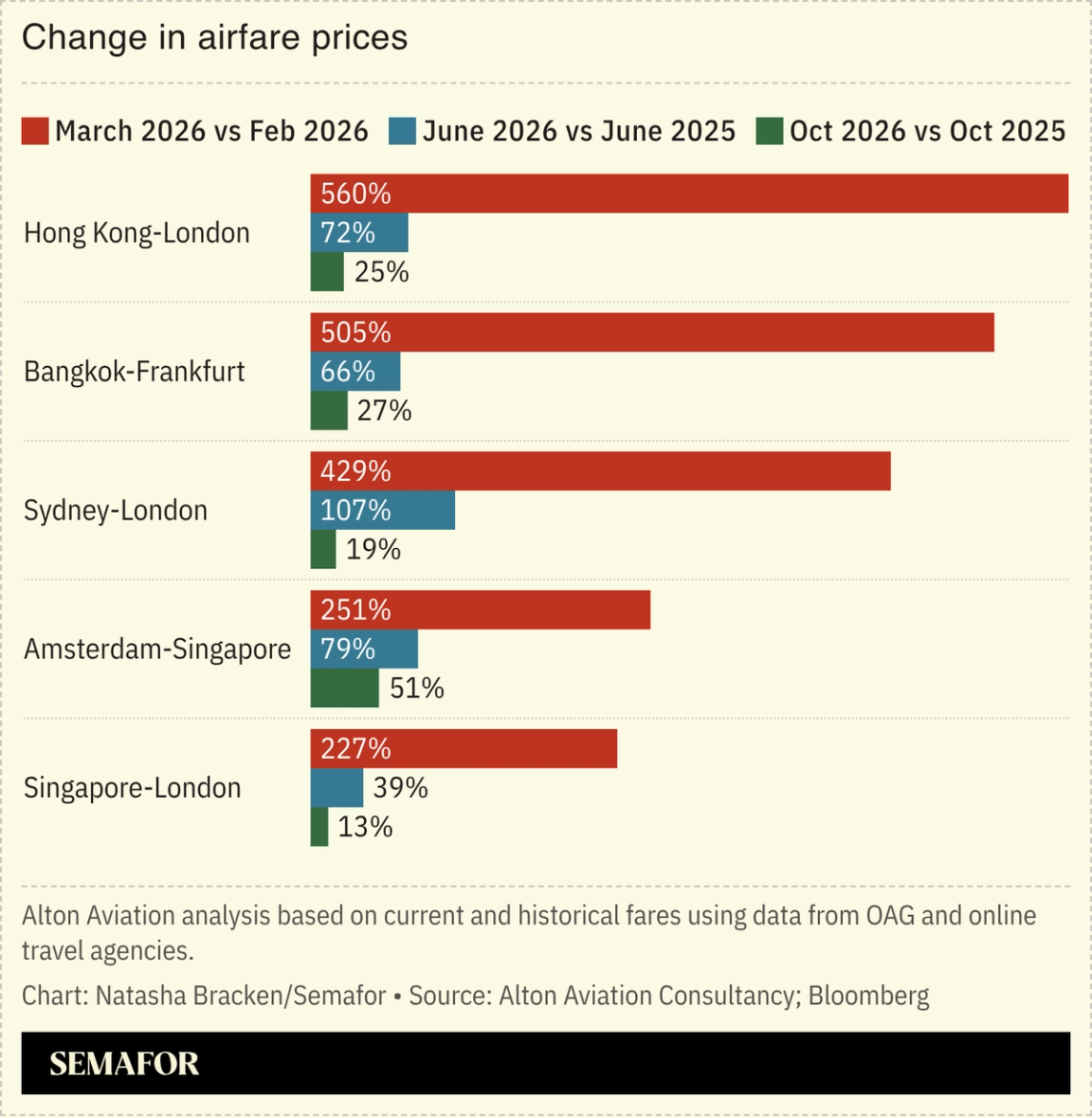 Kenya’s flower industry is losing millions of dollars every month as the conflict in the Middle East upends global commerce. Horticulture is one of the country’s most important economic drivers, generating close to 1% of its GDP. But the sector is reliant on just-in-time air freight, and routes have become longer and more expensive because of the Iran war’s disruption to Gulf air hubs, forcing some producers to discard as much as half of their flowers. The war has upended the travel industry, too, with forecasters estimating airfares — which have jumped sixfold on some routes — will remain high for months. “Travelers hoping for a drop in long-haul summer airfares are in for a brutal reality check,” Bloomberg wrote. |
|
US airports face closure risks |
|
Maduro due in US court on drug charges |
 Jane Rosenberg/File Photo/Reuters Jane Rosenberg/File Photo/ReutersFormer Venezuelan President Nicolás Maduro is due in a US court today to face narcoterrorism charges, a test of laws that have had limited courtroom success in the past. Washington has accused Maduro of heading the Cartel de los Soles, which allegedly funneled large quantities of drugs into the US, using the accusations as the justification for ousting him from power. The narcoterrorism statute has only produced four convictions since it was implemented in 2006, two of which were later overturned, according to Reuters. Prosecutors have also argued that Maduro should not be allowed to use Venezuelan government funds to pay for his defense, “an early skirmish in a long and complex legal war,” The Economist argued. |
|
 This April, top global CEOs, government officials, and industry leaders will join Semafor World Economy — the largest gathering of global CEOs and officials in the United States — to sit down with Semafor editors for conversations on the forces shaping global markets, emerging technologies, and geopolitics. See the full lineup of speakers, including Global Advisory Board members, Fortune 500 CEOs, and elected officials from the US and across the G20. |
|
S. Africa probe exposes graft |
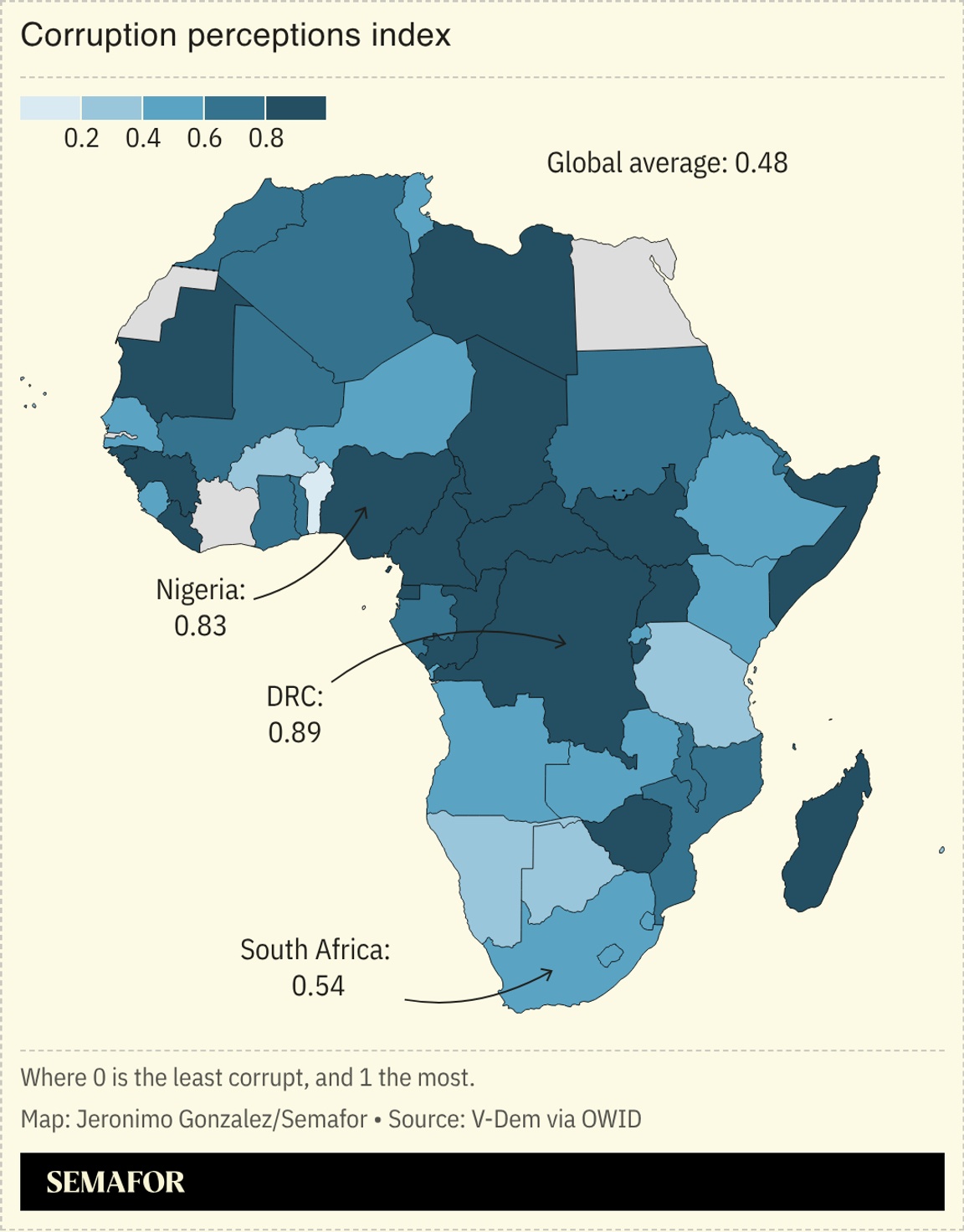 South Africa’s police chief was charged with corruption as part of a probe that has exposed the staggering graft problem in the continent’s biggest economy. The investigation suggests corruption extends to the most senior ranks of South Africa’s establishment, but also demonstrates authorities’ willingness to do something about it after years of complacency, one of the journalists who uncovered the graft told the Financial Times. Any progress could have a huge impact in South Africa: Experts estimate that corruption costs South Africa as much as 4% of its GDP every year, a pattern seen across much of the continent. According to the UN, graft on the continent accounts for around $90 billion annually. |
|
AI gathering rejects papers over AI use |
 Go Nakamura/File Photo/Reuters Go Nakamura/File Photo/ReutersA major AI research conference rejected hundreds of papers after revealing that the authors used AI. The International Conference on Machine Learning requires submitting authors to review other submissions, and use of AI to do so is banned. The organizers set a trap: They distributed papers for review, and included hidden-text watermarks instructing AIs to include telltale phrases. About 2% of authors were caught, and their papers rejected, Nature reported. A 2025 AI conference found 21% of peer reviews were likely AI-generated, and a third found hundreds of apparently hall |
|
|


