| | Donald Trump extends a pause on striking Iranian energy facilities, China embraces AI tokens, and we͏ ͏ ͏ ͏ ͏ ͏ |
| |  MANAMA MANAMA | SHENZHEN |  SINGAPORE SINGAPORE |
 | Flagship |  |
| |
|
The World Today | 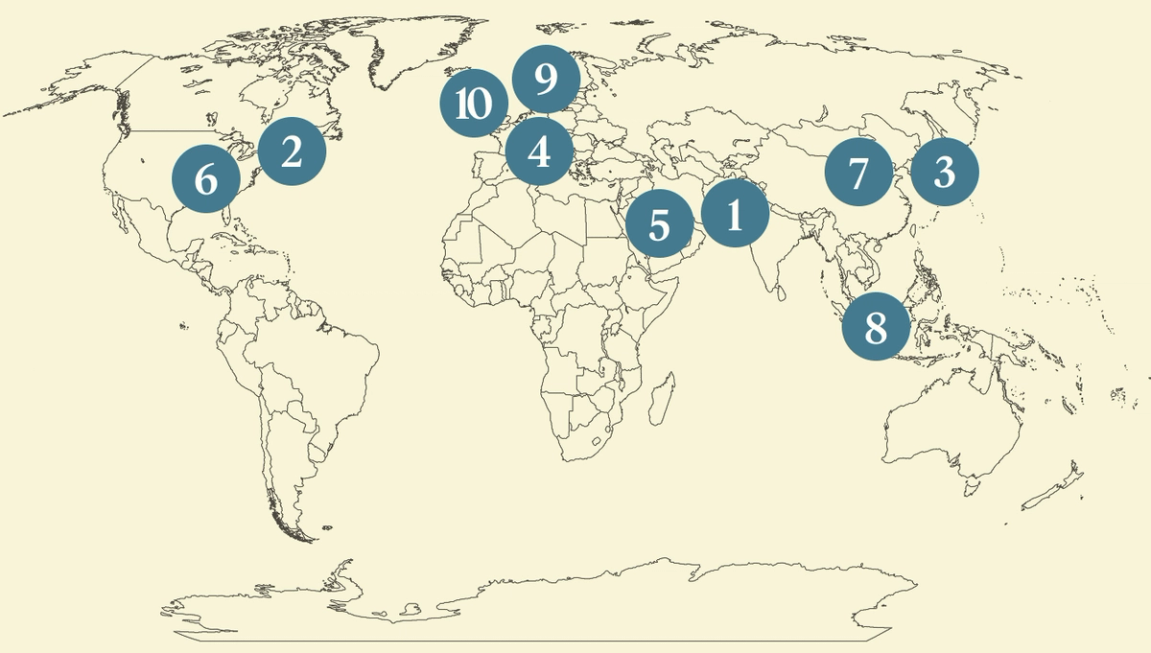 - Trump extends Iran deadline
- US stocks’ worst day in weeks
- Investors pull out of Asia
- Iran conflict fans inflation
- Gulf airport hubs at risk
- US population growth falters
- China’s AI token embrace
- The rise and rise of ByteDance
- Cheaper weight-loss drugs
- Vibe-coding Civilization
 The secrets of Mayan cities. |
|
Trump extends Hormuz deadline |
 Evelyn Hockstein/Reuters Evelyn Hockstein/ReutersUS President Donald Trump on Thursday pushed back the deadline for Iran to reopen the Strait of Hormuz or face attacks on its energy infrastructure, the second such extension. The 10-day reprieve could once again offer a brief calm to volatile energy markets that have struggled to parse contradictory messages from Washington and Tehran. Even as Trump said Thursday that talks with Iran are going “very well,” the US plans to send 2,000 troops to the Middle East, and is reportedly considering diverting weapons that were intended for Ukraine. Meanwhile, Israel said it killed the head of the Iranian navy, while Tehran kept lobbing missiles at Israeli and Gulf targets. |
|
Markets skeptical of Iran ceasefire |
 Jeenah Moon/Reuters Jeenah Moon/ReutersMarkets appeared skeptical of President Donald Trump’s insistence that the Iran war will end soon. US stocks on Thursday had their worst day since the conflict broke out, while oil prices rose along with US bond yields. The rout came even as Trump said Iran is “begging” to make a deal, but diplomatic progress “seems to be sketchy at best,” one strategist said. Markets have whipsawed over Trump’s conflicting signals of deescalation and aggression toward Tehran; traders are “trying to price two competing paths at once,” an analyst noted. Trump on Thursday said the market reaction wasn’t as severe as he expected, hours before he extended the pause on striking Iranian energy plants. |
|
Investors pull out of oil-reliant Asia |
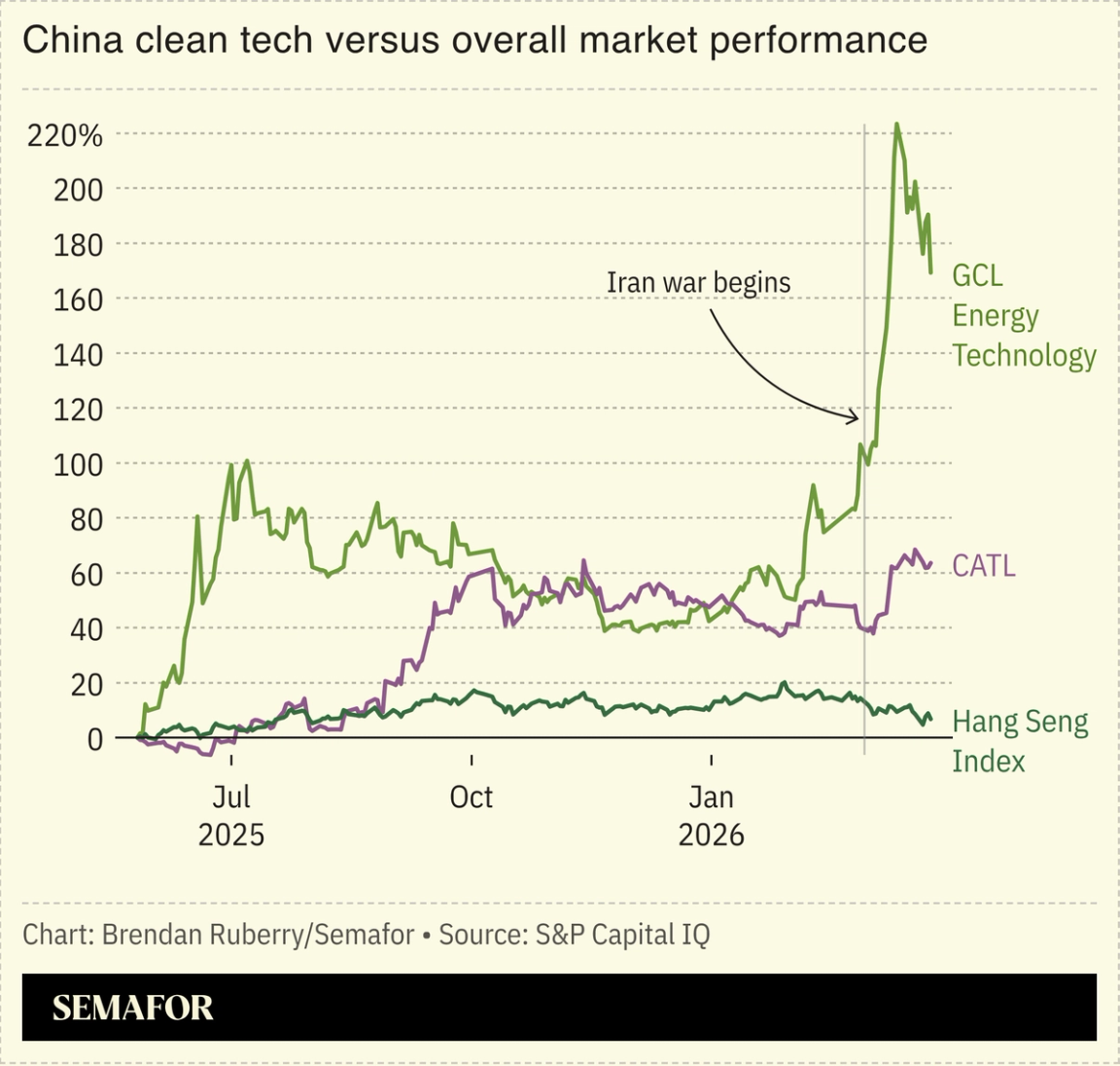 Global investors are pulling a record amount of capital from Asia’s emerging-market stocks — with China a notable exception. The region is especially vulnerable to energy disruptions stemming from the war, and oil-reliant nations like Taiwan, South Korea, and India saw the steepest outflows, Bloomberg reported, surpassing the pandemic-driven exodus of March 2020. However, investors are rushing toward Chinese renewable energy stocks, betting that oil shortages will fuel more demand for green tech, a sector China dominates. The industry has been beset by oversupply but higher demand would boost their balance sheets, analysts said. “After this war, people would have a second thought on gas-powered cars,” one bullish hedge fund manager told Reuters. |
|
Conflict weighs on global growth |
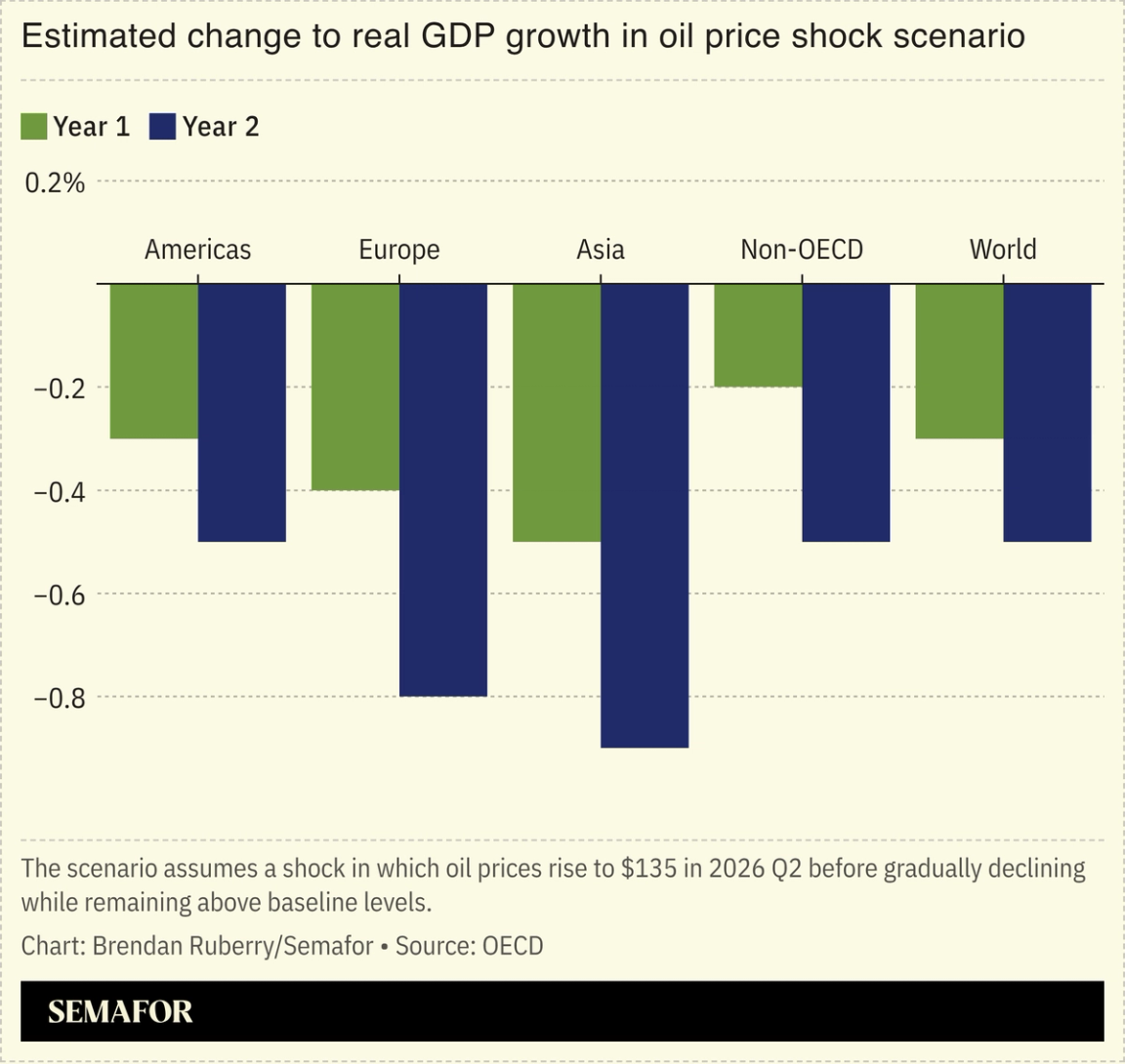 The war in Iran is set to weigh on global growth this year, the OECD forecast Thursday, knocking the world’s economy off a path of strong expansion. The global economy was set for stronger-than-expected growth before the conflict began, but the near-halt to energy shipments from the Gulf “could result in lower growth and higher inflation,” the organization’s chief said: Inflation in the US could reach more than 4%, according to the forecast. Business surveys this week showed the conflict is already dampening activity because of uncertainty and expectations of stalled deliveries and higher costs. It is “ringing stagflation alarm bells,” particularly in Europe, an S&P Global economist said. |
|
Gulf airport hubs at risk from Iran war |
 Stringer/Reuters Stringer/ReutersThe rise of Gulf mega-airports changed global flight patterns, but the Iran war could change it again. Previously, people would take short-hop flights to major airports for the longer-haul segment, a “hub-and-spoke” model. Dubai and Doha became true global hubs, with spokes spanning the world, allowing far-flung journeys with a single stop. Their position, between Asia and Europe, gave them access to an enormous market. More than half of passengers are simply passing through. The Gulf carriers also gave other airlines competition and drove fares down. But a longer conflict could force passengers worried about their safety to find alternate hubs, analysts told the BBC, pushing ticket prices up as the Gulf’s capacity drops. |
|
US population growth slows |
 Jim Vondruska/Reuters Jim Vondruska/ReutersPopulation growth is slowing across the US due to a steep drop in immigration, new data shows. Some 40% of US counties experienced a net loss in people, with large cities seeing especially sharp immigration declines as US President Donald Trump returned to the White House and pledged a massive crackdown on migration. Experts have warned that the decline could hurt the US labor market. “It’s harder to grow a city economy if the workforce also isn’t growing strongly,” one researcher said. The trend could also exacerbate a demographic crisis: US birth rates are falling, and the total population could decline if immigration doesn’t rebound. |
|
China names AI tokens after the yuan |
 Aly Song/Reuters Aly Song/ReutersChina named the official translation for tokens — the units of data processed by AI models — after its own currency, as Beijing looks to shape the rules of the AI economy. By settling on ciyuan, Beijing ended a debate within China’s tech scene over the term: The move was “widely seen as devising a new form of global currency,” the South China Morning Post wrote, suggesting that China is looking to set the terms of the “token economy,” in which AI compute is a key commodity that dictates technological and economic power. China has long looked to counter the US dollar’s dominance in international commerce; that push is also extending to digital realms. |
|
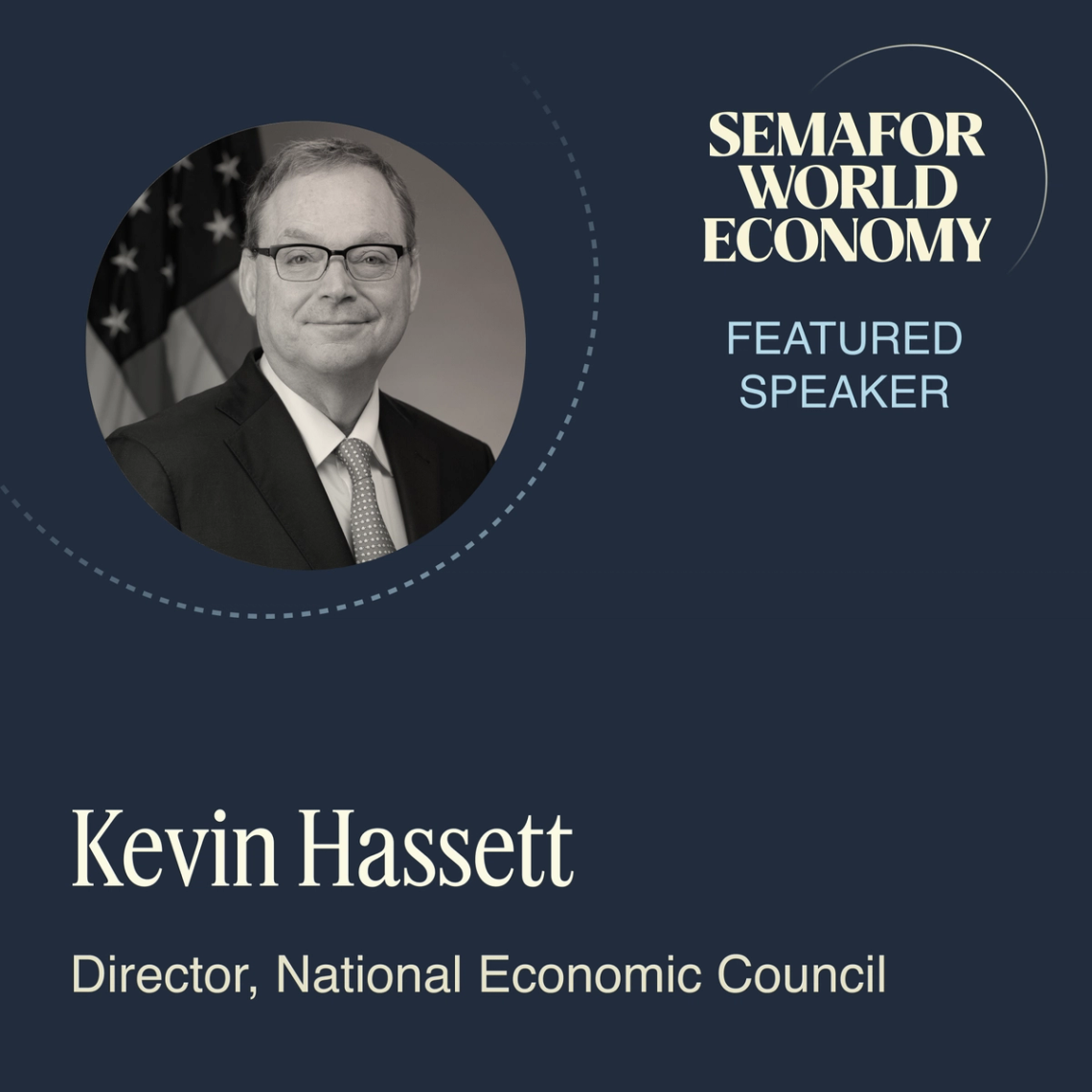 This April, Kevin Hassett, Director, National Economic Council, will join global leaders at Semafor World Economy — the largest convening of top global CEOs and government officials in the United States — to sit down with Semafor editors for conversations on the forces shaping global markets, emerging technologies, and geopolitics. See the full lineup of speakers, including Global Advisory Board members, Fortune 500 CEOs, and top elected officials from the US and across the G20.
|
|
 Tingshu Wang/Reuters Tingshu Wang/ReutersChinese tech giant ByteDance’s vast empire spanning e-commerce, AI, and social media is worrying both domestic and international rivals, but friction with Beijing could blunt its global ambitions. ByteDance produces so many apps that its own employees can’t keep track, The Economist wrote, and with a recent valuation of $550 billion, it lags only behind OpenAI and SpaceX among private companies. Within China, the company is giving AI and e-commerce competitors heartburn, while in the US, rival company Snap is miffed that ByteDance’s app TikTok is still “hanging around,” its chairman told Semafor. But the Chinese government is wary about ByteDance’s influence, The Economist noted, and Beijing’s unease with companies that have overseas operations could also complicate its expansion abroad. |
|
GLP-1s become cheaper in the US |
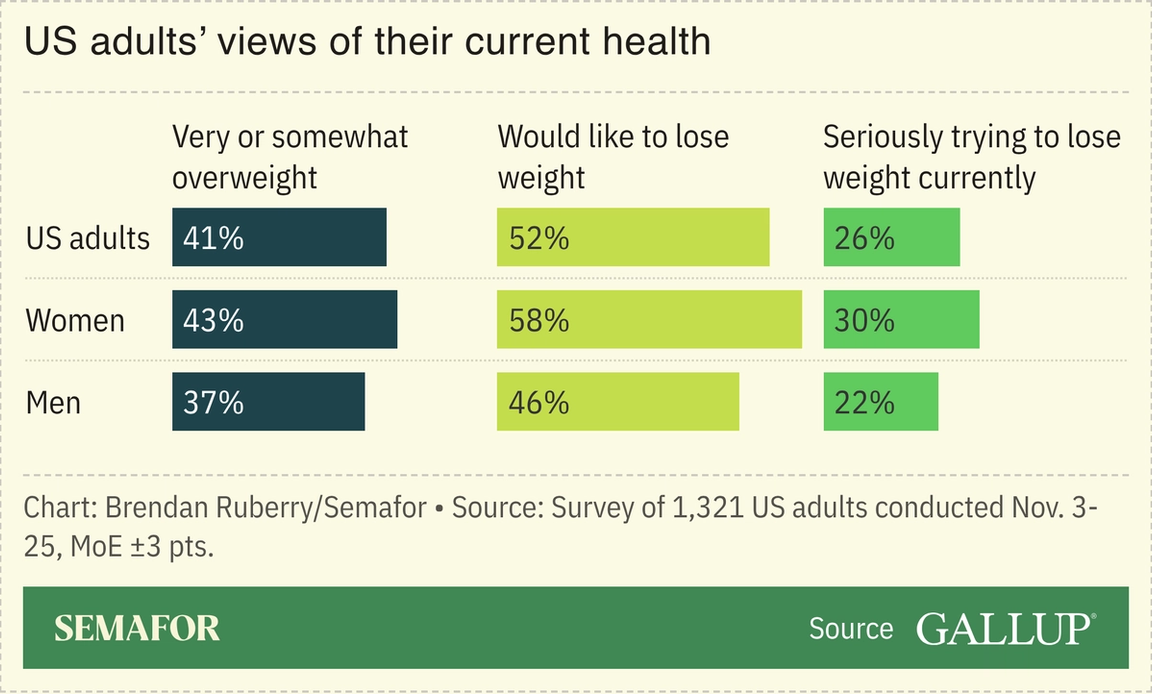 Weight-loss drugmakers are slashing US prices to win customers. Eli Lilly dropped the cost of a month of lowest-dose Zepbound by $50 to $299, with bigger reductions on higher doses; a starting dose of Novo Nordisk’s Wegovy is $149 a month, down from $1,600 when it launched in 2021. The “cutthroat competition” is the result of increasing direct-to-consumer marketing, the BBC reported, as many insurers have balked at the cost of the drugs, leaving patients to pay out of pocket. The White House has also launched a website pointing customers directly to drug manufacturers. About 12% of Americans have used GLP-1 drugs, and that number may rise; new research links them to improved mental health, as well as physical. |
|
|


