Elon Musk's Baltimore problem; Cyber gets spooked by Anthropic's Mythos model; and a new documentary film about AI!
 ͏  ͏  ͏  ͏  ͏  ͏  ͏  ͏  ͏  ͏  ͏  ͏  ͏  ͏  ͏  ͏  ͏  ͏  ͏  ͏  ͏  ͏  ͏  ͏  ͏  ͏  ͏  ͏  ͏  ͏  ͏  ͏  ͏  ͏  ͏  ͏  ͏  ͏  ͏  ͏  ͏  ͏  ͏  ͏  ͏  ͏  ͏  ͏  ͏  ͏  ͏  ͏  ͏  ͏  ͏  ͏  ͏  ͏  ͏  ͏  ͏  ͏  ͏  ͏  ͏  ͏  ͏  ͏  ͏  ͏  ͏  ͏  ͏  ͏  ͏  ͏  ͏  ͏  ͏  ͏  ͏  ͏  ͏  ͏  ͏  ͏  ͏  ͏  ͏  ͏  ͏  ͏  ͏  ͏  ͏  ͏  ͏  ͏  ͏  ͏  ͏  ͏  ͏  ͏  ͏  ͏  ͏  ͏  ͏  ͏  ͏  ͏  ͏  ͏  ͏  ͏  ͏  ͏  ͏  ͏  ͏  ͏  ͏  ͏  ͏  ͏  ͏  ͏  ͏  ͏  ͏  ͏  ͏  ͏  ͏  ͏  ͏  ͏ ­ ­ ­ ­ ­ ­ ­ ­ ­ ­ ­ ­ ­ ­ ­ ­ ­ ­ ­ ­ ­ ­ ­ ­ ­ ­ ­ ­ ­ ­ ­ ­ ­ ­ ­ ­ ­ ­ ­ ­ ­ ­ ­ ­ ­ ­ ­ ­ ­ ­ ­ ­ ­ ­ ­ ­ ­ ­ ­ ­ ­ ­ ­ ­ ­ ­ ­ ­ ­ ­ ­ ­ ­ ­ ­ ­ ­ ­ ­ ­ ­ ­ ­ ­ ­ ­ ­ ­ ­ ­ ­ ­ ­ ­ ­ ­ ­ ­ ­ ­ ­ ­ ­ ­ ­ ­ ­ ­ ­ ­ ­ ­ ­ ­ ­ ­ ­ ­ ­ ­ ­ ­ ­ ­ ­ ­ ­ ­ ­ ­ ­ ­ ­ ­ ­ ­ ­ ­  
Monday, March 30, 2026
The humbling of Big Tech’s ‘Magnificent Seven’


Good morning. This weekend I went to the movies to watch a documentary film about artificial intelligence. It’s called “The AI Doc: Or How I Became an Apocaloptimist.”

While most of the issues raised in the film will not be new to readers of this newsletter, it’s edifying to see the whirl of innovation we’ve experienced (and for many readers, directly worked on) over the past three years presented in one unified package—particularly a presentation made from the perspective of an outsider. The film chronicles co-director Daniel Roher’s efforts to wrap his head around AI, particularly the tension between the excitement over its amazing possibilities and the anxiety over the disruption (or worse) that it will bring. Roher and his wife are expecting their first child as the film is being made, and an overarching theme is the question of what kind of world awaits the next generation.

Roher does a good job of presenting the various schools of thought—doomers, accelerationists, etc—without getting trapped in the weeds of industry jargon or technical details. It’s a good movie to go watch with your non-techie friends and family who may not be as informed as they probably should be about the magnitude of the changes, and the stakes, at play.

Also, kudos to Sam Altman, Dario Amodei, and Demis Hassabis for sitting down for interviews in the film. I won’t give any spoilers about which CEOs were too chicken to sit down for an interview—you’ll just have to go see it.

Today’s news below.

Alexei Oreskovic
@lexnfx
alexei.oreskovic@fortune.com

Want to send thoughts or suggestions to Fortune Tech? Drop a line here.

Was this newsletter forwarded to you? Subscribe here!

The humbling of the Magnificent Seven


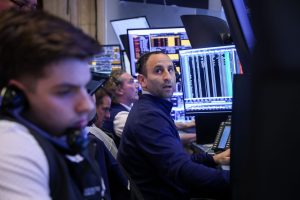
Every Magnificent 7 stock is now down double digits from its 52-week high, with the group’s losses accelerating as the war in Iran compounds on the already fraught AI trade.

Microsoft has been hit the hardest by the drawdown, falling roughly 32% from its October peak, on track for its worst start to a year in its history. Meta is down about 25%, and Alphabet roughly 15% from its closing high last month. Even the darling of the AI trade, Nvidia, and the high-performing Amazon are negative on the year. A Bloomberg index tracking the seven said it had entered correction territory in mid-March, closing more than 10% below its October record.

Several controversies have also slammed the Mag 7 in recent days. Microsoft’s Copilot AI product has been described as a disappointment by UBS. Meta just lost a landmark trial on its social media addiction. And many of these companies’ AI dreams are tied up in OpenAI, which just exited a massive deal with Disney to try to secure its place in Hollywood.

The selloff marks a sharp reversal from years of AI-fueled gains—the index rose 107% in 2023, 67% in 2024, and 25% in 2025. And some on Wall Street now even view the tech sector as a place to look for value. “Big Tech is where valuations are reasonable, where you have real growth,” said Robert Edwards, chief investment officer at Edwards Asset Management.—Eva Roytburg

Elon Musk's companies find friction in Baltimore

Elon Musk's tunneling business, the Boring Company, started discussions with Baltimore officials on Tuesday about building a free tunnel around the Ravens’ football stadium.

While the free project seemed like a coup for the Ravens, who had pitched it to the Boring Co., the idea was short-lived. Within nine hours of the announcement, Baltimore’s mayor and city council had filed a lawsuit against xAI, an AI company also owned by Musk, alleging that its chatbot “flooded” users’ feeds with nonconsensual intimate imagery and child sexual abuse material.

And on Wednesday, the Ravens said that, after conversations with “public partners,” they would walk away from the tunnel proposal. Mayor Scott, a Democrat, said publicly that it was “not something that I would have approved."

Together, the two moves mark a notable shift in a state that courted Elon Musk’s business with open arms only a decade ago and illustrate the challenges now facing Musk’s collection of companies as the famously impulsive and truculent multi-billionaire has turned himself into a political lightning rod. Read the full story here. —Jessica Mathews

Cyber stocks slide after Anthropic’s new model leaks